Issue · Criminal Justice

Criminal Justice (Law Enforcement)

Every criminal justice bill, vote, and legislator stance in United States, automatically classified by Maddy, our AI policy reader.

Total bills
318
119th Congress
Top supporter
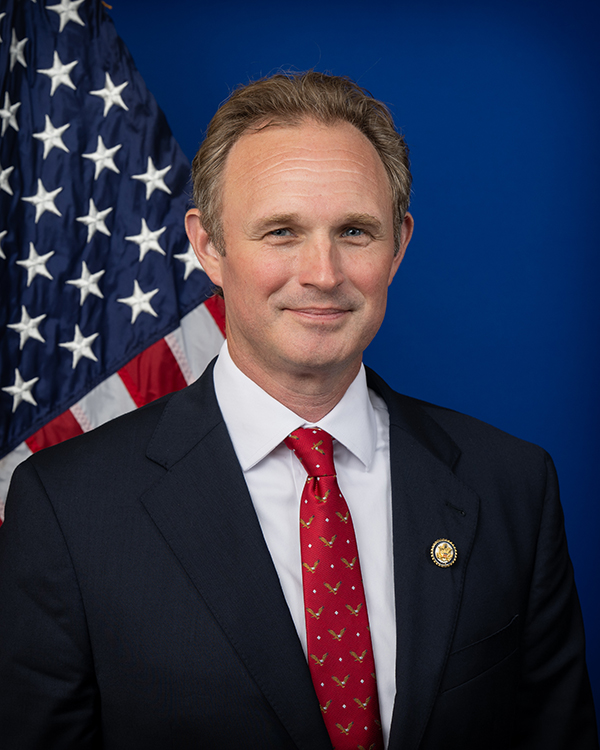
James Gallagher
100% support rate
Top opponent
Aisha Wahab
0% support rate
Ranked legislators
10
5 support · 5 oppose
Key legislators

Who's moving law enforcement in United States

Legislators moving law enforcement in United States
Legislator Party Stance Support rate Decisive votes
James Gallagher
James Gallagher House · District 1
R
Strong +
100% 3
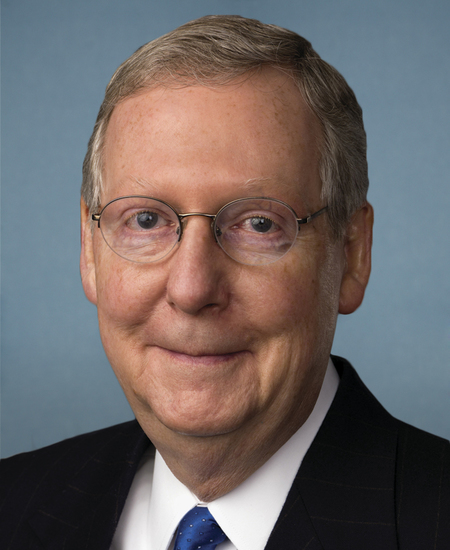
Mitch McConnell
Mitch McConnell Senate
R
Strong +
93% 28
AA
Alan Armstrong Senate
R
Strong +
86% 28
Bernie Moreno
Bernie Moreno Senate
R
Strong +
86% 28
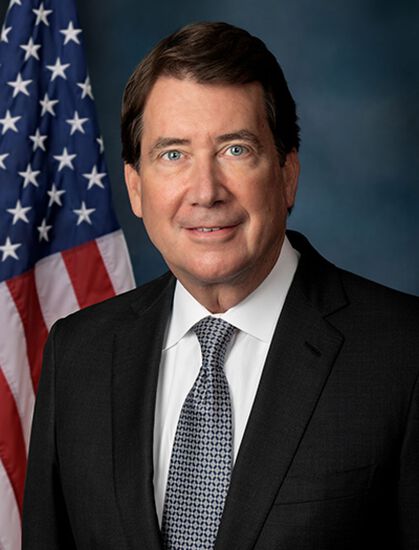
Bill Hagerty
Bill Hagerty Senate
R
Strong +
86% 28
Aisha Wahab
Aisha Wahab House · District 14
D
Strong −
0% 3
Everton Blair Jr.
Everton Blair Jr. House · District 13
D
Strong −
0% 3
Dave Min
Dave Min House · District 47
D
Strong −
13% 15
Marcy Kaptur
Marcy Kaptur House · District 9
D
Strong −
13% 15
Amy Klobuchar
Amy Klobuchar Senate
D
Strong −
14% 28
Showing 261–270 of 318 bills

All criminal justice bills

in committee · United States · Senate Oct 30, 2025

S 3087: Stop Pills That Kill Act

This bill targets counterfeit pills containing fentanyl or methamphetamine that mimic legitimate medications. It defines "counterfeit fentanyl or methamphetamine substances" as pills falsely bearing another brand's label while containing those dangerous drugs. The bill requires the DEA to create a comprehensive plan within 180 days, including enhanced law enforcement strategies, youth-focused prevention efforts, and audits of existing campaigns like "One Pill Can Kill." It also mandates annual reports to Congress detailing seizure data, prosecutions, convictions, and prevention measures specifically related to counterfeit pill forms. The legislation directly affects federal law enforcement agencies, public health campaigns, and individuals manufacturing or distributing these deceptive pills.
in committee · United States · House Sep 16, 2025

HR 5391: Bipartisan Bulletproof Vest Partnership Program Expansion Act

The Bipartisan Bulletproof Vest Partnership Program Expansion Act increases federal funding for law enforcement bulletproof vests by raising the grant share from 50% to 60% for state and local agencies. It also authorizes $60 million annually for the program from fiscal years 2026 through 2030. This change reduces the cost burden on participating agencies, requiring them to cover only 40% of vest costs instead of 50%. The bill directly affects state and local law enforcement agencies that apply for these grants to purchase protective gear.
Sub-Topics Law Enforcement
in committee · United States · House May 23, 2025

HR 3602: Ending Qualified Immunity Act

This bill amends federal law (Section 1983) to eliminate qualified immunity as a defense in civil rights lawsuits. It would prevent government officials from avoiding liability by claiming they acted in good faith, believed their actions were lawful, or didn't know a right was clearly established at the time. This directly affects individuals who sue police, law enforcement, or other officials for violating constitutional rights. The change would apply to lawsuits filed after the bill's enactment, requiring officials to face liability under the original standard of Section 1983.
Sub-Topics Civil Rights Law Enforcement Policing Tags Civil Liberties
passed · United States · Senate Jun 15, 2026

S 1890: Carla Walker Act

The Carla Walker Act establishes two competitive grant programs to fund forensic DNA analysis and equipment for public law enforcement and medical examiner offices. It provides $5 million annually (2025-2029) for eligible entities like state police, prosecutors' offices, medical examiners, and coroners to purchase equipment or conduct whole-genome sequencing (testing 100,000+ genetic markers) to solve cold cases or identify unknown remains when standard DNA databases fail. Grants cannot cover staffing, travel, or general equipment but require compliance with DOJ’s 2019 forensic genealogy policy and mandate detailed annual reports on case outcomes. The law aims to improve investigative capabilities through specialized forensic genetic genealogy while maintaining strict oversight and reporting requirements.
in committee · United States · House May 13, 2025

HR 3366: EAGLE Act of 2025

The EAGLE Act of 2025 establishes a $10 million federal grant program to help small local law enforcement agencies (under 350 employees) pay for accredited certification. Agencies must apply demonstrating financial need and specify costs for accreditation fees, on-site assessments, or extension fees charged by recognized bodies like CALEA. Grant funds cover only direct costs related to achieving or maintaining accredited status, not general operations. The program requires the Attorney General to set up the grants within 90 days of the bill becoming law.
Sub-Topics Law Enforcement
in committee · United States · Senate Jan 13, 2026

S 3625: Qualified Immunity Abolition Act of 2026

This bill would remove "qualified immunity" as a legal defense for law enforcement officers in civil rights lawsuits. It amends federal law (42 U.S.C. 1983) to eliminate four specific excuses officers can currently use, including claiming they reasonably believed their actions were lawful or that constitutional rights weren't clearly established. The change applies to all lawsuits filed after enactment against federal, state, or local police officers who acted under official authority. This means officers could face civil liability for constitutional violations even if they thought their conduct was lawful at the time.
Sub-Topics Civil Rights Law Enforcement Policing Tags Civil Liberties
in committee · United States · House Mar 31, 2025

HR 2502: Law Enforcement Training for Mental Health Crisis Response Act of 2025

This bill establishes a federal grant program to fund mental health crisis response training for law enforcement and corrections officers. It provides up to $10 million annually for state, local, and tribal agencies to cover training costs, including travel and lodging, for officers responding to mental health crises. The training must be evidence-based, developed with healthcare professionals and people with lived mental health experience, and cover de-escalation, empathy, community resources, and safety protocols. Agencies applying must demonstrate current training gaps, officer safety records, and how the training will reduce injuries to officers and the public during mental health emergencies. The grants are supplemental to existing funding and require annual reporting on training participation and outcomes.
in committee · United States · House Jan 16, 2025

HR 520: Empowering Law Enforcement To Fight Sex Trafficking Demand Act of 2025

HR 520 allows law enforcement agencies to use Byrne JAG funds for programs specifically targeting the demand behind sex trafficking, such as initiatives aimed at reducing the market for commercial sex acts involving trafficked individuals. This bill amends existing federal funding rules to explicitly authorize these funds for "programs to combat human trafficking (including programs to reduce the demand for trafficked persons)." It directly affects state and local law enforcement agencies that receive Byrne JAG grants by expanding how they can allocate those resources. The key change is creating a dedicated funding category for demand reduction efforts, moving beyond solely supporting victim services or investigations.
passed · United States · Senate Jan 29, 2025

SRES 46: A resolution raising awareness and encouraging the prevention of stalking by designating January 2025 as "National Stalking Awareness Month".

SRES 46 designates January 2025 as "National Stalking Awareness Month" to promote public education about stalking. The resolution highlights stalking's prevalence (affecting 1 in 3 women and 1 in 6 men in the U.S.) and encourages efforts by victim services, law enforcement, schools, and organizations to support victims and improve responses. It does not create new laws but urges increased awareness and resource availability through coordinated community action during this designated month.
in committee · United States · Senate Nov 18, 2025

S 3186: Constitutional Accountability Act

The Constitutional Accountability Act (S 3186) amends Section 1983 to expand liability for constitutional violations by law enforcement. It directly affects state/local governments, police departments, and federal entities by removing barriers that currently limit their accountability for officers' actions. Key provisions require municipalities to be held liable for constitutional violations by their officers (similar to private employers under "respondeat superior"), eliminate sovereign immunity for states under the 14th Amendment, and clarify that federal entities waive sovereign immunity. This change aims to strengthen enforcement of constitutional rights by making oversight mechanisms more consistent and accessible to victims.
Sub-Topics Law Enforcement Policing Tags Civil Liberties
Showing 261 to 270 of 318 bills
Previous 1 … 26 27 28 … 32 Next