Issue · Criminal Justice

Criminal Justice

Every criminal justice bill, vote, and legislator stance in United States, automatically classified by Maddy, our AI policy reader.

Total bills
1,270
119th Congress
Top supporter
Alan Armstrong
86% support rate
Top opponent
Amy Klobuchar
13% support rate
Ranked legislators
10
5 support · 5 oppose
Key legislators

Who's moving criminal justice in United States

Legislators moving criminal justice in United States
Legislator Party Stance Support rate Decisive votes
AA
Alan Armstrong Senate
R
Strong +
86% 28
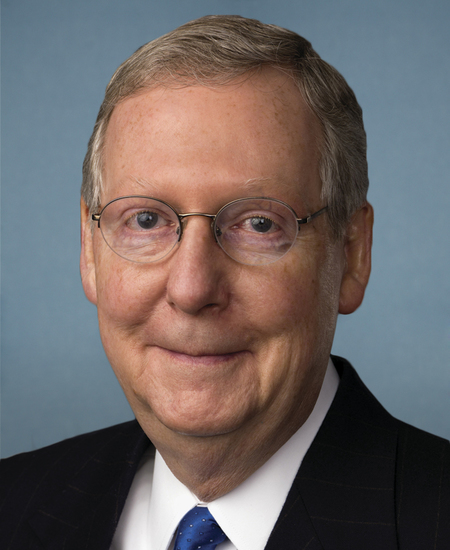
Mitch McConnell
Mitch McConnell Senate
R
Strong +
84% 31
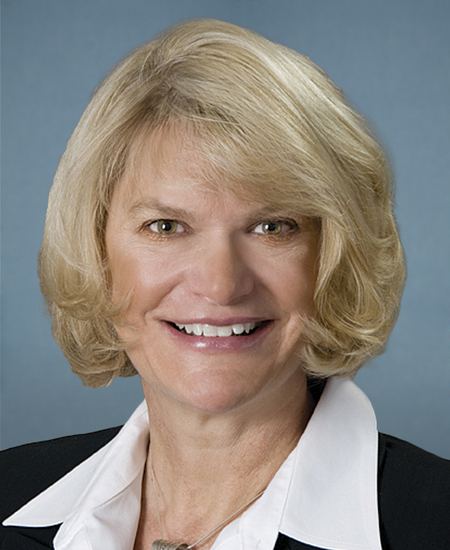
Cynthia M. Lummis
Cynthia M. Lummis Senate
R
Strong +
80% 30
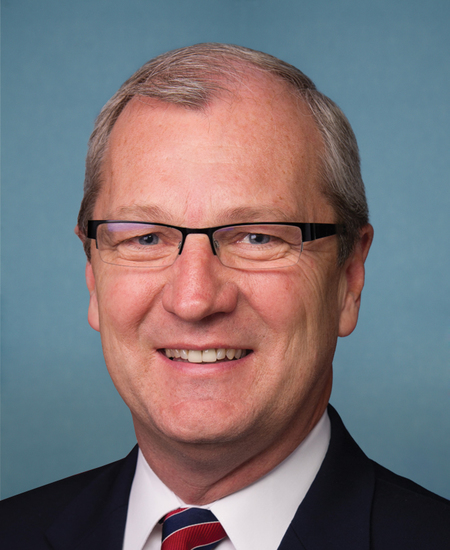
Kevin Cramer
Kevin Cramer Senate
R
Strong +
80% 30
Bernie Moreno
Bernie Moreno Senate
R
Support
77% 31
Amy Klobuchar
Amy Klobuchar Senate
D
Strong −
13% 31
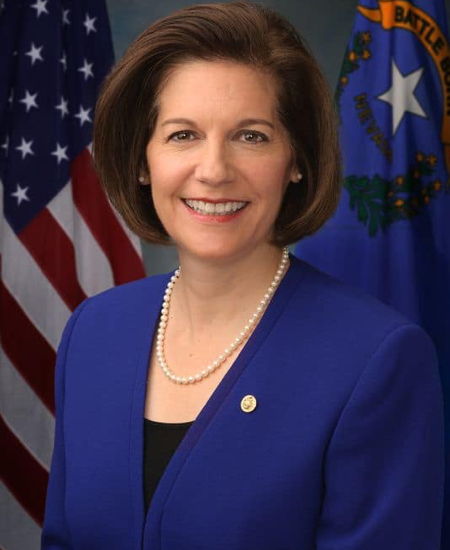
Catherine Cortez Masto
Catherine Cortez Masto Senate
D
Strong −
13% 31
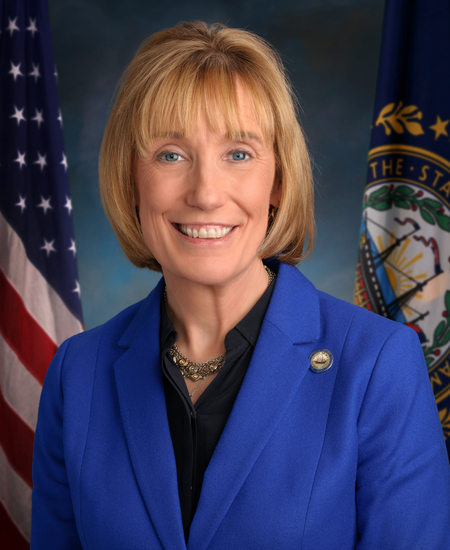
Margaret Wood Hassan
Margaret Wood Hassan Senate
D
Strong −
13% 31
Andy Kim
Andy Kim Senate
D
Strong −
16% 31
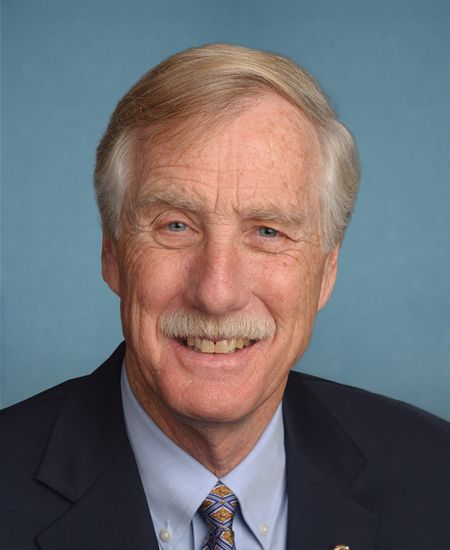
Angus S. King, Jr.
Angus S. King, Jr. Senate
I
Strong −
16% 31
Showing 241–250 of 1,270 bills

All criminal justice bills

in committee · United States · House May 4, 2026

HRES 1257: Expressing support for the designation of May 5, 2026, as the "National Day of Awareness for Missing and Murdered Indigenous Women and Girls".

This resolution expresses support for designating May 5, 2026, as the National Day of Awareness for Missing and Murdered Indigenous Women and Girls. It calls on the public and organizations to honor the victims and show solidarity with their families. The bill also recommends that the Department of Justice commission a new study to gather updated statistics on the crisis, noting that previous data is nearly a decade old.
Tags Tribal Nations
in committee · United States · Senate Apr 16, 2026

S 4338: Pedophile Financial Accountability Act

This bill directs the Financial Crimes Enforcement Network to investigate whether banks and their employees properly reported suspicious financial activity involving Jeffrey Epstein and his associates. The investigation will examine specific failures in screening transactions, delays in filing reports, and decisions by major institutions to withhold information about large cash movements related to Epstein. Within 100 days of enactment, the agency must submit a detailed report to Congress, which can include confidential data from suspicious activity reports. If the investigation identifies individuals who willfully violated anti-money laundering laws, the findings will be referred to the Attorney General for further action.
passed · United States · Senate Jun 15, 2026

S 4394: Promoting Police Leadership Act

The Promoting Police Leadership Act directs the Attorney General to create and certify specialized training programs for police commanders, focusing on leadership, community trust, and data-driven policing. This initiative requires the training to be primarily in-person and include practical problem-solving exercises where officers develop and refine solutions for real-world challenges. The bill mandates that the Attorney General consult with local agencies and universities to design these curricula and publish a list of law enforcement units that successfully complete the courses. Additionally, the legislation requires periodic reports to Congress and a review by the Government Accountability Office to assess the program's effectiveness and implementation barriers. Importantly, the act does not override state or local authority to set their own certification standards for law enforcement officers.
in committee · United States · Senate Apr 16, 2026

S 4320: Prison Libraries Act of 2026

The Prison Libraries Act of 2026 directs the Attorney General to create a grant program for states and territories to improve library services for incarcerated individuals, aiming to support reintegration and reduce recidivism. To receive funding, applicants must submit a detailed plan that includes proof of an existing or planned physical library and data demonstrating a need for the services. The grants can be used for a wide range of activities such as hiring qualified librarians, providing digital and financial literacy training, offering art and cultural programs, and establishing partnerships with local public libraries. The legislation explicitly prohibits using the funds for general prison operations, staff salaries unrelated to libraries, or basic needs like food and healthcare. Additionally, the act authorizes $10 million annually from 2026 to 2031 and requires that no fees be charged to inmates for accessing books, computers, or educational materials.
Sub-Topics Corrections
in committee · United States · House Jul 7, 2026

HR 9099: DHS Release Transparency Act

The DHS Release Transparency Act requires the Department of Homeland Security to inform a designated contact person when a detained individual is released from Customs and Border Protection or Immigration and Customs Enforcement custody, provided the person was held for more than 12 hours. Under this bill, individuals in custody can choose to name a contact and provide their information, with the government obligated to attempt notification at least twice. The law also mandates that translation services be available in the detainee's preferred language for both selecting a contact and receiving release notifications. Additionally, the act specifies that any information gathered under this process cannot be used for law enforcement purposes.
in committee · United States · House May 15, 2026

HR 8856: Stop Gang Violence Act

The Stop Gang Violence Act requires the Federal Bureau of Investigation to include information on suspected gang-related offenses in its existing reports to the National Gang Intelligence Center. This change directly affects the FBI and federal law enforcement agencies by expanding the data they must collect and share regarding gang activities. The bill does not create new crimes or alter penalties but instead mandates a specific reporting procedure to improve the tracking of gang involvement in criminal cases.
in committee · United States · House May 15, 2026

HR 8849: Promoting Police Leadership Act

The Promoting Police Leadership Act directs the Attorney General to create training programs for mid-level law enforcement leaders, such as those managing specific geographic areas. These curricula will focus on practical skills like strategic thinking, community trust-building, data analysis, and officer wellness, delivered primarily through in-person instruction and peer learning. The bill establishes a certification system for courses that meet these standards and requires the Attorney General to publish a list of agencies that have successfully trained their command staff. Additionally, the legislation mandates periodic reports to Congress and a review by the Government Accountability Office to assess the program's effectiveness. Importantly, the law explicitly states that it does not override state or local authority to set their own training and certification standards for police officers.
in committee · United States · House Apr 23, 2026

HR 8480: Protect our Pets Act

The Protect our Pets Act strengthens federal laws against animal cruelty by increasing penalties for animal crushing and prohibiting the abandonment or endangerment of domesticated animals on federal land. Under this bill, individuals convicted of these offenses face up to 10 years in prison for a first offense and up to 15 years for subsequent offenses, in addition to fines. The legislation defines domesticated animals to include mammals, birds, reptiles, and amphibians but includes specific exceptions for veterinary care, hunting, farming, and euthanasia. These changes directly affect people who commit these acts on federal property or in interstate commerce, aiming to provide clearer legal consequences for harming or neglecting animals.
Sub-Topics Corrections
in committee · United States · House Mar 19, 2026

HR 8002: Fair Wages for Incarcerated Workers Act of 2026

This bill expands federal labor protections to incarcerated workers by explicitly including them under the Fair Labor Standards Act, regardless of whether they work in publicly or privately operated correctional facilities. It defines these workers as individuals performing labor within prison programs, work release initiatives, or facility operations, and clarifies that they are employed by either the public agency or the private contractor running the facility. A key provision allows employers to deduct the cost of board, lodging, and certain court-imposed fees from an incarcerated worker's wages without counting these deductions against minimum wage requirements. The legislation also specifies which fees qualify for deduction, such as court surcharges and filing costs, while explicitly excluding payments for child support, victim compensation, civil judgments, and criminal fines.
in committee · United States · House May 15, 2026

HR 8862: No Special Immunity for Violating Our State Laws Act of 2026

This bill removes federal immunity protections for federal immigration law enforcement officers who cause death or serious bodily injury while performing their duties. Under the new provision, these officers could be prosecuted under state laws if they commit such acts, allowing state courts to assert jurisdiction over the offenses. The legislation directly affects federal agents involved in immigration enforcement and state legal systems that might seek to try them for violent crimes. By amending Title 18 of the U.S. Code, the bill creates a specific legal pathway for states to pursue charges against federal officers in cases of severe harm.
Sub-Topics Law Enforcement
Showing 241 to 250 of 1,270 bills
Previous 1 24 25 26 127 Next