Issue · Criminal Justice

Criminal Justice (Law Enforcement)

Every criminal justice bill, vote, and legislator stance in United States, automatically classified by Maddy, our AI policy reader.

Total bills
380
119th Congress
Top supporter
James Gallagher
100% support rate
Top opponent
Aisha Wahab
0% support rate
Ranked legislators
10
5 support · 5 oppose
Key legislators

Who's moving law enforcement in United States

Legislators moving law enforcement in United States
Legislator Party Stance Support rate Decisive votes
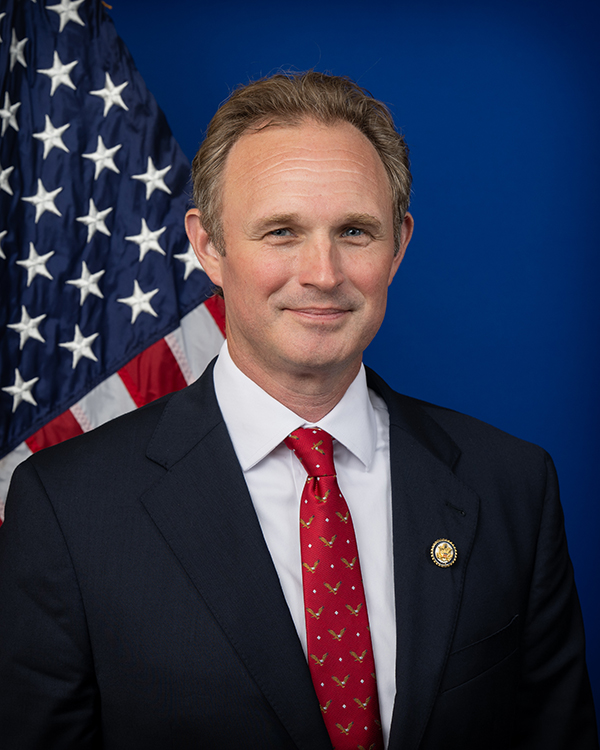
James Gallagher
James Gallagher House · District 1
R
Strong +
100% 3
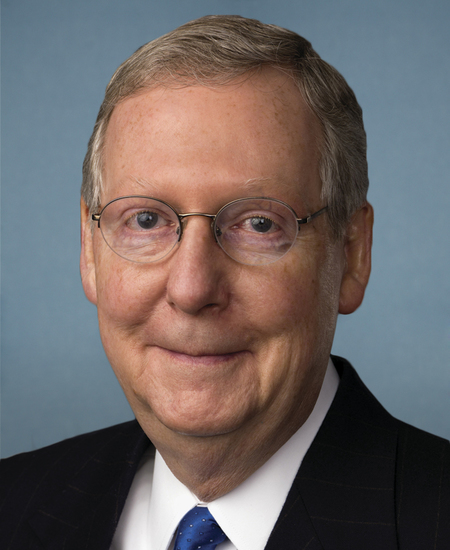
Mitch McConnell
Mitch McConnell Senate
R
Strong +
93% 28
AA
Alan Armstrong Senate
R
Strong +
86% 28
Bernie Moreno
Bernie Moreno Senate
R
Strong +
86% 28
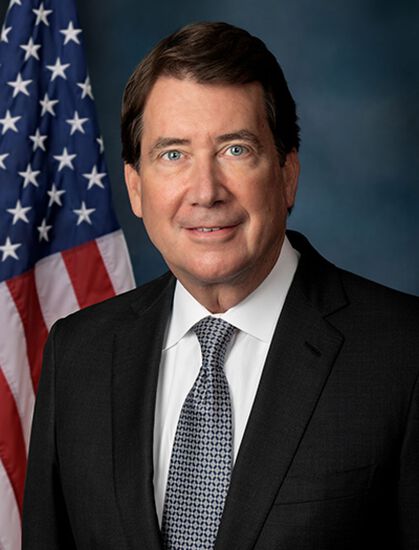
Bill Hagerty
Bill Hagerty Senate
R
Strong +
86% 28
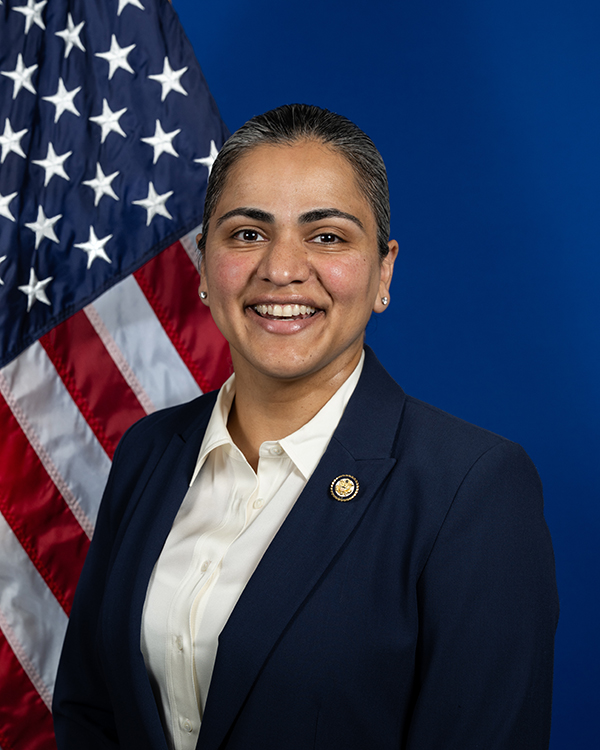
Aisha Wahab
Aisha Wahab House · District 14
D
Strong −
0% 3
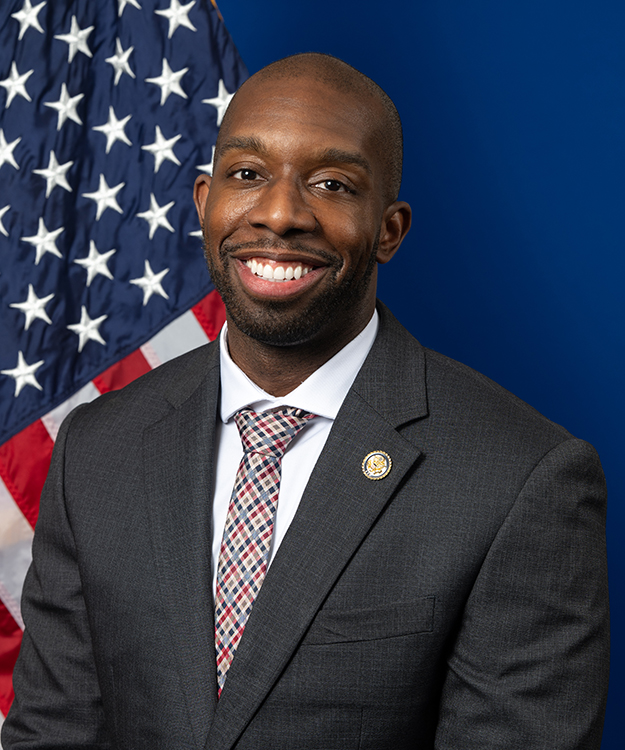
Everton Blair Jr.
Everton Blair Jr. House · District 13
D
Strong −
0% 3
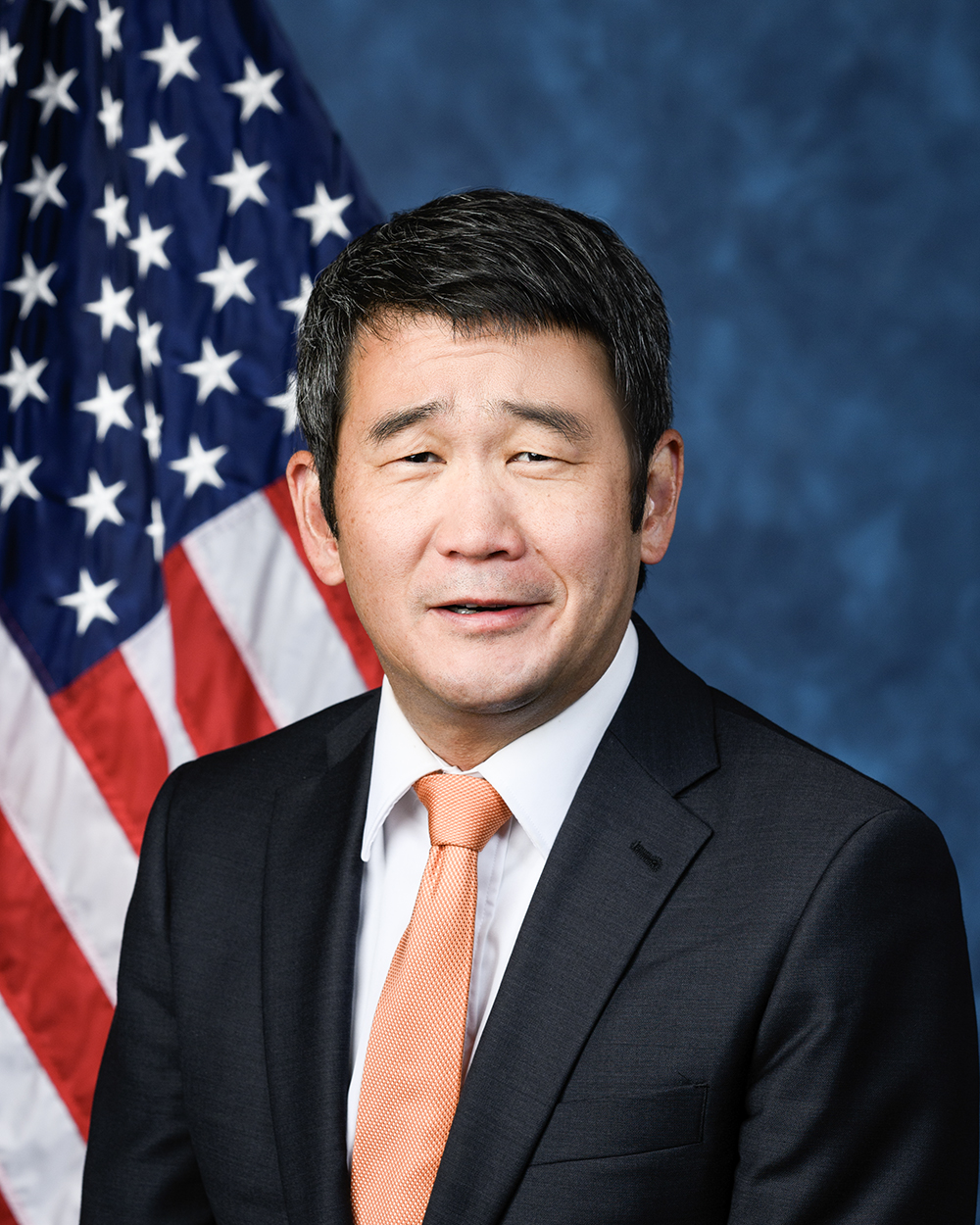
Dave Min
Dave Min House · District 47
D
Strong −
13% 15
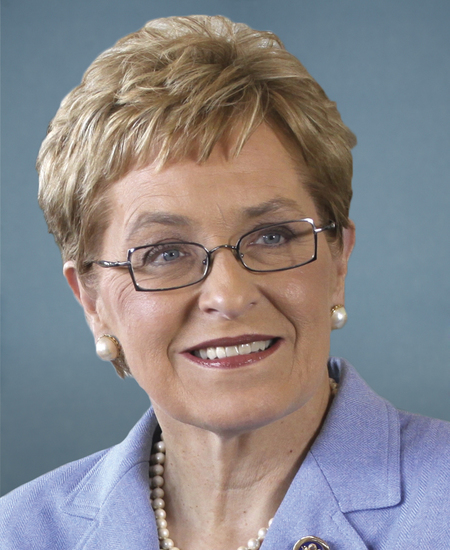
Marcy Kaptur
Marcy Kaptur House · District 9
D
Strong −
13% 15
Amy Klobuchar
Amy Klobuchar Senate
D
Strong −
14% 28
Showing 191–200 of 380 bills

All criminal justice bills

in committee · United States · House Feb 12, 2026

HR 7564: Jaime’s Law

HR 7564, "Jaime’s Law," amends federal law to require background checks for ammunition transfers between unlicensed individuals. It mandates that unlicensed people cannot directly buy or receive ammunition; instead, they must go through a licensed dealer who conducts background checks and provides required notices. The bill specifically exempts transfers between family members, law enforcement, temporary safety-related transfers, and certain sporting activities. It does not create a national ammunition registry and leaves state laws intact.
in committee · United States · House Jul 17, 2025

HR 4472: Stop COYOTES Act

The Stop COYOTES Act (HR 4472) increases penalties for certain crimes involving minors by adding up to 10 years in prison for offenders who commit felonies against children within 1,000 feet of schools, colleges, or youth facilities like playgrounds. It also raises maximum fines for fentanyl-related drug offenses under the Controlled Substances Act and requires federal agencies to share border crime data - including human trafficking, smuggling, and drug trafficking - with state and local law enforcement near U.S. borders. This bill directly affects individuals convicted of these specific offenses and mandates regular reports to Congress on border-related criminal activity.
in committee · United States · House Jul 25, 2025

HR 4755: LEO K9 Protection Act

This bill strengthens protections for police dogs and horses used in law enforcement by increasing penalties for harming them, including up to 15 years in prison for using deadly weapons. It requires the Transportation Secretary to create emergency medical guidelines for treating injured police animals and establish regulations allowing their transport to veterinary facilities without waiting for human patients. The rules ensure emergency medical personnel can provide care to police dogs during transport or at the scene of an incident. These changes apply to dogs and horses serving federal, state, or local law enforcement agencies in roles like crime detection, disaster response, or military operations.
in committee · United States · House Feb 6, 2025

HR 1064: Stopping Overdoses of Fentanyl Analogues Act

HR 1064, the "Stopping Overdoses of Fentanyl Analogues Act," adds all fentanyl-related substances to the federal Schedule I list of controlled substances without requiring separate listing. It defines these substances broadly as any chemical structure similar to fentanyl - such as modifications to its phenyl, piperidine, or aniline rings - to automatically cover new synthetic fentanyl analogues created by drug manufacturers. This change treats these substances as illegal fentanyl analogues under existing penalties, meaning law enforcement can prosecute them without proving they meet the current legal definition of a "controlled substance analogue." The bill directly affects drug manufacturers, distributors, and law enforcement by streamlining the regulation of new fentanyl-like compounds designed to evade current laws.
in committee · United States · House Jan 15, 2026

HR 7100: Sikh American Anti-Discrimination Act of 2026

HR 7100 establishes a Department of Justice Task Force on Anti-Sikh Hate and Discrimination to address systemic bias against Sikhs. The Task Force must draft a formal definition of anti-Sikh hate for DOJ use, develop educational programs for law enforcement and schools, and produce annual reports on hate crimes and trends. It requires quarterly collaboration with Sikh organizations and translation of materials into Punjabi. The bill directly affects Sikhs in the U.S. (who face disproportionate targeting as noted in FBI data) and mandates federal agencies to improve hate crime data collection and response. This is a policy-focused measure to standardize definitions, enhance reporting, and support community safety through DOJ action.
in committee · United States · House Jun 24, 2025

HR 4103: Break the Cycle of Violence Act

This bill creates federal funding for community-based violence intervention programs in high-violence areas, targeting communities with 35+ homicides annually or 20+ homicides with rates double the national average. It establishes grants for community organizations to implement trauma-informed violence interruption strategies, hospital-based programs for injured patients, and job training for "opportunity youth" (16-25 year olds not in school or work). The legislation authorizes $300 million in 2026, increasing to $700 million annually through 2033, with requirements for evidence-based approaches that reduce violence without contributing to mass incarceration. It creates a National Community Violence Response Center to coordinate data collection, research, and best practices for these programs. The focus is on prevention through economic opportunity, trauma care, and community-driven interventions rather than traditional law enforcement approaches.
passed · United States · House Sep 14, 2026

HR 6048: NDO Fairness Act of 2025

The NDO Fairness Act modifies federal law to establish a new court order process allowing law enforcement to delay notifying individuals when seeking electronic communications data (like emails or messages) under existing warrants or subpoenas. Courts must issue written findings showing specific, serious risks (such as endangering safety or destroying evidence) and limit delays to 90 days (or up to one year for child exploitation cases), with strict requirements for narrow tailoring. The bill mandates annual reports to Congress tracking usage, including how often delays are granted and whether they affect media or First Amendment activities. After delays expire, individuals can request copies of disclosed information within 180 days, though sensitive materials like child exploitation evidence may be redacted.
Sub-Topics Courts Law Enforcement Tags Civil Liberties
in committee · United States · House Feb 25, 2026

HR 7699: Tribal Police Department Parity Act

HR 7699, the Tribal Police Department Parity Act, removes barriers for tribal law enforcement by amending federal firearm and tax laws. It directly affects tribal police departments (as defined under the Indian Self-Determination Act) by allowing them to transfer, possess, and import firearms under the same rules that apply to state police. The bill amends Title 18 (firearm regulations) and the Internal Revenue Code to explicitly include "Indian Tribe" in provisions about firearm transfers and tax exemptions. This ensures tribal departments can access necessary equipment without additional restrictions and qualify for tax exemptions previously limited to state entities. The changes apply to firearms transferred or made after the bill’s enactment.
Sub-Topics Drug Policy Firearms Law Enforcement Tags Tribal Nations
in committee · United States · House Jul 29, 2025

HR 4811: Cell-Site Simulator Warrant Act of 2025

The Cell-Site Simulator Warrant Act of 2025 requires law enforcement agencies to obtain warrants before using cell-site simulators (devices that mimic cell towers to track or intercept phone communications), with strict requirements for demonstrating necessity and minimizing disruption to communications. The bill prohibits most uses of these devices without a warrant, including the use of evidence obtained through unauthorized surveillance, and establishes specific procedures for emergency use with subsequent warrant applications within 48 hours. It requires transparency about potential disruption to emergency services (including 911 calls) and mandates regular reporting on usage to Congress. The law applies to federal and state law enforcement, with specific exceptions for intelligence gathering, research, and correctional facility contraband interdiction systems.
in committee · United States · House Feb 2, 2026

HR 7285: Bulletproof Law Enforcement Vehicles Act

This bill amends the Homeland Security Act of 2002 to authorize U.S. Department of Homeland Security (DHS) funds to cover bulletproof vehicle upgrades, including windows, for law enforcement agencies. It specifically adds a new provision (subsection (e)) allowing the use of existing financial assistance under Section 432 for these security enhancements. The policy change directly affects law enforcement agencies receiving DHS vehicle security funding, expanding eligible uses of those funds. It does not create new funding but clarifies that bulletproofing vehicles is now permitted under current program rules. The bill focuses on concrete eligibility changes for existing federal assistance programs.
Sub-Topics Law Enforcement
Showing 191 to 200 of 380 bills
Previous 1 … 19 20 21 … 38 Next