Issue · Criminal Justice

Criminal Justice (Sentencing)

Every criminal justice bill, vote, and legislator stance in United States, automatically classified by Maddy, our AI policy reader.

Total bills
40
119th Congress
Top supporter
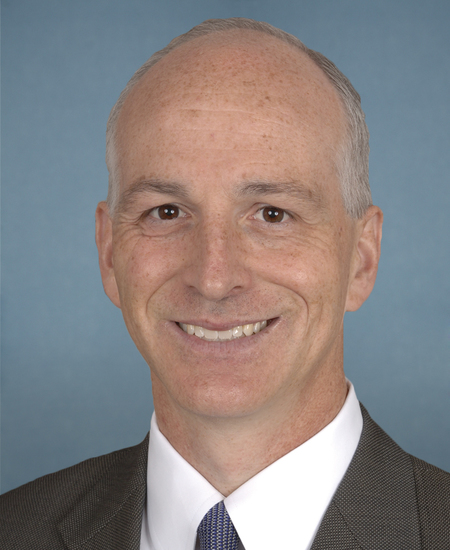
Adam Smith
100% support rate
Top opponent
Aaron Bean
0% support rate
Ranked legislators
10
5 support · 5 oppose
Key legislators

Who's moving sentencing in United States

Legislators moving sentencing in United States
Legislator Party Stance Support rate Votes
Adam Smith
Adam Smith House · District 9
D
Strong +
100% 3
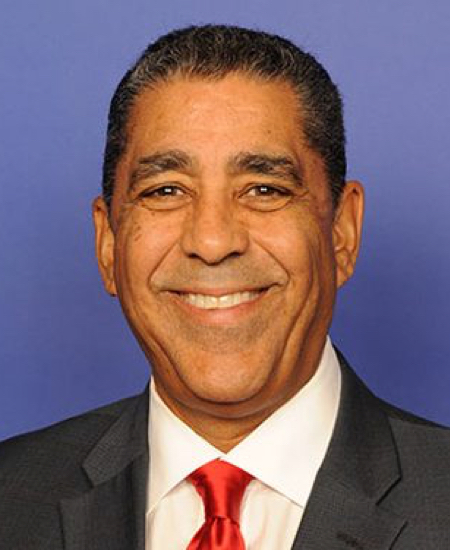
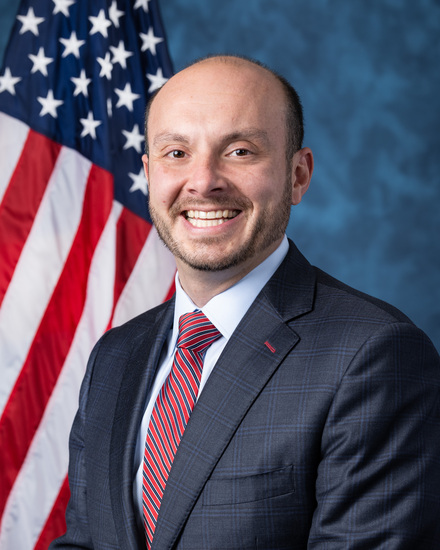
Adriano Espaillat
Adriano Espaillat House · District 13
D
Strong +
100% 3
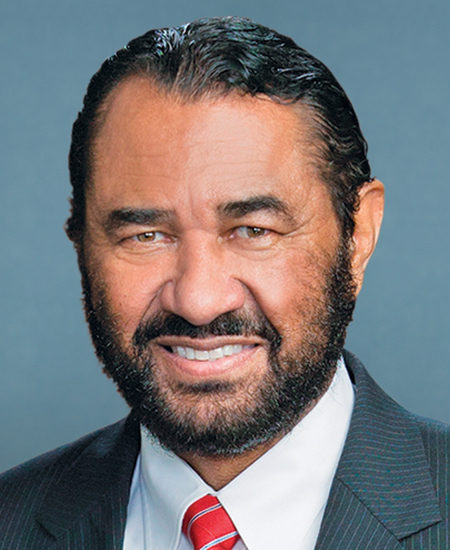
Al Green
Al Green House · District 9
D
Strong +
100% 3
Alexandria Ocasio-Cortez
Alexandria Ocasio-Cortez House · District 14
D
Strong +
100% 3
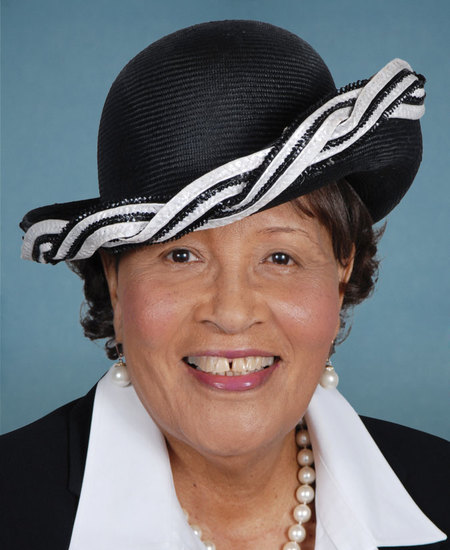
Alma S. Adams
Alma S. Adams House · District 12
D
Strong +
100% 3
Aaron Bean
Aaron Bean House · District 4
R
Strong −
0% 3
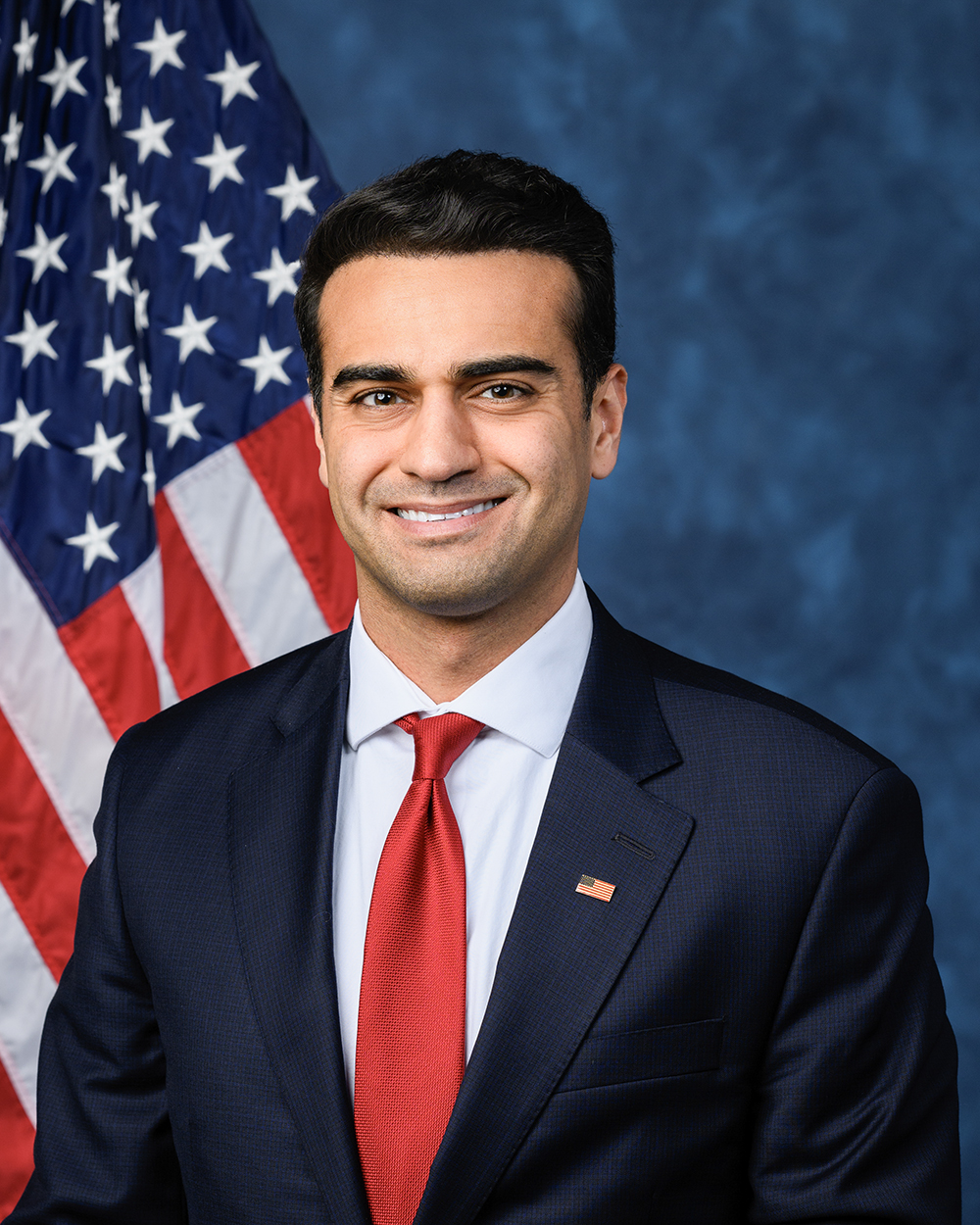
Abraham J. Hamadeh
Abraham J. Hamadeh House · District 8
R
Strong −
0% 3
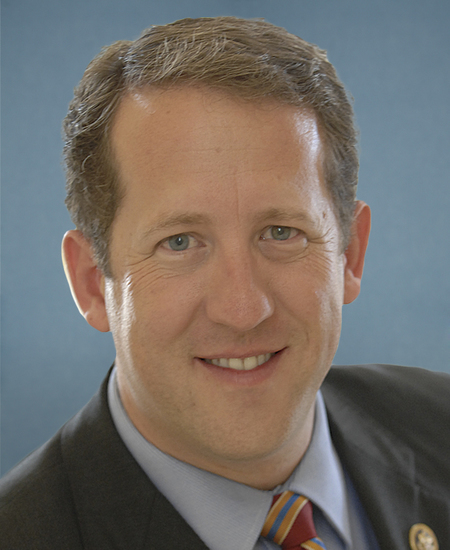
Adrian Smith
Adrian Smith House · District 3
R
Strong −
0% 3
Andrew Ogles
Andrew Ogles House · District 5
R
Strong −
0% 3
Andrew R. Garbarino
Andrew R. Garbarino House · District 2
R
Strong −
0% 3
Showing 11–20 of 40 bills

All criminal justice bills

in committee · United States · Senate Apr 30, 2026

S 4446: PRESS Act

The PRESS Act amends federal law to make it illegal to manufacture or distribute specific equipment used to produce drugs if the seller knows it will be used for unlawful importation into the United States. This legislation targets items such as tableting machines, encapsulating machines, and gelatin capsules, extending criminal liability to manufacturers and distributors involved in the supply chain for illegal drug production. Violators of these provisions face potential fines and prison sentences ranging from ten to twenty years, depending on the type of chemical involved and the quantity of equipment. Additionally, the bill requires the United States Sentencing Commission to update federal sentencing guidelines to align with these new penalties.
Sub-Topics Corrections Sentencing
passed · United States · House May 13, 2026

HR 8352: Criminal History Access Act of 2026

The Criminal History Access Act expands the types of government entities that can receive criminal history records from the Federal Bureau of Investigation (FBI) for official use. It specifically allows the FBI to share these records with the United States Sentencing Commission, State sentencing commissions, Indian tribes, and State peace officer standards and training agencies. These State agencies are defined as those with statutory authority to set standards for law enforcement hiring, training, and ethical conduct. The bill also broadens the definition of "State" for these purposes to include U.S. territories, and requires the Attorney General to update regulations to reflect these changes within 180 days.
in committee · United States · Senate Mar 2, 2026

S 3960: Smarter Pretrial Detention for Drug Charges Act of 2026

This bill would allow federal judges more flexibility in deciding whether to keep defendants in jail before trial when they are charged with nonviolent drug crimes. It changes existing federal law by removing a specific provision that currently requires courts to consider certain factors when making pretrial detention decisions for these cases. The changes would apply to all federal criminal cases involving nonviolent drug offenses, giving judges broader authority to release defendants on bail or other conditions instead of holding them without bail. The legislation does not affect violent crimes or other types of offenses outside the scope of nonviolent drug charges.
in committee · United States · Senate Mar 2, 2026

S 3959: Smarter Sentencing Act of 2026

The Smarter Sentencing Act of 2026 reduces mandatory minimum prison sentences for certain federal drug offenses involving couriers who only transport or store drugs or money. Under the bill, couriers face reduced minimum sentences of 5 years instead of 10 years for major drug offenses, and 2 years instead of 5 years for lesser offenses, while maintaining longer sentences for repeat offenders or those with serious prior convictions. The law applies to cases sentenced after enactment and allows courts to reduce sentences for past cases upon motion. The bill also directs the Sentencing Commission to update sentencing guidelines within 120 days and requires the Attorney General to report on how cost savings from reduced sentences will be used to address prison overcrowding and improve law enforcement spending.
in committee · United States · Senate Mar 18, 2026

S 4136: Sentencing Commission Improvements Act

This bill would add a second nonvoting member to the United States Sentencing Commission, bringing the total number of nonvoting members to two. The new member would be a federal public defender or community defender appointed by the Defender Services Office of the Administrative Office of the United States Courts. This change would allow defense attorneys to participate in sentencing guidelines discussions without having voting power on the commission. The bill also updates the total membership count to reflect the addition of this second nonvoting position.
Sub-Topics Judges Sentencing
in committee · United States · House Mar 26, 2026

HR 3420: Words Matter Act of 2025

HR 3420, the Words Matter Act of 2025, updates federal law to replace the terms "mentally retarded" and "mental retardation" with "intellectual disability" across numerous statutes. It amends over 20 provisions in laws governing healthcare (like the Social Security Act and Indian Health Care Improvement Act), disability services, criminal justice, and federal programs to use more respectful and current terminology. The bill specifically targets definitions in areas such as medical care for families, nursing home regulations, legal sentencing, and grant programs, ensuring consistent language for individuals with intellectual disabilities. The legislation explicitly states this terminology change is purely linguistic and does not alter eligibility, coverage, or rights for affected individuals.
Sub-Topics Sentencing Long-Term Care Tags People with Disabilities
in committee · United States · House Jan 13, 2026

HR 5068: MORE Act

The MORE Act (HR 5068) would remove cannabis from the federal list of controlled substances, effectively decriminalizing it at the federal level while establishing a new tax on cannabis products. The bill creates an Opportunity Trust Fund that would distribute tax revenues to support communities disproportionately impacted by cannabis prohibition, including funding for expungement programs, job training, and equitable licensing initiatives for minority business owners. It also includes provisions to prevent discrimination based on cannabis use in federal programs, immigration proceedings, and workplace policies. The bill would require federal courts to expunge non-violent cannabis convictions and establish a process for resentencing individuals currently serving time for such offenses. These provisions aim to address racial disparities in cannabis enforcement and create more equitable opportunities in the legal cannabis industry.
in committee · United States · House Feb 4, 2025

HR 920: Federal Initiative to Guarantee Health by Targeting Fentanyl Act

HR 920, the *Federal Initiative to Guarantee Health by Targeting Fentanyl Act*, expands the definition of illegal substances under the Controlled Substances Act to include all fentanyl-related substances and their chemical variations, such as structural modifications to the phenyl, piperidine, or aniline rings. This directly affects individuals and entities producing, distributing, or possessing these substances, including many synthetic opioids. The bill removes mandatory minimum prison sentences for offenses involving these newly classified substances. It aims to more broadly criminalize fentanyl variants by defining them through chemical structure rather than specific compounds. The law amends Schedule I of the Controlled Substances Act and Section 401(b)(1)(C) of the Controlled Substances Act.
in committee · United States · Senate Feb 6, 2025

S 463: Protect Our Letter Carriers Act of 2025

This bill directs $1.4 billion annually (2025-2029) to upgrade U.S. Postal Service mailboxes with high-security models and replace physical "arrow keys" with electronic locks, directly affecting postal carriers and mail collection points. It requires the Attorney General to appoint dedicated prosecutors in each judicial district to coordinate investigations and prosecutions of crimes against postal employees, including assaults or robberies. The bill also mandates the U.S. Sentencing Commission to amend guidelines so that assaults or robberies against postal employees are treated with the same severity as assaults against law enforcement officers. These changes aim to enhance physical security, improve legal responses to violence, and increase penalties for attacks on postal workers.
in committee · United States · House Jan 13, 2025

HR 350: Prosecutors Need to Prosecute Act

HR 350, the "Prosecutors Need to Prosecute Act," requires district attorneys in jurisdictions with 380,000 or more residents that receive federal Byrne grant funds to submit annual reports to the Attorney General. The reports must detail how many cases involving serious crimes - like murder, robbery, aggravated assault, and gun offenses - they referred for prosecution, declined, or resolved via plea deals, including data on repeat offenders and bail decisions. The Attorney General will establish uniform reporting standards and share the collected data with Congress and the public via a website. This bill directly affects large prosecutor offices receiving federal crime-fighting funds, aiming to increase transparency in prosecution practices for specific violent and property crimes.
Showing 11 to 20 of 40 bills
Previous 1 2 3 4 Next