Issue · Criminal Justice

Criminal Justice

Every criminal justice bill, vote, and legislator stance in United States, automatically classified by Maddy, our AI policy reader.

Total bills
301
119th Congress
Top supporter
Alan Armstrong
86% support rate
Top opponent
Amy Klobuchar
13% support rate
Ranked legislators
10
5 support · 5 oppose
Key legislators

Who's moving criminal justice in United States

Legislators moving criminal justice in United States
Legislator Party Stance Support rate Decisive votes
AA
Alan Armstrong Senate
R
Strong +
86% 28
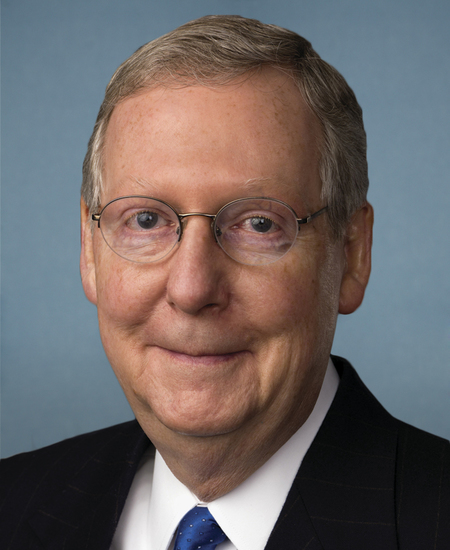
Mitch McConnell
Mitch McConnell Senate
R
Strong +
84% 31
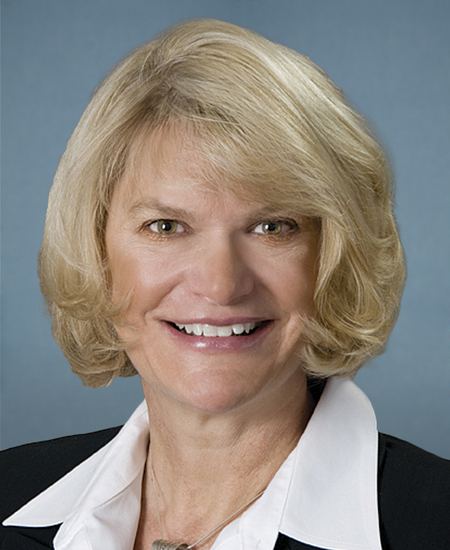
Cynthia M. Lummis
Cynthia M. Lummis Senate
R
Strong +
80% 30
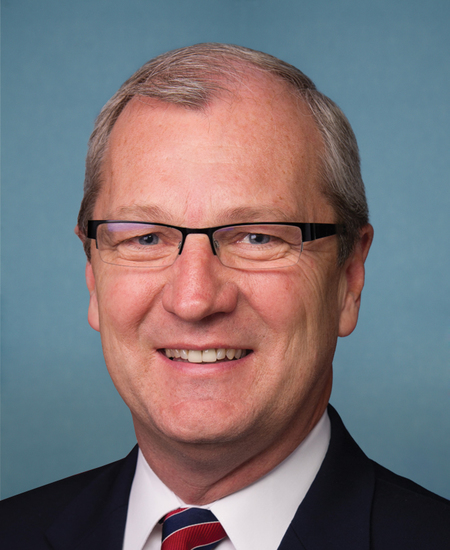
Kevin Cramer
Kevin Cramer Senate
R
Strong +
80% 30
Bernie Moreno
Bernie Moreno Senate
R
Support
77% 31
Amy Klobuchar
Amy Klobuchar Senate
D
Strong −
13% 31
Catherine Cortez Masto
Catherine Cortez Masto Senate
D
Strong −
13% 31
Margaret Wood Hassan
Margaret Wood Hassan Senate
D
Strong −
13% 31
Andy Kim
Andy Kim Senate
D
Strong −
16% 31
Angus S. King, Jr.
Angus S. King, Jr. Senate
I
Strong −
16% 31
Showing 151–160 of 301 bills

All criminal justice bills

in committee · United States · Senate Sep 2, 2025

S 2687: CLEAN DC Act

S 2687, the CLEAN DC Act, repeals the Comprehensive Policing and Justice Reform Amendment Act of 2022 (D.C. Law 24-345). This bill directly affects Washington, D.C.'s policing laws and regulations by restoring all prior legal provisions that were amended or repealed by the 2022 law. The key mechanism is a straightforward repeal, returning the District's policing framework to its pre-2022 state without creating new policies. The bill does not introduce new provisions but reverses specific changes enacted in 2022.
in committee · United States · House Aug 5, 2025

HR 4878: MOSSA Act

The MOSSA Act (HR 4878) directs federal agencies to prioritize funding for local governments enforcing laws against public drug use, camping, and loitering, while requiring homelessness programs to link participants with mental health/substance use treatment as a condition of aid. It mandates that federal grant programs for homelessness services end support for "housing first" approaches and "harm reduction" initiatives, instead requiring evidence-based treatment programs and stricter accountability for service providers. The bill also directs agencies to address sex offenders in homeless programs by restricting their housing with children and to review funding recipients operating drug injection sites for legal violations. These provisions collectively shift federal funding toward enforcement-focused and treatment-oriented homelessness strategies, affecting state/local governments, homeless service providers, and individuals accessing federal housing assistance.
passed · United States · House Mar 2, 2026

HR 6719: James T. Woods Act

James T. Woods Act This bill expands the federal framework for combating the online exploitation of children. Among its provisions, the bill establishes new criminal offenses, expands reporting requirements, and facilitates the prosecution and sentencing of offenders.   TITLE I—SAFE ACT Sentencing Accountability For Exploitation Act or the SAFE Act This title directs the U.S. Sentencing Commission to review and amend its guidelines and policy statements applicable to federal criminal offenses involving the production, receipt, transport, shipment, or distribution of child sexual abuse material to (1) account for the actual and potential harm from the offense and changes since the last amendments with respect to the typical offense behavior and modern technologies, and (2) better reflect the spectrum of offender culpability. TITLE II—ENDING COERCION OF CHILDREN AND HARM ONLINE Ending Coercion of Children and Harm Online Act or the ECCHO Act This title establishes a federal framework to combat the online coercion of minors to commit harm. The title creates new criminal offenses, expands reporting of instances involving the online coercion of minors, facilitates the prosecution of offenders, and expands protections for minors who testify in court.   TITLE III—STOP SEXTORTION Stop Sextortion Act This title criminalizes threats to distribute child sexual abuse material to intimidate, coerce, extort, or cause substantial emotional distress. This practice is commonly referred to as sextortion . The title also increases criminal penalties for related offenses that involve the use of child sexual abuse material to intimidate, coerce, extort, or cause substantial emotional distress.
in committee · United States · House Jul 17, 2025

HR 4472: Stop COYOTES Act

The Stop COYOTES Act (HR 4472) increases penalties for certain crimes involving minors by adding up to 10 years in prison for offenders who commit felonies against children within 1,000 feet of schools, colleges, or youth facilities like playgrounds. It also raises maximum fines for fentanyl-related drug offenses under the Controlled Substances Act and requires federal agencies to share border crime data - including human trafficking, smuggling, and drug trafficking - with state and local law enforcement near U.S. borders. This bill directly affects individuals convicted of these specific offenses and mandates regular reports to Congress on border-related criminal activity.
in committee · United States · House Feb 6, 2025

HR 1064: Stopping Overdoses of Fentanyl Analogues Act

HR 1064, the "Stopping Overdoses of Fentanyl Analogues Act," adds all fentanyl-related substances to the federal Schedule I list of controlled substances without requiring separate listing. It defines these substances broadly as any chemical structure similar to fentanyl - such as modifications to its phenyl, piperidine, or aniline rings - to automatically cover new synthetic fentanyl analogues created by drug manufacturers. This change treats these substances as illegal fentanyl analogues under existing penalties, meaning law enforcement can prosecute them without proving they meet the current legal definition of a "controlled substance analogue." The bill directly affects drug manufacturers, distributors, and law enforcement by streamlining the regulation of new fentanyl-like compounds designed to evade current laws.
in committee · United States · House Jan 31, 2025

HR 830: SAFE Act

The SAFE Act creates a new category of "fentanyl-related substances" that would automatically be controlled under Schedule I of the Controlled Substances Act based on specific chemical modifications to fentanyl. This affects anyone involved in the production, distribution, or use of substances meeting this broad definition. The bill establishes a process for removing or rescheduling these substances if they're determined to have less potential for abuse than Schedule I substances, and allows courts to review past convictions involving substances that have since been removed from this category. It also creates new research procedures for Schedule I substances and requires a GAO report analyzing the law's implementation and impact within four years.
Sub-Topics Drug Policy Sentencing
in committee · United States · Senate Jan 16, 2025

S 115: GATE CRASHERS Act

S 115, the GATE CRASHERS Act, makes it a federal crime to enter clearly marked restricted or closed Department of Defense (DOD) property without authorization. The bill creates new penalties under Title 18: up to 180 days in jail for a first offense, up to 3 years for a second offense, and up to 10 years for a third or subsequent offense. It directly affects individuals who trespass on DOD facilities despite clear signage restricting access. The law applies to all property under DOD jurisdiction that is marked as closed or restricted, with penalties escalating for repeat violations. This bill does not alter existing DOD security protocols but establishes specific criminal penalties for unauthorized access.
Sub-Topics Corrections
passed · United States · House Sep 14, 2026

HR 6048: NDO Fairness Act of 2025

The NDO Fairness Act modifies federal law to establish a new court order process allowing law enforcement to delay notifying individuals when seeking electronic communications data (like emails or messages) under existing warrants or subpoenas. Courts must issue written findings showing specific, serious risks (such as endangering safety or destroying evidence) and limit delays to 90 days (or up to one year for child exploitation cases), with strict requirements for narrow tailoring. The bill mandates annual reports to Congress tracking usage, including how often delays are granted and whether they affect media or First Amendment activities. After delays expire, individuals can request copies of disclosed information within 180 days, though sensitive materials like child exploitation evidence may be redacted.
Sub-Topics Courts Law Enforcement Tags Civil Liberties
in committee · United States · Senate May 7, 2025

S 1652: Protecting Communities and Preserving the Second Amendment Act of 2025

The Protecting Communities and Preserving the Second Amendment Act of 2025 improves the National Instant Criminal Background Check System (NICS) by requiring federal agencies to share mental health records and implementing accountability measures for grant recipients. It increases penalties for illegal firearm purchases, establishes new programs to prosecute gun violence in high-violence jurisdictions (including a "Nationwide Project Exile Expansion"), and creates regional task forces to combat firearms trafficking. The bill clarifies definitions related to mental health restrictions on firearm possession and modifies rules for interstate transportation of firearms under certain conditions. It also mandates a study on the causes of mass shootings and requires reports on ammunition purchases by federal agencies.
Sub-Topics Drug Policy Firearms
in committee · United States · House Jun 13, 2025

HR 4014: Preventing Lethal Agricultural and National Threats (PLANT) Act

The PLANT Act makes it a federal crime to import high-risk agricultural pathogens - such as harmful bacteria, viruses, or pests - without a U.S. Department of Agriculture permit. It directly affects importers, including businesses or individuals bringing in biological agents that could damage U.S. crops, livestock, or ecosystems. Violations carry up to 10 years in prison, with penalties increasing to 20 years if the offense involves concealing the pathogen’s origin, foreign government involvement, or over $1 million in economic harm. The Secretary of Agriculture will define "high-risk" pathogens through future regulations.
Sub-Topics Corrections
Showing 151 to 160 of 301 bills
Previous 1 … 15 16 17 … 31 Next