Issue · Criminal Justice

Criminal Justice (Law Enforcement)

Every criminal justice bill, vote, and legislator stance in United States, automatically classified by Maddy, our AI policy reader.

Total bills
318
119th Congress
Top supporter
James Gallagher
100% support rate
Top opponent
Aisha Wahab
0% support rate
Ranked legislators
10
5 support · 5 oppose
Key legislators

Who's moving law enforcement in United States

Legislators moving law enforcement in United States
Legislator Party Stance Support rate Decisive votes
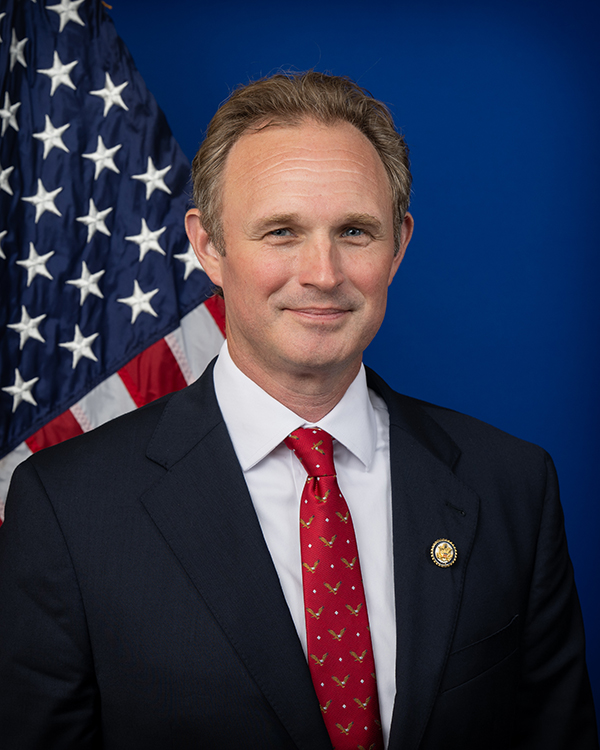
James Gallagher
James Gallagher House · District 1
R
Strong +
100% 3
Mitch McConnell
Mitch McConnell Senate
R
Strong +
93% 28
AA
Alan Armstrong Senate
R
Strong +
86% 28
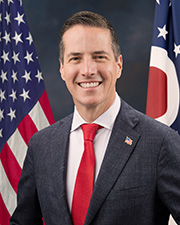
Bernie Moreno
Bernie Moreno Senate
R
Strong +
86% 28
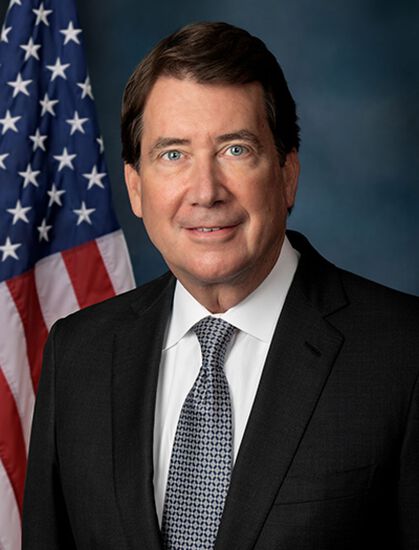
Bill Hagerty
Bill Hagerty Senate
R
Strong +
86% 28
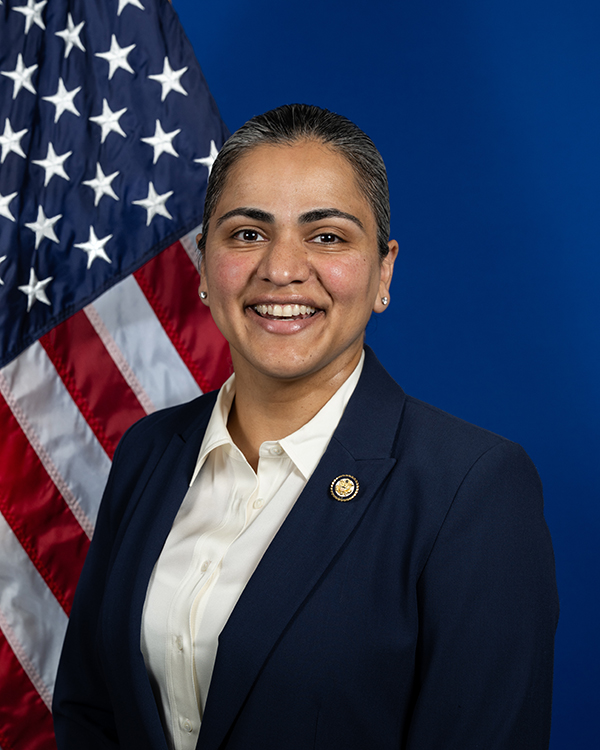
Aisha Wahab
Aisha Wahab House · District 14
D
Strong −
0% 3
Everton Blair Jr.
Everton Blair Jr. House · District 13
D
Strong −
0% 3
Dave Min
Dave Min House · District 47
D
Strong −
13% 15
Marcy Kaptur
Marcy Kaptur House · District 9
D
Strong −
13% 15
Amy Klobuchar
Amy Klobuchar Senate
D
Strong −
14% 28
Showing 111–120 of 318 bills

All criminal justice bills

in committee · United States · House Jun 17, 2025

HR 4031: Caribbean Basin Security Initiative Authorization Act

This bill authorizes $88 million annually (2025-2029) for the Caribbean Basin Security Initiative, targeting 13 Caribbean nations including Jamaica, Haiti, and the Dominican Republic. It focuses on countering transnational crime, strengthening local law enforcement and justice systems, and building community safety programs - particularly for at-risk youth - while monitoring security assistance from authoritarian regimes like China and Russia. Key mechanisms include funding maritime interdiction equipment, anti-corruption training for prosecutors, disaster resilience planning, and cross-border police cooperation. The initiative requires annual progress reports to Congress and mandates coordination between U.S. agencies to avoid duplication of efforts.
in committee · United States · House Feb 11, 2025

HR 1218: SHIELD Act of 2025

This bill prohibits non-consensual distribution of intimate images (like photos showing genitals or sexual activity) created in private settings without the subject's consent, if the distribution causes psychological, financial, or reputational harm. It specifically bans sharing nude images of minors with abusive intent. Exceptions cover law enforcement, journalism, medical use, and legal proceedings. Violations carry up to 2 years in prison for non-consensual adult images or 3 years for minor-related offenses.
in committee · United States · House Jan 30, 2026

HR 7284: ICE OUT Act

HR 7284, the ICE OUT Act, modifies legal protections for U.S. Immigration and Customs Enforcement (ICE) and U.S. Customs and Border Protection (CBP) agents during law enforcement actions. It eliminates qualified immunity for agents accused of using excessive force violating the Fourth Amendment, meaning such claims can no longer be dismissed based on immunity. For other cases, agents can only claim immunity if their actions matched clearly established constitutional rights at the time of the incident. The bill requires courts to first determine if constitutional rights were violated before assessing whether those rights were "clearly established," shifting the legal standard in civil lawsuits against these agents. This directly affects ICE and CBP officers facing civil rights lawsuits related to enforcement activities.
in committee · United States · House May 23, 2025

HR 3601: National ACERT Grant Program Authorization Act

This bill authorizes a new federal grant program to help communities address children's exposure to trauma. It provides $10 million annually (2026-2029) for grants to states, local governments, tribes, and community groups to establish "adverse childhood experiences response teams." These teams would coordinate services by creating trauma-informed protocols, building partnerships with mental health providers, training first responders, and improving access to care for affected children. The program focuses on cross-system collaboration between law enforcement, schools, health services, and social programs to support children exposed to trauma.
passed · United States · House Sep 18, 2025

HR 5143: District of Columbia Policing Protection Act of 2025

This bill amends Washington, D.C.'s policing law to change rules for police vehicle pursuits. It removes previous restrictions on pursuits and requires officers to only pursue a suspect if they reasonably believe it won't create unacceptable risk to others or be futile, or if another method would be more effective. The bill also mandates a Department of Justice report within three years evaluating technology like PursuitAlert that alerts the public during police pursuits. These changes directly affect D.C. police officers making real-time decisions during vehicle chases. The law updates existing policy without altering other policing standards.
in committee · United States · House Jun 6, 2025

HR 3811: Elder Pride Protection Act of 2025

The Elder Pride Protection Act of 2025 establishes a federal task force (the ELDER Task Force) within the Department of Justice to address elder abuse targeting LGBTQI+ individuals. The task force, created within 90 days of the bill’s passage, will study the rise in such abuse, develop national best practices for law enforcement, and create educational materials for prevention and response. It will coordinate efforts across local, state, and federal agencies and submit a report to Congress within one year. The bill directly affects older LGBTQI+ adults (aged 60+) facing abuse, which includes physical, sexual, emotional, or financial harm, but does not create new funding or penalties.
Sub-Topics Law Enforcement
in committee · United States · House Mar 6, 2025

HR 1941: Preventing Deepfakes of Intimate Images Act

This bill prohibits the non-consensual sharing of digitally manipulated intimate images (deepfakes) of identifiable people. It creates a civil right for victims to sue individuals who distribute such images without consent, allowing claims for actual damages, $150,000 in liquidated damages, or punitive damages, plus attorney fees. Criminal penalties up to 10 years in prison apply for malicious disclosure intended to harass, harm reputation, or facilitate violence. Exceptions include disclosures to law enforcement for investigations, legitimate public interest matters (excluding mere public figure status), or efforts to assist the victim. The law specifically defines "intimate digital depictions" to include explicit body parts, sexual fluids, or sexual conduct in manipulated images.
in committee · United States · House Apr 9, 2025

HR 2787: Warrant for Metadata Act

HR 2787, the Warrant for Metadata Act, requires law enforcement to obtain a warrant before accessing metadata (like email sender/recipient information or phone call details) from electronic communication providers, regardless of how long the data has been stored. This applies to government entities seeking metadata for subscribers or customers, excluding the actual content of communications. The bill amends existing law to replace the previous exception for data stored over 180 days with a uniform warrant requirement, using standard judicial procedures. It directly affects law enforcement agencies and service providers when accessing non-content user data. The change applies prospectively, with prior disclosures unaffected but subsequent requests for expanded access now requiring a warrant.
Sub-Topics Law Enforcement
in committee · United States · House May 13, 2025

HR 3373: GHOST Act of 2025

HR 3373, the GHOST Act of 2025, requires entities shipping certain firearm parts (barrels, slides, or bolts) across state lines to register shipments with the Attorney General within 5 business days. This includes providing sender/recipient details, shipping method, and proof of delivery via certified mail or recipient signature. The bill creates a confidential database for law enforcement access but prohibits public disclosure under the Freedom of Information Act. Violations carry fines or up to 1 year in prison for single shipments, and up to 10 years for shipping 50+ parts in one transaction.
in committee · United States · House Apr 9, 2025

HR 2285: DHS Basic Training Accreditation Improvement Act of 2025

This bill requires the Department of Homeland Security (DHS) to annually report to Congress on the accreditation status of all its basic training programs for entry-level law enforcement roles. The reports must include details like accreditation dates, reasons for lack of accreditation, assigned accreditation managers, and timelines to achieve it - ending once all programs are accredited. It also mandates immediate notification to Congress if a program loses accreditation, including reasons and plans to regain it. Additionally, the bill directs DHS to research better ways to provide training access to state, local, tribal, and territorial law enforcement, especially in rural areas.
Sub-Topics Law Enforcement
Showing 111 to 120 of 318 bills
Previous 1 … 11 12 13 … 32 Next