Issue · Criminal Justice

Criminal Justice (Law Enforcement)

Every criminal justice bill, vote, and legislator stance in United States, automatically classified by Maddy, our AI policy reader.

Total bills
380
119th Congress
Top supporter
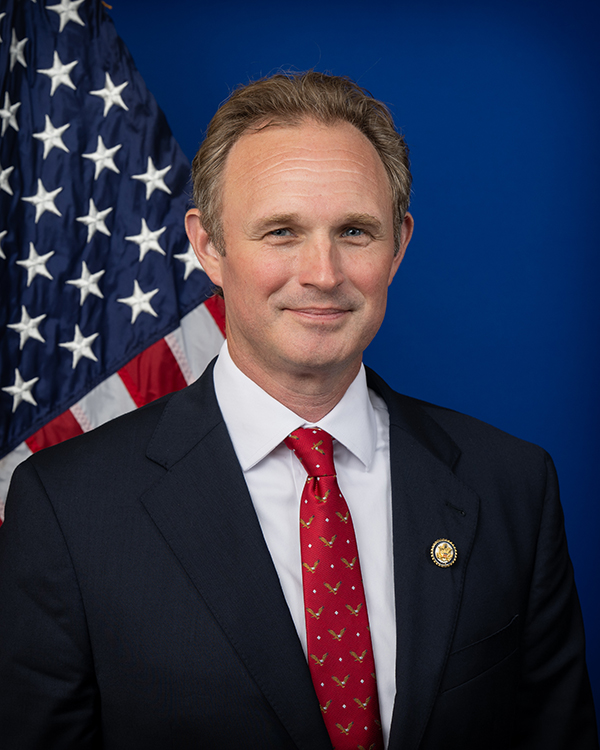
James Gallagher
100% support rate
Top opponent
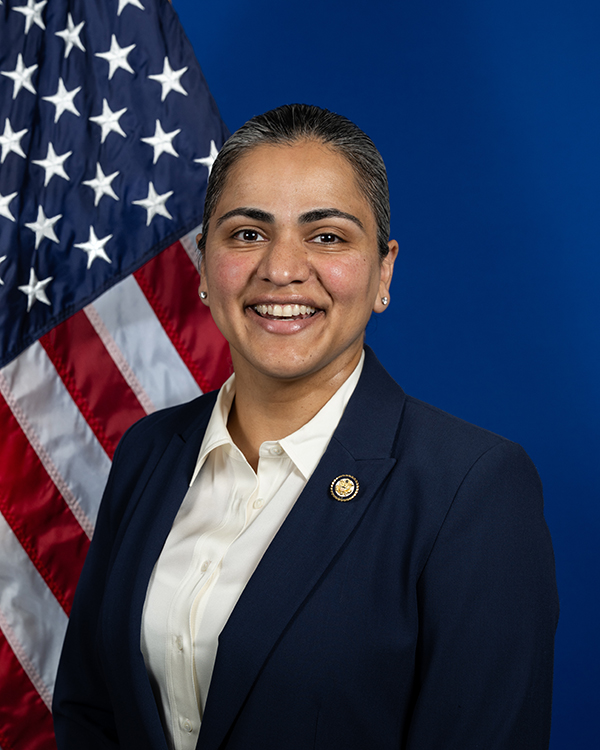
Aisha Wahab
0% support rate
Ranked legislators
10
5 support · 5 oppose
Key legislators

Who's moving law enforcement in United States

Legislators moving law enforcement in United States
Legislator Party Stance Support rate Decisive votes
James Gallagher
James Gallagher House · District 1
R
Strong +
100% 3
Mitch McConnell
Mitch McConnell Senate
R
Strong +
93% 28
AA
Alan Armstrong Senate
R
Strong +
86% 28
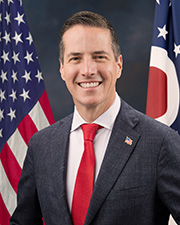
Bernie Moreno
Bernie Moreno Senate
R
Strong +
86% 28
Bill Hagerty
Bill Hagerty Senate
R
Strong +
86% 28
Aisha Wahab
Aisha Wahab House · District 14
D
Strong −
0% 3
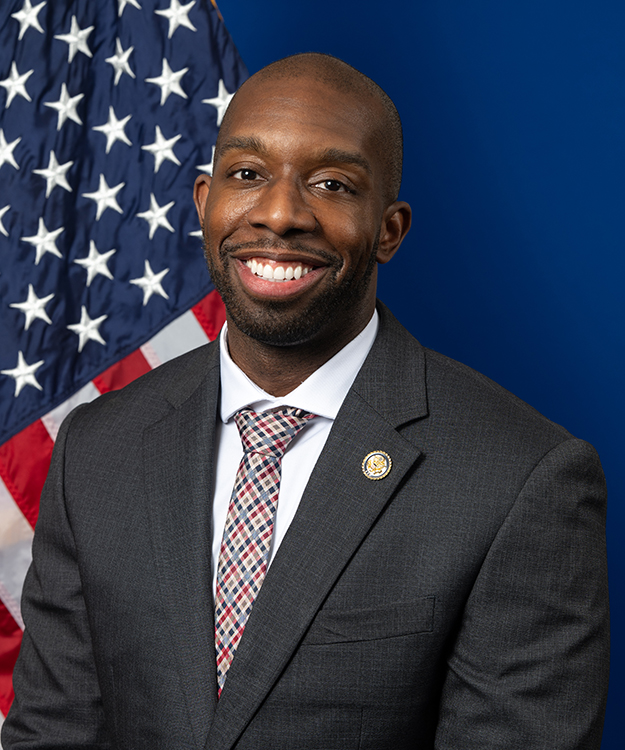
Everton Blair Jr.
Everton Blair Jr. House · District 13
D
Strong −
0% 3
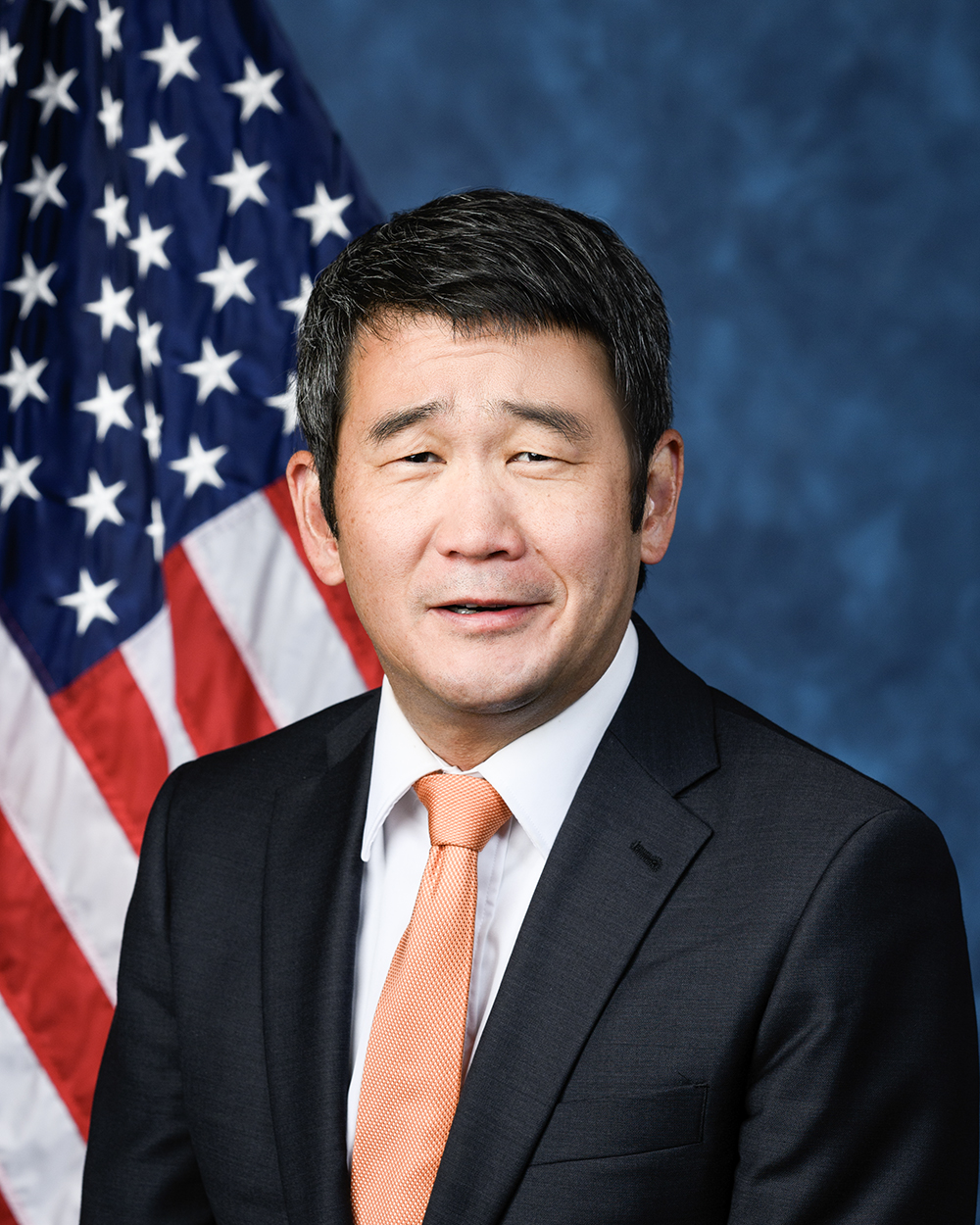
Dave Min
Dave Min House · District 47
D
Strong −
13% 15
Marcy Kaptur
Marcy Kaptur House · District 9
D
Strong −
13% 15
Amy Klobuchar
Amy Klobuchar Senate
D
Strong −
14% 28
Showing 101–110 of 380 bills

All criminal justice bills

in committee · United States · House May 13, 2026

HR 8796: Federal Halo Act

The Federal Halo Act creates a new federal crime for approaching or staying within 15 feet of a law enforcement officer after receiving a verbal warning to stop. This provision applies to any individual who knowingly violates such a warning with the intent to interfere with the officer's duties, threaten them, or harass them. The bill defines harassment as a course of conduct that intentionally causes substantial emotional distress to the officer without a legitimate purpose. Anyone convicted of this offense could face a fine, up to five years in prison, or both penalties.
passed · United States · House May 13, 2026

HR 8352: Criminal History Access Act of 2026

The Criminal History Access Act expands the types of government entities that can receive criminal history records from the Federal Bureau of Investigation (FBI) for official use. It specifically allows the FBI to share these records with the United States Sentencing Commission, State sentencing commissions, Indian tribes, and State peace officer standards and training agencies. These State agencies are defined as those with statutory authority to set standards for law enforcement hiring, training, and ethical conduct. The bill also broadens the definition of "State" for these purposes to include U.S. territories, and requires the Attorney General to update regulations to reflect these changes within 180 days.
in committee · United States · House Feb 20, 2026

HR 7638: FAIR Act of 2026

The FAIR Act of 2026 reforms federal civil asset forfeiture laws, directly affecting individuals and businesses whose property is seized by the government and federal law enforcement agencies. The bill eliminates administrative (non-judicial) forfeiture, requiring all federal property forfeitures to proceed through a court, and raises the government's burden of proof to "clear and convincing evidence" for seizing property. It shifts the burden to
Sub-Topics Courts Law Enforcement
in committee · United States · House Mar 3, 2026

HR 7766: Stop Militarizing Law Enforcement Act

The Stop Militarizing Law Enforcement Act reforms the Department of Defense's 1033 program, which transfers surplus military equipment to federal, state, and local law enforcement agencies. The bill prohibits the transfer of specific military-grade items, including controlled firearms (like automatic weapons), ammunition, grenades, mine-resistant ambush-protected vehicles, and silencers. For any permitted transfers, non-federal agencies must notify their local community, get approval from their local governing body, and certify the equipment's necessity for specific public safety or emergency purposes. The bill also mandates increased accountability for all transferred property, prohibits agencies from taking ownership, and requires the return of equipment if an agency is involved in widespread civil liberties abuses using that property.
in committee · United States · House Apr 2, 2026

HR 8179: FETCH Act of 2026

The FETCH Act of 2026 expands funding from federal Byrne grants to support police dog programs across the United States. This legislation allows law enforcement agencies to use these funds for acquiring, training, and caring for police dogs, including expenses for veterinary care, medications, food, equipment, and housing. The bill also permits funding for retired service dogs, covering post-service medical needs and administrative costs. Directly affected entities are police departments that operate K9 units and seek financial assistance for canine-related operational expenses. The act amends existing federal crime control statutes to explicitly include police dog programs as eligible uses of Byrne grant money.
in committee · United States · House Mar 26, 2026

HR 8093: Privacy Protection Updates Act

The Privacy Protection Updates Act strengthens legal protections for journalists and others by expanding restrictions on how government agencies can search for or seize their materials. The bill requires law enforcement to obtain warrants and fully disclose factual justifications and target identities when applying for permission to access covered materials, with limited exceptions for urgent situations that still require court review within 48 hours. It also clarifies that materials stored on cloud services are considered possessed by the customer or subscriber, ensuring these protections apply to digital communications. Additionally, the act establishes an exclusionary rule that prevents illegally obtained materials from being used in legal proceedings and allows affected parties to challenge searches or seizures in court. These changes directly impact government investigators, journalists, and individuals whose communications or records might be subject to search warrants.
Sub-Topics Courts Law Enforcement
in committee · United States · House Apr 15, 2026

HR 8010: VA Police Recruitment and Retention Act of 2026

This bill, the VA Police Recruitment and Retention Act of 2026, prevents federal officials from lowering the pay grade or status of law enforcement positions within the Department of Veterans Affairs. It directly affects VA police officers and other law enforcement staff by blocking any proposed position downgrades and ensuring that no federal funds can be used for such reductions. The law also requires that any downgrades made between October 1, 2025, and the bill's enactment be reversed, restoring affected positions to their previous status and ensuring employees receive the pay they would have earned. By defining covered positions broadly to include all law enforcement roles regardless of funding source or employment type, the measure aims to protect the compensation levels of these workers from administrative reductions.
in committee · United States · House Mar 25, 2026

HR 8077: 287(g) Cooperation Act of 2026

This bill, the 287(g) Cooperation Act of 2026, requires state and local law enforcement agencies to sign a formal agreement with the Department of Homeland Security to remain eligible for federal Community Oriented Policing Services grants. The law mandates that agencies must have this written memorandum of agreement in place within 180 days of the bill's enactment, or they will be ineligible to receive funding for the program. The Attorney General and Secretary of Homeland Security must establish procedures to verify that agencies have completed this agreement before approving any grant awards. The changes apply to grant applications starting with fiscal year 2027 and all subsequent years.
in committee · United States · House Apr 14, 2026

HRES 1168: Recognizing U.S. Immigration and Customs Enforcement for their work in protecting communities from violent criminals and illegal aliens.

This resolution formally acknowledges the work of U.S. Immigration and Customs Enforcement (ICE) agents in protecting communities from violent criminals and illegal immigrants. It calls on state and local law enforcement to cooperate with federal partners in investigating threats against ICE officers and condemns violence directed at federal law enforcement personnel. The measure also thanks ICE agents for their expanded security roles at airports during a partial government shutdown. As a congressional resolution, it does not change laws or funding but serves as an official statement of support and condemnation of violence.
in committee · United States · House Mar 19, 2026

HR 8026: CLEAR Act

The CLEAR Act amends federal law to establish new criminal penalties for obstructing Federal law enforcement officers operating in or on their vehicles. This legislation directly affects individuals who forcibly assault, resist, or interfere with officers from the Department of Homeland Security or Department of Justice while they are performing official duties in a law enforcement vehicle. The bill introduces enhanced penalties of up to 20 years in prison or a fine for such obstruction, expanding existing protections for officers engaged in vehicle operations. These provisions apply specifically to interactions involving Federal law enforcement vehicles and do not alter penalties for other types of obstruction.
Showing 101 to 110 of 380 bills
Previous 1 … 10 11 12 … 38 Next