Issue · Budget & Taxes

Budget & Taxes (State Budget)

Every budget & taxes bill, vote, and legislator stance in United States, automatically classified by Maddy, our AI policy reader.

Total bills
15
119th Congress
Top supporter
Anna Paulina Luna
100% support rate
Top opponent
Henry Cuellar
0% support rate
Ranked legislators
10
5 support · 5 oppose
Key legislators

Who's moving state budget in United States

Legislators moving state budget in United States
Legislator Party Stance Support rate Votes
Anna Paulina Luna
Anna Paulina Luna House · District 13
R
Strong +
100% 3
Mark E. Amodei
Mark E. Amodei House · District 2
R
Strong +
100% 3
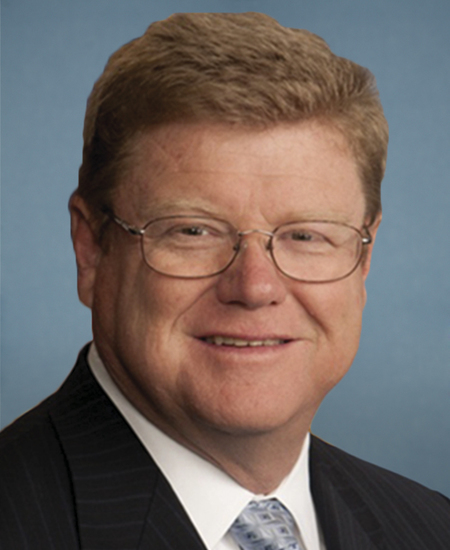
Mike Carey
Mike Carey House · District 15
R
Strong +
100% 3
Nancy Mace
Nancy Mace House · District 1
R
Strong +
100% 3
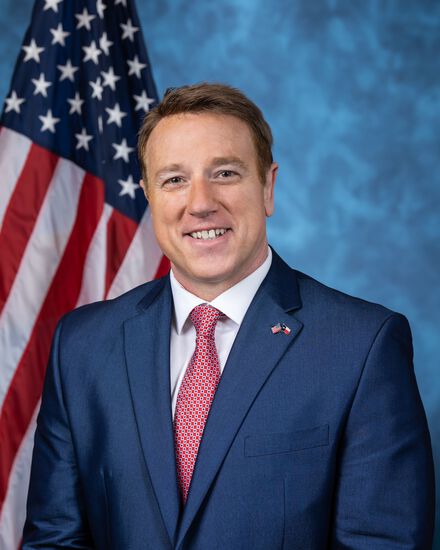
Pat Fallon
Pat Fallon House · District 4
R
Strong +
100% 3
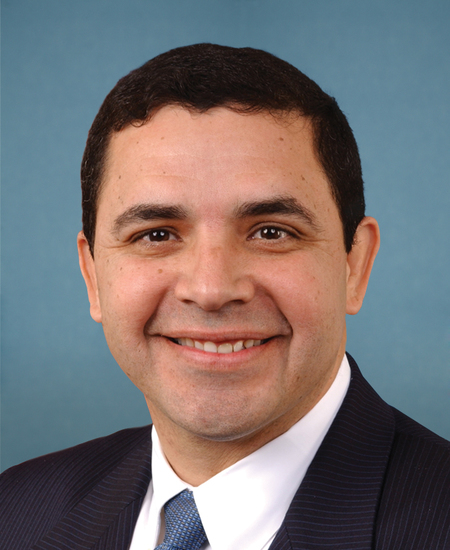
Henry Cuellar
Henry Cuellar House · District 28
D
Strong −
0% 4
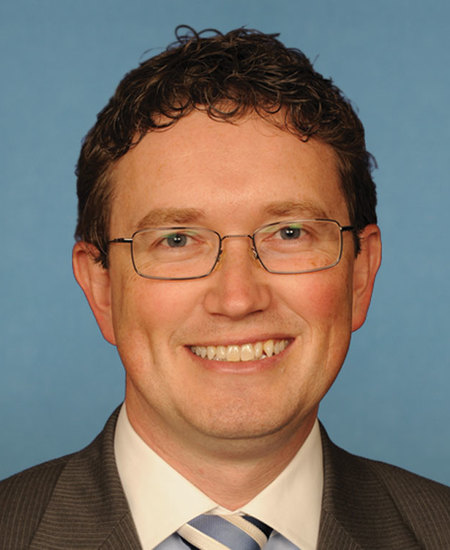
Thomas Massie
Thomas Massie House · District 4
R
Strong −
0% 4
Jake Auchincloss
Jake Auchincloss House · District 4
D
Strong −
0% 3
Kim Schrier
Kim Schrier House · District 8
D
Strong −
0% 3
Raja Krishnamoorthi
Raja Krishnamoorthi House · District 8
D
Strong −
0% 3
Showing 1–10 of 15 bills

All budget & taxes bills

in committee · United States · Senate Aug 3, 2026

S 5209: PERFORM Act

The PERFORM Act restricts the ability to award bonuses and other performance-based compensation to the Postmaster General of the United States Postal Service under specific conditions. These restrictions apply if the Postal Service runs a budget deficit, fails to meet nationwide service targets, receives a negative financial audit opinion, or does not submit a required annual report to Congress. The bill mandates that the Postmaster General provide a detailed report each year outlining compensation paid to senior executives, the metrics used to justify those payments, and data on financial and service performance. Additionally, the Postal Service Inspector General is required to review these annual reports to ensure compliance with the new reporting and compensation rules.
in committee · United States · House May 21, 2026

HR 8995: REMITTANCE Act

The REMITTANCE Act increases the excise tax on remittance transfers from 1 percent to 25 percent, with the goal of reducing the federal deficit by directing the collected funds to the Treasury's general fund. While this higher tax applies broadly, the bill creates a specific refundable tax credit for U.S. citizens who send money for business or travel purposes, allowing them to claim back the tax paid on those specific transactions. The legislation defines remittance transfers using existing standards from the Electronic Fund Transfer Act and applies these new tax rules retroactively to the date of a previous law. Ultimately, the bill aims to discourage personal money transfers while providing financial relief to individuals sending funds for work or travel.
in committee · United States · Senate May 11, 2026

S 4485: Gas Tax Suspension Act

The Gas Tax Suspension Act temporarily eliminates the federal excise tax on gasoline and diesel fuel for purchases made between the date of enactment and a specified end date. To prevent this tax break from reducing government revenue, the bill requires the Treasury Secretary to transfer money from the general fund to the Highway Trust Fund and the Leaking Underground Storage Tank Trust Fund to make up for the lost tax income. The tax holiday is set to last for at least 90 days, but the President has the authority to extend it to 180 days if economic conditions warrant it.
in committee · United States · House Jun 25, 2026

HR 8767: Compensation Fund Recrediting Act

The Compensation Fund Recrediting Act sets a specific end date for the Filipino Veterans Equity Compensation Fund, which provides financial compensation to Filipino veterans of World War II. Under this legislation, the fund will stop operating on January 1, 2027, and any remaining money in the fund will be transferred to the Treasury's general fund. This change affects the timeline for when veterans can receive payments and determines how leftover funds are handled after the program concludes.
in committee · United States · House Feb 6, 2025

HR 1052: UNPLUG EVs Act

HR 1052, the UNPLUG EVs Act, rescinds unobligated federal funds from two electric vehicle infrastructure programs. It targets unused balances from the National Electric Vehicle Infrastructure Formula Program (established by the Infrastructure Investment and Jobs Act) and charging/fueling grant programs under federal highway law. These rescinded funds will be deposited into the U.S. Treasury's general fund to reduce the federal deficit. The bill does not alter existing program requirements or affect current EV infrastructure projects, only redirecting unspent allocated funds.
in committee · United States · House Jan 16, 2025

HR 508: Bring American Companies Home Act

HR 508, the "Bring American Companies Home Act," allows U.S. businesses to immediately deduct expenses paid to move business inventory, equipment, and supplies from China to the U.S. in the year they are paid. This directly affects U.S. companies relocating operations or supply chains from China. The bill establishes a trust fund funded by tariffs collected on China-made goods, which reimburses the Treasury for lost tax revenue from the deduction. The deduction is limited to qualifying business moving expenses under existing tax code rules.
in committee · United States · House Mar 26, 2026

HR 7605: African Development Foundation Termination Act of 2026

HR 7605, the African Development Foundation Termination Act of 2026, abolishes the U.S. African Development Foundation (ADF) 120 days after enactment. The bill requires the Foundation to cease all new grants, loans, or agreements immediately, wind down operations within 120 days, and transfer all remaining funds to the Treasury’s general fund and assets/records to the Department of State for managing existing multi-year grants until completion. It also repeals the law creating the ADF (the African Development Foundation Act) and mandates a report to Congress for technical adjustments to the U.S. Code. This directly affects the ADF’s operations, employees (who would face reductions in force), and current grant recipients whose projects continue under State Department oversight.
Sub-Topics State Budget
in committee · United States · House Mar 31, 2025

HR 2524: REPEAL CBO Requirements Act

HR 2524, the "REPEAL CBO Requirements Act," would allow congressional committees (excluding Appropriations committees) to replace Congressional Budget Office (CBO) budget estimates with estimates from private accounting firms. Specifically, committee chairs could obtain budget cost estimates from the top 10 accounting firms by revenue instead of the CBO for any bill or resolution, using these private estimates for budget enforcement under key laws like the Balanced Budget Act and Pay-As-You-Go rules. The bill requires that if a private firm's estimate is used, the CBO would no longer prepare an estimate for that measure. This change would shift the responsibility for budget scoring from the nonpartisan CBO to for-profit accounting firms for most legislative measures.
failed · United States · House Mar 18, 2026

HJRES 139: Proposing an amendment to the Constitution of the United States requiring a balanced budget for the Federal Government.

This joint resolution proposes a constitutional amendment prohibiting total federal expenditures for a year from exceeding the average annual federal receipts collected in the three prior years, adjusted for changes in the population of U.S. citizens and inflation. Expenditures for payment of debt and receipts derived from borrowing are excluded. Under the amendment, Congress may authorize specific expenditures in excess of the limit with (1) a roll call vote of two-thirds of each chamber, or (2) a roll call vote for any year in which a declaration of war is in effect. The amendment also prohibits any bill to levy a new tax or increase the rate of any tax from becoming law unless it has been approved by a roll call vote of two-thirds of the whole number of each chamber of Congress. The requirements take effect in the fifth year beginning after ratification of the amendment.
in committee · United States · House May 8, 2025

HR 3311: Eliminating Leftover Expenses for Campaigns from Taxpayers (ELECT) Act of 2025

HR 3311, the ELECT Act of 2025, ends taxpayer funding for presidential campaigns by terminating two key provisions. It stops using income tax payments to finance presidential elections after December 31, 2024, and dissolves the existing Presidential election campaign fund. Any remaining funds in that account will be transferred to the Treasury’s general fund to reduce the deficit. The bill directly affects presidential candidates and campaigns by eliminating automatic taxpayer support for these elections starting in 2025.
Showing 1 to 10 of 15 bills
1 2 Next