Issue · Budget & Taxes

Budget & Taxes

Every budget & taxes bill, vote, and legislator stance in United States, automatically classified by Maddy, our AI policy reader.

Total bills
2,101
119th Congress
Top supporter
Clay Fuller
87% support rate
Top opponent
Eleanor Holmes Norton
0% support rate
Ranked legislators
10
5 support · 5 oppose
Key legislators

Who's moving budget & taxes in United States

Legislators moving budget & taxes in United States
Legislator Party Stance Support rate Decisive votes
Clay Fuller
Clay Fuller House · District 14
R
Strong +
87% 46
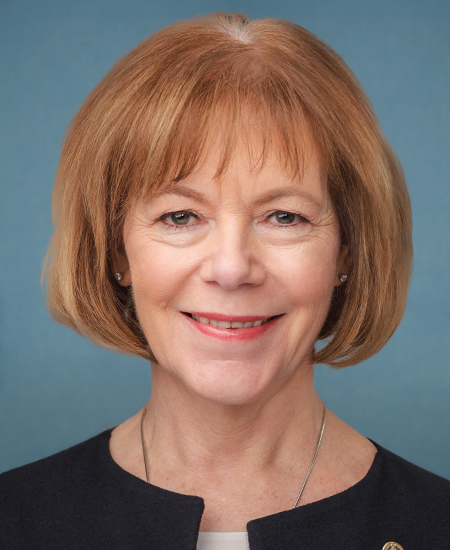
Tina Smith
Tina Smith Senate
D
Strong +
83% 77
Andrew Ogles
Andrew Ogles House · District 5
R
Strong +
83% 65
Aaron Bean
Aaron Bean House · District 4
R
Strong +
83% 69
Ben Cline
Ben Cline House · District 6
R
Strong +
83% 69
Eleanor Holmes Norton
Eleanor Holmes Norton House · District At-Large
D
Strong −
0% 26
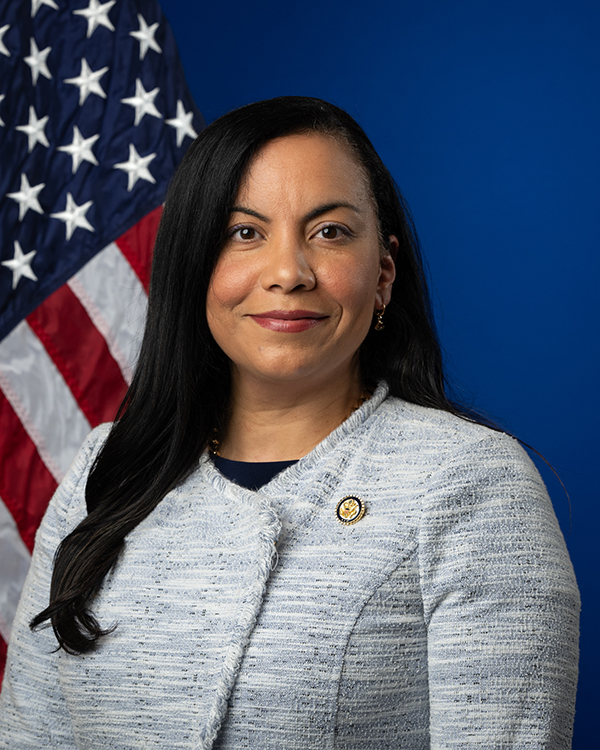
Pablo José Hernández
Pablo José Hernández House · District At-Large
D
Strong −
7% 28
Analilia Mejia
Analilia Mejia House · District 11
D
Strong −
13% 45
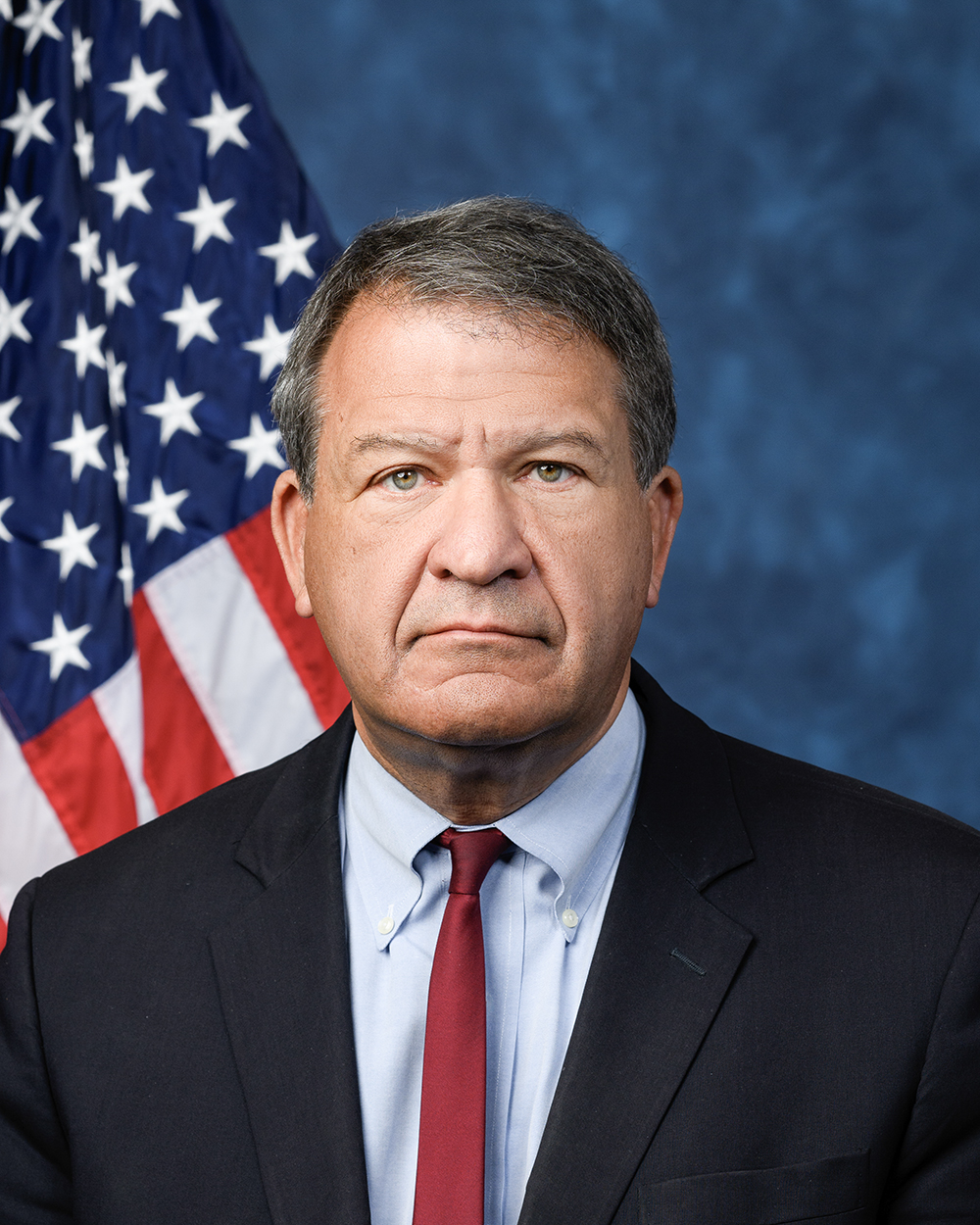
George Latimer
George Latimer House · District 16
D
Strong −
13% 67
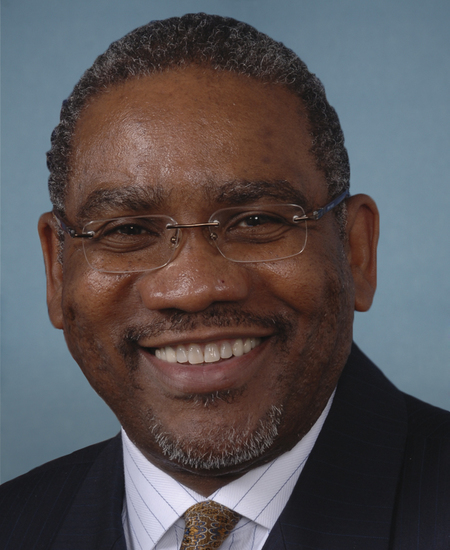
Gregory W. Meeks
Gregory W. Meeks House · District 5
D
Strong −
14% 66
Showing 791–800 of 2,101 bills

All budget & taxes bills

in committee · United States · House Jan 3, 2025

HR 169: Prevent Family Fire Act of 2025

HR 169, the Prevent Family Fire Act of 2025, creates a 10% tax credit for manufacturers selling qualifying safe firearm storage devices. The credit applies to the first retail sale of each device per year, capped at $400 per device, and excludes sales tax. A qualifying device must be designed to prevent unauthorized access or render firearms inoperable using an integrated combination, key, or biometric lock (excluding devices built into firearms or under recall). The credit is available for taxable years beginning after the bill's enactment through 2032, with annual reporting required by the Treasury.
in committee · United States · House Dec 19, 2025

HR 39: Original Honoring Our WWII Merchant Mariners Act of 2025

This bill creates a $25,000 one-time payment for eligible individuals who served as crewmembers in the U.S. Merchant Marine between December 1941 and December 1946. To qualify, applicants must not have received benefits under the 1944 GI Bill, provide proof of service (like a DD-214), and submit an application to the Department of Veterans Affairs. The bill authorizes $125 million in fiscal year 2026 to fund these payments, which will be distributed in the order applications are received. It directly affects surviving WWII Merchant Mariners or their estates who meet the service criteria.
in committee · United States · House Jan 3, 2025

HR 173: High Rise Fire Sprinkler Incentive Act of 2025

This bill creates a tax incentive for upgrading fire sprinkler systems in existing high-rise residential buildings. It amends the tax code to treat qualifying sprinkler retrofits as 15-year property, allowing building owners to deduct costs faster through accelerated depreciation. The incentive applies only to retrofits meeting NFPA 13 standards in buildings with occupiable floors over 75 feet above fire department access, installed in residential properties placed in service before the retrofit. This directly affects owners of qualifying older high-rise buildings seeking to modernize fire safety systems.
Sub-Topics Tax Incentives
in committee · United States · House Jan 3, 2025

HR 74: Freedom for Families Act

HR 74, the Freedom for Families Act, modifies health savings account (HSA) rules to benefit individuals providing care for family members. It allows tax-free HSA distributions during "qualified caregiving" periods (defined as leave under the Family and Medical Leave Act), removes the requirement to have a high-deductible health plan to qualify for an HSA, and increases the annual HSA contribution limit to $9,000 ($18,000 for joint returns). These changes directly affect HSA account holders, particularly those taking leave to care for family members or managing healthcare costs. The bill focuses on expanding access to tax-advantaged savings for healthcare and caregiving expenses.
Sub-Topics Insurance
in committee · United States · House Jan 3, 2025

HR 138: Lowering Costs for Caregivers Act of 2025

HR 138, the Lowering Costs for Caregivers Act of 2025, expands tax-advantaged health savings by allowing taxpayers to use funds in Health Savings Accounts (HSAs), Flexible Spending Accounts (FSAs), and Health Reimbursement Arrangements (HRAs) to cover medical expenses for their parents, not just their spouse. The bill amends the Internal Revenue Code to explicitly include parents as eligible dependents under these accounts, removing prior restrictions. This change directly affects caregivers - primarily adult children supporting aging parents - who will now have greater flexibility to use pre-tax funds for their parents' medical care. The provisions apply to expenses incurred after December 31, 2024, and aim to reduce out-of-pocket costs for family caregivers.
in committee · United States · House Jan 10, 2025

HR 284: GLRI Act of 2025

This bill reauthorizes the Great Lakes Restoration Initiative (GLRI) through fiscal year 2031, providing $500 million annually for Great Lakes cleanup and restoration projects. It directly affects federal agencies (like the EPA), state governments, tribes, and environmental groups working on Great Lakes water quality, habitat restoration, and pollution prevention. The key provision extends existing funding levels for five additional years (2027-2031), ensuring continued support for projects addressing invasive species, toxic pollutants, and coastal wetlands restoration across the Great Lakes region. This is a funding authorization bill, not a policy change to the program's scope.
in committee · United States · House Feb 25, 2025

HR 585: Supporting Veteran Families in Need Act

HR 585, the Supporting Veteran Families in Need Act, amends Section 2044(e) of Title 38, U.S. Code, to establish permanent funding authority for financial assistance to very low-income veteran families living in permanent housing. It adds a new provision (paragraph (9)) ensuring that funding for these supportive services continues automatically for fiscal year 2027 and all subsequent years, without requiring annual congressional appropriations. This change directly affects eligible veteran families by securing ongoing access to financial aid for housing-related support. The bill does not create new benefits but ensures the continuation of existing assistance programs through a permanent funding mechanism.
in committee · United States · House Jan 13, 2025

HR 335: Repeal the NFA Act

HR 335, titled "Repeal the NFA Act," seeks to eliminate the National Firearms Act (NFA) of 1934, a federal law regulating certain firearms like machine guns, short-barreled rifles, and suppressors. If enacted, the bill would remove the NFA from the Internal Revenue Code by repealing Chapter 53, which currently governs the taxation and registration of these firearms. This repeal would directly affect firearm owners and manufacturers subject to NFA regulations, removing federal requirements for registration and tax payments on specified weapons. The bill focuses solely on repealing existing law without introducing new provisions or exceptions.
in committee · United States · House Jan 13, 2025

HR 368: Territorial Tax Parity and Fairness Act

HR 368, the Territorial Tax Parity and Fairness Act, amends the Internal Revenue Code to change how income from Virgin Islands corporations is taxed for certain residents. It specifically excludes bona fide Virgin Islands residents from being treated as non-residents for tax purposes when receiving dividends from Virgin Islands corporations, ensuring such dividends are taxed as if sourced within the territory. This change applies to taxable years beginning after December 31, 2024, for both individuals and related corporate tax years. The bill directly affects Virgin Islands residents who receive dividends from local corporations, adjusting their tax treatment under existing IRS rules.
Sub-Topics Business Taxes
in committee · United States · House May 20, 2026

HR 398: Geothermal Cost-Recovery Authority Act of 2025

Geothermal Cost-Recovery Authority Act of 2025 This bill expands the Geothermal Steam Act of 1970 to give the Department of the Interior the authority to collect certain fees from applicants for, or holders of, geothermal leases through September 30, 2032. Specifically, Interior may direct those applicants or leaseholders to reimburse the United States for costs from (1) processing applications for geothermal leases on federal land, such as applications for geothermal drilling permits; and (2) inspecting and monitoring geothermal exploration and development activities, including reclamation activities. Interior may reduce the amount of the fee if it determines that (1) the full reimbursement would impose an economic hardship on the applicant, or (2) a less than full reimbursement is necessary to promote the greatest use of geothermal resources. Interior may use those fees only to the extent that they are provided in advance in appropriations acts for (1) processing applications for geothermal leases, and (2) inspecting and monitoring related exploration and development activities. Within five years of the bill's enactment, Interior must submit to Congress a report that includes an assessment of how the fees affect Interior's geothermal leasing program and any recommendations for updates to the fees and the program.
Sub-Topics Oil & Gas Public Lands
Showing 791 to 800 of 2,101 bills
Previous 1 … 79 80 81 … 211 Next