Issue · Budget & Taxes

Budget & Taxes

Every budget & taxes bill, vote, and legislator stance in United States, automatically classified by Maddy, our AI policy reader.

Total bills
2,411
119th Congress
Top supporter
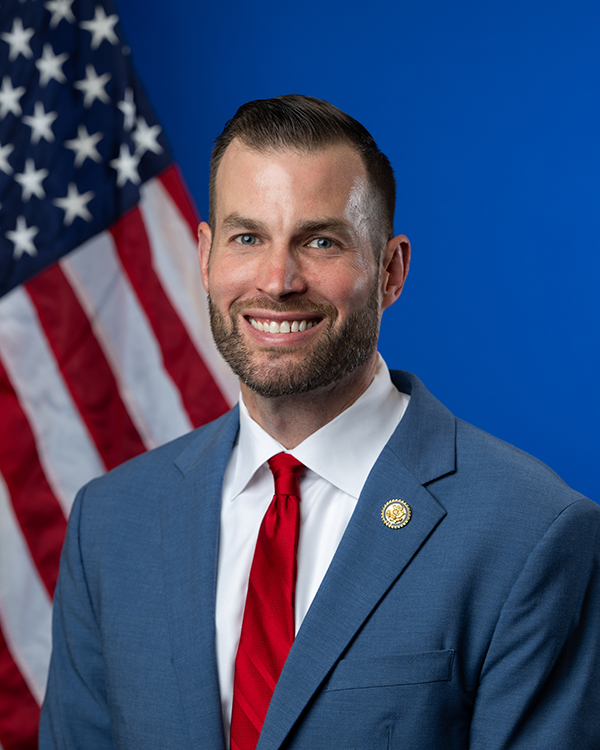
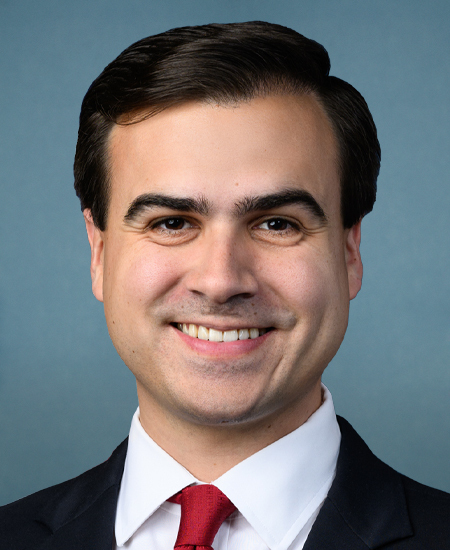
Clay Fuller
87% support rate
Top opponent
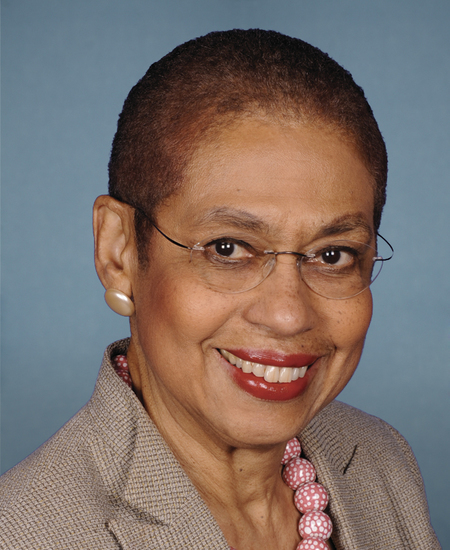
Eleanor Holmes Norton
0% support rate
Ranked legislators
10
5 support · 5 oppose
Key legislators

Who's moving budget & taxes in United States

Legislators moving budget & taxes in United States
Legislator Party Stance Support rate Decisive votes
Clay Fuller
Clay Fuller House · District 14
R
Strong +
87% 46
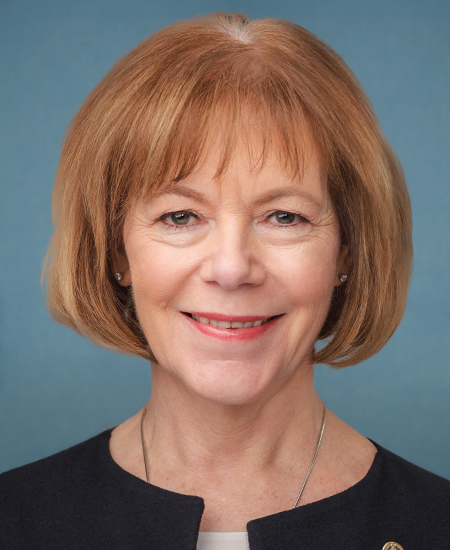
Tina Smith
Tina Smith Senate
D
Strong +
83% 77
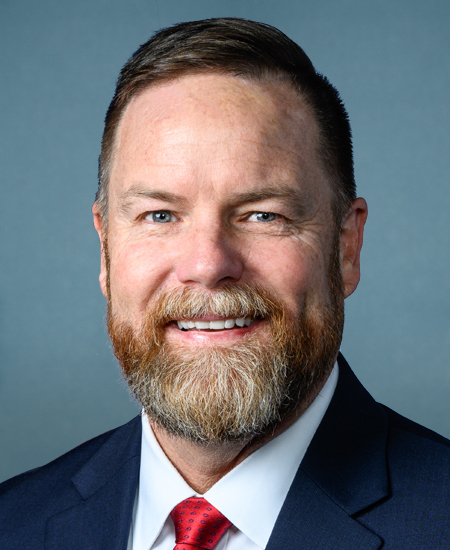
Andrew Ogles
Andrew Ogles House · District 5
R
Strong +
83% 65
Aaron Bean
Aaron Bean House · District 4
R
Strong +
83% 69
Ben Cline
Ben Cline House · District 6
R
Strong +
83% 69
Eleanor Holmes Norton
Eleanor Holmes Norton House · District At-Large
D
Strong −
0% 26
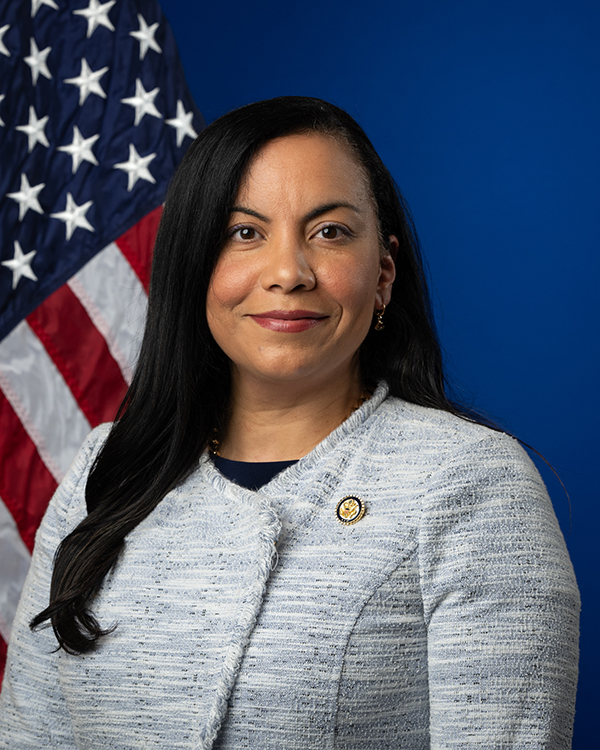
Pablo José Hernández
Pablo José Hernández House · District At-Large
D
Strong −
7% 28
Analilia Mejia
Analilia Mejia House · District 11
D
Strong −
13% 45
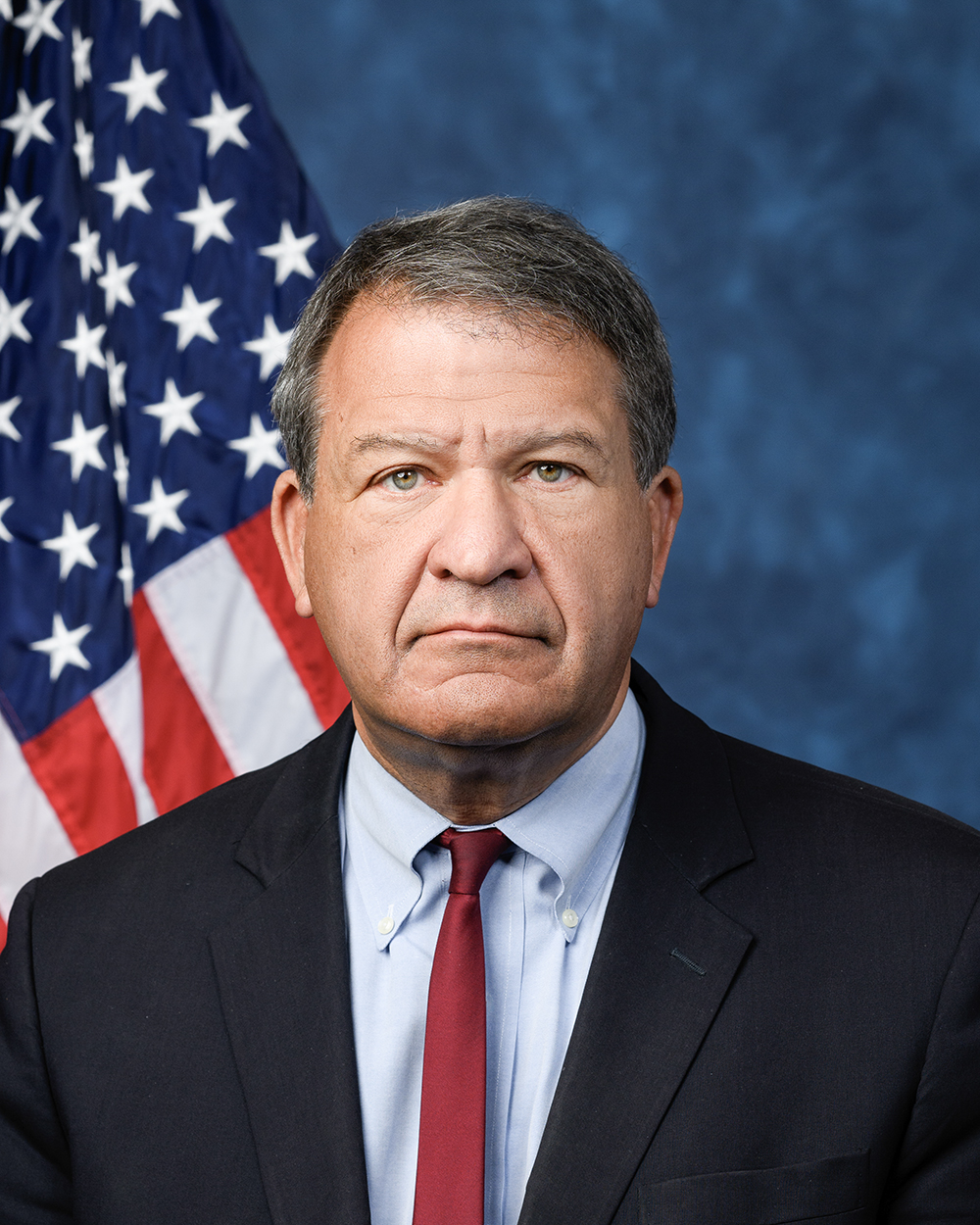
George Latimer
George Latimer House · District 16
D
Strong −
13% 67
Gregory W. Meeks
Gregory W. Meeks House · District 5
D
Strong −
14% 66
Showing 651–660 of 2,411 bills

All budget & taxes bills

in committee · United States · House Mar 4, 2026

HR 7799: SPONSOR Act

This bill would require 501(c)(3) nonprofit organizations that act as fiscal sponsors to take legal responsibility for how donated funds are used by the projects they support. Under the proposed law, these organizations would face criminal and civil liability if the sponsored activities involve international terrorism, intimidation of people exercising constitutional rights, or obstruction of commerce. The legislation defines fiscal sponsorship as a relationship where a tax-exempt organization receives and controls funds on behalf of another group that does not have its own tax-exempt status. While the bill establishes this liability, it allows organizations to defend themselves by proving they exercised due diligence and provided reasonable oversight.
in committee · United States · House Mar 26, 2026

HR 8101: Ensuring Better Interest Treatment and Deductibility Act (EBITDA)

This bill, titled the Ensuring Better Interest Treatment and Deductibility Act, would change how businesses calculate the limit on interest expenses they can deduct on their taxes. It directly affects corporations and other businesses that pay interest on loans by modifying the rules for determining adjusted taxable income. The key provision removes a specific clause from the tax code that currently limits how much interest can be deducted based on a company's earnings, effectively allowing more interest to be treated as a deductible business expense. These changes would apply to tax years starting after December 31, 2025, meaning businesses would need to adjust their financial planning for future tax filings.
Sub-Topics Business Taxes
in committee · United States · House Mar 4, 2026

HR 7806: Direct File Act of 2026

This bill, known as the Direct File Act of 2026, would establish a government-run online system allowing taxpayers to prepare and file their individual income tax returns for free. The legislation prohibits the Treasury Department from entering into agreements that restrict its ability to provide tax preparation or filing services, and it voids any existing contracts with such restrictions. The program would use IRS data to simplify filing, include customer support, be available in multiple languages, and allow users to file even if they are not required to. It also enables taxpayers in participating states to file state and local returns alongside their federal returns, with funding provided to states that meet certain standards.
Sub-Topics Income Tax
in committee · United States · House Feb 20, 2026

HR 7619: Keep Jobs in California Act of 2026

This bill, known as the Keep Jobs in California Act of 2026, prevents states from levying taxes on nonresident individuals that apply to assets held before the tax law was enacted. It directly affects states that might otherwise tax the assets of people who do not live in those states, specifically targeting retroactive taxation. The law prohibits states from imposing such taxes if the asset value is attributed to a time period prior to when the tax was established. The measure would become effective on January 1, 2026, and applies to any state attempting to tax nonresident assets retroactively.
in committee · United States · Senate Mar 17, 2026

S 4114: Student Protection and Success Act

This bill, titled the Student Protection and Success Act, requires colleges and universities to share financial risk with the federal government by making payments based on how many student loans remain unpaid. Starting in fiscal year 2028, institutions with a cohort repayment rate of 15 percent or lower would lose eligibility for federal student loan programs for up to three years, while colleges with rates above 25 percent could receive bonus grants to support low-income students. The bill also establishes a new payment system where schools must contribute a percentage of the outstanding loan balances for borrowers who have not made progress on paying down their debt, with exceptions for students in deferment due to military service, graduate school, or other qualifying circumstances. These measures aim to hold institutions accountable for student loan outcomes while providing incentives for improving access and success for economically disadvantaged students.
in committee · United States · Senate May 20, 2025

S 1815: End Diaper Need Act of 2025

The End Diaper Need Act of 2025 would allocate $1.9 billion over four years (2026-2029) through the Social Services Block Grant Program to address diaper need. This funding would support the free distribution of diapers, diapering supplies, and adult incontinence materials to low-income families with infants, toddlers, medically complex children, and adults with disabilities. States would be required to report on how funds are distributed and track the number of individuals served through detailed annual reports. The bill also makes medically necessary diapers and diapering supplies eligible for reimbursement through health savings accounts, expanding access to these essential items for families who need them.
in committee · United States · House Mar 9, 2026

HR 7883: Addressing Teacher Shortages Act of 2026

This bill establishes the Addressing Teacher Shortages Act of 2026, which creates a federal grant program to help schools and districts prepare and retain educators in under-resourced and underserved communities. The program provides competitive grants to eligible entities for activities such as teaching residency programs, mentor teacher initiatives, Grow Your Own programs that recruit local community members, and 2+2 partnerships between community colleges and universities. Grant funds are specifically reserved to address shortages in rural areas, high-need subject areas like STEM and special education, and to diversify the teaching workforce. Recipients must provide matching funds and submit detailed reports on retention rates, licensure pass rates, and the percentage of teachers from underrepresented groups. The program authorizes funding from fiscal years 2027 through 2032 and includes provisions for planning grants for entities that have not previously received support.
in committee · United States · House Mar 19, 2026

HR 7998: BRIDGE Act

The BRIDGE Act extends the work opportunity tax credit through 2030 and expands eligibility to include individuals with felony convictions or incarceration histories, as well as out-of-school youth. Employers who hire these qualified individuals after the bill's enactment can receive tax credits, with the credit amount determined under existing Internal Revenue Code provisions. The bill also requires the Treasury Secretary to issue regulations for implementation and directs the Comptroller General to study how to improve the efficiency of the credit claiming process.
in committee · United States · House Mar 9, 2026

HR 7876: Secret Service-Local Law Enforcement Partnership Act of 2026

This bill creates the Extraordinary Protection Reimbursement Program within the Department of Homeland Security to provide financial reimbursement to state, local, Tribal, and territorial law enforcement agencies for costs related to protecting designated non-governmental properties of high-profile individuals. The program allows agencies to receive grants specifically for man-hours spent on protection duties and equipment purchases directly tied to securing these properties, with funds only usable when protected persons are physically present or traveling to and from the locations. To ensure accountability, the bill requires annual audits by the Department's Inspector General and mandates detailed reports on grant amounts, usage, and equipment acquisitions submitted to congressional committees. The legislation authorizes $61 million annually for fiscal years 2026 through 2028 to fund these reimbursement activities.
in committee · United States · House Mar 16, 2026

HR 7937: Working Americans’ Tax Cut Act

This bill, titled the Working Americans' Tax Cut Act, proposes two main tax changes: it would create an alternative maximum tax rate of 25.5% for individuals earning less than 175% of a cost-of-living exemption (approximately $46,000 for single filers), and it would impose a progressive surcharge on high-income taxpayers earning over $1 million. The alternative tax would cap the total tax liability for low- and middle-income earners at 25.5% of their income above a basic living threshold, while the surcharge would add 5%, 10%, and 12% taxes on income brackets above $1 million, $2 million, and $5 million respectively. Both provisions would apply to taxable years beginning after December 31, 2025, and include inflation adjustments based on the Consumer Price Index.
Showing 651 to 660 of 2,411 bills
Previous 1 … 65 66 67 … 242 Next