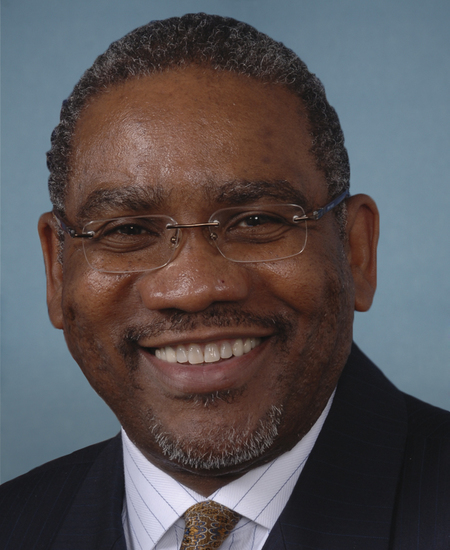
The Resident Physician Shortage Reduction Act of 2025 adds 14,000 new residency training positions over seven years (2027-2033), distributing 2,000 annually through a structured application process. It directly affects hospitals applying for these positions, requiring them to commit to filling the new spots and prioritizing rural hospitals, those serving health shortage areas, and hospitals affiliated with historically Black medical schools. Key mechanisms include seven annual application rounds, rules for carrying over unused positions, and minimum distribution quotas (e.g., 10% to rural hospitals). The bill also mandates a study on increasing diversity in the health workforce, with a report due to Congress within two years.
The BEACH Act of 2025 updates federal water quality monitoring for coastal areas by expanding the definition of covered waters to include nearby shallow upstream waters and areas "adjacent to or present on" public beaches. It allows states and local governments using federal grants to identify specific pollution sources in these waters, rather than just monitoring general water quality. The bill extends annual funding for the program from $30 million per year through 2029 (previously 2001-2005) and requires the Environmental Protection Agency to update guidance to reflect new water testing technologies. This directly affects coastal states managing beach water quality and public health notifications.
The STEP Act requires federal agencies to identify programs likely to have significant improper payments (those with over $100 million in annual spending during their first three years). Agencies must annually estimate improper payment rates using approved methods and report these findings to Congress. The bill also mandates annual reports on agency progress in implementing fraud controls, monitoring payment risks, and tracking 11 specific fraud management practices. These reports must include a chief financial officer's certification of the agency's process for identifying high-risk programs. The law does not authorize new funding but updates existing reporting requirements under federal payment oversight rules.
This bill, the Supplemental Security Income Restoration Act of 2026, updates eligibility rules and benefit amounts for the Supplemental Security Income (SSI) program, which provides financial assistance to low-income elderly, blind, and disabled individuals. Key changes include raising income and resource limits to help more people qualify, adjusting benefit calculations to better reflect poverty guidelines, and extending the program to U.S. territories like Puerto Rico and Guam. The legislation also removes certain financial penalties, excludes retirement accounts and tribal welfare payments from eligibility calculations, and clarifies how state tax credits are treated when determining income.
This bill proposes a 100 percent tax on income earned by U.S. citizens and permanent residents who compete in major international sporting events like the Olympics or World Cup while representing foreign countries designated as entities of concern. The tax applies to both prize money and sponsorship income received from these competitions. It defines covered individuals as U.S. nationals or permanent residents and specifies that global athletic events include the Summer and Winter Olympics, World Cup, Tour de France, and Wimbledon. The legislation would take effect for amounts received after the bill is enacted, with the revenue treated as regular income tax under existing Internal Revenue Code rules.
This resolution provides for the consideration of the bill (H.R. 8029) making appropriations for the Department of Homeland Security for the fiscal year ending September 30, 2026, and for other purposes; providing for consideration of the resolution (H. Res. 1128) expressing the support of the House of Representatives for the Department of Homeland Security; providing for consideration of the bill (H.R. 5103) to establish a program to Beautify the District of Columbia and establish the District of Columbia Safe and Beautiful Commission; providing for consideration of the bill (H.R. 7084) to amend title 46, United States Code, with respect to the types of vessels that may enter or operate in navigable waters of the United States or transfer cargo in any port or place under the jurisdiction of the United States, and for other purposes; and for other purposes.
This bill, known as the Pay FEMA Personnel Act of 2026, provides emergency funding to the Federal Emergency Management Agency to ensure its employees receive regular pay and benefits during a government shutdown. It authorizes the use of Treasury funds to cover salaries, allowances, and benefits for FEMA staff required to manage disaster relief operations and administer federal grant programs. The funding remains available until new appropriations are passed, a regular appropriations bill is enacted, or September 30, 2026, whichever comes first. The legislation also clarifies that this funding does not prevent FEMA from distributing grant money to eligible recipients.
This bill amends the North Pacific Research Board's structure and funding rules. It adds a new Board member position to be nominated by the Board and appointed by the Secretary, requiring the person to represent Alaska Natives and have direct experience with subsistence uses. The bill also adjusts the 15% cap on administrative expenses for the Board, allowing the NOAA Administrator to temporarily increase this cap if funding decreases, to prioritize continuing Board operations, maximizing research funding, and maintaining grant quality. The cap waiver is set to last for 5 years from the bill's enactment date.
This bill, titled the Gas Prices Relief Act of 2026, would temporarily eliminate the federal gasoline tax for fuel sold between the date of enactment and October 1, 2026. The legislation directly affects gasoline producers, dealers, and consumers by setting the tax rate to zero during this period while requiring producers and dealers to pass the savings directly to consumers. To maintain funding for road infrastructure and environmental programs, the bill mandates that the Treasury transfer equivalent amounts from the general fund to the Highway Trust Fund and the Leaking Underground Storage Tank Trust Fund. Additionally, the bill includes enforcement provisions that impose monetary penalties on fuel sellers who fail to pass the tax savings on to consumers.
This bill allows individuals to transfer funds directly from their individual retirement accounts to donor advised funds without incurring taxes. It removes a specific restriction in the Internal Revenue Code that previously prohibited this type of charitable rollover. The change applies to distributions made after the bill is enacted into law. This provision affects retirees and other account holders who wish to donate to charitable organizations through donor advised funds while maintaining tax-free status for the transfer.