Issue · Budget & Taxes

Budget & Taxes

Every budget & taxes bill, vote, and legislator stance in United States, automatically classified by Maddy, our AI policy reader.

Total bills
2,411
119th Congress
Top supporter
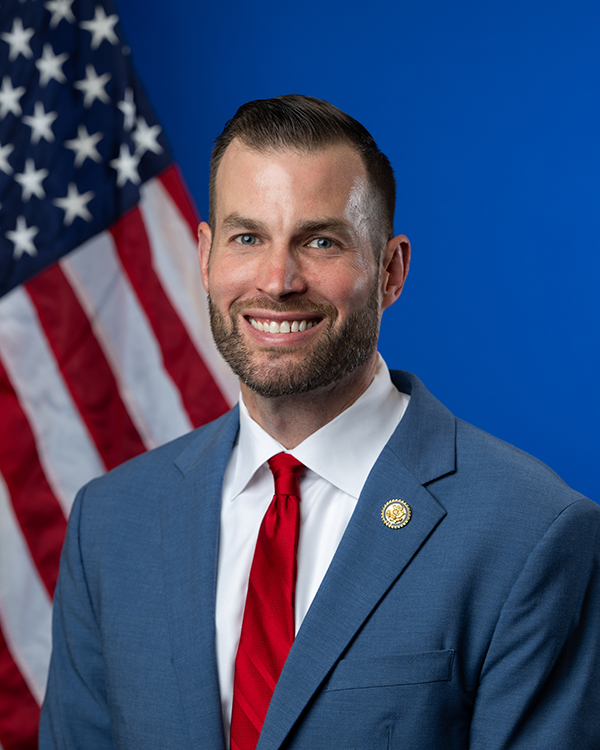
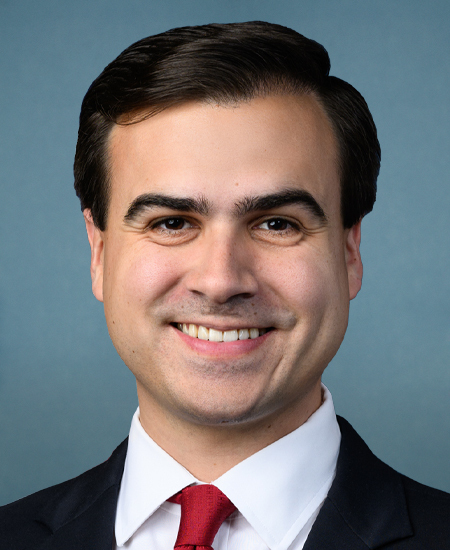
Clay Fuller
87% support rate
Top opponent
Eleanor Holmes Norton
0% support rate
Ranked legislators
10
5 support · 5 oppose
Key legislators

Who's moving budget & taxes in United States

Legislators moving budget & taxes in United States
Legislator Party Stance Support rate Decisive votes
Clay Fuller
Clay Fuller House · District 14
R
Strong +
87% 46
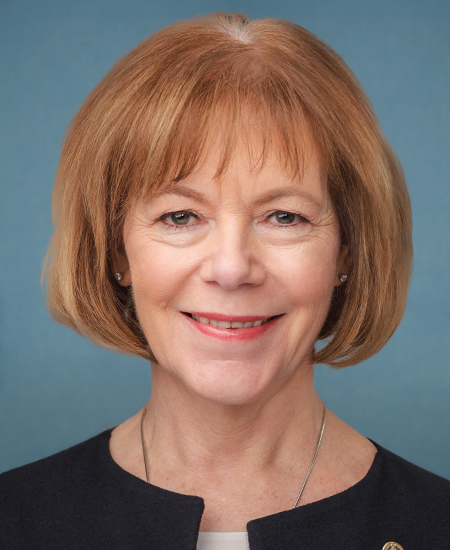
Tina Smith
Tina Smith Senate
D
Strong +
83% 77
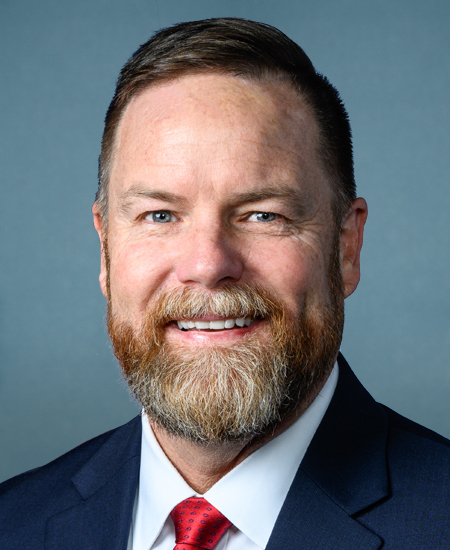
Andrew Ogles
Andrew Ogles House · District 5
R
Strong +
83% 65
Aaron Bean
Aaron Bean House · District 4
R
Strong +
83% 69
Ben Cline
Ben Cline House · District 6
R
Strong +
83% 69
Eleanor Holmes Norton
Eleanor Holmes Norton House · District At-Large
D
Strong −
0% 26
Pablo José Hernández
Pablo José Hernández House · District At-Large
D
Strong −
7% 28
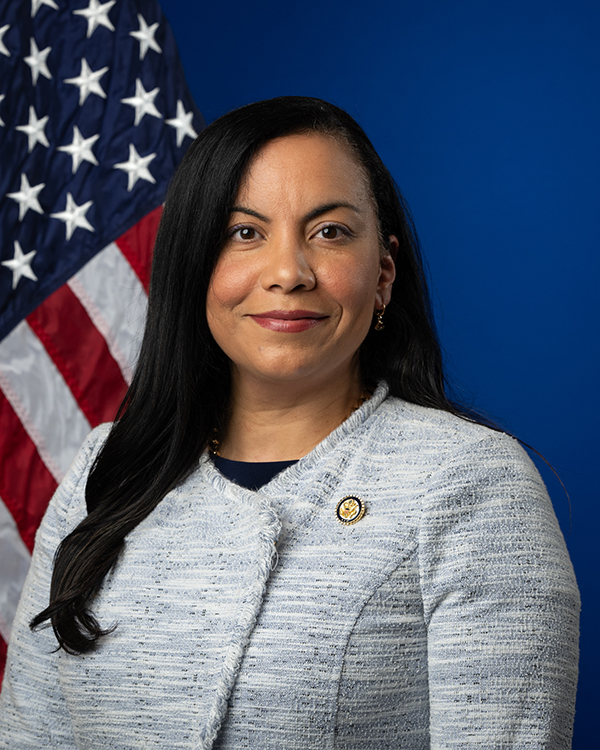
Analilia Mejia
Analilia Mejia House · District 11
D
Strong −
13% 45
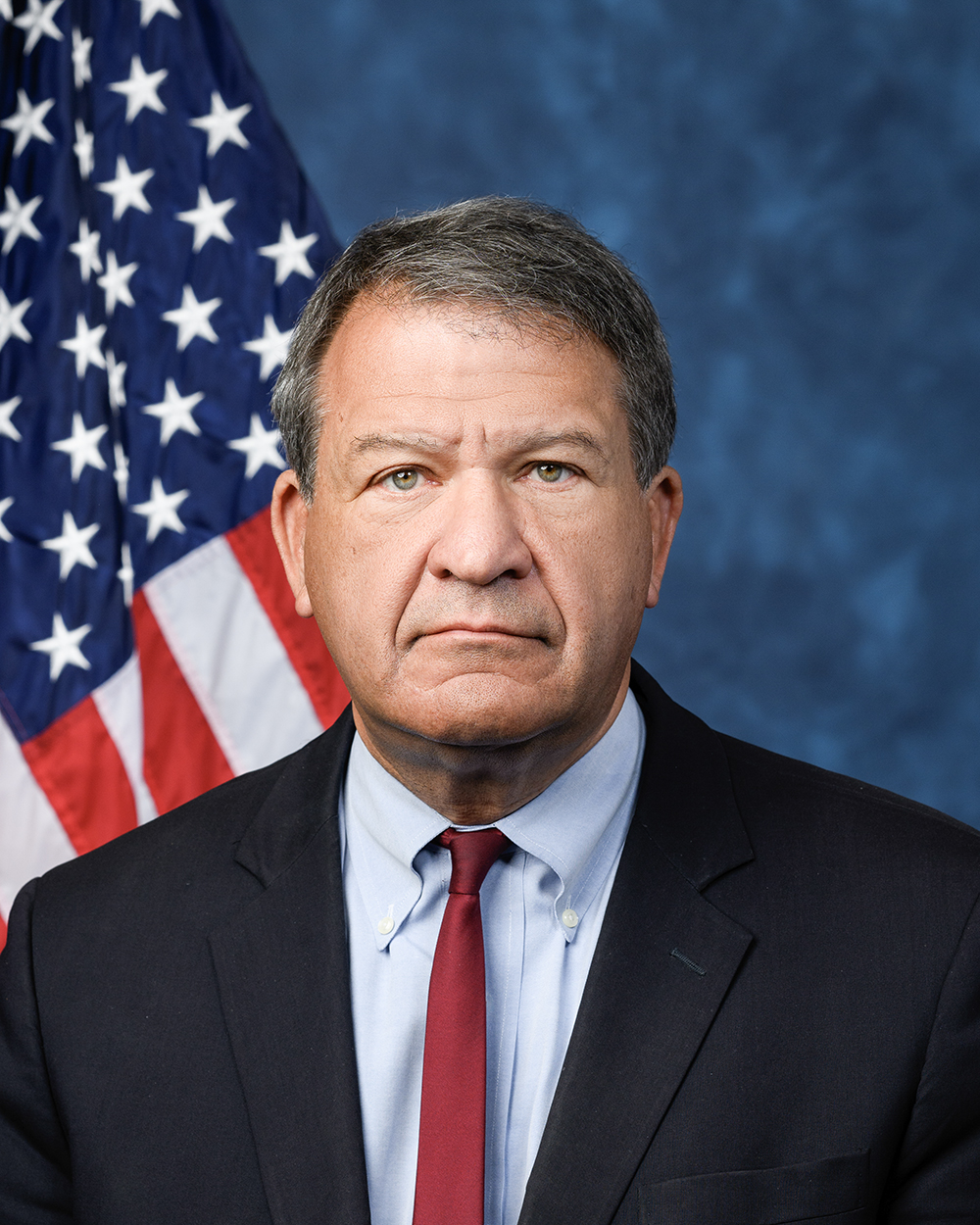
George Latimer
George Latimer House · District 16
D
Strong −
13% 67
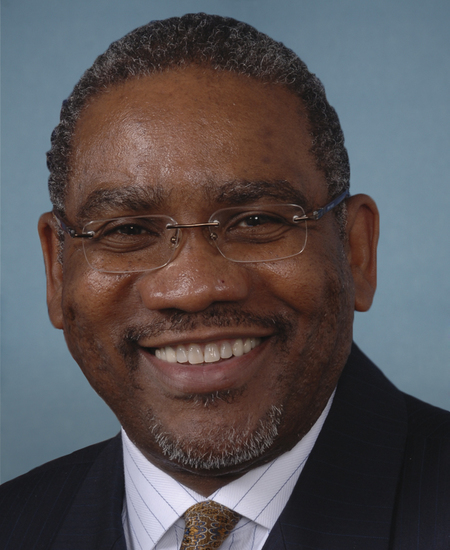
Gregory W. Meeks
Gregory W. Meeks House · District 5
D
Strong −
14% 66
Showing 591–600 of 2,411 bills

All budget & taxes bills

in committee · United States · House Mar 16, 2026

HR 7944: Semi-Trailer Tax Parity Act

The Semi-Trailer Tax Parity Act modifies federal tax rules to allow floor plan financing interest rules to apply to semi-trailers and their chassis. This change directly affects businesses that finance semi-trailers for commercial use, such as trucking companies and logistics firms. The bill amends the Internal Revenue Code to include semi-trailers in the category of property eligible for specific interest deduction treatments previously reserved for other types of vehicles. This adjustment ensures that financing costs for semi-trailers are treated similarly to those for other commercial vehicles under existing tax provisions. The policy change takes effect for taxable years beginning after the bill is enacted.
in committee · United States · House Mar 26, 2026

HR 8103: To prohibit the use of funds to use military force in or against Cuba, and for other purposes.

This bill prohibits the use of federal funds for military force in or against Cuba from its enactment until December 31, 2026, unless Congress declares war or passes specific statutory authorization. The restriction applies to all government funds and prevents military actions without congressional approval under the War Powers Resolution. An exception allows military force consistent with the War Powers Resolution's provisions for urgent situations requiring immediate action. The legislation directly affects the U.S. Department of Defense and federal budget processes by limiting how funds can be used for military operations targeting Cuba.
in committee · United States · House Apr 9, 2026

HR 8242: Health Coverage Tax Credit Reauthorization Act of 2026

This bill extends the Health Coverage Tax Credit program through January 1, 2030, allowing eligible individuals and small businesses to receive tax credits for purchasing health insurance. The program directly affects people who buy health insurance outside of government marketplaces and small businesses that provide coverage to their employees. Under this legislation, qualified taxpayers can claim a tax credit to help pay for their monthly health insurance premiums, with the credit amount based on their income and the cost of coverage. The change is administrative, simply updating the expiration date in the tax code rather than altering how the credit is calculated or who qualifies for it.
in committee · United States · Senate Mar 24, 2026

S 4175: A bill to amend the Internal Revenue Code of 1986 to extend the clean electricity production credit and the clean electricity investment credit based on increases in the price of, and demand for, electricity, and for other purposes.

This bill extends two federal clean energy tax credits for electricity production and investment by allowing them to be renewed when electricity prices or demand rise significantly. It directly affects homeowners, businesses, and energy companies that install or produce clean electricity systems by providing tax incentives during periods of high energy costs. The key mechanism involves the Energy Information Administration tracking national electricity prices and sales, with the Treasury Secretary determining if a year qualifies as a price or demand increase year based on a 2% price rise or increased sales volume. When such a year is identified, the credits remain available for six years instead of expiring, and certain restrictions on using the credits are temporarily lifted for two years following the determination.
in committee · United States · House Mar 30, 2026

HR 8166: GUARD Act

The GUARD Act would deny tax-exempt status to U.S. nonprofit organizations that receive contributions from citizens or nationals of designated foreign adversaries. This change directly affects charities, religious groups, and other 501(c)(3) and 501(c)(4) organizations that accept donations from individuals in countries like China, Cuba, Iran, North Korea, and Russia. Under the bill, any organization receiving such contributions would lose its tax-exempt status starting with the taxable year following the donation. The Secretary of the Treasury, in consultation with the Secretary of State, could also designate additional countries as foreign adversaries if national security interests require it. This provision applies only to contributions received after the bill is enacted into law.
in committee · United States · House Jul 2, 2026

HR 8209: To amend the Public Health Service Act to reauthorize the school-based health centers grant program.

This bill extends federal funding for school-based health centers through fiscal year 2031. It directly affects schools and community organizations that operate health centers providing medical care to students. The key provision increases the annual grant amount to $55 million per year for the five-year period. This change ensures continued financial support for programs that offer healthcare services directly within educational settings. The legislation does not alter eligibility requirements or program structure, only the funding timeline and amount.
in committee · United States · House Mar 26, 2026

HR 8116: SHARE Act

The SHARE Act introduces a new tax provision that excludes certain income from shared appreciation mortgages from gross income for qualifying borrowers. This bill directly affects low-to-moderate income homeowners who use these alternative financing products, which allow lenders to receive a share of the property's future value increase instead of requiring monthly interest payments. The key mechanism requires borrowers to meet income limits of 140 percent of the area median income and use the home as their primary residence, while the mortgage must be a second lien subordinate to a qualified first mortgage and cannot exceed 49 percent of the purchase price. The tax exclusion applies only to amounts received after December 31, 2025, and does not change the fundamental structure of these loans but rather provides specific tax treatment for their repayment and disposition.
in committee · United States · House Mar 30, 2026

HR 8165: Protein for Every Plate Act of 2026

The Protein for Every Plate Act of 2026 amends the Food and Nutrition Act to increase funding for animal protein purchases under the National School Lunch Program. Specifically, it adds $200,000,000 in fiscal years 2026 and 2027 to the existing commodity funds designated for food distribution. This change directly affects schools and food programs that receive federal nutrition assistance by allowing them to purchase more animal protein items. The bill modifies existing statutory language to formally include this additional funding amount in the program's financial provisions.
Sub-Topics Student Health
in committee · United States · House Mar 20, 2026

HR 8027: Advanced Wastewater Treatment Assistance Act of 2026

This bill establishes a federal grant program to help states fund advanced wastewater treatment projects, with $1 billion authorized for fiscal years 2026 through 2030. The Environmental Protection Agency will distribute funds based on a formula, requiring states to contribute at least 50 percent of project costs unless the project serves disadvantaged communities, which are exempt from this requirement. At least 49 percent of the funding must go to projects serving disadvantaged communities, rural or tribal facilities, or regional water providers that benefit multiple disadvantaged areas. The legislation also requires the EPA to conduct a study with the National Academies of Sciences, Engineering, and Medicine to evaluate how well advanced wastewater treatment technologies remove emerging contaminants like nanomaterials and certain chemicals.
in committee · United States · House Feb 5, 2026

HR 7387: Stop Settlement Slush Funds Act of 2026

This bill prohibits federal officials from using settlement agreements to direct payments to third parties unless those payments directly compensate for actual harm caused by the defendant or pay for services rendered in the case. It prevents the government from creating slush funds through settlements that benefit unrelated organizations or individuals beyond the scope of direct restitution. Federal agencies must annually report to the Congressional Budget Office on settlement payments that meet the new criteria, while agency inspectors general must audit and publicly report any violations. The reporting and audit requirements are set to expire seven years after the law takes effect.
Showing 591 to 600 of 2,411 bills
Previous 1 … 59 60 61 … 242 Next