Issue · Budget & Taxes

Budget & Taxes

Every budget & taxes bill, vote, and legislator stance in United States, automatically classified by Maddy, our AI policy reader.

Total bills
2,411
119th Congress
Top supporter
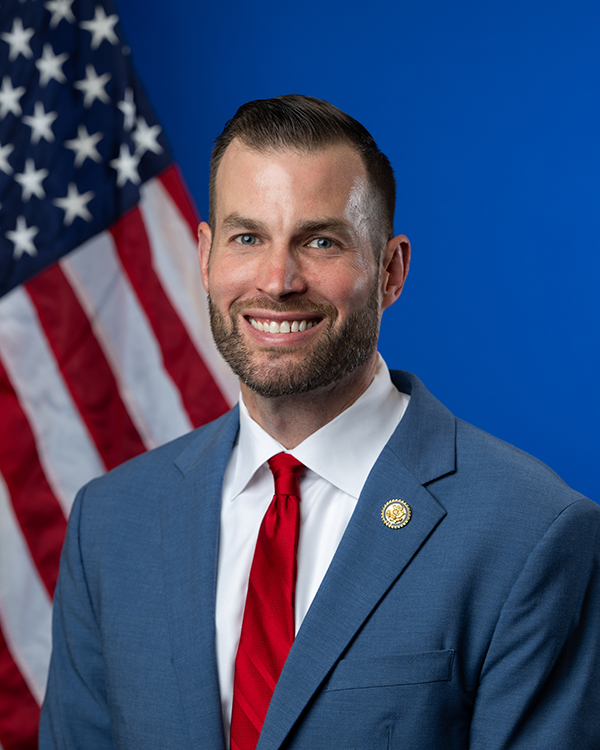
Clay Fuller
87% support rate
Top opponent
Eleanor Holmes Norton
0% support rate
Ranked legislators
10
5 support · 5 oppose
Key legislators

Who's moving budget & taxes in United States

Legislators moving budget & taxes in United States
Legislator Party Stance Support rate Decisive votes
Clay Fuller
Clay Fuller House · District 14
R
Strong +
87% 46
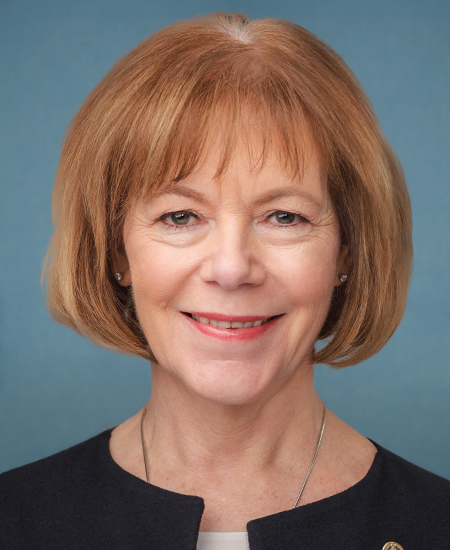
Tina Smith
Tina Smith Senate
D
Strong +
83% 77
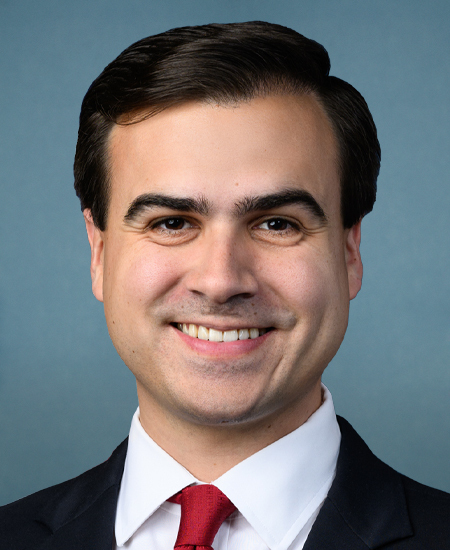
Andrew Ogles
Andrew Ogles House · District 5
R
Strong +
83% 65
Aaron Bean
Aaron Bean House · District 4
R
Strong +
83% 69
Ben Cline
Ben Cline House · District 6
R
Strong +
83% 69
Eleanor Holmes Norton
Eleanor Holmes Norton House · District At-Large
D
Strong −
0% 26
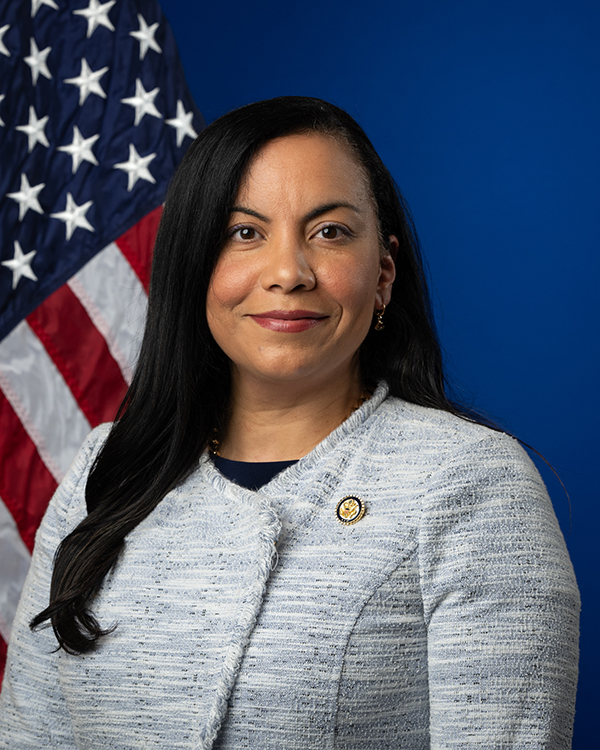
Pablo José Hernández
Pablo José Hernández House · District At-Large
D
Strong −
7% 28
Analilia Mejia
Analilia Mejia House · District 11
D
Strong −
13% 45
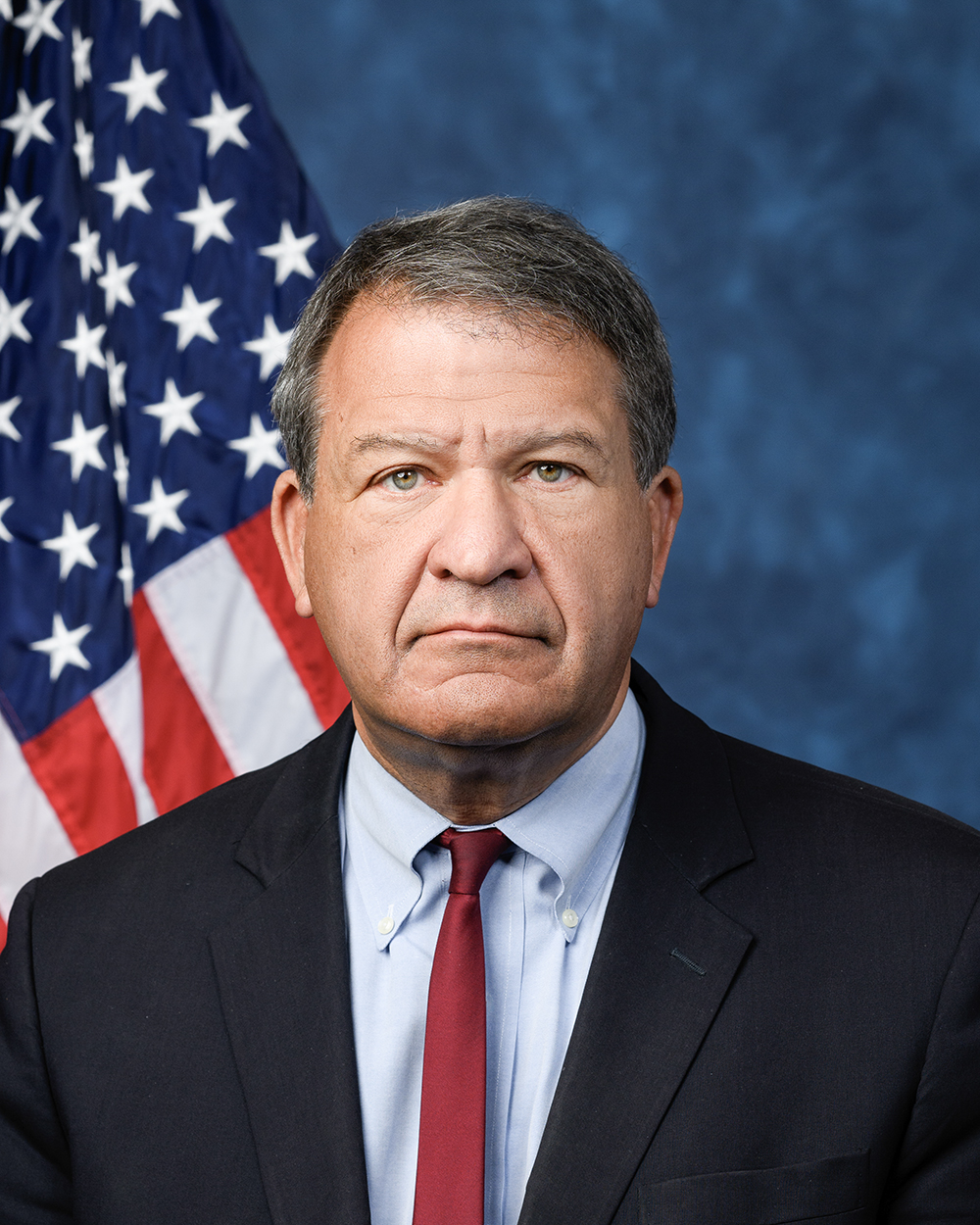
George Latimer
George Latimer House · District 16
D
Strong −
13% 67
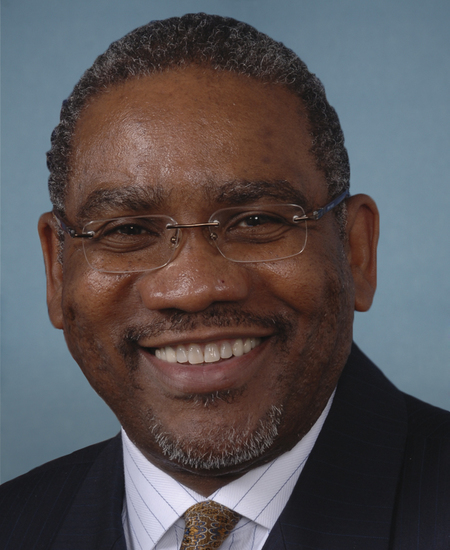
Gregory W. Meeks
Gregory W. Meeks House · District 5
D
Strong −
14% 66
Showing 561–570 of 2,411 bills

All budget & taxes bills

in committee · United States · House Apr 6, 2026

HR 8208: Taxpayer Advocate Continuity Act

The Taxpayer Advocate Continuity Act allows the IRS and the Office of the Taxpayer Advocate to spend money before new funding is approved during government shutdowns to help taxpayers facing financial hardship caused by IRS actions or inaction. It also permits these agencies to use advance funds to comply with official Taxpayer Assistance Orders issued under existing tax laws. This provision ensures that vulnerable taxpayers can still receive critical support even when the federal government is not fully operational. The bill directly affects taxpayers who might otherwise be unable to access assistance during a lapse in appropriations.
in committee · United States · House Mar 27, 2026

HR 8134: Strengthen Taxpayer Rights Act of 2026

The Strengthen Taxpayer Rights Act of 2026 limits which IRS employees can participate in appeals conferences without taxpayer permission. Specifically, it prohibits IRS staff from attending these conferences unless the taxpayer explicitly agrees to their presence. This change directly affects individuals requesting appeals through the IRS Independent Office of Appeals. The provision aims to give taxpayers more control over who represents the government during their appeal hearings. It applies to all conferences held after the law is enacted.
in committee · United States · Senate Mar 26, 2026

S 4240: American Homes First Act

The American Homes First Act redirects $1 billion in previously appropriated funds from the State Department to the Department of Health and Human Services. These funds will be used to support the Low-Income Home Energy Assistance Program, which helps low-income households pay for heating and cooling costs. The bill prevents the use of these funds for the Board of Peace, an international organization designated by a previous executive order. This change directly affects low-income families who rely on energy assistance and alters how specific federal budget allocations are distributed.
in committee · United States · Senate Mar 26, 2026

S 4262: Permanent Housing Affordability Act

This bill establishes a new funding program to support community land trusts and shared equity homeownership models, which are nonprofit approaches designed to keep housing permanently affordable for low- and moderate-income families. It creates a $100 million fund to provide low-interest construction loans to local governments and nonprofits, while also authorizing $500 million over five years for grants to purchase land and develop affordable housing. The legislation defines specific requirements for these projects, including 99-year affordability restrictions and resale formulas that limit future sale prices to ensure homes remain accessible to households earning up to 120 percent of the area median income. Additionally, the bill directs the Treasury and Housing and Urban Development departments to conduct research on best practices and launch public awareness campaigns about these housing models. It also amends federal surplus land laws to allow the government to transfer unused properties to community land trusts at a 75 percent discount from market value.
in committee · United States · House Mar 26, 2026

HR 8122: 9–8–8 Connect Act

The 9-8-8 Connect Act establishes a new federal funding program to provide follow-up services to individuals who have contacted suicide prevention and crisis intervention hotlines, directly affecting crisis centers that are part of the national network. The bill authorizes $30 million for fiscal year 2027 to help these centers offer check-ins, outreach, family collaboration, and care referrals to people who have recently interacted with crisis services. Additionally, the legislation requires the Federal Communications Commission to create rules ensuring all mobile phone calls and text messages to the 9-8-8 hotline are transmitted, including those from phones without service plans. The act also updates telecommunications laws to allow 9-8-8 to be dialed directly from multi-line telephone systems alongside emergency numbers like 9-1-1.
Sub-Topics Mental Health
in committee · United States · House Jan 7, 2026

HR 2716: Ending Improper Payments to Deceased People Act

This bill, the "Ending Improper Payments to Deceased People Act," requires the Social Security Administration to share death records with the federal Do Not Pay system, which prevents government agencies from sending payments to deceased individuals. It mandates this coordination through a cooperative arrangement between agencies, meeting specific legal requirements to ensure data sharing. The change aims to stop improper payments that sometimes occur due to delays in updating death records across federal systems. The new requirements must be implemented by December 28, 2026.
in committee · United States · House Mar 25, 2026

HR 8070: Child Suicide Prevention Act

This bill establishes two grant programs to reduce child suicide by funding evidence-based training for healthcare providers and educational curricula for medical schools. The first program provides up to $20 million through 2030 to states, hospitals, and healthcare organizations to train providers on suicide risk assessment, intervention strategies, and safe firearm storage practices. The second program allocates $10 million to medical and nursing schools to develop and integrate suicide prevention and lethal means safety content into their curricula. Additionally, the bill authorizes the creation of a public website to share best practices on suicide prevention and firearm safety with healthcare providers, schools, and families.
Sub-Topics Mental Health
in committee · United States · Senate Mar 26, 2026

S 4246: Ultra-Millionaire Tax Act of 2026

This bill establishes a new annual wealth tax on individuals with net assets exceeding $50 million, effective in 2027, targeting ultra-wealthy taxpayers by taxing the total value of their taxable assets rather than income. The tax uses a tiered structure with a 0% bracket up to $50 million, a 2% rate between $50 million and $1 billion, and a 3% or 6% rate on assets above $1 billion, with the higher rate applying if a universal health insurance program is enacted. It includes special rules for married couples filing jointly, trusts, and non-resident aliens, while also adding stricter information reporting requirements and increased IRS funding for enforcement.
in committee · United States · House Feb 25, 2026

HR 7705: Tribal Tax and Investment Reform Act of 2026

This bill, the Tribal Tax and Investment Reform Act of 2026, treats federally recognized Indian tribes and Alaska Native entities as states for specific tax purposes, allowing them to issue tax-exempt bonds and maintain employee pension plans under the same rules as state governments. It creates a new $175 million annual tax credit allocation for investments in tribal areas, expands existing employment tax credits, and clarifies how tribal general welfare benefits and trust funds are treated for federal assistance programs. The legislation also establishes uniform fiduciary standards for tribal pension plans, provides technical assistance for tribal area investments, and ensures tribal areas qualify for certain affordable housing tax incentives.
Sub-Topics Pensions Tax Credits Tags Tribal Nations
in committee · United States · Senate Mar 26, 2026

S 4233: Save Struggling Hospitals Act

This bill, known as the Save Struggling Hospitals Act, modifies Medicare reimbursement rules to provide additional financial support to hospitals in low-wage areas. It directly affects hospitals whose geographic area wage index falls below the 25th percentile, increasing their reimbursement rates by half the difference between their current index and the 25th percentile threshold. The adjustment applies to discharges occurring on or after October 1, 2019, and is designed to be budget neutral, meaning the total amount paid out remains unchanged while redistributing funds from higher-wage to lower-wage areas. The law also includes safeguards to prevent hospitals in the 75th percentile or higher from losing funding and ensures no hospital's reimbursement drops below 95 percent of the previous year's rate.
Sub-Topics Hospitals Medicare
Showing 561 to 570 of 2,411 bills
Previous 1 … 56 57 58 … 242 Next