Issue · Budget & Taxes

Budget & Taxes

Every budget & taxes bill, vote, and legislator stance in United States, automatically classified by Maddy, our AI policy reader.

Total bills
2,101
119th Congress
Top supporter
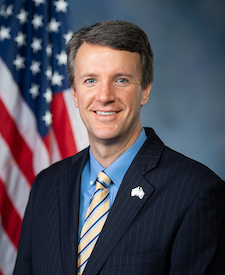
Clay Fuller
87% support rate
Top opponent
Eleanor Holmes Norton
0% support rate
Ranked legislators
10
5 support · 5 oppose
Key legislators

Who's moving budget & taxes in United States

Legislators moving budget & taxes in United States
Legislator Party Stance Support rate Decisive votes
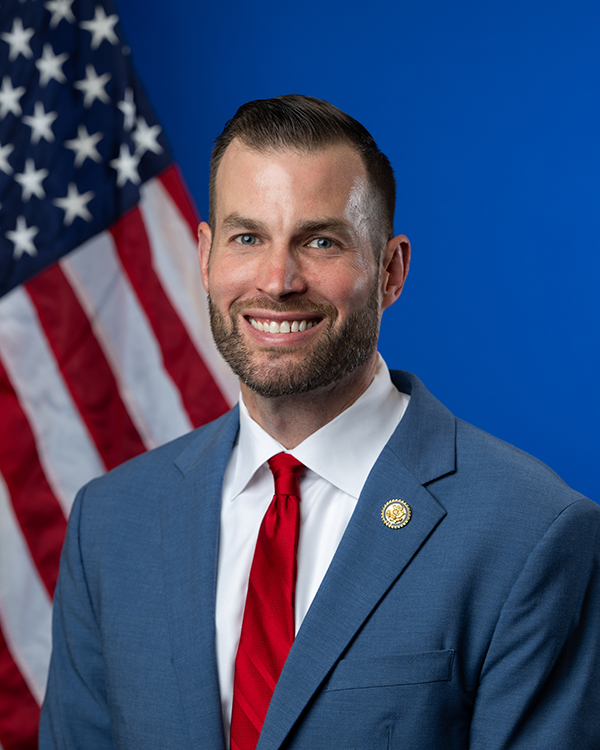
Clay Fuller
Clay Fuller House · District 14
R
Strong +
87% 46
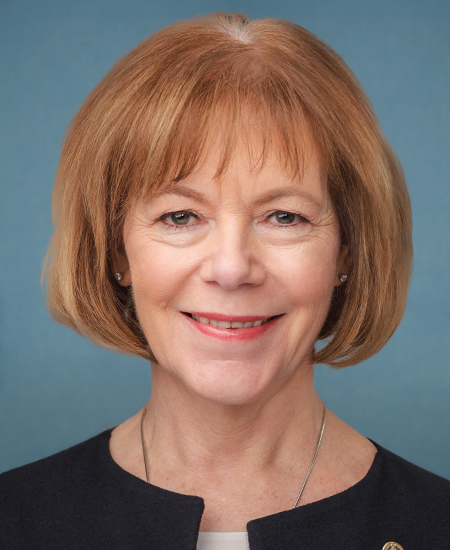
Tina Smith
Tina Smith Senate
D
Strong +
83% 77
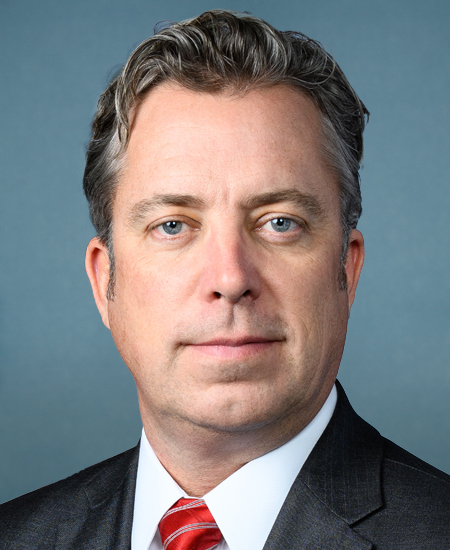
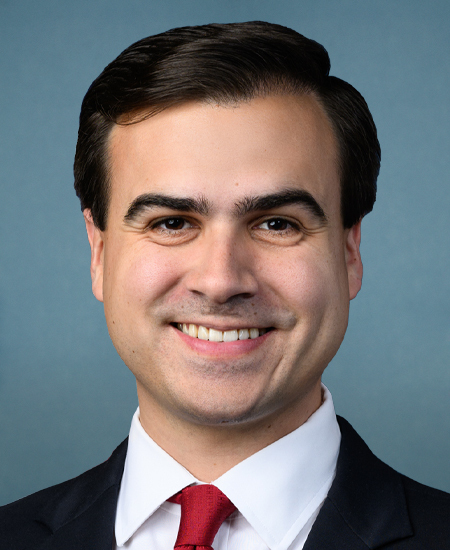
Andrew Ogles
Andrew Ogles House · District 5
R
Strong +
83% 65
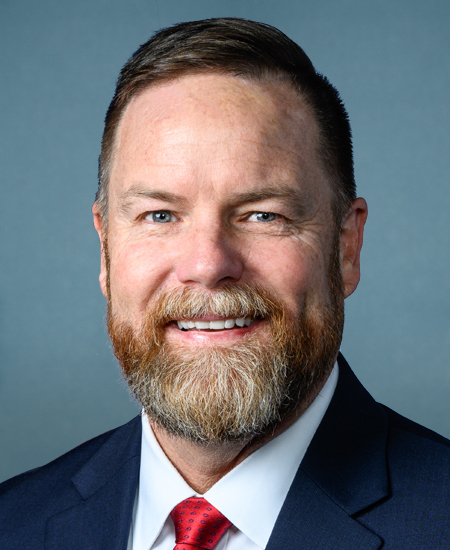
Aaron Bean
Aaron Bean House · District 4
R
Strong +
83% 69
Ben Cline
Ben Cline House · District 6
R
Strong +
83% 69
Eleanor Holmes Norton
Eleanor Holmes Norton House · District At-Large
D
Strong −
0% 26
Pablo José Hernández
Pablo José Hernández House · District At-Large
D
Strong −
7% 28
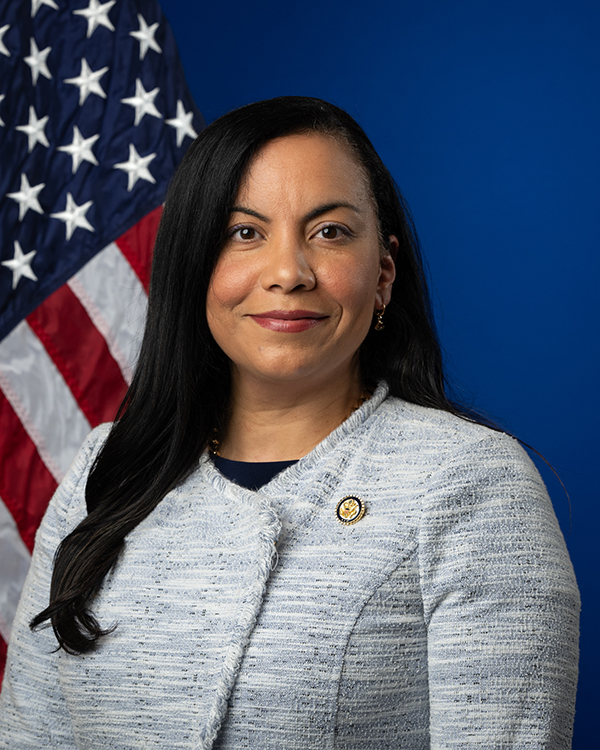
Analilia Mejia
Analilia Mejia House · District 11
D
Strong −
13% 45
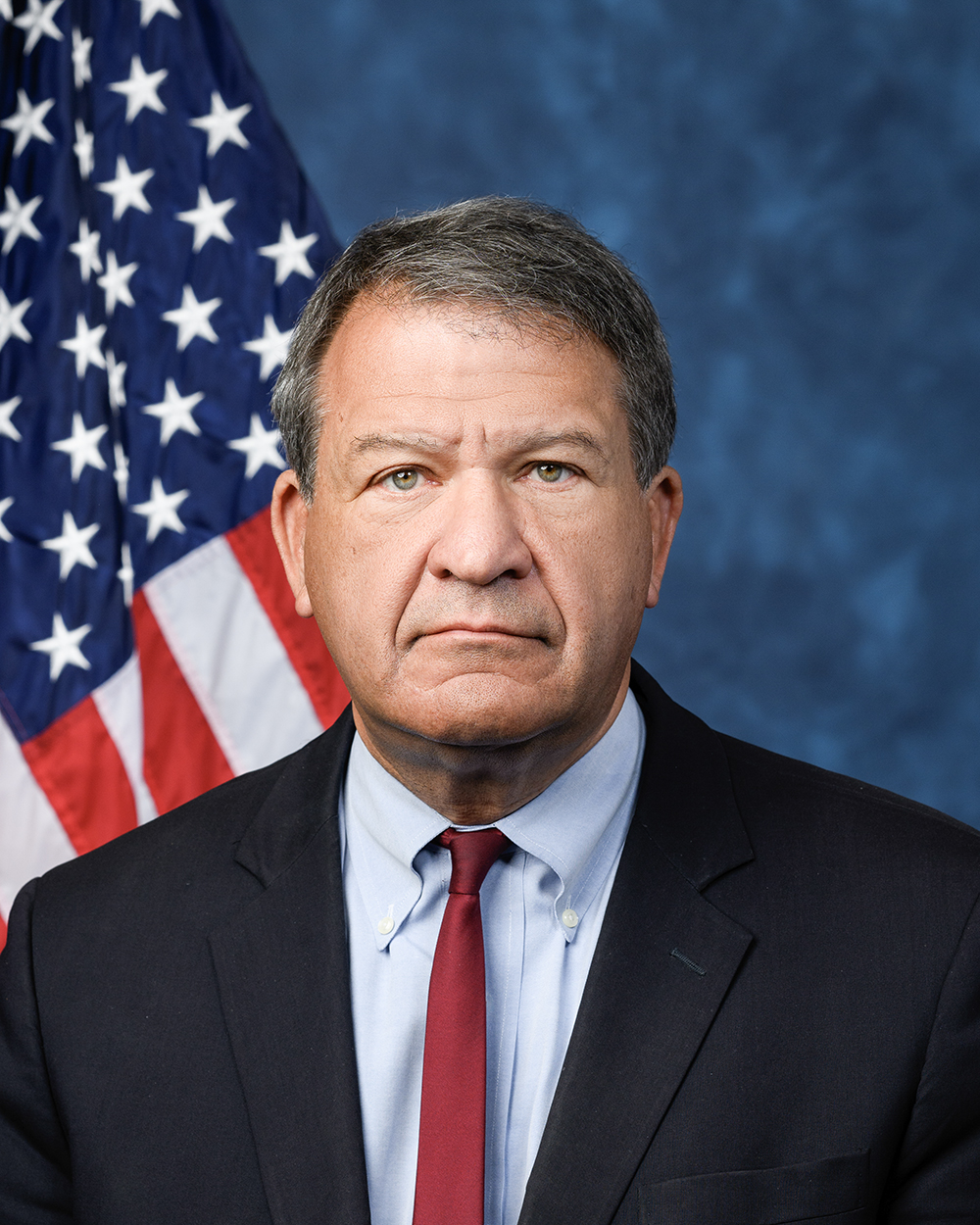
George Latimer
George Latimer House · District 16
D
Strong −
13% 67
Gregory W. Meeks
Gregory W. Meeks House · District 5
D
Strong −
14% 66
Showing 491–500 of 2,101 bills

All budget & taxes bills

passed · United States · House Jun 11, 2026

HR 8467: ZOMBIE Act

The ZOMBIE Act amends the Payment Integrity Information Act of 2019, primarily affecting federal executive agencies and their oversight of government spending. The bill redefines "improper payments" to specifically focus on those that result in a "financial loss to the Government," excluding administrative errors that don't cause actual financial harm. It requires the Treasury Secretary to develop new risk assessment guidance, which agencies must use to conduct more frequent assessments of their programs for these specific types of improper payments and fraud. Agencies will also be required to designate a senior official to coordinate efforts with oversight bodies, report on actions taken to prevent financial losses, and implement enhanced financial and administrative controls to mitigate fraud risks in federal programs.
Sub-Topics Government Spending
in committee · United States · Senate Apr 14, 2026

S 4283: Public Health and Bio-Preparedness Workforce Loan Repayment Reauthorization Act of 2026

This bill, the Public Health and Bio-Preparedness Workforce Loan Repayment Reauthorization Act of 2026, extends an existing federal program. It reauthorizes the Public Health and Bio-Preparedness Workforce Loan Repayment Program, which provides loan repayment assistance to professionals in public health and bio-preparedness fields. The key provision updates the program's funding authorization period. Specifically, it changes the authorization from fiscal years 2023 through 2025 to fiscal years 2027 through 2031, allowing the program to continue supporting this workforce.
passed · United States · House Jun 11, 2026

HR 8340: Taxpayer Funds Oversight and Accountability Act

The Taxpayer Funds Oversight and Accountability Act aims to improve financial management and accountability across federal agencies by strengthening the roles of agency Chief Financial Officers (CFOs) and revising government-wide financial planning. It expands CFO responsibilities to include overseeing internal controls over financial reporting and requires them to create public agency-specific plans for effective financial management, which must align with a new 4-year government-wide financial management plan developed by the Office of Management and Budget. The bill mandates that agencies annually assess and report on the effectiveness of their internal controls over financial reporting and key financial data. These changes are intended to provide greater transparency and ensure that performance and cost information are linked for better decision-making within the federal government.
in committee · United States · House Apr 20, 2026

HR 8368: To appropriate funds for the Federal Emergency Management Agency's Disaster Relief Fund, and for other purposes.

HR 8368 proposes to appropriate $26.367 billion for the Federal Emergency Management Agency's (FEMA) Disaster Relief Fund for fiscal year 2026. These funds are intended to cover necessary expenses for FEMA to carry out the Robert T. Stafford Disaster Relief and Emergency Assistance Act. This means the money would be used to help communities and individuals respond to and recover from major disasters officially declared under the Stafford Act. The bill also designates these funds as an emergency requirement, which exempts them from certain budgetary rules.
Sub-Topics Appropriations Tags Emergency Management
in committee · United States · Senate Mar 26, 2026

S 4222: End Polluter Welfare for Enhanced Oil Recovery Act of 2026

This bill, the End Polluter Welfare for Enhanced Oil Recovery Act of 2026, removes tax incentives for enhanced oil recovery projects that use carbon dioxide as an injectant. It directly affects oil and gas companies and energy producers who build qualified facilities after the law is enacted. The legislation eliminates the tax credit for carbon capture and storage when the captured carbon dioxide is used to extract more oil from existing wells. Additionally, the bill repeals the federal enhanced oil recovery tax credit that previously allowed companies to deduct certain costs related to extracting additional oil from mature wells. These changes apply to taxable years beginning after the bill is enacted.
Sub-Topics Tax Credits Oil & Gas
in committee · United States · Senate Mar 26, 2026

S 4252: WIPP Economic Assistance Assurance Act of 2026

The WIPP Economic Assistance Assurance Act of 2026 extends economic assistance payments to the state of New Mexico and the local community affected by the Waste Isolation Pilot Plant beyond the original 14-year limit. This change modifies existing law to allow payments to continue through the fiscal year when transuranic waste shipments to or from the facility are terminated. The bill directly impacts the state of New Mexico and communities near the WIPP site by ensuring ongoing financial support for economic development and community assistance. The provision removes the previous time restriction on these payments, allowing them to last as long as waste shipments occur at the facility.
in committee · United States · Senate Mar 25, 2026

S 4207: American Innovation Act of 2026

This bill, the American Innovation Act of 2026, modifies federal tax rules for businesses starting new operations and those undergoing ownership changes. It allows businesses to deduct up to $20,000 of start-up and organizational costs in their first year, with the remaining costs amortized over 15 years, and adjusts these dollar amounts annually for inflation. Additionally, the bill preserves net operating losses and certain tax credits generated during a business's early years when the business is later sold to a new owner, preventing those tax benefits from being lost due to ownership transfers. These changes apply to business activities beginning after December 31, 2025, and are designed to provide tax relief to entrepreneurs and maintain the value of tax benefits for businesses that change hands.
Sub-Topics Business Taxes
in committee · United States · House Mar 26, 2026

HR 8109: Save Struggling Hospitals Act

The Save Struggling Hospitals Act adjusts Medicare reimbursement rates for hospitals in low-wage areas to help them remain financially viable. It directly affects hospitals located in regions where the average hospital wages fall below the 25th percentile nationally. The bill increases the area wage index for these struggling hospitals by half the difference between their current index and the 25th percentile threshold, starting with discharges on or after October 1, 2019. These adjustments are designed to be budget neutral, meaning the increased payments to low-wage hospitals are offset by reductions elsewhere without decreasing payments to hospitals in the top 75th percentile or reducing any hospital's payment by more than 5 percent from the previous year.
Sub-Topics Hospitals Medicare
in committee · United States · Senate Feb 18, 2025

S 617: OPIOIDS Act

This bill (S 617, the OPIOIDS Act) provides federal funding to improve data collection and law enforcement response to opioid overdoses. It directly affects states, localities, and law enforcement agencies in areas with high overdose rates by authorizing grants for better toxicology testing, data linkage across systems, and training officers to identify overdoses and trace drugs. Key provisions include mandatory reporting to a national database for grant recipients, standardized reporting requirements for forensic labs, and funding for fentanyl containment equipment for first responders. The bill focuses on concrete data-sharing improvements and resource allocation, without mandating new reporting burdens for state/local labs.
Sub-Topics Substance Abuse
in committee · United States · Senate Mar 25, 2026

S 4196: Strengthen Social Security by Taxing Dynastic Wealth Act

This bill proposes to increase estate and gift taxes for individuals with significant wealth while directing the additional revenue to the Social Security Trust Fund. It raises the estate tax exemption to $3.5 million and adjusts tax rates for estates valued over $1 million, with changes taking effect after December 31, 2026. The legislation also consolidates the Federal Old-Age and Survivors Insurance Trust Fund and the Federal Disability Insurance Trust Fund into a single Social Security Trust Fund, which would receive 100% of certain payroll and income taxes. These structural changes aim to strengthen Social Security funding through higher taxes on dynastic wealth and administrative consolidation of existing trust funds.
Sub-Topics Tax Incentives
Showing 491 to 500 of 2,101 bills
Previous 1 … 49 50 51 … 211 Next