

Issue · Budget & Taxes
Budget & Taxes (Tax Credits)
Every budget & taxes bill, vote, and legislator stance in United States, automatically classified by Maddy, our AI policy reader.
Total bills
414
119th Congress
Top supporter
Adam B. Schiff
100% support rate
Top opponent
Ashley Moody
0% support rate
Ranked legislators
10
5 support · 5 oppose
Key legislators
Who's moving tax credits in United States
| Legislator | Party | Stance | Support rate | Decisive votes |
|---|---|---|---|---|

Adam B. Schiff
Senate
|
D |
Strong +
|
100% | 10 |

Alex Padilla
Senate
|
D |
Strong +
|
100% | 10 |

Amy Klobuchar
Senate
|
D |
Strong +
|
100% | 10 |

Andy Kim
Senate
|
D |
Strong +
|
100% | 10 |

Angela D. Alsobrooks
Senate
|
D |
Strong +
|
100% | 10 |

Ashley Moody
Senate
|
R |
Strong −
|
0% | 10 |
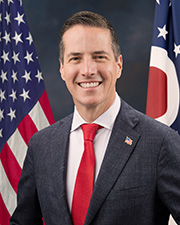
Bernie Moreno
Senate
|
R |
Strong −
|
0% | 10 |
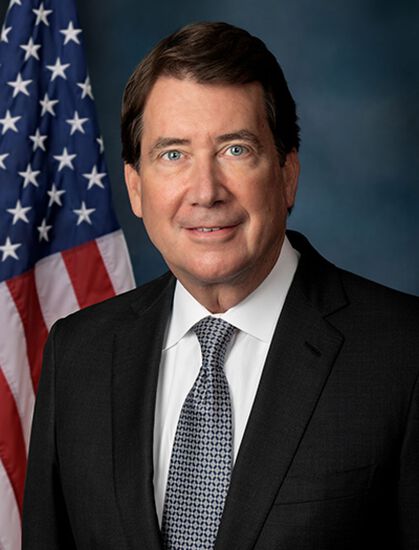
Bill Hagerty
Senate
|
R |
Strong −
|
0% | 10 |

Chuck Grassley
Senate
|
R |
Strong −
|
0% | 10 |

Cindy Hyde-Smith
Senate
|
R |
Strong −
|
0% | 10 |
Showing 341–350 of 414
bills
All budget & taxes bills
S 2494: Hire Student Veterans Act
Topics
✓ Budget & TaxesSupports Budget & TaxesExpands Work Opportunity Tax Credit for employers hiring veterans with VA benefits, directly reducing federal tax burden. Provides tax relief via credit expansion.
✓ EducationSupports EducationExpands educational access for veterans using GI Bill benefits by incentivizing employers to hire them while studying, directly supporting higher education access.
✓ Labor & EmploymentSupports Labor & EmploymentExpands tax credits for employers hiring veterans using VA benefits, promoting employment opportunities for this group.
✓ VeteransSupports VeteransExpands Work Opportunity Tax Credit for employers hiring veterans using VA educational benefits, directly supporting veteran employment and education transition.
HR 6758: UPLIFT Act
Sub-Topics
Tax Credits
HR 2085: Mental Health Research Accelerator Act of 2025
Topics
✓ Budget & TaxesSupports Budget & TaxesBill creates 25% tax credit for mental health/neurodegenerative research with $2B annual funding limit (2027-2030), directly using tax policy to fund research through budgeted tax expenditure.
✓ HealthcareSupports HealthcareProvides 25% tax credits for mental health research on psychiatric/neurodegenerative conditions, directly funding and advancing mental health services through research incentives.
HR 1753: Community News and Small Business Support Act
Topics
✓ Budget & TaxesSupports Budget & TaxesBill creates tax credits reducing taxes for small businesses (<50 employees) and local news journalists, providing direct tax relief aligned with supporting middle-income sectors and essential public services.
✓ Labor & EmploymentSupports Labor & EmploymentProvides wage tax credit (50%/30%) for local news journalists' compensation, directly advancing worker pay in the journalism sector.
HR 1427: To amend the Internal Revenue Code of 1986 to increase the amount of the adoption credit and to establish the in vitro fertilization expenses credit.
S 3770: Strong Start Act
Sub-Topics
Tax Credits
HR 1827: Child Care Availability and Affordability Act
Topics
✓ Budget & TaxesSupports Budget & TaxesExpands tax credits for families (50% of childcare costs) and employers (50% credit up to $500k), providing direct tax relief for childcare expenses.
✓ Labor & EmploymentSupports Labor & EmploymentIncreases childcare tax credits for families and employers, reducing a major barrier to workforce participation and supporting employment stability.
HR 1454: Rural Historic Tax Credit Improvement Act
Topics
✓ Budget & TaxesSupports Budget & TaxesIncreases tax credits (30-40%) for rural historic rehab, offering direct tax relief and transferability, advancing fiscal policy for affordable housing and rural development.
✓ HousingSupports HousingBill provides 40% tax credit for affordable housing rehab projects in rural areas, directly increasing incentives for affordable housing development.
Sub-Topics
Tax Credits
Tax Incentives
Affordable Housing
Historic Preservation
Homeownership
Tags
Rural Communities
HR 6824: To amend the Internal Revenue Code of 1986 to establish a tax credit for qualified combined heat and power system property, and for other purposes.
Topics
✓ Budget & TaxesSupports Budget & TaxesBill establishes a 10% federal tax credit for qualifying CHP systems, providing tax relief to businesses and advancing fiscal incentives for energy efficiency through targeted tax policy.
✓ EnergySupports EnergyCreates 10% tax credit for efficient CHP systems (>60% efficiency), promoting energy efficiency and clean infrastructure investment per bill's explicit provisions.
✓ EnvironmentSupports EnvironmentBill provides 10% tax credit for high-efficiency CHP systems (60%+ efficiency), reducing energy waste and emissions per EPA definitions of clean energy incentives.