

Issue · Budget & Taxes
Budget & Taxes (Tax Credits)
Every budget & taxes bill, vote, and legislator stance in United States, automatically classified by Maddy, our AI policy reader.
Total bills
381
119th Congress
Top supporter
Adam B. Schiff
100% support rate
Top opponent
Ashley Moody
0% support rate
Ranked legislators
10
5 support · 5 oppose
Key legislators
Who's moving tax credits in United States
| Legislator | Party | Stance | Support rate | Decisive votes |
|---|---|---|---|---|

Adam B. Schiff
Senate
|
D |
Strong +
|
100% | 10 |

Alex Padilla
Senate
|
D |
Strong +
|
100% | 10 |

Amy Klobuchar
Senate
|
D |
Strong +
|
100% | 10 |

Andy Kim
Senate
|
D |
Strong +
|
100% | 10 |

Angela D. Alsobrooks
Senate
|
D |
Strong +
|
100% | 10 |

Ashley Moody
Senate
|
R |
Strong −
|
0% | 10 |
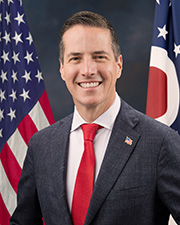
Bernie Moreno
Senate
|
R |
Strong −
|
0% | 10 |
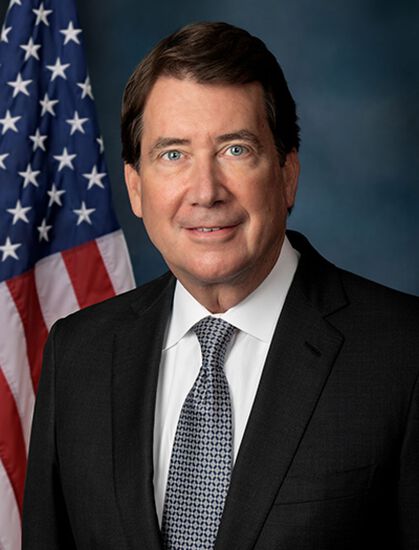
Bill Hagerty
Senate
|
R |
Strong −
|
0% | 10 |
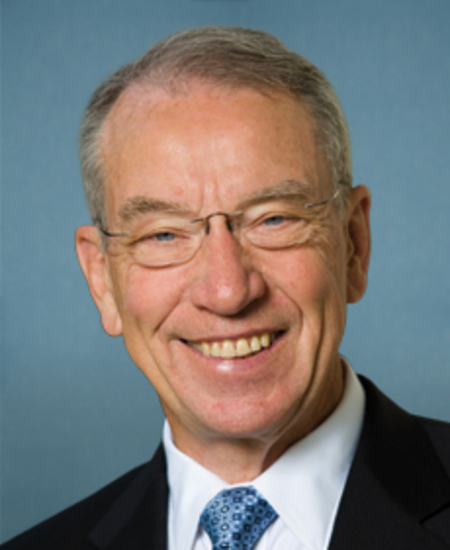
Chuck Grassley
Senate
|
R |
Strong −
|
0% | 10 |
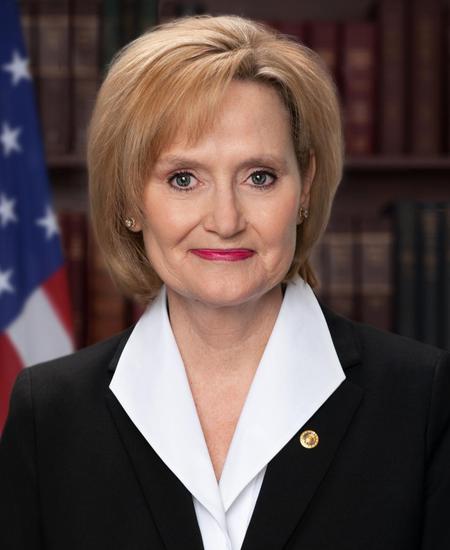
Cindy Hyde-Smith
Senate
|
R |
Strong −
|
0% | 10 |
Showing 341–350 of 381
bills
All budget & taxes bills
HR 308: Low Income Housing for Defense Communities Act
Topics
✓ Budget & TaxesSupports Budget & TaxesExcludes military housing allowances from income calculations, expanding tax credit eligibility for service members, thus providing tax relief to low-income households through modified tax incentives.
✓ HousingSupports HousingExcludes military housing allowances from income calculations for low-income housing tax credits, directly increasing eligibility. Designates military areas as 'difficult development areas' to boost housing access near installations.
HR 2410: Revitalizing Downtowns and Main Streets Act
Topics
✓ Budget & TaxesSupports Budget & TaxesCreates 20% federal tax credit for affordable housing conversions, directing $12B toward housing development with rent restrictions, advancing affordable housing funding through tax policy.
✓ HousingSupports HousingCreates 20% tax credit for converting buildings to affordable housing with 20% rent-restricted units for 30 years targeting 80% AMI earners, directly funding affordable housing expansion.
S 3596: Stronger Start for Working Families Act
Topics
✓ Budget & TaxesSupports Budget & TaxesLowers income threshold for refundable child tax credit, expanding access to low-income families and providing direct tax relief through simplified eligibility.
✓ Labor & EmploymentSupports Labor & EmploymentBill expands child tax credit eligibility for low-income working families, directly supporting worker benefits and financial stability for employed households.
Sub-Topics
Tax Credits
S 2556: Protecting Health Care and Lowering Costs Act
Topics
✓ Budget & TaxesSupports Budget & TaxesExtends premium tax credit providing direct tax relief to lower-income households (150%-400% FPL), aligning with tax relief indicators for middle/lower income.
✓ HealthcareSupports HealthcareExtends ACA premium tax credits for lower-income households (150%-400% FPL), directly increasing affordability and access to health insurance coverage.
HR 3166: Local Food Recycling and Regenerative Opportunities Act
Topics
✓ Budget & TaxesSupports Budget & TaxesBill creates 30% federal tax credit for homeowners on food recycling appliances/services, providing direct tax relief to individual taxpayers while capping benefits at $300/$120, aligning with tax relief indicators for middle/lower income.
✓ EnvironmentSupports EnvironmentProvides tax credits for food waste recycling, reducing landfill methane emissions and promoting organic waste diversion - direct environmental benefit.
HR 1611: RAISE Act of 2025
Topics
✓ Budget & TaxesSupports Budget & TaxesProvides tax credits and increased deductions for teachers (targeting lower/middle-income educators), directly advancing fiscal support through expanded tax relief.
✓ EducationSupports EducationIncreases teacher tax credits (up to $15k) and classroom expense deductions, targeting high-poverty schools to strengthen educator support and funding.
✓ Labor & EmploymentSupports Labor & EmploymentProvides tax credits and expense deductions to boost teacher compensation, directly supporting wages and financial security for educators.
S 968: Rent Relief Act of 2025
Topics
✓ Budget & TaxesSupports Budget & TaxesCreates refundable tax credit for renters under $100k income, providing direct tax relief to lower/middle-income households, aligning with tax relief indicators.
✓ HousingSupports HousingProvides refundable tax credit for renters paying >30% of income on rent, directly reducing housing costs for low/middle-income households and advancing affordability.
S 3778: Carbon Resource Innovation Act
Topics
✓ Budget & TaxesSupports Budget & TaxesBill expands federal tax credit (45Q) for carbon capture businesses, providing tax relief to incentivize facilities. Directly advances tax policy for fiscal support of clean energy infrastructure.
✓ EnergySupports EnergyExpands tax credits for carbon capture facilities, promoting clean energy infrastructure that reduces emissions from industrial sources.
✓ EnvironmentSupports EnvironmentExpands tax credits for carbon capture facilities, directly reducing atmospheric carbon emissions and advancing climate protection goals.
S 1676: RETAIN Act
Topics
✓ Budget & TaxesSupports Budget & TaxesRefundable tax credit for educators in high-need schools provides tax relief and funds public education, aligning with tax relief and public service funding indicators.
✓ EducationSupports EducationCreates refundable tax credit for educators in high-need schools, increasing with service years to retain teachers and support staff in underserved areas.
✓ HealthcareSupports HealthcareFunds school-based mental health providers via tax credit, directly supporting mental health services in educational settings.
✓ Labor & EmploymentSupports Labor & EmploymentProvides refundable tax credit increasing with service years for educators in high-need schools, directly boosting compensation and retention in critical workforce roles.