Issue · Budget & Taxes

Budget & Taxes (Government Spending)

Every budget & taxes bill, vote, and legislator stance in United States, automatically classified by Maddy, our AI policy reader.

Total bills
56
119th Congress
Top supporter
Anna Paulina Luna
100% support rate
Top opponent
Henry Cuellar
0% support rate
Ranked legislators
10
5 support · 5 oppose
Key legislators

Who's moving government spending in United States

Legislators moving government spending in United States
Legislator Party Stance Support rate Votes
Anna Paulina Luna
Anna Paulina Luna House · District 13
R
Strong +
100% 5
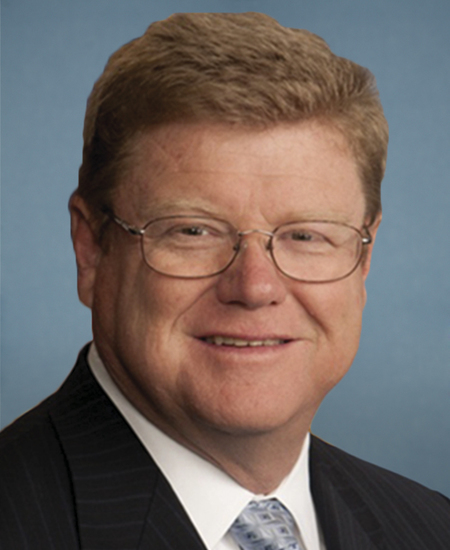
Mark E. Amodei
Mark E. Amodei House · District 2
R
Strong +
100% 5
Mike Carey
Mike Carey House · District 15
R
Strong +
100% 5
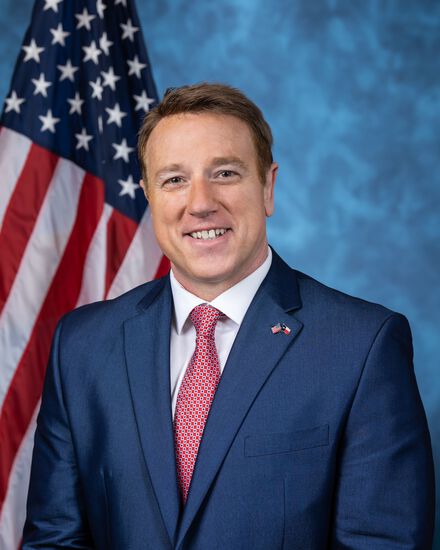
Pat Fallon
Pat Fallon House · District 4
R
Strong +
100% 5
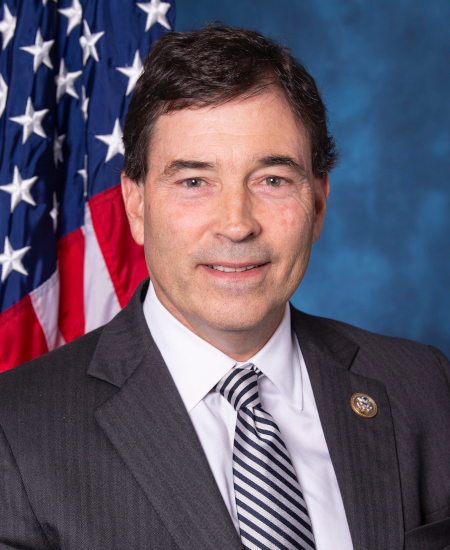
Troy Balderson
Troy Balderson House · District 12
R
Strong +
100% 5
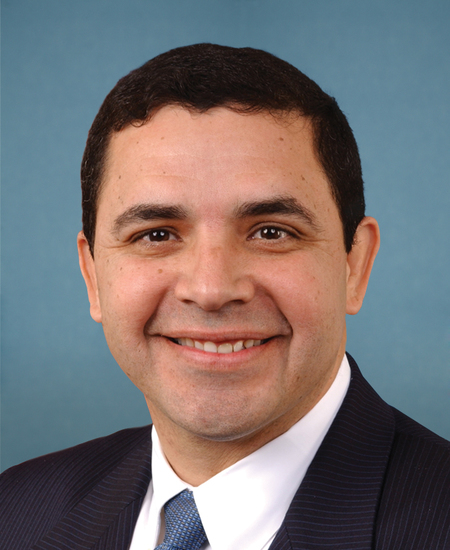
Henry Cuellar
Henry Cuellar House · District 28
D
Strong −
0% 6
Jake Auchincloss
Jake Auchincloss House · District 4
D
Strong −
0% 5
Kim Schrier
Kim Schrier House · District 8
D
Strong −
0% 5
Raja Krishnamoorthi
Raja Krishnamoorthi House · District 8
D
Strong −
0% 5
Robin L. Kelly
Robin L. Kelly House · District 2
D
Strong −
0% 5
Showing 21–30 of 56 bills

All budget & taxes bills

in committee · United States · House Jul 21, 2025

HR 4561: SUE Act

The SUE Act prohibits federal funds from being used to pay for Wall Street Journal subscriptions by any office of a Member of Congress (including delegates or resident commissioners) or any congressional committee. This restriction applies to all such offices and committees starting in fiscal year 2025. The law specifically targets this expenditure without affecting other subscription uses or funding mechanisms.
Sub-Topics Government Spending
in committee · United States · House Jul 10, 2025

HR 4311: Delivering On Government Efficiency in Spending Act

This bill requires federal agencies to provide detailed information about payments they authorize, including the purpose, funding source, and activity type. It mandates agencies to verify bank account information before payments are made and gives the Treasury Department access to the National Directory of New Hires, tax information, and Social Security data to help identify and prevent improper payments. Agencies must periodically verify payment information accuracy and report on payments exempt from these requirements due to sensitive operations. These provisions apply to all federal agencies using Treasury disbursement systems, aiming to improve government spending efficiency through better data sharing and verification processes.
Sub-Topics Government Spending
in committee · United States · House Jun 24, 2025

HR 4091: LEDGER Act

The LEDGER Act (HR 4091) requires the Treasury Department to create a system tracking every government payment within 180 days of enactment. It mandates that all federal departments, agencies, and branches (executive, legislative, judicial) must report disbursements from every funding source, including how long funds remain available for spending. This system will detail each payment's origin, recipient, and timing across all government accounts. The bill directly affects all federal spending entities by standardizing expenditure tracking previously handled inconsistently.
in committee · United States · House Jun 25, 2025

HR 4121: Agriculture, Rural Development, Food and Drug Administration, and Related Agencies Appropriations Act, 2026

# Summary of the Agriculture, Rural Development, Food and Drug Administration, and Related Agencies Appropriations Act, 2026 This comprehensive appropriations bill provides funding for the Department of Agriculture, Rural Development, Food and Drug Administration, and related agencies for fiscal year 2026. Key provisions include: ## Major Funding Provisions - $2 billion for Rural Development programs - $1.5 billion for Food and Drug Administration operations - $2 million for the Meat and Poultry Processing Expansion Program - $2 million for Section 758 of P.L. 118-42 - $1.5 million for grants under Section 12502 of Public Law 115-334 ## Significant Restrictions on Fund Usage - **Prohibits funds** for diversity, equity and inclusion initiatives or any program promoting Critical Race Theory (Section 755) - **Prohibits implementation** of certain proposed rules on poultry grower contracting and livestock markets (Section 729) - **Restricts SNAP variety requirements** until regulatory amendments are made (Section 726) - **Prohibits new guidelines** for Listeria monocytogenes until FDA considers new science (Section 756) - **Prohibits new sodium reduction regulations** until impact assessment is completed (Section 757) - **Requires congressional approval** for reprogramming of funds (Section 716) - **Limits indirect cost rates** on cooperative agreements to 10% of total direct cost (Section 704) ## Other Notable Provisions - Rescinds $100 million from WIC program unobligated balances (Section 722) - Rescinds $100 million from conservation activities unobligated balances (Section 778) - Rescinds $100 million from Inflation Reduction Act funds (Section 779) - Prohibits use of funds for certain tobacco product regulations (Section 773) - Requires specific study on applying "Buy American" requirements to nutrition programs (Section 775) - Prohibits use of funds for certain food traceability rules before August 1, 2028 (Section 766) The bill contains numerous specific restrictions on how federal funds may be spent, reflecting a strong emphasis on limiting government spending and regulating program implementation through detailed legislative language.
in committee · United States · House Feb 4, 2026

HR 5438: Incentivize Savings Act

This bill modifies federal budget rules for unspent agency funds. It requires federal agencies to allocate 49% of unused funds to the next fiscal year, 49% toward paying the national debt, and 2% for retention bonuses (capped at 10% of an employee's base pay). Agencies must also limit future budget requests to the previous year's amount adjusted for inflation. The bill directly affects all executive branch agencies (excluding the Red Cross), altering how they manage leftover budget authority. It does not create new savings programs for individuals but changes government fiscal management procedures.
Sub-Topics Government Spending
in committee · United States · House Sep 17, 2025

HR 5439: Medically Tailored Home-Delivered Meals Program Pilot Act

This bill creates a 6-year Medicare pilot program providing medically tailored home-delivered meals and nutrition counseling to specific high-risk Medicare patients after hospital discharge. It targets individuals with diet-impacted conditions (like diabetes or heart failure) who live at home, have limited mobility, and are at high risk of hospital readmission. Selected hospitals must meet quality standards, screen patients using approved tools, and deliver at least two meals daily meeting nutritional needs while respecting cultural/religious dietary requirements, all without patient cost-sharing. The program requires hospitals to submit data for the Secretary to evaluate health outcomes, readmission rates, and cost savings compared to non-participants. Funding comes from the Medicare Hospital Insurance Trust Fund, offset by reductions to other hospital payments to maintain budget neutrality.
in committee · United States · House Aug 1, 2025

HR 4840: CREATE Act

The CREATE Act increases tax credit limits for film and television productions, raising the annual spending cap from $15 million to $30 million for qualified productions and adjusting related thresholds from $20 million to $40 million. It adds an annual inflation adjustment mechanism to these limits starting in 2026, automatically increasing them based on the cost-of-living index. The bill extends the program's expiration date from December 31, 2025, to December 31, 2030. This directly affects producers of eligible entertainment projects by expanding available tax credits and providing long-term stability for the industry. The changes apply to productions starting in taxable years ending after December 31, 2025.
in committee · United States · House Dec 1, 2025

HR 5794: FEMA Operations Continuity Act of 2025

This bill ensures FEMA can continue disaster relief operations during government funding gaps by authorizing the agency to use existing Disaster Relief Fund balances. It allows FEMA to process claims and payments for both current and future disasters (including individual and public assistance) without interruption, while maintaining necessary staff and contracts. The bill prohibits diverting Disaster Relief Fund money during shutdowns (except for mandatory legal requirements) and explicitly designates FEMA operations as "essential" under the Anti-Deficiency Act to protect life and property. It directly affects disaster victims by preventing aid delays during budget disputes.
Sub-Topics Government Spending Tags Emergency Management
in committee · United States · House Feb 6, 2026

HR 7395: NO ICE ADs Act

HR 7395, the NO ICE ADs Act, prohibits the Department of Homeland Security (DHS) from spending federal funds on television advertisements promoting U.S. Immigration and Customs Enforcement (ICE), recruiting for ICE, or improving ICE's public image. This bill directly affects DHS by restricting how it can use its budget for communication activities related to ICE. The key provision bans the obligation or expenditure of funds for any TV ads intended to advance ICE's brand, programs, or personnel recruitment. It does not alter immigration enforcement policies or create new legal requirements, only limiting specific advertising spending. The bill aims to prevent federal resources from being used to support ICE's public outreach efforts.
in committee · United States · House Dec 18, 2025

HR 6895: Debt Solution and Accountability Act

HR 6895, the Debt Solution and Accountability Act, requires the Treasury Secretary to submit detailed reports to Congress before increasing the debt limit. These reports must include current and projected debt levels, drivers of future debt, plans to reduce debt growth (short, medium, and long-term), and analyses of how debt limit actions affect government spending, debt service, and the dollar's global role. The bill also mandates a progress report within 180 days after any debt limit increase or suspension, and requires public posting of all reports on Treasury's website for six months. Additionally, it grants congressional committees specific access to Treasury financial data upon request, including cash flow details and debt transaction information. The bill focuses solely on transparency and reporting requirements, without altering debt policy or spending levels.
Showing 21 to 30 of 56 bills
Previous 1 2 3 4 6 Next