Issue · Budget & Taxes

Budget & Taxes

Every budget & taxes bill, vote, and legislator stance in United States, automatically classified by Maddy, our AI policy reader.

Total bills
305
119th Congress
Top supporter
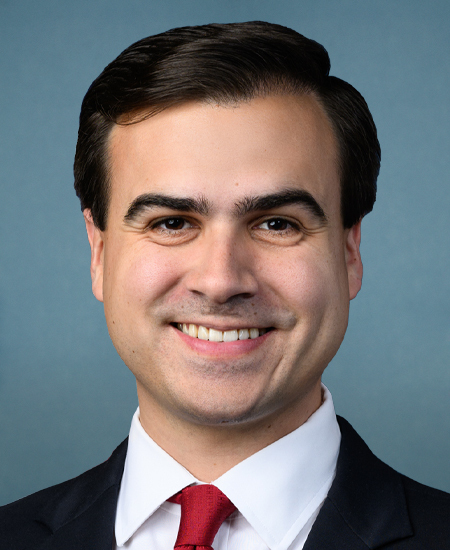
Clay Fuller
86% support rate
Top opponent
Eleanor Holmes Norton
0% support rate
Ranked legislators
10
5 support · 5 oppose
Key legislators

Who's moving budget & taxes in United States

Legislators moving budget & taxes in United States
Legislator Party Stance Support rate Votes
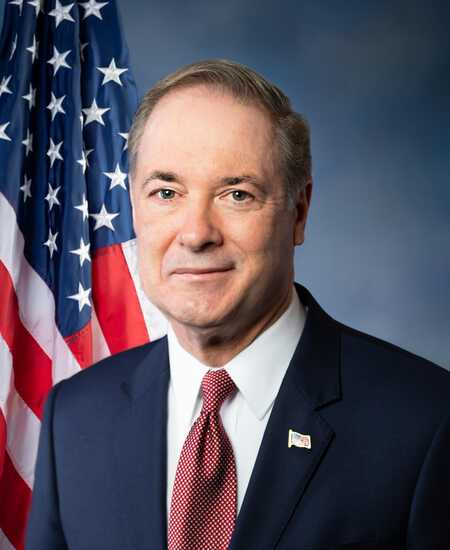
Clay Fuller
Clay Fuller House · District 14
R
Strong +
86% 55
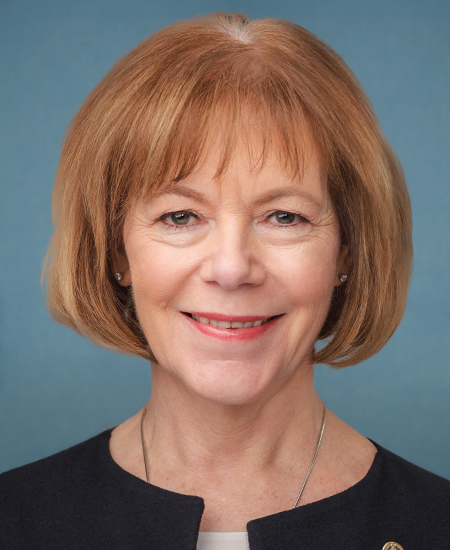
Tina Smith
Tina Smith Senate
D
Strong +
83% 251
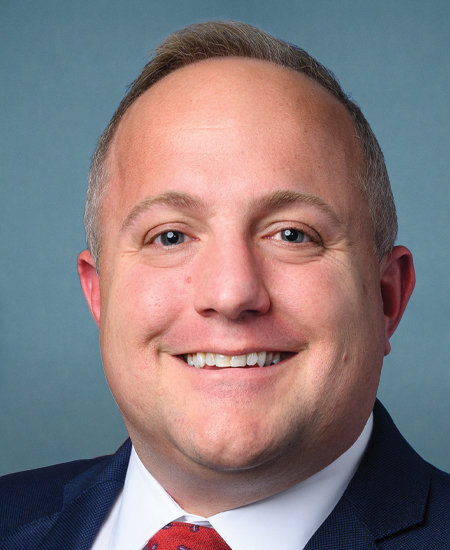
Andrew Ogles
Andrew Ogles House · District 5
R
Strong +
83% 175
Russell Fry
Russell Fry House · District 7
R
Strong +
82% 186
John Joyce
John Joyce House · District 13
R
Strong +
82% 185
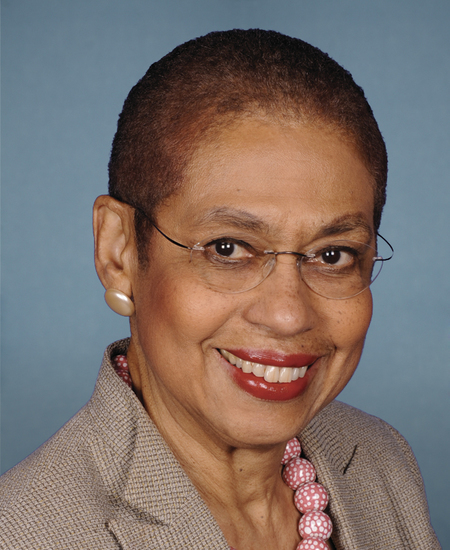
Eleanor Holmes Norton
Eleanor Holmes Norton House · District At-Large
D
Strong −
0% 46
Pablo José Hernández
Pablo José Hernández House · District At-Large
D
Strong −
7% 46
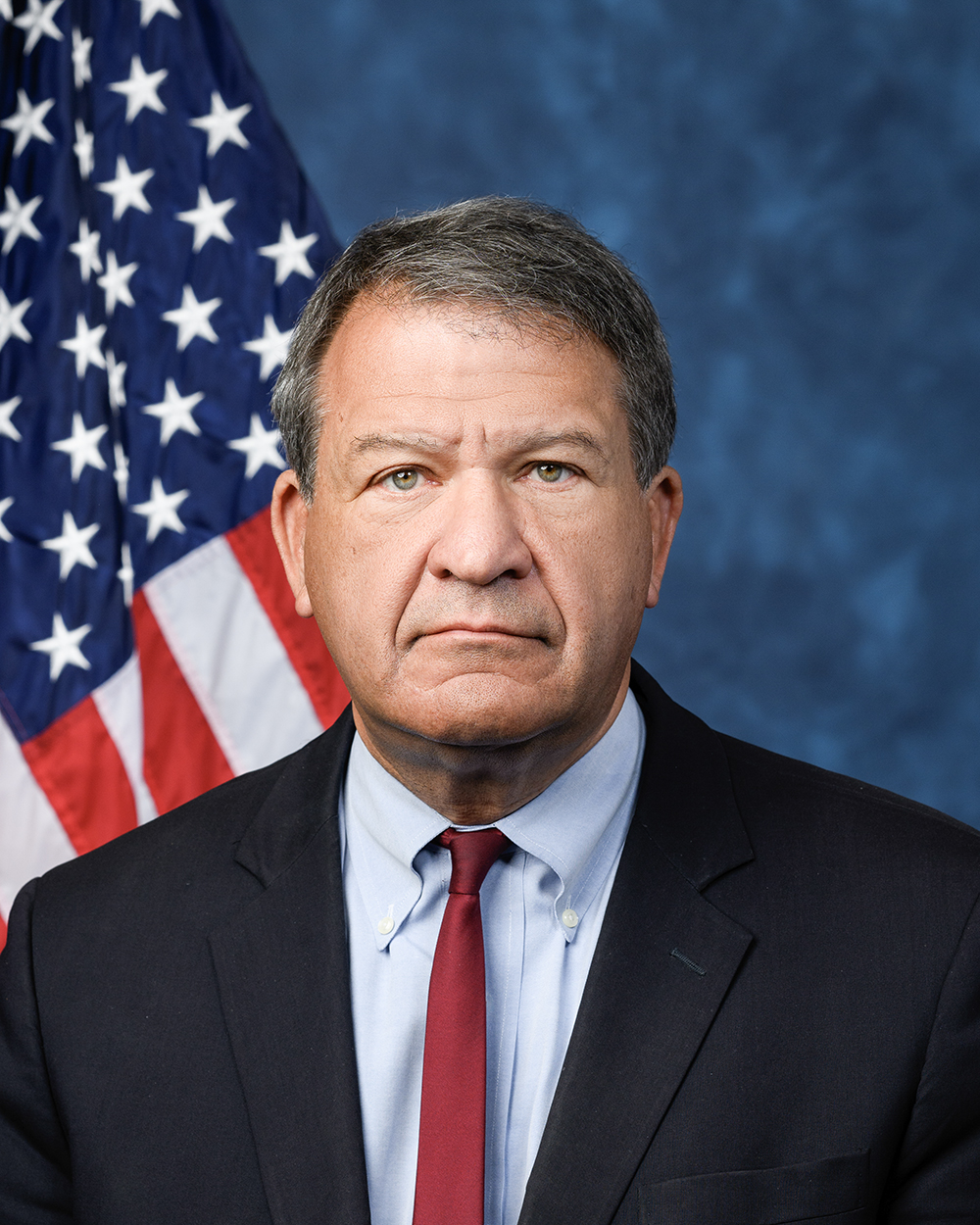
George Latimer
George Latimer House · District 16
D
Strong −
14% 181
Analilia Mejia
Analilia Mejia House · District 11
D
Strong −
14% 52
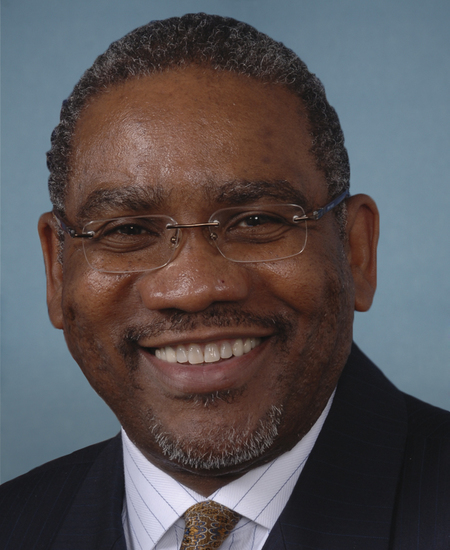
Gregory W. Meeks
Gregory W. Meeks House · District 5
D
Strong −
14% 181
Showing 281–290 of 305 bills

All budget & taxes bills

in committee · United States · Senate Dec 3, 2025

S 3332: More Homes on the Market Act

This bill increases the tax exclusion for capital gains when selling a primary residence. It doubles the exclusion amount from $250,000 (for single filers) to $500,000 and from $500,000 (for married couples) to $1,000,000. The bill also adds an inflation adjustment for amounts after 2025, tying future increases to the cost-of-living adjustment. It directly affects homeowners who sell their primary residence and would otherwise owe tax on profits exceeding the previous limits. The changes apply to sales after the bill's enactment date.
in committee · United States · House Jan 9, 2025

HR 311: Restoring Fuel Market Freedom Act of 2025

HR 311, the Restoring Fuel Market Freedom Act of 2025, repeals multiple existing federal tax credits for fuel producers and importers. It specifically eliminates tax credits for alcohol fuels (Section 40), biodiesel (Section 40A), sustainable aviation fuel (Section 40B), clean fuel production (Section 45Z), and alternative fuel mixtures (Section 6426). These repeals apply to fuels produced, sold, or used after the bill's enactment date, removing current tax incentives for these fuel types. The bill directly affects businesses producing or importing these fuels, as they will no longer qualify for the repealed credits.
in committee · United States · House Apr 30, 2026

HR 2424: Modern, Clean, and Safe Trucks Act of 2025

HR 2424, the Modern, Clean, and Safe Trucks Act of 2025, repeals a 12% federal excise tax on new heavy trucks, tractors, and trailers. This tax currently adds significant costs - $7,000+ for trailers, $20,000+ for clean diesel trucks, and up to $50,000 for advanced technology trucks - discouraging replacement of older, less efficient vehicles. The bill directly affects truck manufacturers, dealers, and fleet operators by removing this cost barrier, making newer, cleaner models more affordable. It aims to accelerate the adoption of modern trucks with improved safety and environmental features, particularly benefiting electric and alternative-fuel vehicles that face higher upfront costs.
in committee · United States · Senate Jan 22, 2025

S 181: A bill to require agencies submit zero-based budgets.

S 181 requires most federal agencies to submit zero-based budgets every six years, analyzing current operations, exploring alternatives, and ranking programs by importance. These budgets must cover the next fiscal year and the following four years, submitted to the Office of Management and Budget and congressional budget committees. Agencies (excluding Defense and the National Nuclear Security Administration) must also recommend specific program cuts totaling at least a 2% reduction in non-defense discretionary spending from the prior year. The bill directly affects how federal agencies plan and justify their funding, aiming to improve budget efficiency through systematic review.
in committee · United States · Senate Oct 29, 2025

S 3072: No Coffee Tax Act

This bill, S 3072 (No Coffee Tax Act), prevents new tariffs on coffee imports from countries with normal trade relations with the U.S. It freezes the existing tariff rate for coffee products at the level effective as of January 19, 2025, prohibiting any increase. The bill directly affects U.S. coffee importers, roasters, and businesses that rely on imported coffee beans or products. Key provisions require that no additional duty or tariff may be imposed above this frozen rate, regardless of emergency circumstances or other tariff authorities.
in committee · United States · Senate Feb 3, 2025

S 360: A bill to provide for across-the-board rescissions of nonsecurity discretionary spending.

S 360 would automatically reduce nonsecurity federal spending by specific percentages each fiscal year: 1% for 2026, 2% for 2027, and 5% annually starting in 2028. It directly affects nonsecurity discretionary programs like education, transportation, and scientific research (excluding defense and intelligence), as defined by the bill. The reductions apply pro rata across all such programs funded through annual appropriations. The Office of Management and Budget must report these cuts to Congress annually after each fiscal year ends.
in committee · United States · House Jul 2, 2025

HR 4280: Bipartisan Tax Fairness Act of 2025

HR 4280, the Bipartisan Tax Fairness Act of 2025, modifies federal income tax brackets for all filing statuses, including married couples filing jointly, heads of households, single filers, married filing separately, and estates/trusts. It lowers the income thresholds where higher tax rates apply - for example, the 10% bracket for married couples ends at $19,050 (down from current law) instead of $20,550. The bill retains the same marginal tax rates (10% to 39.6%) but adjusts bracket ranges annually for inflation to prevent taxpayers from moving into higher brackets due to rising prices. These changes apply to taxable years beginning after December 31, 2025.
Sub-Topics Income Tax
in committee · United States · House Jan 28, 2025

HR 781: No Track No Tax Act of 2025

The No Track No Tax Act of 2025 prohibits federal funds from being used to study, propose, establish, implement, or enforce any mileage tax program, including those requiring vehicle mileage tracking. It directly affects state and local governments seeking to adopt mileage-based taxes, as they cannot use federal money for related activities like developing tracking systems. The bill blocks federal financial support for mileage tax initiatives but does not ban the taxes themselves. This restriction applies to all federal funding streams, preventing even indirect support for such programs.
in committee · United States · Senate Jul 31, 2025

SJRES 72: A joint resolution providing for congressional disapproval under chapter 8 of title 5, United States Code, of the rule submitted by the Internal Revenue Service relating to "Estate Tax Closing Letter User Fee Update".

This resolution would block an IRS rule that would have imposed new user fees for estate tax closing letters. It targets a specific rule (90 Fed. Reg. 21410, published May 20, 2025) requiring fees when the IRS issues closing letters for estate tax returns. If approved, the rule would be voided, preventing the new fees from taking effect for individuals and professionals handling estate tax matters. The resolution is a procedural step under Chapter 8 of Title 5, U.S. Code, to disapprove the rule without creating new law.
Sub-Topics Fees & Licensing
in committee · United States · House Jul 23, 2025

HJRES 110: Proposing a balanced budget amendment to the Constitution of the United States.

This joint resolution proposes a constitutional amendment that requires federal expenditures and receipts to be balanced, which may occur over more than one year. Under the amendment, expenditures include all federal expenditures except those for payment of debt. Receipts do not include receipts derived from borrowing. The amendment requires Congress to achieve balance within 10 years of the ratification of the amendment. In an emergency situation, two-thirds of the House of Representatives and the Senate may authorize additional expenditures that are not otherwise permitted by the amendment. The additional expenditures must be for a limited time, and debts incurred from the expenditures must be paid as soon as practicable.
Showing 281 to 290 of 305 bills
Previous 1 28 29 30 31 Next