Issue · Budget & Taxes

Budget & Taxes

Every budget & taxes bill, vote, and legislator stance in United States, automatically classified by Maddy, our AI policy reader.

Total bills
305
119th Congress
Top supporter
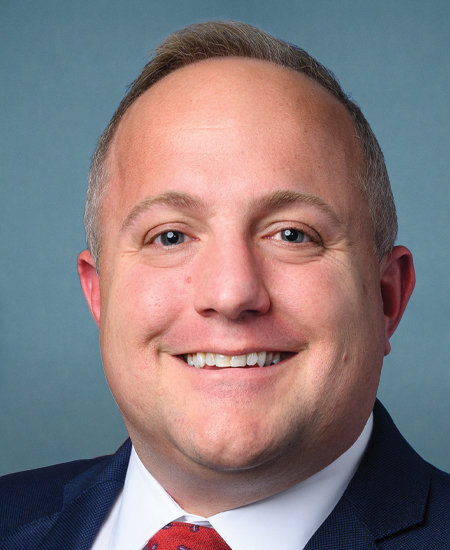
Clay Fuller
86% support rate
Top opponent
Eleanor Holmes Norton
0% support rate
Ranked legislators
10
5 support · 5 oppose
Key legislators

Who's moving budget & taxes in United States

Legislators moving budget & taxes in United States
Legislator Party Stance Support rate Votes
Clay Fuller
Clay Fuller House · District 14
R
Strong +
86% 55
Tina Smith
Tina Smith Senate
D
Strong +
83% 251
Andrew Ogles
Andrew Ogles House · District 5
R
Strong +
83% 175
Russell Fry
Russell Fry House · District 7
R
Strong +
82% 186
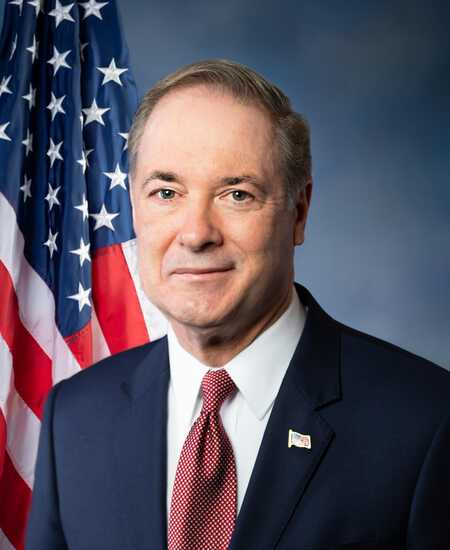
John Joyce
John Joyce House · District 13
R
Strong +
82% 185
Eleanor Holmes Norton
Eleanor Holmes Norton House · District At-Large
D
Strong −
0% 46
Pablo José Hernández
Pablo José Hernández House · District At-Large
D
Strong −
7% 46
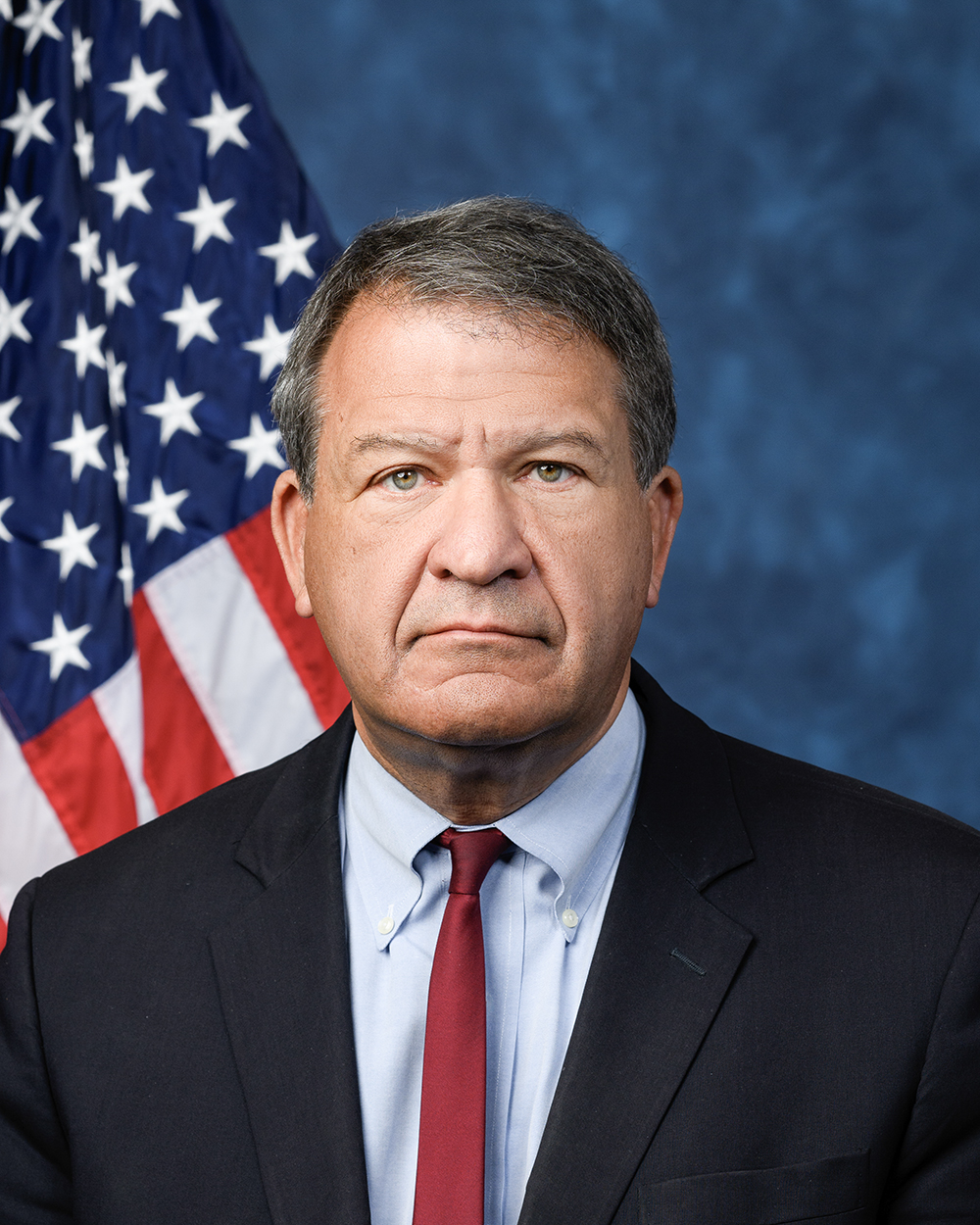
George Latimer
George Latimer House · District 16
D
Strong −
14% 181
Analilia Mejia
Analilia Mejia House · District 11
D
Strong −
14% 52
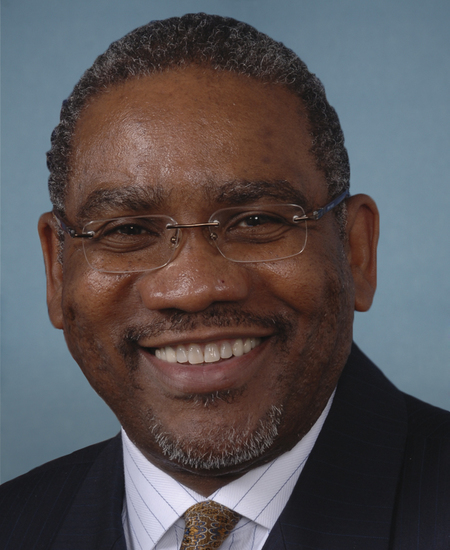
Gregory W. Meeks
Gregory W. Meeks House · District 5
D
Strong −
14% 181
Showing 261–270 of 305 bills

All budget & taxes bills

in committee · United States · Senate Apr 8, 2025

S 1335: Secure Family Futures Act of 2025

This bill, titled misleadingly as the "Secure Family Futures Act of 2025," actually modifies tax rules for specific insurance companies, not family-related policies. It directly affects "applicable insurance companies" (defined as most domestic insurers not using special tax elections or foreign entities) by: (1) excluding their debt holdings (like bonds) from being counted as capital assets for tax purposes, and (2) allowing capital losses incurred by these companies to be carried forward over 10 years instead of the standard period. These changes apply to debt acquired and losses arising after December 31, 2025. The bill contains no provisions related to families, child welfare, or social programs.
Tags Families
in committee · United States · House Mar 6, 2025

HRES 199: Condemning woke foreign aid programs.

This resolution (HRES 199) condemns specific U.S. foreign aid programs listed in the resolution, including grants for transgender health services in Guatemala, diversity training in Serbia, drag HIV awareness campaigns in South Africa, and cultural events like a transgender opera in Colombia. It does not create new policy but demands that the House oppose such programs as wasteful, requesting a government audit of all State Department and USAID grants since 2021. Key provisions include suspending similar grants pending review, requiring public disclosure of all grant details, and proposing a 0.1% cap on cultural exchange spending. The resolution aims to redirect funds to domestic priorities like infrastructure and veteran care, with no binding effect on actual aid spending.
in committee · United States · Senate Feb 12, 2025

S 538: Eliminating Leftover Expenses for Campaigns from Taxpayers (ELECT) Act of 2025

S 538, the ELECT Act of 2025, ends taxpayer funding for presidential election campaigns after 2024. It terminates the existing system where income tax payments financed campaigns by amending the tax code to stop this practice starting in 2025. Any remaining funds in the Presidential election campaign fund will be transferred to the general Treasury to reduce the federal deficit. This bill directly affects future presidential campaigns and the federal budget by removing taxpayer subsidies for campaign expenses.
in committee · United States · Senate Jul 24, 2025

S 2444: End Polluter Welfare Act of 2025

This bill eliminates government subsidies for fossil fuel production by increasing royalties for oil and gas extraction, terminating tax credits for fossil fuel companies, and prohibiting government funding for fossil fuel projects. It repeals recent legislation that provided fossil fuel subsidies, including provisions from the Inflation Reduction Act, and requires a study of additional subsidies. The bill affects fossil fuel companies, government agencies, and financial institutions that support fossil fuel development. Key provisions would take effect for production and tax years beginning after the bill's enactment.
Sub-Topics Oil & Gas
in committee · United States · House May 13, 2025

HR 3330: Energy Freedom Act

HR 3330, the Energy Freedom Act, repeals numerous tax credits and incentives related to clean energy and energy efficiency. The bill specifically targets credits for residential energy improvements, clean vehicles, renewable energy production, biofuels, and energy-efficient buildings. These repeals would eliminate tax benefits for individuals and businesses that previously claimed these credits. The changes would take effect for property placed in service, vehicles acquired, or credits claimed after December 31, 2025, depending on the specific provision. The bill does not repeal all energy-related tax provisions, as section 7 modifies the Second Generation Biofuel Producer Credit rather than repealing it.
passed · United States · House Feb 24, 2026

HRES 1075: Providing for consideration of the bill (H.R. 4626) to amend the Energy Policy and Conservation Act to prohibit the Secretary of Energy from prescribing any new or amended energy conservation standard for a product that is not technologically feasible and economically justified, and for other purposes, and providing for consideration of the bill (H.R. 4758) to repeal provisions of Public Law 117–169 relating to taxpayer subsidies for home electrification, and for other purposes.

HRES 1075 is a procedural resolution that enables the House to debate and vote on two specific bills. It allows consideration of H.R. 4626, which would prevent the Energy Secretary from setting new appliance efficiency standards unless they are both technologically possible and economically reasonable for manufacturers. It also enables consideration of H.R. 4758, which would eliminate federal tax subsidies for home electrification projects under Public Law 117-169. This resolution waives objections to debating these bills and sets rules for their floor consideration. The resolution itself does not change policy but facilitates the legislative process for these two bills.
in committee · United States · House Jun 12, 2025

HR 3787: Emergency Spending Accountability Act

HR 3787, the Emergency Spending Accountability Act, requires the Office of Management and Budget to implement mandatory spending cuts equal to 20% of all emergency spending approved in a fiscal year. These cuts would occur over five years (starting October 1 of the next fiscal year) and apply to most federal programs, though they exempt Social Security benefits, national defense (budget function 050), Department of Veterans Affairs programs, and Medicare. The bill also mandates that any congressional measure containing emergency spending must include a detailed justification explaining why the spending qualifies as "emergency" under existing budget laws. This aims to create accountability for spending that bypasses standard budget limits.
Sub-Topics Appropriations Government Spending Tags Emergency Management
in committee · United States · Senate Nov 20, 2025

S 3227: Protecting American Farmland Act

This bill prohibits federal funding for ground-mounted solar projects that convert prime farmland (defined as the most productive agricultural land under existing law) and excludes such projects from key tax credits like the residential clean energy credit (Section 25D), production tax credits (Sections 45, 45Y), and investment tax credits (Sections 48, 48E). It directly affects solar developers and property owners seeking to install solar facilities on prime farmland, blocking both federal financial support and tax incentives for these projects. The bill uses the existing definition of "prime farmland" from the Farmland Protection Policy Act to prevent agricultural land from being repurposed for solar energy generation. Its core mechanism is a dual restriction: no federal funds for covered projects and exclusion from tax credits for solar installations on protected farmland.
Sub-Topics Renewable Energy Solar Conservation Tags Agriculture
in committee · United States · Senate Jun 9, 2025

S 1987: A bill to amend the Internal Revenue Code of 1986 to provide special rules for purposes of determining if financial guaranty insurance companies are qualifying insurance corporations under the passive foreign investment company rules.

This bill changes tax rules to help certain financial guaranty insurance companies avoid being classified as "passive foreign investment companies" (PFICs) under U.S. tax law. It specifically allows these companies to include unearned premium reserves in their insurance liabilities for PFIC calculations if they meet strict exposure ratios: at least 15-to-1 for financial guaranty exposure or 9-to-1 for state/local bond exposure. The bill also requires clearer financial reporting for these companies and applies to taxable years starting after December 2024. It directly affects insurance companies whose sole business is writing or reinsuring financial guaranty insurance (like bond insurance).
in committee · United States · House Feb 7, 2025

HR 1112: Racehorse Tax Parity Act

The Racehorse Tax Parity Act (HR 1112) changes tax rules for racehorses by reducing the required holding period from 24 months to 12 months for horses to qualify as "section 1231 assets" under federal tax law. This directly affects racehorse owners, breeders, and businesses that buy/sell horses, as it allows them to treat horses as business assets sooner for tax purposes. The bill amends the Internal Revenue Code to remove horses from the list of assets requiring a longer holding period, aligning their tax treatment with other livestock. The change applies to taxable years beginning after December 31, 2024.
Showing 261 to 270 of 305 bills
Previous 1 26 27 28 31 Next