Issue · Budget & Taxes

Budget & Taxes

Every budget & taxes bill, vote, and legislator stance in United States, automatically classified by Maddy, our AI policy reader.

Total bills
306
119th Congress
Top supporter
Clay Fuller
87% support rate
Top opponent
Eleanor Holmes Norton
0% support rate
Ranked legislators
10
5 support · 5 oppose
Key legislators

Who's moving budget & taxes in United States

Legislators moving budget & taxes in United States
Legislator Party Stance Support rate Decisive votes
Clay Fuller
Clay Fuller House · District 14
R
Strong +
87% 46
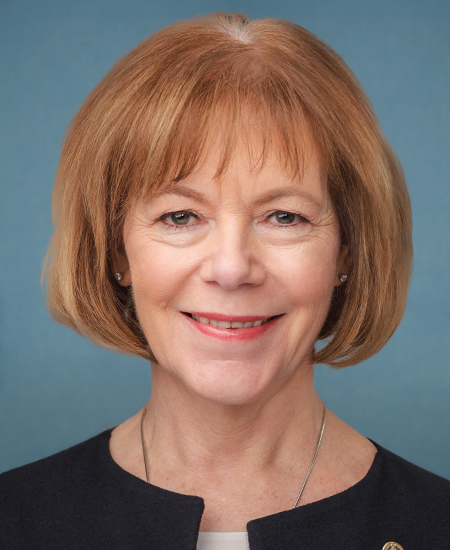
Tina Smith
Tina Smith Senate
D
Strong +
83% 77
Andrew Ogles
Andrew Ogles House · District 5
R
Strong +
83% 65
Aaron Bean
Aaron Bean House · District 4
R
Strong +
83% 69
Ben Cline
Ben Cline House · District 6
R
Strong +
83% 69
Eleanor Holmes Norton
Eleanor Holmes Norton House · District At-Large
D
Strong −
0% 26
Pablo José Hernández
Pablo José Hernández House · District At-Large
D
Strong −
7% 28
Analilia Mejia
Analilia Mejia House · District 11
D
Strong −
13% 45
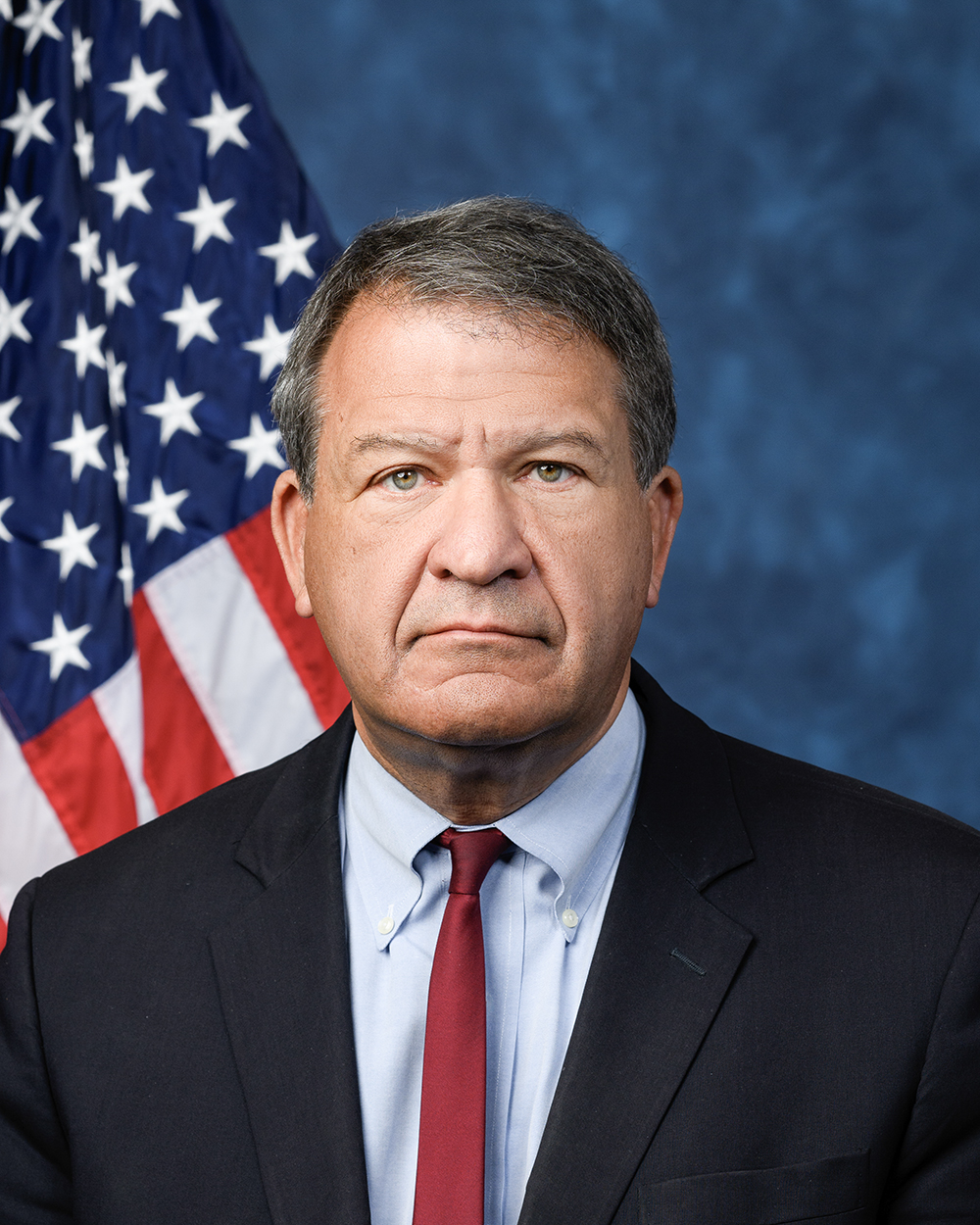
George Latimer
George Latimer House · District 16
D
Strong −
13% 67
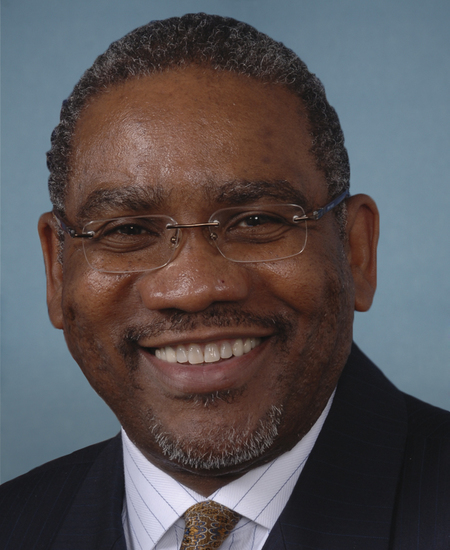
Gregory W. Meeks
Gregory W. Meeks House · District 5
D
Strong −
14% 66
Showing 221–230 of 306 bills

All budget & taxes bills

in committee · United States · Senate May 22, 2025

S 1904: Ending Taxpayer Support for Big Egg Producers Act

This bill amends federal law to restrict government compensation for large egg producers affected by avian influenza. It defines "covered entities" as egg producers with over $100 million in annual revenue or 1,500 employees, requiring them to certify they will not pay dividends or repurchase stock for two years after receiving payments. Private equity-owned or public companies must also certify they cannot access other funding without significant harm to operations. Violating these certification requirements could trigger repayment of funds plus fines or up to 5 years in prison. The bill targets existing indemnity payments under the Animal Health Protection Act, not new funding.
in committee · United States · House Jan 23, 2025

HR 684: Protecting American Savers and Retirees Act

HR 684, the Protecting American Savers and Retirees Act, repeals a tax on corporate stock buybacks. The bill removes Chapter 37 of the Internal Revenue Code, which imposed an excise tax on companies repurchasing their own shares. This change directly affects corporations that engage in stock buyback programs by eliminating this tax liability. The repeal takes effect for taxable years beginning after December 31, 2024.
Sub-Topics Sales Tax
in committee · United States · Senate May 19, 2025

S 1804: Presidential Airlift Security Act of 2025

This bill prohibits using Department of Defense funds for fiscal years 2025-2026 to buy, modify, restore, or maintain aircraft previously owned by foreign governments or their entities for presidential airlift. It directly affects the Pentagon's budget planning for presidential transportation security by banning foreign-owned aircraft from being used for this purpose. The key provision blocks funding for any aircraft that was previously controlled by a foreign government, ensuring presidential airlift options remain domestically sourced. This is a concrete policy change to restrict foreign involvement in high-level presidential travel security.
in committee · United States · House Mar 31, 2025

HR 2524: REPEAL CBO Requirements Act

HR 2524, the "REPEAL CBO Requirements Act," would allow congressional committees (excluding Appropriations committees) to replace Congressional Budget Office (CBO) budget estimates with estimates from private accounting firms. Specifically, committee chairs could obtain budget cost estimates from the top 10 accounting firms by revenue instead of the CBO for any bill or resolution, using these private estimates for budget enforcement under key laws like the Balanced Budget Act and Pay-As-You-Go rules. The bill requires that if a private firm's estimate is used, the CBO would no longer prepare an estimate for that measure. This change would shift the responsibility for budget scoring from the nonpartisan CBO to for-profit accounting firms for most legislative measures.
in committee · United States · Senate Jun 10, 2025

S 2017: S Corporation Modernization Act of 2025

This bill modernizes S corporation tax treatment with several key changes. It increases the passive investment income limit from 25% to 60% and removes excessive passive income as a termination event, making it easier for S corporations to maintain their status. The bill also allows nonresident aliens and IRAs to be shareholders, and creates a deduction for shareholders who inherit S corporation stock, allowing them to amortize built-in gains over 15 years. These changes aim to make S corporations more flexible and attractive for business owners and investors.
in committee · United States · House Apr 21, 2025

HR 2982: Fair Taxation of Digital Assets in Puerto Rico Act of 2025

This bill changes how digital asset income is taxed for Puerto Rican residents under federal law. It specifies that income from digital assets - such as mining, staking, holding (including forks/airdrops), or selling/exchanging them - will no longer be treated as derived from Puerto Rico for tax purposes. This means such income would not be subject to Puerto Rico's tax jurisdiction under the Internal Revenue Code. The provision applies to taxable years beginning after the bill's enactment, directly affecting Puerto Rican residents earning income through these digital asset activities. The bill defines "digital asset" as a cryptographically secured digital representation of value recorded on a distributed ledger.
in committee · United States · House May 21, 2025

HR 3540: Low-Income Housing Tax Credit Elimination Act

HR 3540, the Low-Income Housing Tax Credit Elimination Act, eliminates the federal Low-Income Housing Tax Credit (LIHTC) for new housing projects. It directly affects developers and investors who rely on this tax credit to fund affordable housing construction. The bill amends the tax code to end eligibility for the credit on buildings placed in service after the law's effective date. This means no new tax credits will be available for affordable housing developments starting in the next taxable year.
in committee · United States · House Jan 23, 2025

HR 662: Promoting Domestic Energy Production Act

HR 662 amends the tax code to change how oil and gas companies calculate taxable income related to intangible drilling and development costs. It allows companies to disregard certain depreciation and depletion expenses recorded on their financial statements when computing taxable income, effectively reducing their tax burden on these specific costs. The bill directly affects oil and gas producers who use intangible drilling costs in their operations. The changes apply to taxable years beginning after December 31, 2025. This is a tax code adjustment, not a direct policy change for energy production.
Sub-Topics Oil & Gas
in committee · United States · House Jan 3, 2025

HR 199: Implementing DOGE Act

This bill requires automatic, across-the-board spending cuts to nonsecurity federal programs for fiscal years 2026 and beyond. It targets nonsecurity discretionary spending (like education, transportation, and environmental programs) by rescinding the percentage of growth above 1% compared to the previous year's funding. The cuts apply proportionally to all nonsecurity programs after appropriations are made available for the fiscal year (by September 30). Security-related spending (such as defense) is excluded from these reductions.
in committee · United States · Senate May 13, 2025

S 1721: Energy Freedom Act

The Energy Freedom Act (S 1721) repeals numerous tax credits and incentives for clean energy, energy efficiency, and alternative fuels currently included in the Internal Revenue Code. This bill affects individuals, businesses, and organizations that currently benefit from these credits, including homeowners making energy-efficient home improvements, clean energy producers, and manufacturers of alternative fuels. The legislation specifically eliminates credits for residential and commercial energy efficiency, clean vehicles, renewable energy production, biofuels, and other clean energy technologies. Most provisions will take effect for tax years beginning after December 31, 2025, with some provisions taking effect January 1, 2026.
Showing 221 to 230 of 306 bills
Previous 1 22 23 24 31 Next