Issue · Budget & Taxes

Budget & Taxes

Every budget & taxes bill, vote, and legislator stance in United States, automatically classified by Maddy, our AI policy reader.

Total bills
2,352
119th Congress
Top supporter
Clay Fuller
87% support rate
Top opponent
Eleanor Holmes Norton
0% support rate
Ranked legislators
10
5 support · 5 oppose
Key legislators

Who's moving budget & taxes in United States

Legislators moving budget & taxes in United States
Legislator Party Stance Support rate Decisive votes
Clay Fuller
Clay Fuller House · District 14
R
Strong +
87% 46
Tina Smith
Tina Smith Senate
D
Strong +
83% 77
Andrew Ogles
Andrew Ogles House · District 5
R
Strong +
83% 65
Aaron Bean
Aaron Bean House · District 4
R
Strong +
83% 69
Ben Cline
Ben Cline House · District 6
R
Strong +
83% 69
Eleanor Holmes Norton
Eleanor Holmes Norton House · District At-Large
D
Strong −
0% 26
Pablo José Hernández
Pablo José Hernández House · District At-Large
D
Strong −
7% 28
Analilia Mejia
Analilia Mejia House · District 11
D
Strong −
13% 45
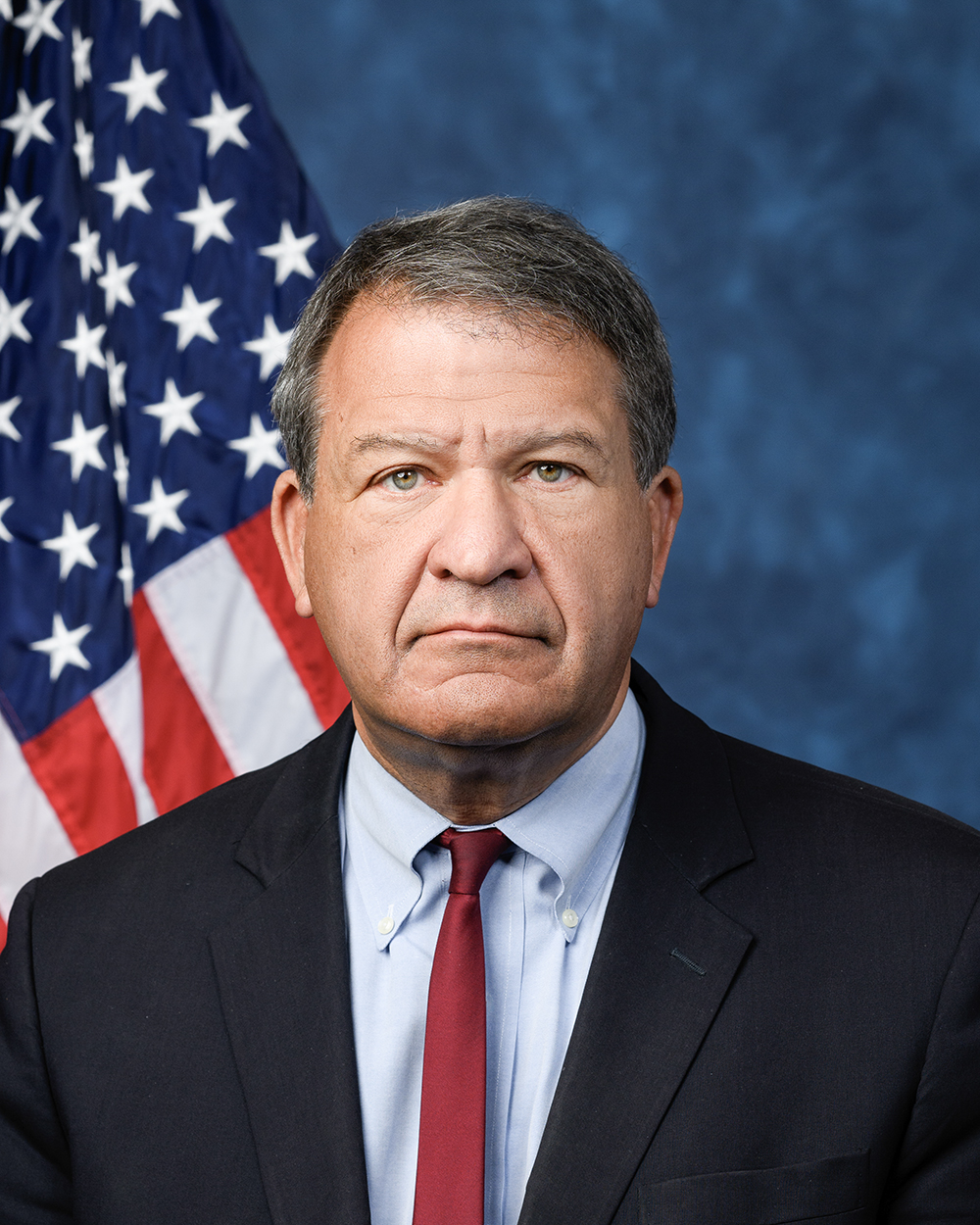
George Latimer
George Latimer House · District 16
D
Strong −
13% 67
Gregory W. Meeks
Gregory W. Meeks House · District 5
D
Strong −
14% 66
Showing 2,051–2,060 of 2,352 bills

All budget & taxes bills

in committee · United States · Senate Jun 12, 2025

S 2056: CREATE JOBS Act

The CREATE JOBS Act (S 2056) changes U.S. tax rules to accelerate business deductions. It allows immediate 100% expensing for qualified property (like equipment) placed in service after 2017, eliminating step-by-step depreciation. For residential and commercial real estate, it introduces a "neutral cost recovery" adjustment that modifies annual depreciation deductions based on economic changes. It also eliminates the option to amortize research and experimental expenses over 60 months, requiring businesses to deduct these costs immediately in the year incurred. These changes directly affect businesses purchasing equipment, owning rental properties, or conducting R&D, aiming to boost investment and cash flow.
Sub-Topics Business Taxes Procurement Tax Incentives Tags Economic Development
in committee · United States · House Mar 4, 2025

HR 1833: Working Families Tax Cut Act

HR 1833, the Working Families Tax Cut Act, renames the "standard deduction" to "guaranteed deduction" in the tax code but does not change existing deduction amounts. It adds a temporary "bonus guaranteed deduction" for tax years 2026-2027, increasing the deduction by $4,000 for joint returns/surviving spouses, $3,000 for heads of household, and $2,000 for others. This bonus deduction phases out for taxpayers with modified adjusted gross income above $400,000 (joint), $300,000 (head of household), or $200,000 (other filers). The bill affects all individual taxpayers who claim the deduction, with the new provisions applying to returns filed for 2026 and 2027.
Sub-Topics Income Tax Tax Credits
passed · United States · Senate May 4, 2026

S 2975: PIPELINE Safety Act of 2025

This bill, the PIPELINE Safety Act of 2025, updates and strengthens pipeline safety regulations across the United States. It increases funding for pipeline safety programs through fiscal year 2030, requires risk-based inspections of pipeline facilities, and establishes a voluntary information-sharing system for pipeline safety data. The bill also addresses safety concerns related to emerging gases like hydrogen and carbon dioxide, and improves emergency response planning requirements. It directly affects pipeline operators, state pipeline safety programs, and the Pipeline and Hazardous Materials Safety Administration (PHMSA).
in committee · United States · Senate Mar 25, 2025

S 1121: Performing Artist Tax Parity Act of 2025

This bill creates a new tax deduction for individual performing artists (such as actors, musicians, and dancers) to deduct work-related expenses directly from their taxable income. It includes a phaseout that reduces the deduction by 10% for every $2,000 earned above $100,000 annually (or $200,000 for joint filers). The bill also raises the threshold for small employer tax breaks from $200 to $500 per year and clarifies that commissions paid to an artist’s manager or agent count as deductible expenses. These changes apply to tax years beginning after December 31, 2024.
in committee · United States · House Apr 30, 2025

HR 3126: Promoting Submetering for Affordable Housing Act

HR 3126, the Promoting Submetering for Affordable Housing Act, increases tax credits for affordable housing projects that implement water submetering. It adds a 5% credit increase to the eligible basis for buildings with four or more units that use submeters for individual tenant billing and provide tenants access to meter readings within 72 hours of a request. This applies to projects receiving housing credit allocations after the bill's enactment. The law directly affects affordable housing developers and property owners who build or renovate qualifying properties to meet these submetering requirements.
in committee · United States · Senate Aug 1, 2025

S 2648: Protecting Public Naval Shipyards Act of 2025

This bill (S 2648) prohibits workforce reductions or hiring freezes at public naval shipyards due to budget cuts, fund reprogramming, or probationary status. It directly protects specific shipyard worker positions, including welders, pipefitters, nuclear technicians, engineers, apprentices, and roles supporting infrastructure maintenance and the Shipyard Infrastructure Optimization Program. The law exempts these listed roles from workforce cuts but does not restrict the Secretary of Defense from managing staff for misconduct or poor performance under existing procedures. This creates a permanent safeguard for these critical shipyard jobs during fiscal challenges.
in committee · United States · Senate May 22, 2025

S 1919: Buying American Cotton Act of 2025

This bill creates a new tax credit for businesses that sell products containing U.S.-grown cotton. Manufacturers can claim a credit equal to 18-24% of the value of certified U.S. cotton used in products sold to consumers, depending on whether the cotton was processed only in the U.S. or in countries with U.S. trade agreements. The credit requires digital tracing of cotton from U.S. origin through the supply chain to the final product, with higher rates (24%) for cotton processed entirely in the U.S. or in designated trade agreement countries. It directly affects textile manufacturers and retailers selling cotton-based products like clothing or fabric, reducing their tax liability when using domestically sourced cotton. The credit applies to the first sale to an unrelated consumer and takes effect January 20, 2025.
Sub-Topics Tax Credits
in committee · United States · Senate Mar 27, 2025

S 1169: Freedom from Unfair Gun Taxes Act

S 1169, the "Freedom from Unfair Gun Taxes Act," prohibits states and local governments from imposing excise taxes on the sale of firearms, ammunition, or firearm parts during interstate or foreign commerce. This directly affects firearm manufacturers and dealers who sell across state lines, preventing them from facing state-level taxes on those transactions. The bill explicitly states it does not change the Pittman-Robertson Wildlife Restoration Act, which allows separate federal excise taxes on firearms for conservation funding. The key provision is a blanket ban on state taxes for interstate firearm sales, aiming to standardize tax treatment across state lines.
Sub-Topics Sales Tax
in committee · United States · House Mar 11, 2025

HR 2036: Credit for Caring Act of 2025

The Credit for Caring Act of 2025 creates a federal tax credit for family caregivers of elderly or disabled relatives. It allows eligible caregivers (with over $7,500 in earned income) to claim a credit equal to 30% of qualified caregiving expenses exceeding $2,000, capped at $5,000 per year. Qualified expenses include human assistance, home modifications, respite care, counseling, lost wages for unpaid time off, and transportation, all requiring certification from a licensed healthcare provider that the care recipient has long-term needs. The credit phases out for higher earners (over $75,000 single/$150,000 joint) and requires documentation of expenses and care recipient certification.
in committee · United States · House Feb 6, 2025

HR 1040: Senior Citizens Tax Elimination Act

HR 1040, the Senior Citizens Tax Elimination Act, would stop taxing Social Security benefits for seniors by repealing the current tax rule that includes some benefits in gross income. It directly affects senior citizens who currently pay federal income tax on portions of their Social Security payments. The bill adds a provision stating Section 86 of the tax code (which taxes Social Security benefits) no longer applies after enactment. To offset the lost tax revenue, the bill requires the government to appropriate funds to the Social Security and Railroad Retirement trust funds, ensuring they remain fully funded without requiring tax increases.
Sub-Topics Income Tax Revenue Tags Seniors
Showing 2,051 to 2,060 of 2,352 bills