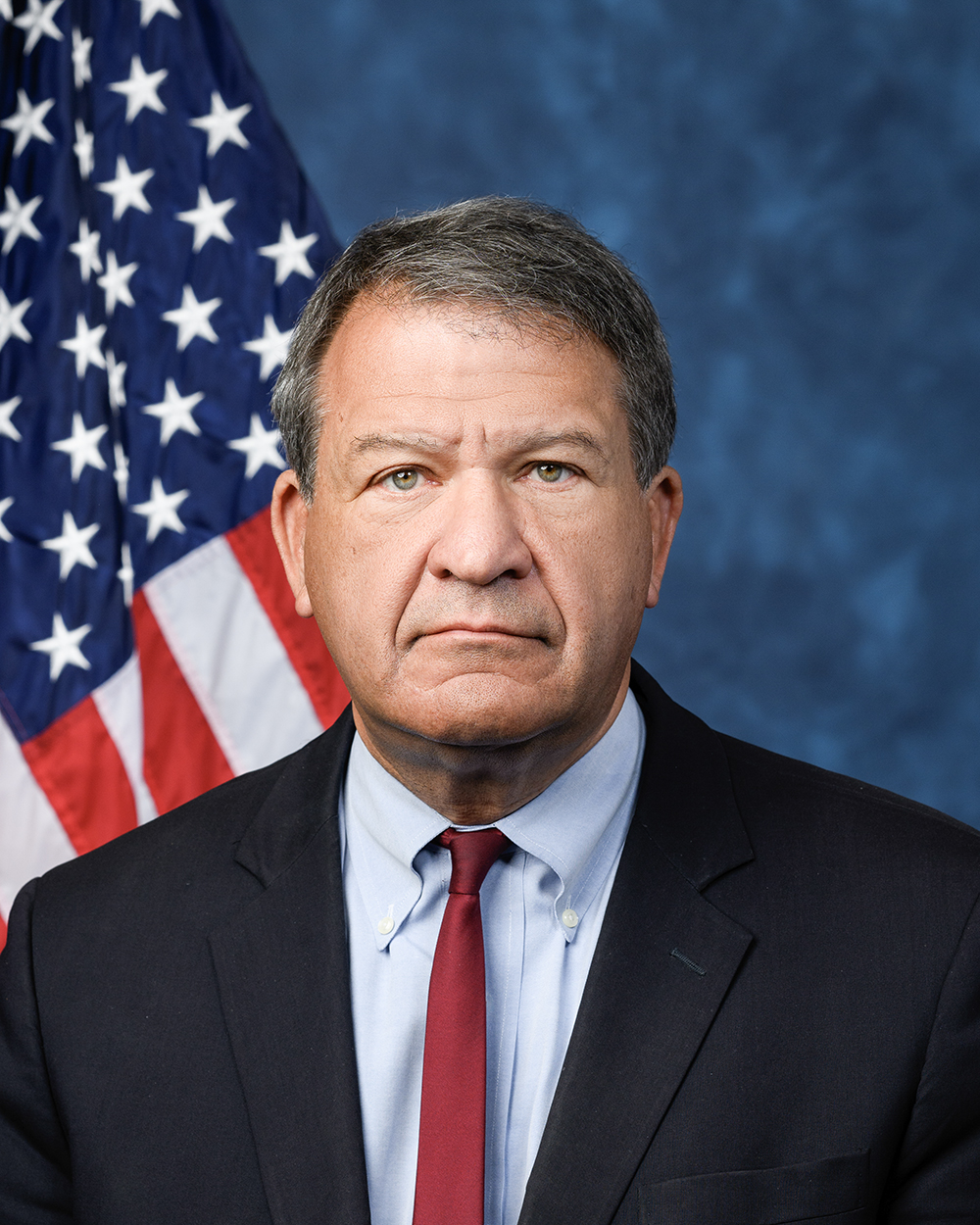
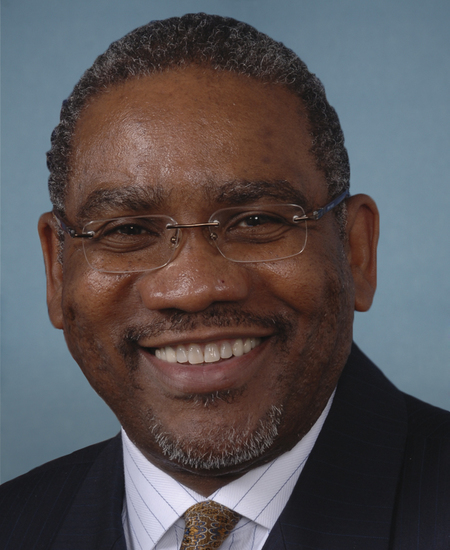
The Keep Kids in School Act creates a federal grant program to help public schools reduce chronic absenteeism and improve safety for students. The Department of Education will provide funds to states, which will then distribute money to local school districts for specific interventions like hiring counselors, offering teacher stipends for home visits, and covering transportation costs. The bill defines chronic absenteeism as missing 10 percent or more of school days and prioritizes funding for states with the highest rates of absenteeism among vulnerable student populations. Additionally, the act requires the Comptroller General to conduct a study on effective methods for reducing absenteeism and improving student well-being, with findings reported to Congress and the Education Department.
The Reimbursable Screening Services Program Extension Act of 2026 extends and expands a federal program that reimburses states for conducting aviation security background checks. The bill directly affects federal and state agencies responsible for vetting airline employees by allowing the program to operate through fiscal year 2031 instead of ending in 2026. Additionally, it increases the maximum number of reimbursable screening services that can be provided annually from eight to 14. This legislation aims to maintain and slightly increase the capacity for background investigations without changing the underlying requirements for who must be screened.
This bill proposes to change federal tax rules so that eligible organizations do not have to pay income tax on micro-grants they receive for food security. It directly affects the specific entities defined by the Agriculture Improvement Act of 2018 that distribute these funds. The key provision adds a new section to the Internal Revenue Code to explicitly exclude these financial assistance amounts from the organizations' gross income. This change would allow the organizations to retain the full value of the grants without using part of the funding to cover potential tax liabilities. The rule would apply to any grants received after the bill is enacted into law.
The Transboundary Aquifer Assessment Program Act extends the funding and authority for a federal program that studies shared underground water sources between the United States and Mexico. This legislation adds Arizona to the list of states eligible for the program, while also updating the funding period to cover fiscal years 2026 through 2036. The bill directly affects the federal agencies responsible for managing water resources and the states of New Mexico, Texas, and Arizona by ensuring continued support for their cross-border aquifer assessments.
This bill creates a new type of tax-advantaged savings account called a "home savings account" designed to help individuals save for housing expenses. It allows taxpayers to deduct up to $10,000 annually from their income for cash contributions made to these accounts, with a higher limit of $20,000 for married couples filing jointly. Money withdrawn from the account is tax-free only if it is used to buy a principal residence or pay down the mortgage on that home; otherwise, the withdrawal is taxed as income and subject to a 20% penalty. The legislation also permits a one-time transfer of funds from an existing retirement plan into a new home savings account and includes specific rules for handling excess contributions, account transfers due to divorce, and inheritance after the account holder's death.
This bill, the Budgeting for a Better America Act, fundamentally changes how the federal government plans its spending by shifting the congressional budget process from an annual cycle to a biennial one, covering two consecutive fiscal years. It establishes a new National Commission on Fiscal Responsibility and Reform composed of 18 members from both political parties to propose specific policies that would reduce the federal deficit to 3% of the gross domestic product within a decade. The legislation also mandates that any joint resolution implementing the commission's recommendations be given expedited floor consideration in both the House and Senate without the possibility of amendment. Additionally, the bill requires the President to submit supplemental budget estimates annually, mandates a hearing on the nation's fiscal state, and ensures new members of Congress receive budgetary training before taking their seats.
The Florida Freeze Disaster Assistance Act allocates $3.5 billion in federal funds to help Florida farmers and growers recover from crop losses caused by freezing temperatures. These funds are distributed as block grants to the state, which then provides compensation to producers for damage to crops, trees, bushes, and vines in specific counties designated as disaster areas. The money is restricted to losses occurring in counties that received a freeze disaster declaration issued on March 4, 2026, and requires the Secretary of Agriculture to submit quarterly reports on how the assistance is being implemented.
This House resolution sets the procedural rules for debating and passing four separate pieces of legislation: two major budgets for the 2027 fiscal year, a Social Security update, and a commemorative resolution. The first budget allocates funds for the Department of Defense and military construction, while the second provides funding for national security and the Department of State. The resolution also establishes specific time limits and debate structures for each bill, ensuring that points of order are waived to streamline the legislative process. Additionally, it mandates that the Social Security bill adopt a specific substitute text and that a resolution honoring the Working Families Tax Cuts be considered without intervention.
This resolution commemorates the one-year anniversary of the enactment of tax relief as part of the 2025 reconciliation act. It also expresses support for tax policies that benefit American families, farmers, seniors, small businesses, and workers.
Tags
Families
This bill establishes a pilot program to help local governments in large urban areas create and share better maps that show the risk of urban flooding, which includes water damage from heavy rain and overwhelmed drainage systems. The Federal Emergency Management Agency will award grants to up to 12 cities and stormwater authorities to develop technology-based tools that provide specific flood risk assessments for individual buildings and incorporate climate trends. Funding is available for fiscal years 2027 through 2030, with grants covering up to 75% of project costs and prioritizing communities that are highly vulnerable to sea-level rise or have populations facing socioeconomic challenges. Recipients must complete their projects within 18 months and submit reports on their progress and lessons learned to the agency and Congress.