

Issue · Budget & Taxes
Budget & Taxes (Revenue)
Every budget & taxes bill, vote, and legislator stance in United States, automatically classified by Maddy, our AI policy reader.
Total bills
35
119th Congress
Top supporter
Adam B. Schiff
86% support rate
Top opponent
Rand Paul
5% support rate
Ranked legislators
10
5 support · 5 oppose
Key legislators
Who's moving revenue in United States
| Legislator | Party | Stance | Support rate | Votes |
|---|---|---|---|---|

Adam B. Schiff
Senate
|
D |
Strong +
|
86% | 22 |

Alex Padilla
Senate
|
D |
Strong +
|
86% | 22 |

Amy Klobuchar
Senate
|
D |
Strong +
|
86% | 22 |

Andy Kim
Senate
|
D |
Strong +
|
86% | 22 |

Angela D. Alsobrooks
Senate
|
D |
Strong +
|
86% | 22 |

Rand Paul
Senate
|
R |
Strong −
|
5% | 22 |
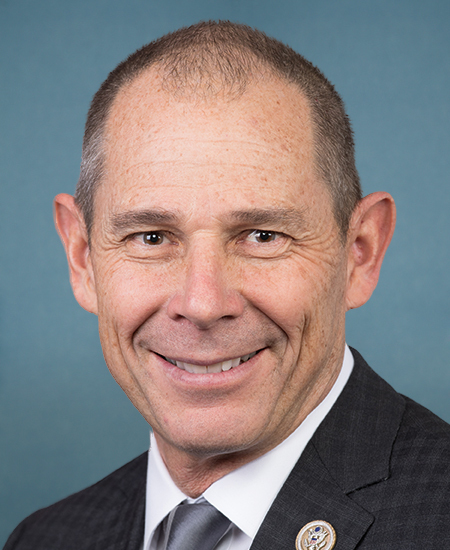
John R. Curtis
Senate
|
R |
Strong −
|
9% | 22 |
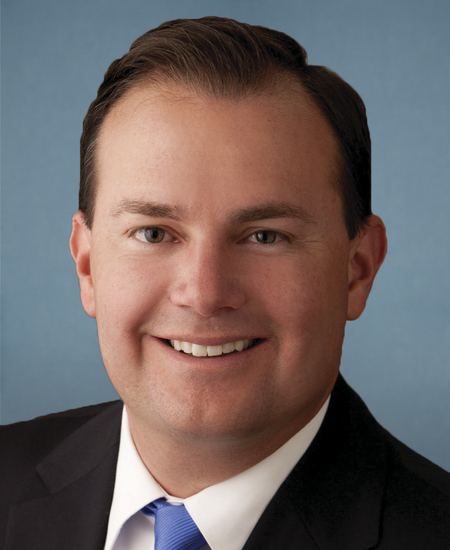
Mike Lee
Senate
|
R |
Strong −
|
9% | 22 |

Ashley Moody
Senate
|
R |
Strong −
|
14% | 22 |
Bernie Moreno
Senate
|
R |
Strong −
|
14% | 22 |
Showing 11–20 of 35
bills
All budget & taxes bills
HR 1141: Gambling Addiction Recovery, Investment, and Treatment Act
Topics
✓ Budget & TaxesSupports Budget & TaxesAllocates 37.5% of gambling tax revenue to state treatment programs, directing existing tax funds to public health services per bill summary.
✓ HealthcareSupports HealthcareAllocates federal funds for gambling addiction treatment programs and research via NIDA, directly supporting mental health services under healthcare.
HR 1135: Polluters Pay Climate Fund Act of 2025
Topics
✓ Budget & TaxesSupports Budget & TaxesBill imposes tax on fossil fuel companies to fund climate resilience programs, requiring $15B+ annually for FEMA climate programs and directing 40% to environmental justice communities.
✓ EnergySupports EnergyTax on fossil fuel polluters funds climate resilience, adaptation, and clean energy programs, reducing fossil fuel dependence per bill's funding requirements.
✓ EnvironmentSupports EnvironmentTax on polluters funds climate resilience, adaptation, and environmental justice programs, directly advancing environmental protection and climate action.
HR 2850: Youth Sports Facilities Act of 2025
Topics
✓ Budget & TaxesSupports Budget & TaxesExpands federal grant eligibility for youth sports facilities, increasing public spending on health initiatives in underserved communities per the bill's funding mechanism.
✓ HealthcareSupports HealthcareBill mandates facilities to address obesity/sedentary lifestyles and prioritize health-impacted communities, aligning with public health goals under healthcare topic.
S 64: A bill to direct the United States Postal Service to designate a single, unique ZIP Code for Fairlawn, Virginia, and for other purposes.
Sub-Topics
Revenue
HR 7796: Economic Recovery for Nuclear-Affected Communities Act
S 811: RTP Full Funding Act of 2025
Topics
✓ Budget & TaxesSupports Budget & TaxesBill increases RTP funding to match collected tax revenue ($281M), ensuring full allocation of existing tax revenue to public trails program, advancing fiscal management of tax funds
✓ EnvironmentSupports EnvironmentIncreases RTP funding to match recreation fuel tax revenue, directly supporting trail conservation and natural resource protection through infrastructure maintenance.
✓ TransportationSupports TransportationIncreases RTP funding from $84M to $281M annually, directly supporting trail infrastructure projects within transportation infrastructure.
S 454: Gambling Addiction Recovery, Investment, and Treatment Act
Topics
✓ Budget & TaxesSupports Budget & TaxesBill allocates 37.5% of gambling tax revenue to fund state addiction programs, directly using tax revenue for program funding as a core mechanism.
✓ HealthcareSupports HealthcareBill funds gambling addiction treatment/research via federal grants, directly supporting mental health services within healthcare policy framework.
HR 3439: Defund Cities that Defund the Police Act of 2025
Topics
✓ Budget & TaxesSupports Budget & TaxesBill denies federal grants to cities defunding police, protecting essential public safety funding through fiscal leverage.
✓ Criminal JusticeSupports Criminal JusticeBill blocks federal grants to cities/states defunding police without revenue loss, directly protecting and strengthening law enforcement funding as a core criminal justice element.
S 1446: Clean Energy Victory Bond Act of 2025
Topics
✓ Budget & TaxesSupports Budget & TaxesBill authorizes $50B annual bond proceeds for clean energy projects, increasing government spending on public services with 40% targeting disadvantaged communities.
✓ EnergySupports EnergyBill explicitly funds clean energy projects (solar/wind, EV infrastructure, grid) with 40% targeting disadvantaged communities, directly advancing renewable energy infrastructure and equity goals.
✓ EnvironmentSupports EnvironmentFunds clean energy projects (solar/wind, EV infrastructure) and mandates 40% for high-pollution disadvantaged communities, directly advancing environmental protection.
✓ TransportationSupports TransportationFunds electric vehicle infrastructure, a core transportation component, as part of clean energy projects per bill's summary.