Issue · Budget & Taxes

Budget & Taxes

Every budget & taxes bill, vote, and legislator stance in United States, automatically classified by Maddy, our AI policy reader.

Total bills
2,044
119th Congress
Top supporter
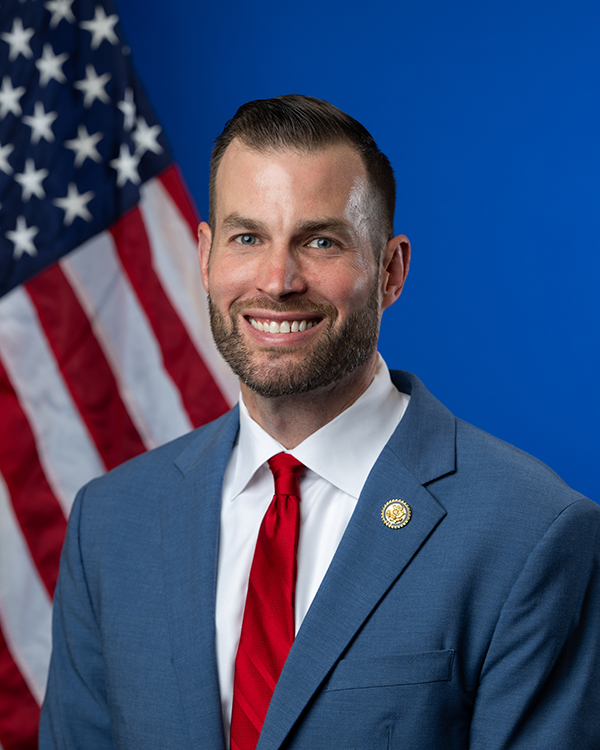
Clay Fuller
86% support rate
Top opponent
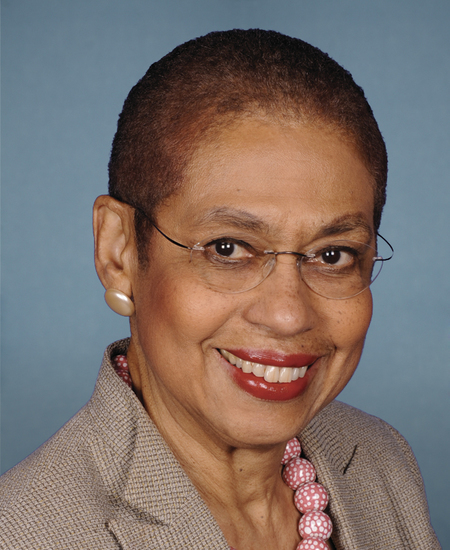
Eleanor Holmes Norton
0% support rate
Ranked legislators
10
5 support · 5 oppose
Key legislators

Who's moving budget & taxes in United States

Legislators moving budget & taxes in United States
Legislator Party Stance Support rate Votes
Clay Fuller
Clay Fuller House · District 14
R
Strong +
86% 55
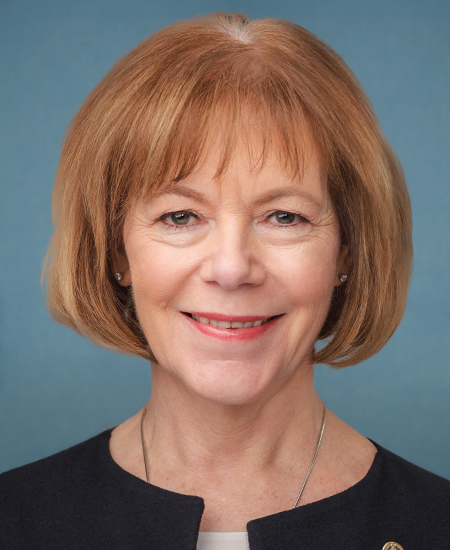
Tina Smith
Tina Smith Senate
D
Strong +
83% 251
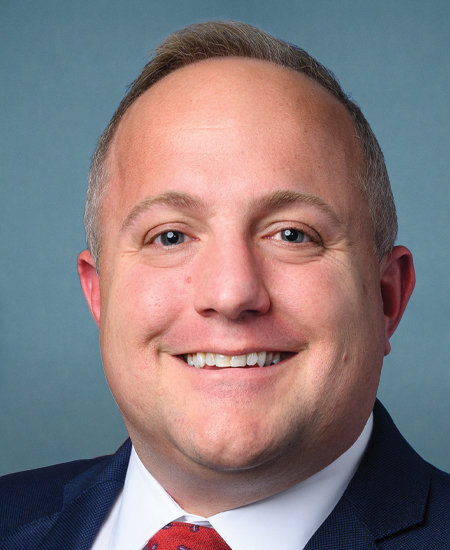
Andrew Ogles
Andrew Ogles House · District 5
R
Strong +
83% 175
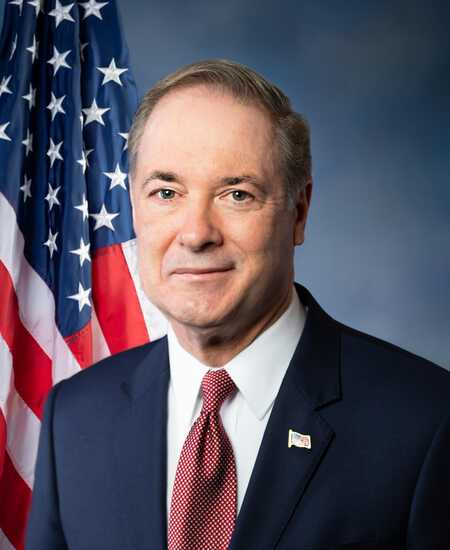
Russell Fry
Russell Fry House · District 7
R
Strong +
82% 186
John Joyce
John Joyce House · District 13
R
Strong +
82% 185
Eleanor Holmes Norton
Eleanor Holmes Norton House · District At-Large
D
Strong −
0% 46
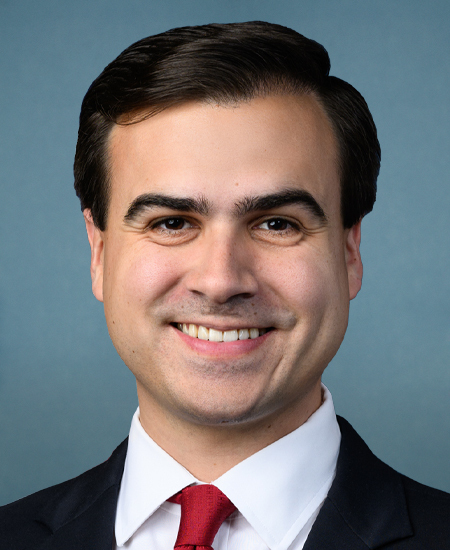
Pablo José Hernández
Pablo José Hernández House · District At-Large
D
Strong −
7% 46
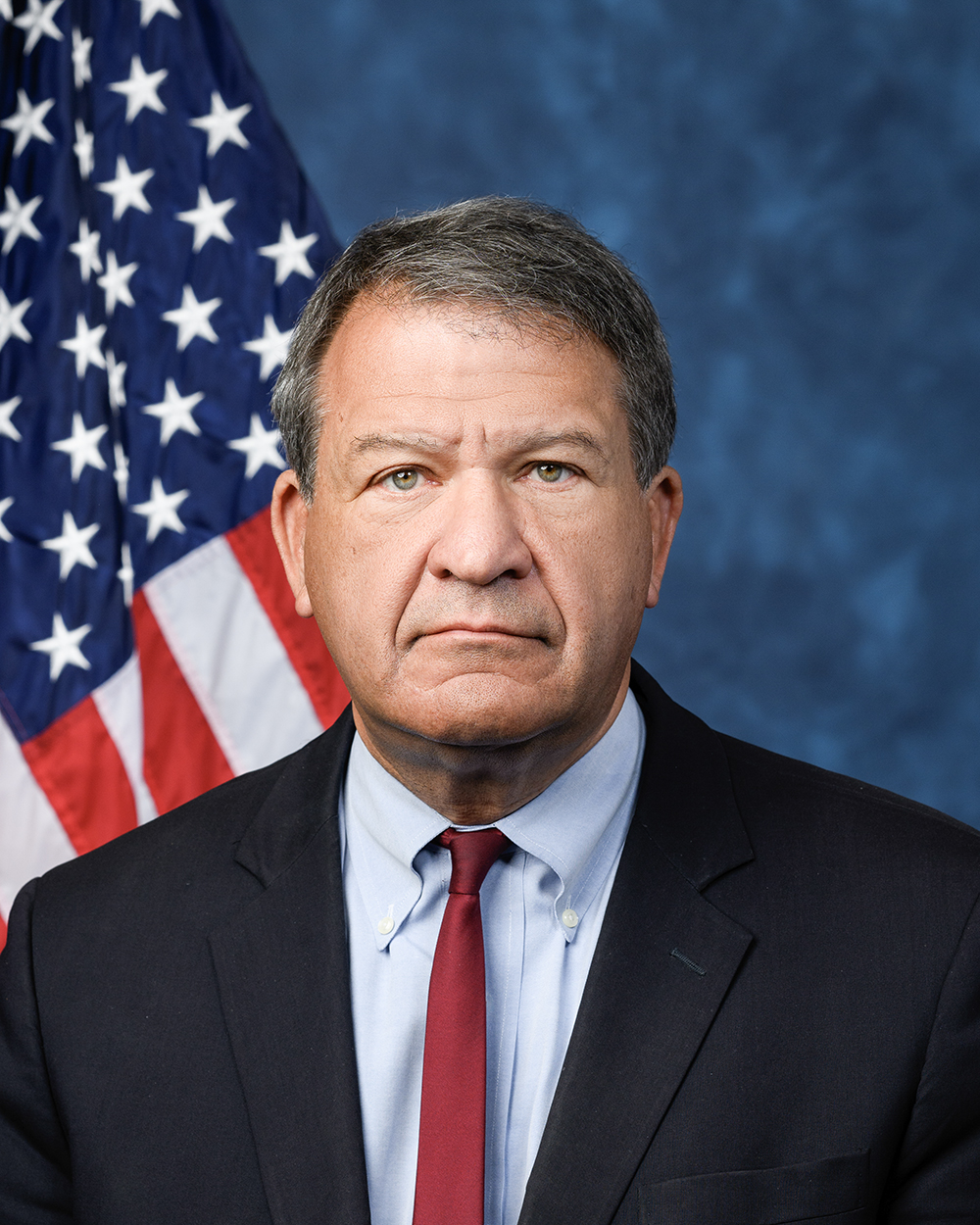
George Latimer
George Latimer House · District 16
D
Strong −
14% 181
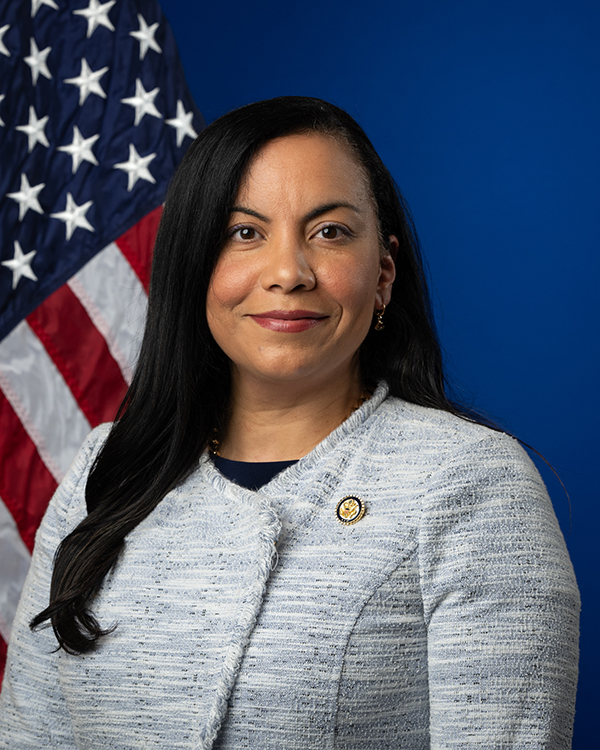
Analilia Mejia
Analilia Mejia House · District 11
D
Strong −
14% 52
Gregory W. Meeks
Gregory W. Meeks House · District 5
D
Strong −
14% 181
Showing 1,911–1,920 of 2,044 bills

All budget & taxes bills

in committee · United States · House Mar 14, 2025

HR 2153: Fight for Families Act of 2025

HR 2153, the Fight for Families Act of 2025, makes a portion of the federal adoption tax credit refundable for families adopting children with special needs. Specifically, it treats the part of the credit covering special needs adoption expenses as refundable - meaning eligible families could receive a cash refund even if they owe no income tax. This directly affects taxpayers who adopt children with special needs and claim the credit under Section 23 of the Internal Revenue Code. The change applies to taxable years beginning after December 31, 2025, and modifies how the credit is calculated and applied.
Sub-Topics Income Tax Tax Credits
in committee · United States · Senate Sep 11, 2025

S 2780: No Tax on Large Party Tips Act

This bill reclassifies two types of restaurant tips as "voluntary" for tax purposes: (1) tips automatically added to a customer's bill at payment time, and (2) tips suggested by a business (like "18% suggested"). It directly affects customers paying large group bills and restaurants that use these tip structures. The key provision exempts these specific tips from being counted as taxable income under current tax rules, meaning customers wouldn't owe income tax on them. This is a concrete policy change to the tax treatment of certain service charges, not a broader tax overhaul.
Sub-Topics Income Tax Tax Credits
in committee · United States · Senate Jul 23, 2025

S 2410: Medicaid Bump Act

S 2410, the Medicaid Bump Act, increases federal funding for states that raise spending on Medicaid-covered behavioral health services (including mental health and substance use treatment) above 2019 baseline levels. It provides a 90% federal match for the amount exceeding that baseline, requiring states to use these funds to supplement, not replace, existing state funding for these services. States must also use the funds to improve service delivery, such as through higher provider payments or reducing staff turnover. The bill mandates annual reports to Congress on payment rates, service utilization, and the rationale for payment rates for these services. This directly affects state Medicaid programs and providers delivering behavioral health services.
in committee · United States · House Apr 14, 2025

HR 2912: Oligarch Act of 2025

HR 2912, the "Oligarch Act of 2025," creates a new progressive wealth tax on high-net-worth individuals and certain trusts. It imposes tax rates of 2% to 8% on net taxable assets exceeding a threshold based on median household wealth (starting at $50,000), with higher rates applying to larger wealth brackets. The bill excludes assets under $50,000 that are tangible personal property used in daily life, and includes special rules for married couples, trusts, deceased individuals, and non-residents. It requires new reporting by taxpayers and financial institutions and mandates annual audits of 30% of taxpayers subject to the tax.
in committee · United States · House Mar 27, 2025

HR 2440: SIFIA Act

The SIFIA Act creates tax credit bonds to finance school infrastructure projects, allowing investors to claim a 25% annual tax credit based on the bond's face value. It requires projects to be net-zero energy buildings and mandates completion within six years, with school districts partnering with private developers meeting strict experience and reporting criteria. The bill allocates $10 billion total for these bonds ($2.5 billion annually), including $1 billion reserved for rural school projects. It also includes rules for bond redemption if funds aren't spent on time and sets limits on how much a single school district can borrow.
in committee · United States · House Feb 27, 2025

HR 1707: Grown in America Act of 2025

HR 1707, the Grown in America Act of 2025, creates a new tax credit for agricultural businesses that use predominantly domestically produced inputs. The credit equals 25% of a business's domestic agricultural input costs (capped at $100 million annually), but only if the business meets a 3-year average threshold for domestic sourcing (starting at 50% in 2026 and rising to 85% after 2033). It directly affects food and agricultural producers who source inputs like crops or fish raised in the U.S. for products sold domestically without further processing. The bill defines "domestic agricultural input costs" as expenses for U.S.-produced commodities used in U.S.-made food products, excluding certain commodities listed by the Secretary of Agriculture.
in committee · United States · House Jan 9, 2025

HR 308: Low Income Housing for Defense Communities Act

This bill modifies tax incentives to increase affordable housing near military installations. It excludes military housing allowances (payments under 37 U.S.C. § 403) from income calculations when determining eligibility for low-income housing tax credits, directly helping service members and their families qualify for affordable housing. It also designates buildings within 15 miles of large military installations (valued over $2.833 billion) as "difficult development areas" for tax credit purposes, encouraging developers to build in these areas. The bill does not require such housing to be occupied solely by military members. These changes apply to tax credit determinations made after the bill's enactment.
in committee · United States · Senate Nov 20, 2025

S 3259: RECAPTURE Act

The RECAPTURE Act (S 3259) changes how leftover federal broadband funding is handled under the Infrastructure Investment and Jobs Act. It requires that any unspent funds from the Broadband Equity, Access, and Deployment (BEAD) program not specifically designated for a project must be deposited into the federal Treasury to reduce the deficit, while funds designated for specific projects remain available to the grant recipient. This applies directly to states and local governments that received BEAD grants but have unused funds. The bill ensures unallocated broadband funds are redirected toward deficit reduction rather than remaining unspent.
in committee · United States · Senate Nov 3, 2025

S 3094: Pay Our Capitol Police Act

This bill ensures Capitol Police officers, employees, and qualifying contractors receive regular pay during a government shutdown starting October 1, 2025. It appropriates funds to cover standard pay, benefits, and contractor support for work performed during the shutdown period, retroactively effective from September 30, 2025. Funds will be charged to future Capitol Police appropriations once regular funding is enacted or by September 30, 2026. The bill directly affects Capitol Police staff and contractors whose work continued during the shutdown, guaranteeing compensation without waiting for new budget bills.
Sub-Topics Appropriations
introduced · United States · Senate Oct 22, 2025

S 3031: Keep America Flying Act of 2026

S 3031, the Keep America Flying Act of 2026, provides temporary funding to ensure continued pay and benefits for critical aviation personnel during the 2025-2026 federal budget gap. It appropriates funds for Federal Aviation Administration (FAA) air traffic controllers, Transportation Security Administration (TSA) screeners, and their contractors who support flight safety and security operations. This funding covers standard pay, allowances, and benefits for these staff until regular appropriations are enacted or by September 30, 2026. The bill directly affects FAA and TSA employees and contractors whose work is essential to maintaining safe air travel.
Sub-Topics Airports
Showing 1,911 to 1,920 of 2,044 bills