Issue · Budget & Taxes

Budget & Taxes

Every budget & taxes bill, vote, and legislator stance in United States, automatically classified by Maddy, our AI policy reader.

Total bills
2,374
119th Congress
Top supporter
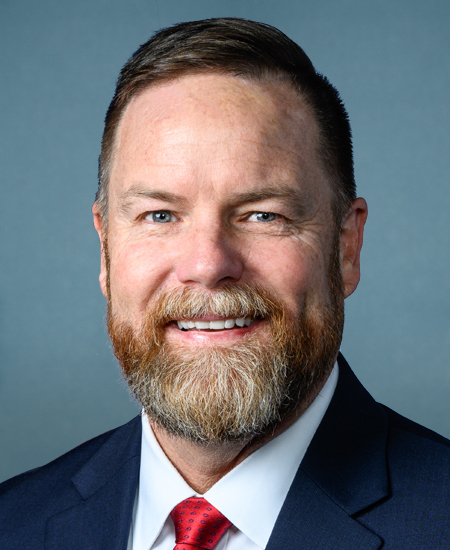
Clay Fuller
87% support rate
Top opponent
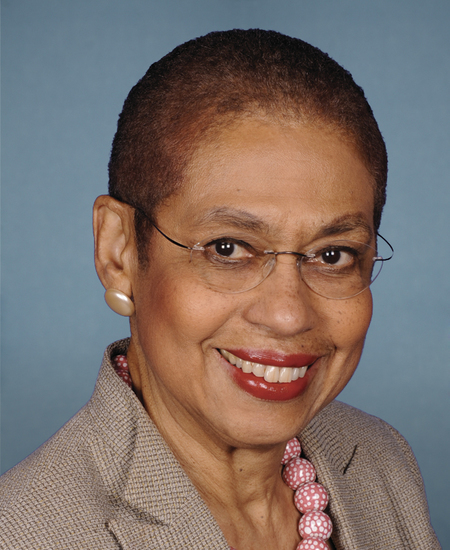
Eleanor Holmes Norton
0% support rate
Ranked legislators
10
5 support · 5 oppose
Key legislators

Who's moving budget & taxes in United States

Legislators moving budget & taxes in United States
Legislator Party Stance Support rate Decisive votes
Clay Fuller
Clay Fuller House · District 14
R
Strong +
87% 46
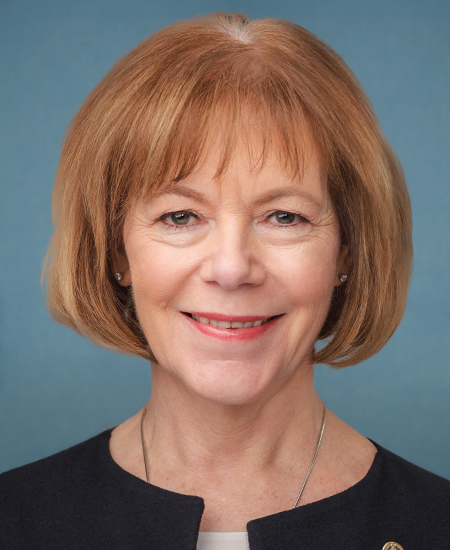
Tina Smith
Tina Smith Senate
D
Strong +
83% 77
Andrew Ogles
Andrew Ogles House · District 5
R
Strong +
83% 65
Aaron Bean
Aaron Bean House · District 4
R
Strong +
83% 69
Ben Cline
Ben Cline House · District 6
R
Strong +
83% 69
Eleanor Holmes Norton
Eleanor Holmes Norton House · District At-Large
D
Strong −
0% 26
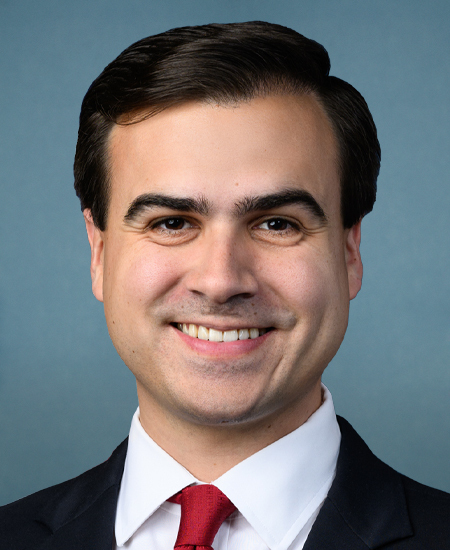
Pablo José Hernández
Pablo José Hernández House · District At-Large
D
Strong −
7% 28
Analilia Mejia
Analilia Mejia House · District 11
D
Strong −
13% 45
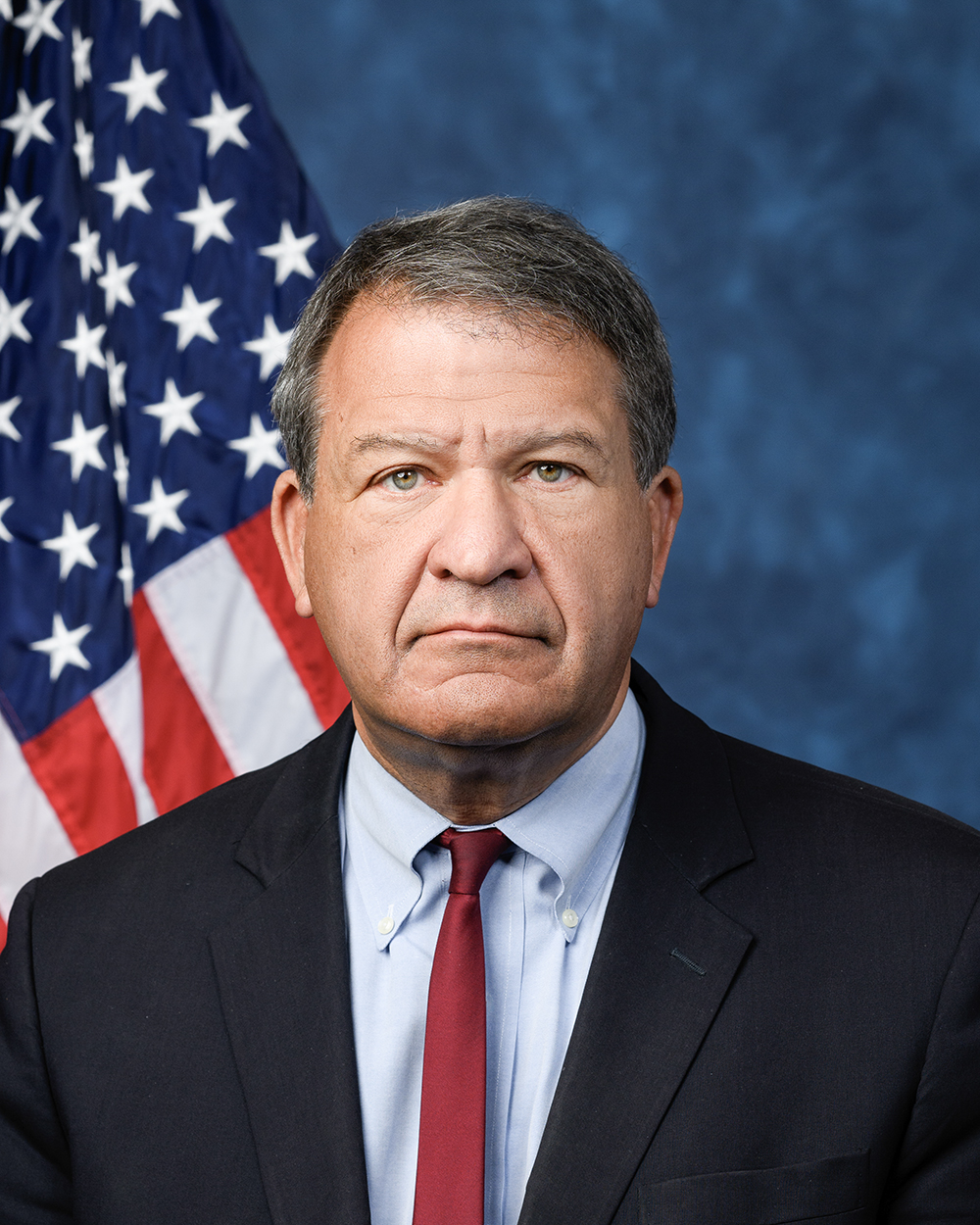
George Latimer
George Latimer House · District 16
D
Strong −
13% 67
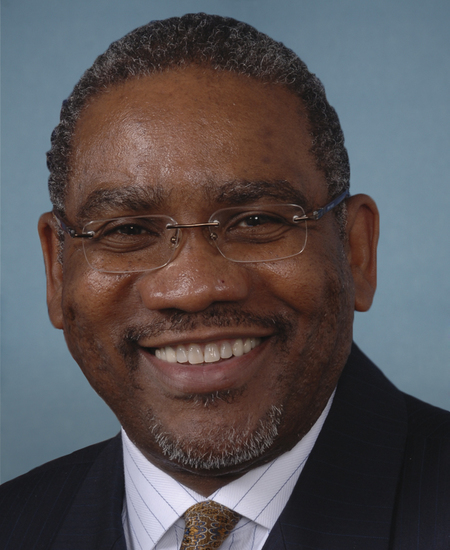
Gregory W. Meeks
Gregory W. Meeks House · District 5
D
Strong −
14% 66
Showing 1,911–1,920 of 2,374 bills

All budget & taxes bills

in committee · United States · House Jun 30, 2025

HR 4267: Get Your Money Back Act

HR 4267, the "Get Your Money Back Act," requires the federal government to continue operating the IRS's free Direct File tax return system and mandates that all 50 states and the District of Columbia must participate in this system for tax years beginning after December 31, 2025. The bill directly affects taxpayers who use the free e-filing option and state tax authorities responsible for implementing the system. Key provisions include requiring the Treasury Secretary to maintain the existing free Direct File program and obligating states to join by 2026. This creates a nationwide, no-cost option for filing federal taxes through state tax agencies. The law focuses on expanding access to a specific tax filing mechanism, not on refund amounts or financial benefits.
in committee · United States · House Apr 17, 2025

HR 2927: All-Americans Tax Relief Act of 2025

The All-Americans Tax Relief Act of 2025 would significantly expand tax benefits for low-to-moderate income individuals and families. Key provisions include making the Child Tax Credit fully refundable (allowing payments even if taxpayers owe no income tax), expanding the Earned Income Tax Credit with higher maximum amounts, and creating new deductions for medical expenses, daycare, commuting, tutoring, and credit card interest. The bill would also establish a rent deduction for primary residences and exclude certain discharged debt from taxable income. These changes would apply to tax years beginning after December 31, 2026, and would primarily benefit working families with children and lower-income taxpayers.
in committee · United States · House Feb 21, 2025

HR 1447: No Deductions for Marijuana Businesses Act

This bill prohibits marijuana businesses from deducting ordinary business expenses on their federal tax returns. It amends federal tax law to deny deductions or credits for any costs related to selling marijuana (which remains illegal under federal law), directly affecting state-legal marijuana businesses operating under state law but subject to federal prohibition. The key provision requires these businesses to pay taxes on their full gross income without subtracting standard business costs like rent or supplies. The rule applies to tax years beginning after the bill's enactment date.
in committee · United States · House Mar 31, 2025

HR 2507: Helping to Encourage Real Opportunities (HERO) for Youth Act of 2025

HR 2507 (HERO for Youth Act of 2025) expands a federal tax credit for employers hiring youth. It allows the credit for year-round employment (not just summer) for young workers attending school 20+ hours weekly between September 16 and April 30. The bill also creates a new credit for employers hiring "disconnected youth" - defined as individuals aged 16-25 not enrolled in school or employed for six months, or foster youth aged 16-21. The credit amount is increased, and related tax code provisions are updated to reflect these changes.
in committee · United States · House Apr 7, 2025

HJRES 14: Proposing an amendment to the Constitution of the United States to repeal the sixteenth article of amendment.

HJRES 14 proposes repealing the 16th Amendment to the U.S. Constitution, which currently authorizes Congress to levy income taxes. If enacted, this would eliminate the federal government's power to collect income taxes from all sources, except during a formally declared war by Congress. The bill includes a two-year implementation period after ratification and requires the Treasury Secretary to submit a report on necessary legislative changes within 180 days of ratification. This proposal directly affects all U.S. taxpayers and the federal tax system, but remains a formal constitutional amendment proposal pending ratification by 38 states.
Sub-Topics Income Tax
in committee · United States · Senate Jun 9, 2025

S 1998: Small Business Tax Fairness and Compliance Simplification Act

This bill extends a tax credit for employer social security taxes related to tips earned by employees in beauty service businesses (including barbering, nail care, esthetics, and spa treatments). It requires that tips from these services exceed 15% of the business's gross receipts to qualify for the credit. The bill also creates a "tip reporting safe harbor" for beauty service employers who implement training programs, monthly tip reporting by employees, and maintain records for four years, shielding them from IRS tip examinations unless an employee complaint arises. Additionally, it mandates that landlords renting space to two or more beauty service businesses (with $600+ in annual rent) must report rental income details to the IRS. These provisions apply to taxable years beginning after 2024 or 2025, depending on the section.
Sub-Topics Business Taxes Tax Credits Tags Small Business
in committee · United States · Senate Dec 4, 2025

S 3372: Protect Innocent Victims of Taxation After Fire Extension Act

This bill (S 3372) adds a new tax provision to exclude certain wildfire relief payments from individuals' gross income. It applies to payments received for losses like property damage, additional living expenses, or lost wages (not covered by insurance) resulting from federally declared wildfires after December 2014. The exclusion prevents double tax benefits by disallowing deductions for expenses already covered by these payments. The provision takes effect for payments received after December 31, 2025, and directly affects wildfire victims receiving such compensation.
in committee · United States · Senate Jan 14, 2026

S 2100: Modernizing Agricultural and Manufacturing Bonds Act

This bill modifies tax rules for bonds used to fund agricultural and manufacturing facilities. It expands what counts as a "manufacturing facility" to include production of intangible property (like software) and related on-site facilities, while raising the dollar limit for qualified small issue bonds from $10 million to $30 million (with annual inflation adjustments). It also increases the annual bond limit for first-time farmers from $450,000 to $1 million and changes how farmland size is measured for eligibility. The changes apply to bonds issued after the bill's enactment date for manufacturing and after December 31, 2025, for farm-related bonds. These adjustments primarily affect agricultural businesses and manufacturers seeking tax-exempt financing for facility projects.
Tags Agriculture
in committee · United States · House Nov 21, 2025

HR 6246: Save American Healthcare Act

This bill extends health insurance premium tax credits for taxpayers with household incomes above 400% of the poverty line, temporarily allowing credits for those who would otherwise lose eligibility. It modifies the Internal Revenue Code to apply this extension without a fixed end date, instead tying it to budget estimates that must balance increased federal costs against tariff revenue gains. The key provision adjusts how the credit amount is calculated for tax years beginning after December 31, 2025, using a temporary rule based on projected federal budget impacts. It directly affects middle- and higher-income individuals who rely on these subsidies to afford health insurance coverage. The bill does not change eligibility thresholds but extends current subsidy rules under specific fiscal constraints.
Sub-Topics Tax Credits Insurance
in committee · United States · Senate Feb 12, 2026

S 3877: Investing in Tomorrow's Workforce Act of 2026

The Investing in Tomorrow's Workforce Act of 2026 provides federal grants to support training programs for workers at risk of losing jobs due to automation, with priority given to women, people of color, and lower-wage workers (those earning less than $40,000 annually). The bill authorizes funding for eligible partnerships to develop demonstration projects that help dislocated workers transition into in-demand technology sectors through skills training, job placement assistance, and employer partnerships. It expands existing workforce training programs under the Workforce Innovation and Opportunity Act to specifically address automation-related job displacement and requires grantees to report on outcomes including job placements, earnings data, and demographic breakdowns. The legislation is authorized for fiscal years 2026 through 2030 with funding for both new demonstration projects and expanded existing training services.
Showing 1,911 to 1,920 of 2,374 bills