Issue · Budget & Taxes

Budget & Taxes

Every budget & taxes bill, vote, and legislator stance in United States, automatically classified by Maddy, our AI policy reader.

Total bills
307
119th Congress
Top supporter
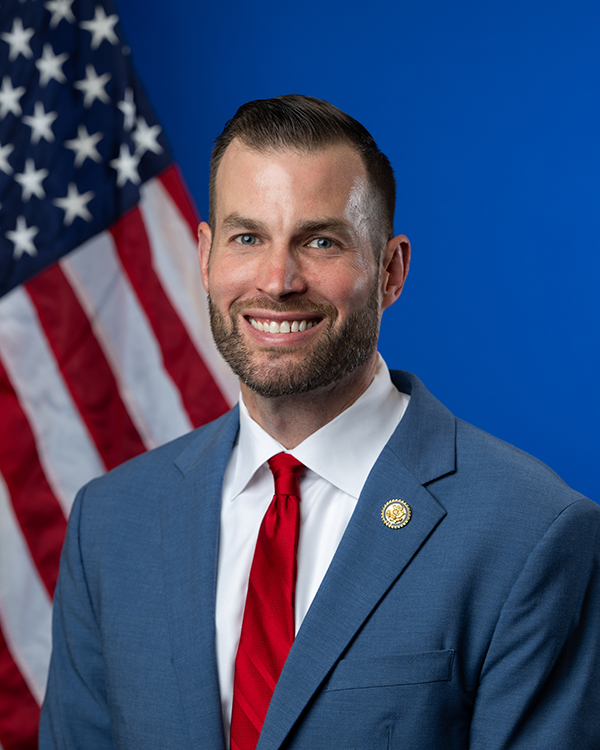
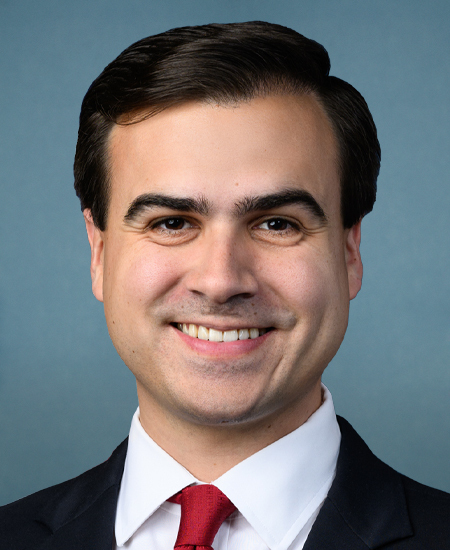
Clay Fuller
87% support rate
Top opponent
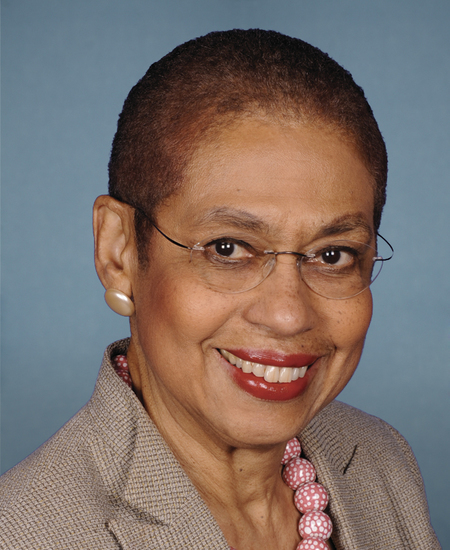
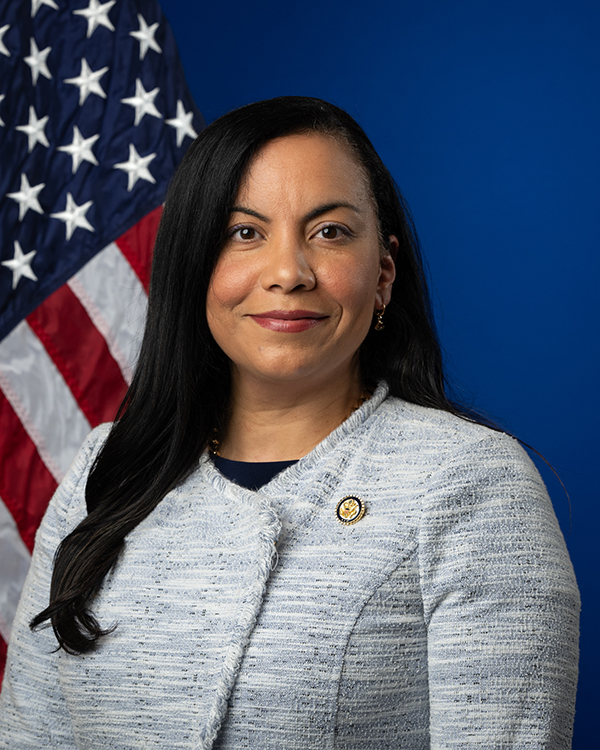
Eleanor Holmes Norton
0% support rate
Ranked legislators
10
5 support · 5 oppose
Key legislators

Who's moving budget & taxes in United States

Legislators moving budget & taxes in United States
Legislator Party Stance Support rate Decisive votes
Clay Fuller
Clay Fuller House · District 14
R
Strong +
87% 46
Tina Smith
Tina Smith Senate
D
Strong +
83% 77
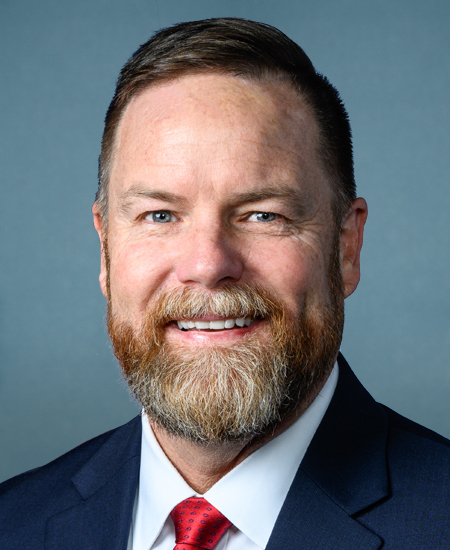
Andrew Ogles
Andrew Ogles House · District 5
R
Strong +
83% 65
Aaron Bean
Aaron Bean House · District 4
R
Strong +
83% 69
Ben Cline
Ben Cline House · District 6
R
Strong +
83% 69
Eleanor Holmes Norton
Eleanor Holmes Norton House · District At-Large
D
Strong −
0% 26
Pablo José Hernández
Pablo José Hernández House · District At-Large
D
Strong −
7% 28
Analilia Mejia
Analilia Mejia House · District 11
D
Strong −
13% 45
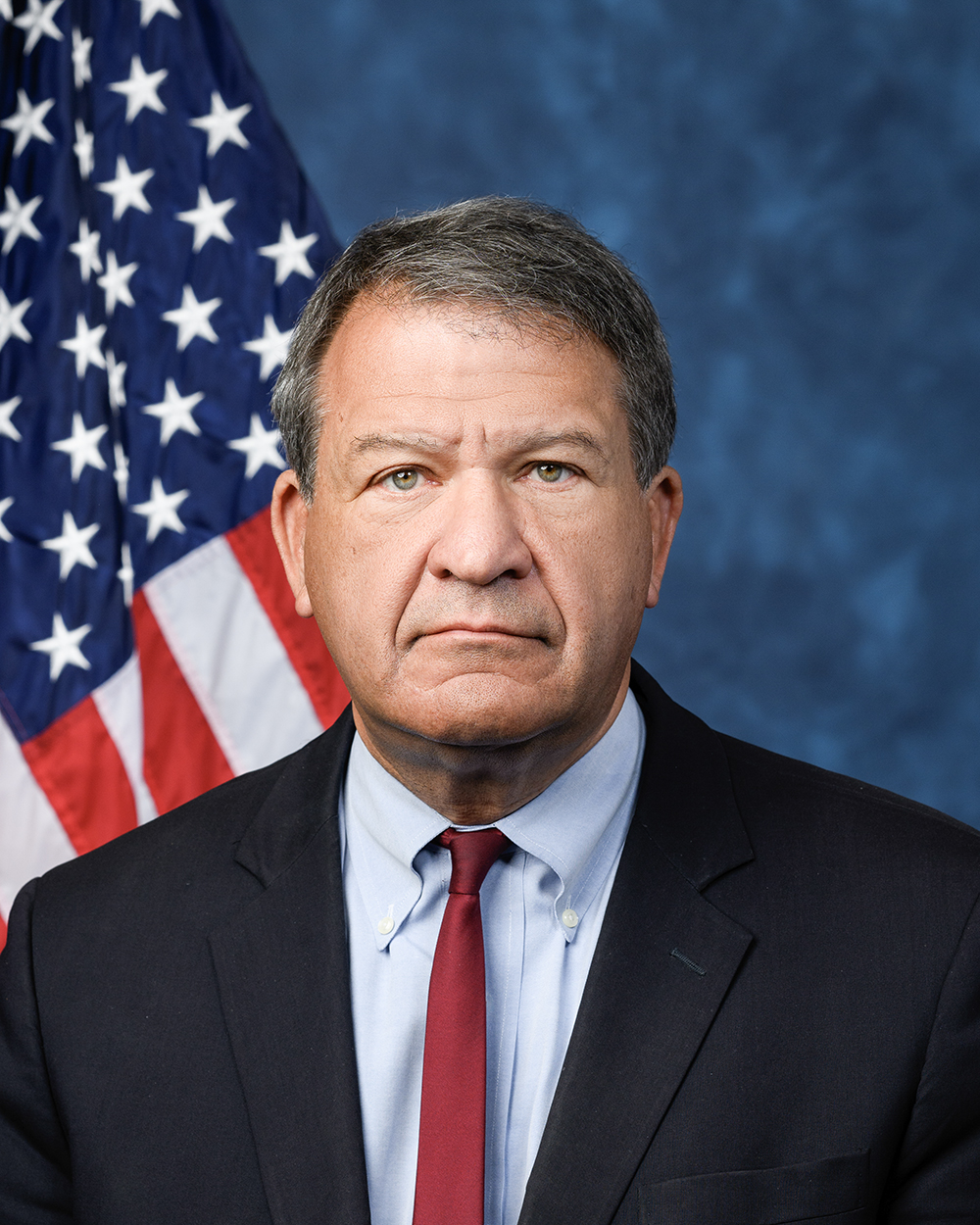
George Latimer
George Latimer House · District 16
D
Strong −
13% 67
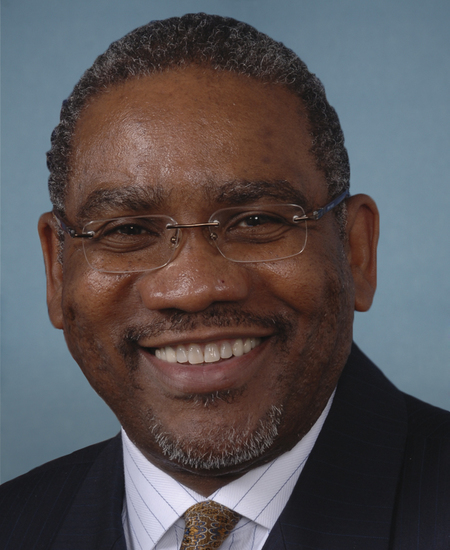
Gregory W. Meeks
Gregory W. Meeks House · District 5
D
Strong −
14% 66
Showing 161–170 of 307 bills

All budget & taxes bills

in committee · United States · House Feb 12, 2026

HR 4304: Fair Accounting for Income Realized from Betting Earnings Taxation Act

HR 4304, the FAIR Bet Act, amends the tax code to allow gamblers to deduct 100% of their wagering losses instead of the current 90% limit. This change directly affects individuals who report gambling losses on their federal income tax returns. The key provision modifies Section 165(d) of the Internal Revenue Code to remove the 90% restriction on deducting gambling losses. The bill does not alter how gambling winnings are taxed, only the deduction available for losses.
Sub-Topics Income Tax
in committee · United States · House Jul 25, 2025

HR 4772: Critical Minerals Investment Tax Modernization Act of 2025

The Critical Minerals Investment Tax Modernization Act of 2025 modifies the federal tax code to allow mining companies extracting specific critical minerals - including the 15 lanthanide elements and scandium - to claim a 22% tax deduction (known as percentage depletion) on their mining operations. This deduction reduces taxable income for qualifying companies, directly affecting firms focused on these minerals used in technologies like electronics and clean energy infrastructure. The change applies to tax years beginning after the bill's enactment date. The legislation targets a narrow tax provision without altering broader tax policy or funding mechanisms.
Sub-Topics Renewable Energy
in committee · United States · House Jul 23, 2025

HR 4739: SHARE Plan Act

This bill creates a tax incentive for U.S. corporations to distribute company stock to employees. To qualify, corporations must have 500+ full-time U.S. employees, be U.S.-domiciled, and meet specific share distribution requirements (e.g., distributing at least 1% of shares to employees or maintaining a 5% "SHARE ratio" of shares granted). Eligible corporations receive a 3% reduction in corporate income tax and can deduct the fair market value of distributed stock. Employee stock received under these plans is excluded from taxable income, directly benefiting workers at qualifying companies while lowering tax liability for the corporations.
in committee · United States · House Oct 8, 2025

HR 5709: TAAP Act

The TAAP Act reauthorizes the U.S. program assessing shared aquifers between the U.S. and Mexico. It adjusts which states receive priority for aquifer studies (adding Arizona while excluding a specific Yuma basin area), reduces annual funding from $50 million to $1.5 million for fiscal years 2026-2033, and updates the program’s expiration date to align with this new law. The bill directly affects U.S. states (New Mexico, Texas, Arizona) and Mexican water management entities by modifying federal funding and assessment priorities for transboundary groundwater resources.
in committee · United States · House Jul 23, 2025

HR 4714: End Polluter Welfare Act of 2025

The End Polluter Welfare Act of 2025 eliminates federal subsidies for fossil fuel production by repealing tax incentives, increasing royalty rates, and prohibiting federal funding for fossil fuel projects. It directly affects oil, gas, and coal companies by terminating tax credits like the enhanced oil recovery credit (Section 43), ending special tax treatments for fossil fuel activities, and increasing offshore royalty rates to 18 3/4 percent. The bill prohibits U.S. International Development Finance Corporation and Export-Import Bank funding for fossil fuel projects, ends interest payments on royalty overpayments, and terminates tax provisions allowing accelerated depreciation for fossil fuel infrastructure. These changes apply to taxable years beginning after the bill's enactment date, with specific provisions targeting coal, petroleum, and natural gas production.
Sub-Topics Coal Oil & Gas
in committee · United States · House Sep 30, 2025

HR 5624: No Funding for Lawless Jurisdictions Act

This bill withholds federal grant funding from states or local governments that implement specific policies. It prohibits funding for jurisdictions with laws that substantially limit cash bail for certain serious crimes (like violent offenses or public disorder) or allow felony convicts to be released without bail. It also blocks funding for cities classified as "urbanized areas" that reduced police budgets (unless due to a general budget shortfall). The policy directly affects local governments and states that adopt these specific approaches to criminal justice or law enforcement funding. The bill modifies two existing federal grant programs to enforce these eligibility rules.
in committee · United States · House May 4, 2026

HR 5213: No Federal Funds for Cashless Bail Act

HR 5213, the "Keep Violent Criminals Off Our Streets Act," prohibits federal grants to states or local governments that have policies substantially limiting cash bail for individuals charged with specific violent or public disorder offenses. It directly affects state and local governments with bail policies allowing pretrial release for crimes like murder, rape, robbery, looting, or rioting. The bill amends federal law to block grant awards (under the Omnibus Crime Control Act) for any jurisdiction maintaining such bail policies for these covered offenses, starting in the fiscal year after enactment. This is a funding restriction, not a change to bail laws themselves.
Sub-Topics Violent Crime
in committee · United States · House Aug 12, 2025

HR 4968: Protecting and Preserving Social Security Act

This bill would change how Social Security cost-of-living adjustments are calculated by creating a new Consumer Price Index for Elderly Consumers (CPI-E) that tracks spending patterns specific to seniors aged 62 and older. It would also modify tax calculations for high earners by applying declining percentages of income above the Social Security tax cap (from 86% in 2026 down to 0% after 2031) for both wages and self-employment income. Additionally, the bill would adjust benefit calculations to include "surplus earnings" above the tax cap for individuals with high lifetime earnings. These changes would primarily affect Social Security beneficiaries and high-earning workers, particularly those becoming eligible for benefits after 2025.
Tags Seniors
in committee · United States · House Oct 14, 2025

HR 5754: Government Accountability Office District of Columbia Home Rule Act

This bill repeals federal laws that gave the Government Accountability Office (GAO) oversight authority over the District of Columbia government. It removes the District from GAO's annual audit requirements, reporting obligations to Congress, and evaluations of District programs. The bill also deletes DC-specific reporting duties from the District's Home Rule Act, including provisions requiring the mayor to address GAO recommendations. These changes directly affect the District government by eliminating federal oversight mechanisms previously applied to its operations.
in committee · United States · House Aug 1, 2025

HR 4840: CREATE Act

The CREATE Act increases tax credit limits for film and television productions, raising the annual spending cap from $15 million to $30 million for qualified productions and adjusting related thresholds from $20 million to $40 million. It adds an annual inflation adjustment mechanism to these limits starting in 2026, automatically increasing them based on the cost-of-living index. The bill extends the program's expiration date from December 31, 2025, to December 31, 2030. This directly affects producers of eligible entertainment projects by expanding available tax credits and providing long-term stability for the industry. The changes apply to productions starting in taxable years ending after December 31, 2025.
Showing 161 to 170 of 307 bills
Previous 1 … 16 17 18 … 31 Next