Issue · Budget & Taxes

Budget & Taxes

Every budget & taxes bill, vote, and legislator stance in United States, automatically classified by Maddy, our AI policy reader.

Total bills
2,374
119th Congress
Top supporter
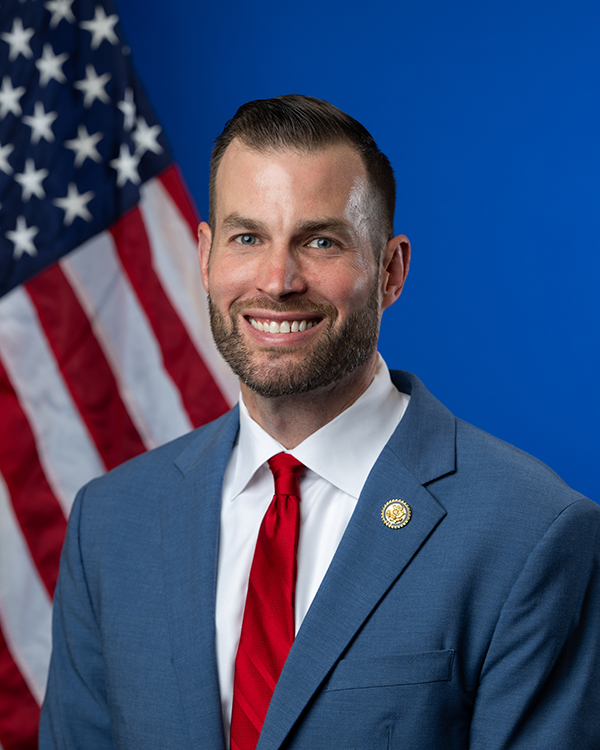
Clay Fuller
87% support rate
Top opponent
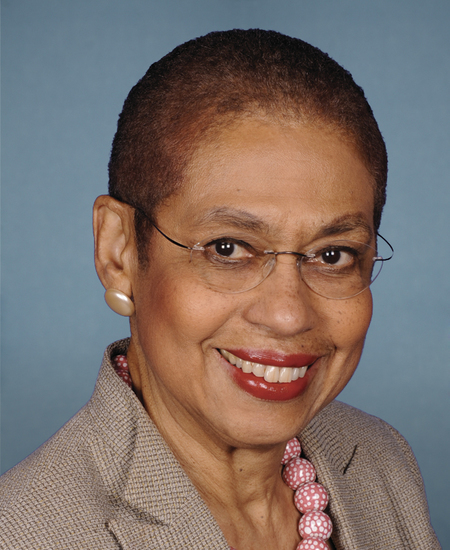
Eleanor Holmes Norton
0% support rate
Ranked legislators
10
5 support · 5 oppose
Key legislators

Who's moving budget & taxes in United States

Legislators moving budget & taxes in United States
Legislator Party Stance Support rate Decisive votes
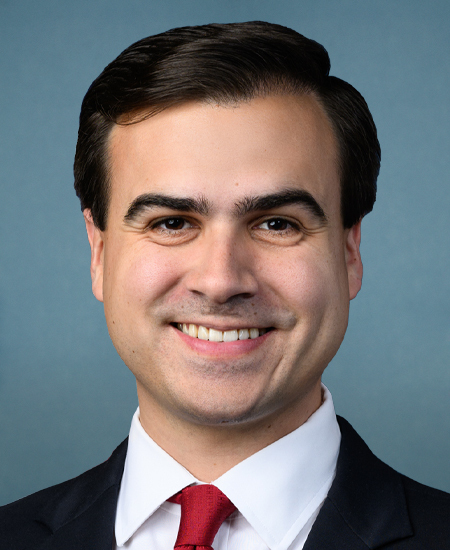
Clay Fuller
Clay Fuller House · District 14
R
Strong +
87% 46
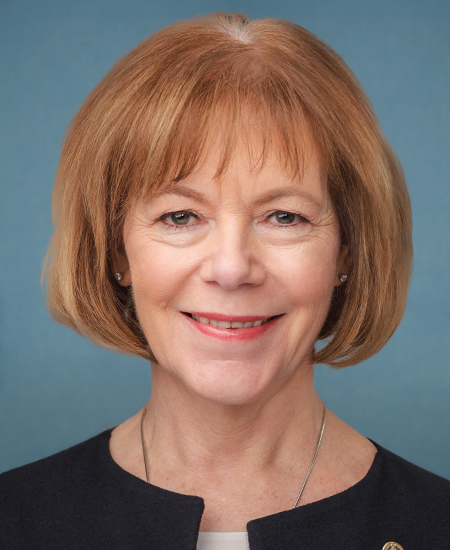
Tina Smith
Tina Smith Senate
D
Strong +
83% 77
Andrew Ogles
Andrew Ogles House · District 5
R
Strong +
83% 65
Aaron Bean
Aaron Bean House · District 4
R
Strong +
83% 69
Ben Cline
Ben Cline House · District 6
R
Strong +
83% 69
Eleanor Holmes Norton
Eleanor Holmes Norton House · District At-Large
D
Strong −
0% 26
Pablo José Hernández
Pablo José Hernández House · District At-Large
D
Strong −
7% 28
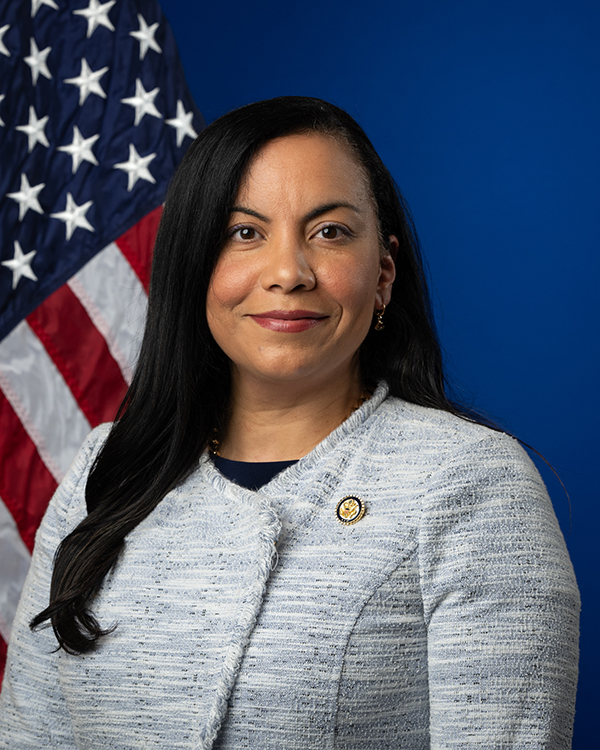
Analilia Mejia
Analilia Mejia House · District 11
D
Strong −
13% 45
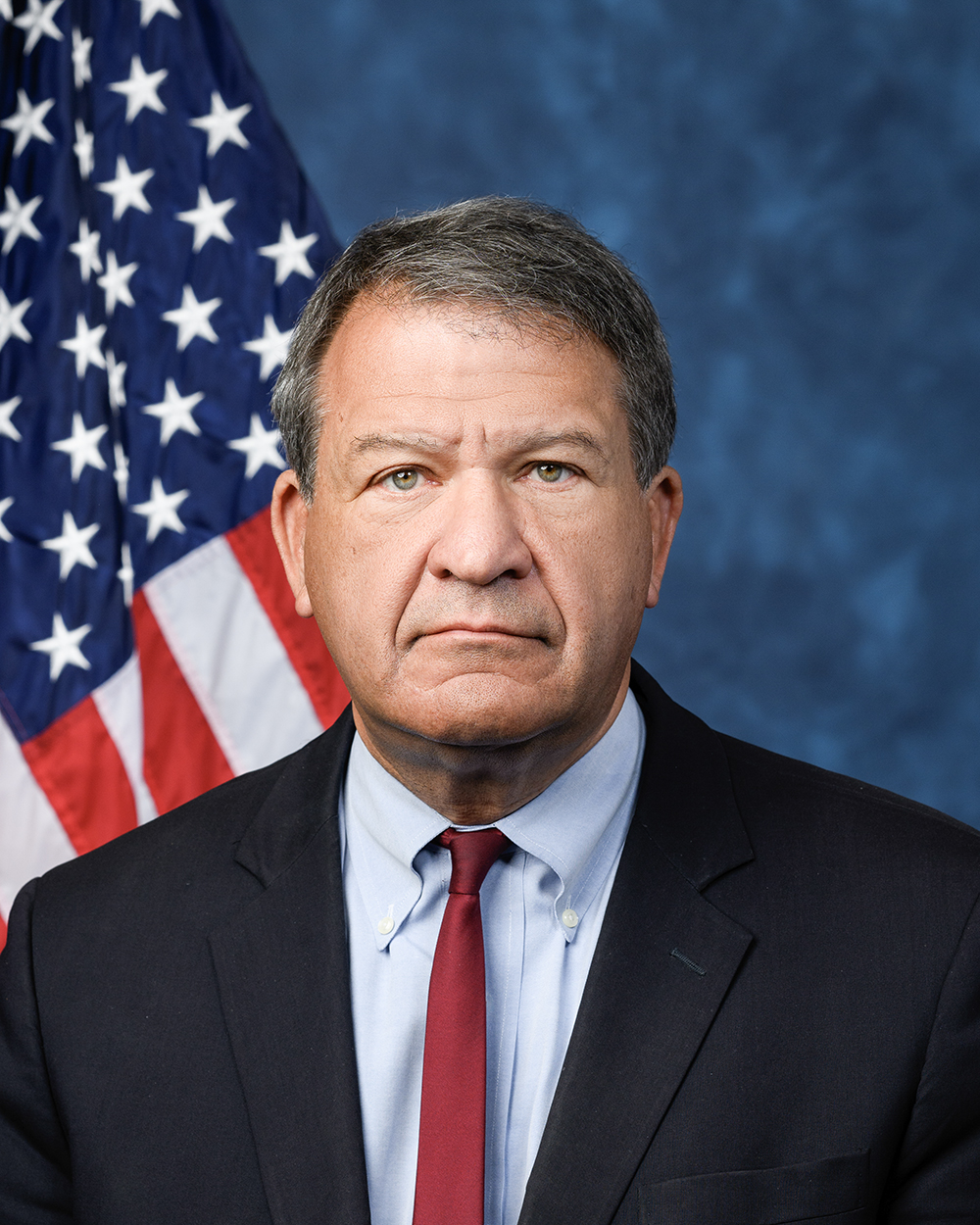
George Latimer
George Latimer House · District 16
D
Strong −
13% 67
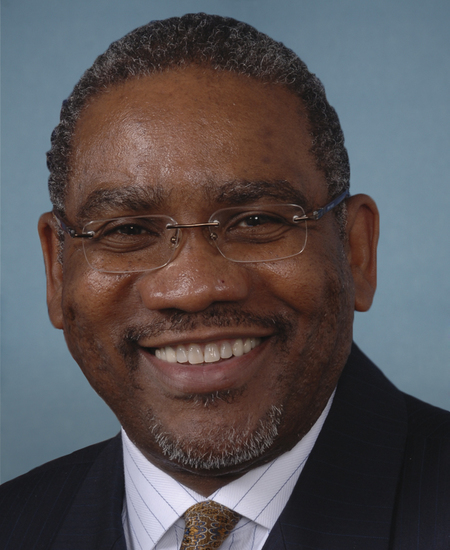
Gregory W. Meeks
Gregory W. Meeks House · District 5
D
Strong −
14% 66
Showing 1,651–1,660 of 2,374 bills

All budget & taxes bills

passed · United States · Senate Jun 15, 2026

S 872: Stop Secret Spending Act of 2025

Stop Secret Spending Act of 2025 This bill expands a requirement for federal agencies to report expenditures on the USAspending.gov website to include other transaction agreement expenditures. (Other transaction agreements, or OTAs, are contractual instruments other than standard procurement contracts, grants, or cooperative agreements; they are exempt from many federal procurement laws and regulations). Under current law, federal agencies must report expenditures on federal awards to USAspending.gov with the term federal award defined as federal grants, loans, cooperative agreements, contracts, and certain other types of expenditures. This bill expands the definition of federal award to include expenditures under OTAs, and therefore such expenditures must be included on the USAspending.gov website.  The Department of the Treasury must ensure that data relating to OTAs are automatically transmitted to the website and a centralized view of this data is available on the website. Treasury must also annually post on the USAspending.gov website a report that includes (1) the total amount of federal spending on federal awards for which data has not been posted on the website, and (2) the reason why such spending data was not posted. For 10 years after enactment, the Office of Inspector General of specified federal agencies must periodically submit to Congress and make publicly available a report assessing the agency's spending data and use of data standards.
Sub-Topics Procurement Tags Government Transparency
in committee · United States · Senate Feb 27, 2025

S 768: Invest to Protect Act of 2025

The Invest to Protect Act of 2025 establishes a federal grant program to support local law enforcement agencies with fewer than 175 officers. Eligible communities - including counties, municipalities, and Tribal governments - can use funds for de-escalation training, mental health and domestic violence response training, officer retention bonuses, graduate education stipends, and access to behavioral health services for officers. The program requires grantees to report on outcomes and publicly disclose bonus amounts, with strict audit requirements to prevent misuse of funds. It authorizes $50 million annually from 2026 to 2030 to advance these concrete safety and support initiatives.
in committee · United States · Senate Feb 27, 2025

S 796: Book Minimum Tax Repeal Act

S 796, the Book Minimum Tax Repeal Act, repeals a corporate minimum tax provision in the Internal Revenue Code that previously applied to certain businesses. The bill removes the requirement for corporations to pay a minimum tax based on their alternative minimum taxable income, effectively eliminating this specific tax obligation for affected corporations. Key provisions amend Section 55 of the tax code to delete corporate minimum tax calculations and related references, treating corporations as having a zero tentative minimum tax. This change directly affects corporations that would have been subject to this minimum tax, with the repeal taking effect for taxable years beginning after December 31, 2024.
in committee · United States · Senate Feb 6, 2025

S 445: Carried Interest Fairness Act of 2025

The Carried Interest Fairness Act of 2025 would change how investment fund managers are taxed on their "carried interest" - the share of profits they earn for managing investment funds. Currently, this is often taxed at lower capital gains rates, but the bill would require it to be taxed as ordinary income instead. It creates new rules for "investment services partnership interests" and specifies that gains and losses from these interests must be treated as ordinary income or loss. The bill directly affects investment fund managers and aims to align their tax treatment more closely with how other business income is taxed.
in committee · United States · Senate Jul 30, 2025

S 827: Supporting Rural Veterans Access to Healthcare Services Act

This bill amends a Department of Veterans Affairs transportation grant program to improve healthcare access for rural veterans. It expands eligibility to include tribal organizations and Native Hawaiian organizations, and increases grant amounts (up to $50,000, with a potential 50% increase for counties with five or more off-road communities) to cover transportation costs. The changes apply to grants for rural veterans needing transportation to healthcare services, particularly in areas with limited road access. Funding is adjusted from fixed annual amounts to "such sums as may be necessary" for fiscal years 2025-2029.
in committee · United States · Senate Feb 20, 2025

S 653: A bill to amend the Internal Revenue Code of 1986 to treat membership in a health care sharing ministry as a medical expense, and for other purposes.

This bill changes the tax code to allow individuals to deduct payments to health care sharing ministries (HCSMs) as medical expenses, similar to traditional health insurance costs. It directly affects people enrolled in HCSMs - groups that share medical costs among members without being regulated as insurance. The bill adds HCSM membership fees and shared medical expenses to the list of deductible medical costs under Section 213(d)(1) of the tax code and clarifies that HCSMs are not treated as health insurance or health plans. These changes would take effect for tax years starting in 2026.
Sub-Topics Insurance
in committee · United States · Senate Jan 30, 2025

S 335: Rural Hospital Support Act

This bill modifies Medicare payment calculations for rural hospitals to provide increased funding. It directly affects "sole community hospitals" and "Medicare-dependent hospitals" by rebasing their payment formulas using a 2016 cost reporting period as the new base, effective October 1, 2025. The key mechanism replaces the previous base period with 2016 data, potentially increasing payments if this change results in higher reimbursement. The bill also extends existing payment programs for these hospitals through future fiscal years and prohibits certain payment adjustments for rebased amounts. This is a technical adjustment to Medicare reimbursement rules, not a new eligibility program.
Sub-Topics Hospitals Medicare Tags Rural Communities
signed · United States · Senate Feb 10, 2026

S 269: Ending Improper Payments to Deceased People Act

Ending Improper Payments to Deceased People Act This act permanently allows the Department of the Treasury to access certain death records maintained by the Social Security Administration (SSA) to help prevent and recover improper payments (e.g., payments to deceased individuals). The act also establishes evidentiary requirements the SSA must meet before identifying an individual as deceased. Current law requires the SSA to share its Death Master File with the Do Not Pay system maintained by Treasury for three years. The act makes this requirement permanent. Treasury must enter into an agreement with the SSA related to Treasury's share of the cost of state death data. The act also prohibits the SSA from recording a death in the master file unless the SSA has clear and convincing evidence that the individual should be presumed deceased. If an individual is incorrectly identified as deceased and provides the SSA with supporting documentation, the SSA may notify certain agencies that have access to the master file, including Treasury and federal or state agencies that provide or disburse federally funded benefits.
in committee · United States · Senate Jan 23, 2025

S 208: A bill to amend the Public Health Service Act to reauthorize the Stop, Observe, Ask, and Respond to Health and Wellness Training Program.

This bill extends funding for the SOAR to Health and Wellness Training Program, which trains healthcare providers to observe, ask about, and respond to patient wellness concerns, through fiscal years 2025-2029. It updates the Public Health Service Act to adjust the program’s funding period and cancels $20 million from a Department of Health and Human Services fund. The program helps health professionals address wellness issues with patients through structured training. This directly affects healthcare organizations participating in the SOAR program.
Sub-Topics Public Health
in committee · United States · House Mar 11, 2025

HR 2031: HOME Investment Partnerships Reauthorization and Improvement Act of 2025

The HOME Investment Partnerships Reauthorization and Improvement Act of 2025 reauthorizes the HOME program through fiscal year 2029 with annual funding increasing from $5 billion in 2025 to over $6 billion in 2029. The bill makes several key changes including increasing administrative resources from 10% to 15% of funds, eliminating a commitment deadline for using funds, and creating new provisions for small-scale housing (up to 4 rental units) to qualify as affordable housing. It also establishes a new home loan guarantee program with a $2 billion cap for fiscal year 2025, designed to help finance affordable housing development and preservation. These changes directly affect state and local governments administering the HOME program, as well as developers and residents of affordable housing properties.
Showing 1,651 to 1,660 of 2,374 bills