Issue · Budget & Taxes

Budget & Taxes

Every budget & taxes bill, vote, and legislator stance in United States, automatically classified by Maddy, our AI policy reader.

Total bills
307
119th Congress
Top supporter
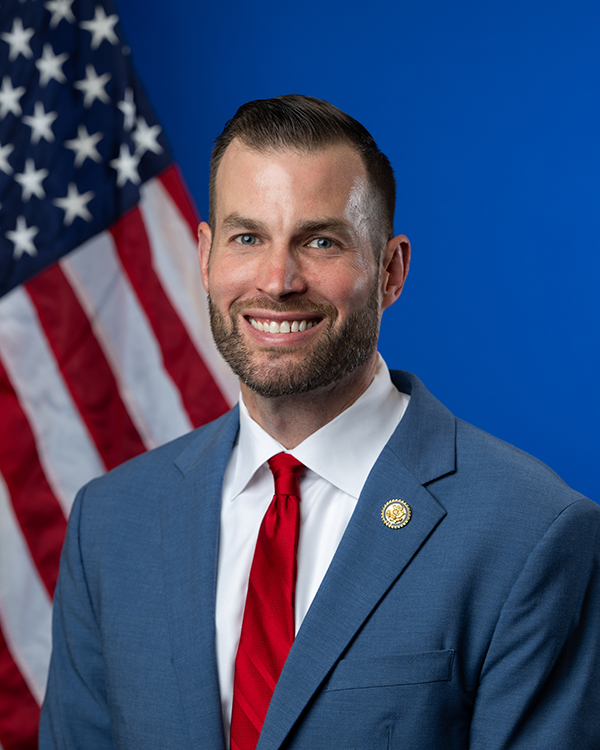
Clay Fuller
87% support rate
Top opponent
Eleanor Holmes Norton
0% support rate
Ranked legislators
10
5 support · 5 oppose
Key legislators

Who's moving budget & taxes in United States

Legislators moving budget & taxes in United States
Legislator Party Stance Support rate Decisive votes
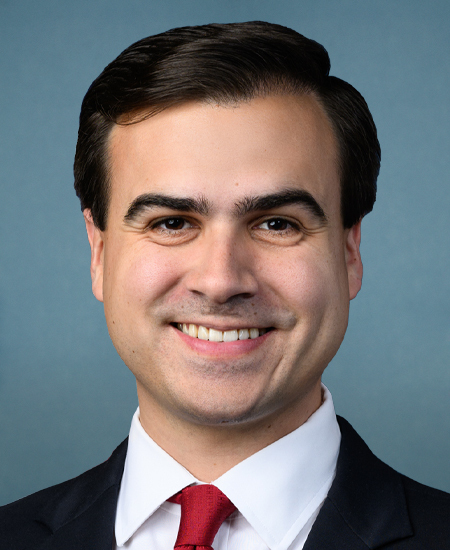
Clay Fuller
Clay Fuller House · District 14
R
Strong +
87% 46
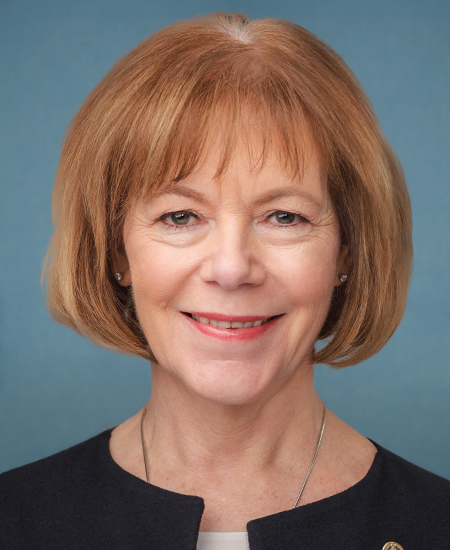
Tina Smith
Tina Smith Senate
D
Strong +
83% 77
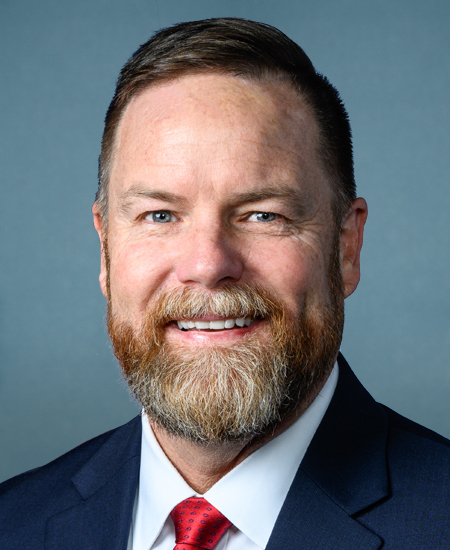
Andrew Ogles
Andrew Ogles House · District 5
R
Strong +
83% 65
Aaron Bean
Aaron Bean House · District 4
R
Strong +
83% 69
Ben Cline
Ben Cline House · District 6
R
Strong +
83% 69
Eleanor Holmes Norton
Eleanor Holmes Norton House · District At-Large
D
Strong −
0% 26
Pablo José Hernández
Pablo José Hernández House · District At-Large
D
Strong −
7% 28
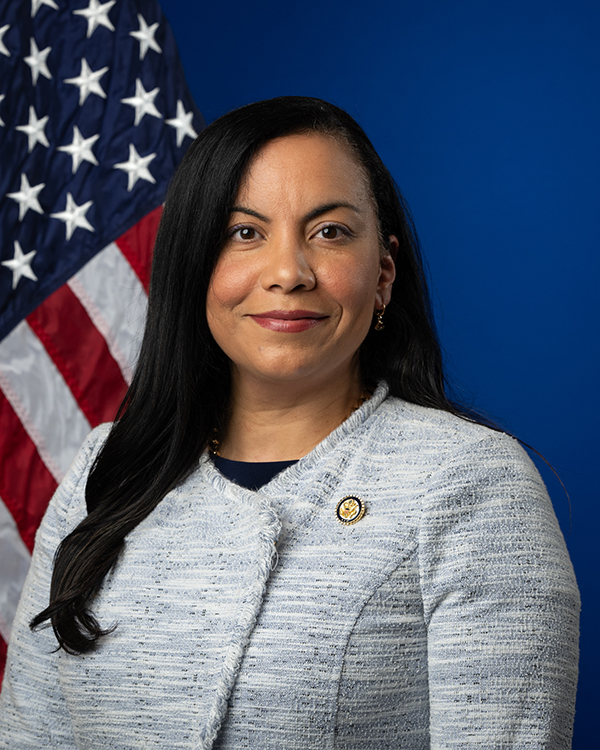
Analilia Mejia
Analilia Mejia House · District 11
D
Strong −
13% 45
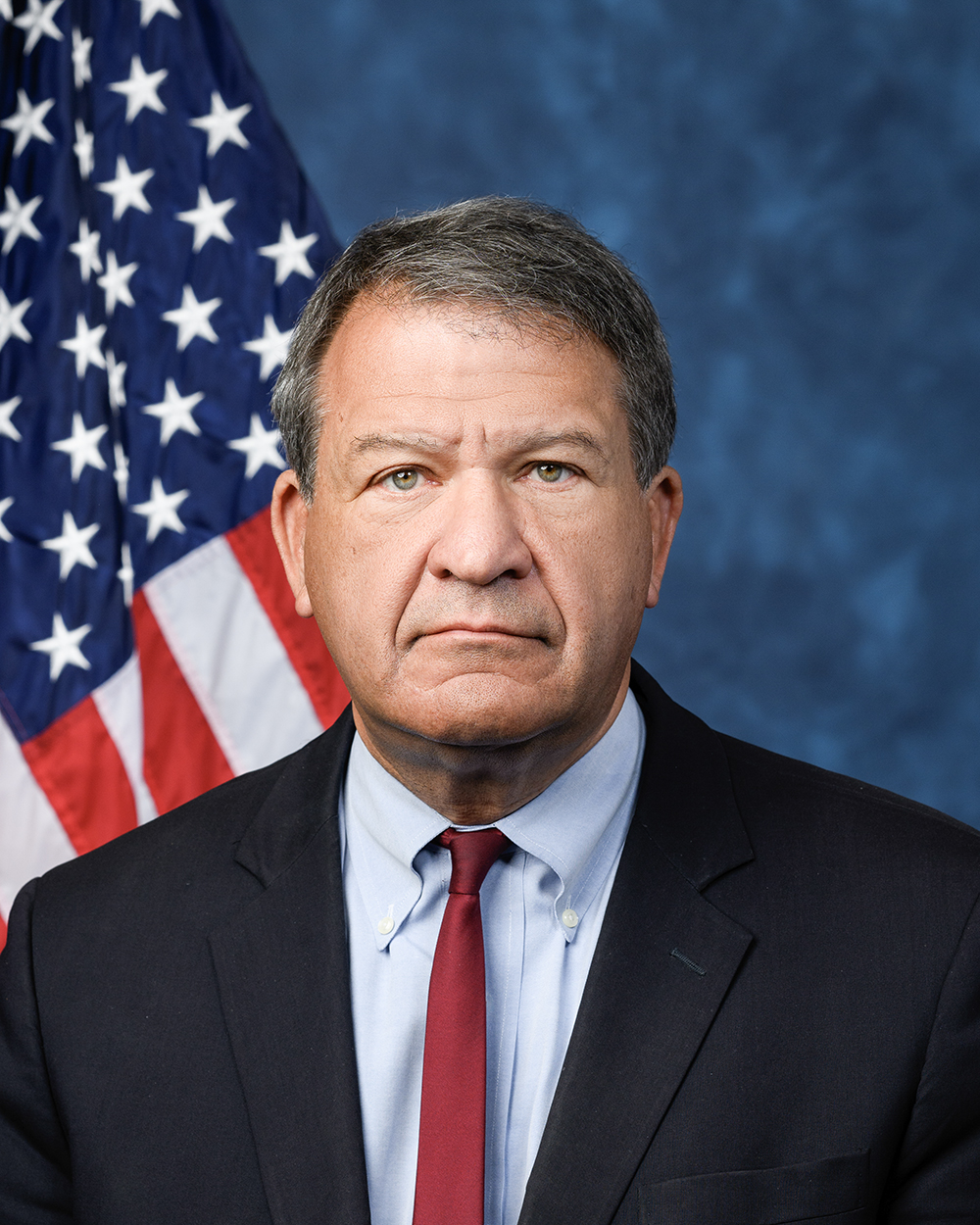
George Latimer
George Latimer House · District 16
D
Strong −
13% 67
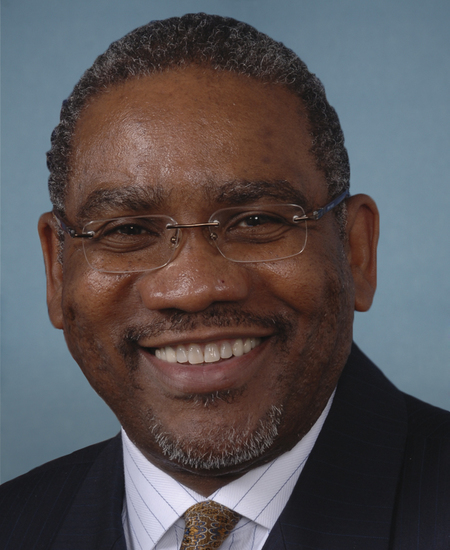
Gregory W. Meeks
Gregory W. Meeks House · District 5
D
Strong −
14% 66
Showing 151–160 of 307 bills

All budget & taxes bills

in committee · United States · House Apr 1, 2025

HR 2552: RIFLE Act

HR 2552, the RIFLE Act, repeals the federal tax on firearm transfers (Section 5811 of the Internal Revenue Code). This directly affects firearm sellers and purchasers by removing the tax paid when transferring firearms. The bill also updates related tax code references to reflect the repeal and specifies the tax removal applies to transfers after the law's enactment. It clarifies that the repeal does not change how firearms are regulated under the National Firearms Act or involve the Consumer Product Safety Commission.
in committee · United States · House Apr 29, 2025

HR 3058: Reclaim the Reins Act

HR 3058, the Reclaim the Reins Act, requires federal agencies to submit detailed reports for regulations that increase government revenue, including budget impacts, job effects, and cost analyses. It mandates that such rules cannot take effect without Congress approving them via a joint resolution within 60 days of receiving the report. The bill also creates annual reviews for existing rules, requiring agencies to designate 20% of current rules for review and setting a 5-year sunset for rules not approved by Congress. This directly affects federal agencies issuing revenue-increasing regulations and changes how Congress can block or approve these rules before implementation.
in committee · United States · House Mar 24, 2025

HR 2292: Economic Opportunity for Distressed Communities Act

This bill creates tax incentives for investors who put capital gains into "qualified distressed opportunity funds" that invest in designated distressed communities. It allows taxpayers to defer recognizing capital gains from property sales if they invest the proceeds in these funds within 180 days, with the deferred gains being recognized by 2033 or when the investment is sold. The bill establishes specific requirements for "distressed opportunity zones" (including brownfield sites and National Priorities List facilities) and for the funds themselves (requiring at least 90% of assets to be invested in qualifying property). It includes provisions that increase tax basis for investments held for 5, 7, or 10 years, with the most significant benefit coming after 10 years of holding. The policy aims to encourage long-term investment in economically distressed areas through specific tax treatment.
Sub-Topics Tax Incentives Tags Economic Development
in committee · United States · House Jun 27, 2025

HR 4232: No Tax Dollars for Riots

HR 4232, "No Tax Dollars for Riots," restricts federal funding for tax-exempt nonprofits if an officer or board member is convicted of violent offenses against officers (18 U.S.C. §111) or rioting (18 U.S.C. §2101) while serving in that role. It directly affects 501(c)(3) nonprofits (like charities, advocacy groups, and community organizations) that receive federal funds, barring future funding and stripping their tax-exempt status upon such a conviction. The bill's key mechanism is automatic loss of federal funding eligibility and tax-exempt status for the nonprofit if a leader is convicted of these specific offenses during their service. It does not impose criminal penalties but alters federal funding access based on the conduct of nonprofit leadership. The policy change is limited to federal funding restrictions for nonprofits meeting the specified criteria.
signed · United States · House Jul 24, 2025

HR 4: Rescissions Act of 2025

Rescissions Act of 2025 This act rescinds specified unobligated funds that were provided to the Department of State, the U.S. Agency for International Development (USAID), various independent and related agencies, and the Corporation for Public Broadcasting.  The rescissions were proposed by the President under procedures included in the Congressional Budget and Impoundment Control Act of 1974. Under current law, the President may propose rescissions to Congress using specified procedures, and the rescissions must be enacted into law to take effect.  Specifically, the act rescinds funds that were provided to the State Department or the President for Contributions to International Organizations; Contributions for International Peacekeeping Activities; Global Health Programs (excluding funds for programs addressing HIV/AIDS, tuberculosis, malaria, nutrition, or maternal and child health); Migration and Refugee Assistance; the Complex Crises Fund; the Democracy Fund; the Economic Support Fund (excluding funds for assistance to Jordan, Egypt, or the Countering PRC Influence Fund); Contributions to the Clean Technology Fund; International Organization and Programs; Development Assistance (excluding funds for Feed the Future Innovation Labs, the Countering PRC Influence Fund, or commodity-based food aid); Assistance for Europe, Eurasia, and Central Asia; International Disaster Assistance (excluding funds for commodity-based food aid); and Transition Initiatives. The act also rescinds funds that were provided for  USAID Operating Expenses, the Inter-American Foundation, the U.S. African Development Foundation, the U.S. Institute of Peace, and the Corporation for Public Broadcasting.
in committee · United States · House Jul 21, 2025

HR 4561: SUE Act

The SUE Act prohibits federal funds from being used to pay for Wall Street Journal subscriptions by any office of a Member of Congress (including delegates or resident commissioners) or any congressional committee. This restriction applies to all such offices and committees starting in fiscal year 2025. The law specifically targets this expenditure without affecting other subscription uses or funding mechanisms.
Sub-Topics Government Spending
in committee · United States · House Jul 15, 2025

HR 4389: Religious Exemptions for Social Security and Healthcare Taxes Act

This bill would allow members of specific religious groups (who already qualify under existing self-employment tax exemptions) to receive credits or refunds for Social Security and Medicare taxes withheld from their wages. It creates a new application process for these individuals to seek reimbursement of taxes paid under Section 3101 of the tax code. The credit would apply to wages earned during taxable years starting after the bill's enactment. This directly affects employees in qualifying religious communities who work for wages but are exempt from self-employment taxes under current law. The bill does not change existing tax obligations for other workers.
Sub-Topics Tax Credits
in committee · United States · House Jun 24, 2025

HR 4102: RISE Act

HR 4102, the RISE Act, reduces the maximum tax rate on investment profits for certain taxpayers. It limits the tax on adjusted net capital gains to 15% for amounts exceeding a specific threshold, directly affecting high-income individuals with significant investment gains. The bill amends the tax code to replace current capital gains tax rates with this new 15% cap for qualifying income. This change applies to taxable years beginning after the bill's enactment date.
in committee · United States · House Jul 2, 2025

HR 4274: Remittance Expense Minimization and Integrity for Transfers Act

HR 4274, the Remittance Expense Minimization and Integrity for Transfers Act (REMIT Act of 2025), requires the Treasury Secretary to certify to Congress before imposing any excise tax or fee on money transmitting businesses. This applies to both licensed services and informal transfer systems (IVTS), such as those used by diaspora communities. The certification must confirm the tax/fee won’t increase money laundering risks or impose undue burdens on businesses. The bill responds to findings that current regulations have pushed users toward unregulated IVTS, which criminal groups exploit for money laundering and terrorist financing. It aims to prevent new fees from inadvertently worsening financial crime while protecting legitimate remittance flows.
Sub-Topics Sales Tax
in committee · United States · House May 20, 2025

HR 3519: Universal School Choice Act

The Universal School Choice Act (HR 3519) creates tax credits for individuals and corporations that contribute to scholarship granting organizations providing education scholarships. The bill establishes a $10 billion annual cap on these credits and defines "qualified" education expenses to include tuition, materials, tutoring, and other costs at public or private schools, including religious institutions. Scholarship granting organizations must meet requirements like income verification for low-income students and annual audits. The legislation prohibits government control over these organizations and ensures religious schools can participate without discrimination. This bill would directly affect taxpayers making education contributions, scholarship organizations, and students attending participating schools.
Showing 151 to 160 of 307 bills
Previous 1 … 15 16 17 … 31 Next