Issue · Budget & Taxes

Budget & Taxes

Every budget & taxes bill, vote, and legislator stance in United States, automatically classified by Maddy, our AI policy reader.

Total bills
2,101
119th Congress
Top supporter
Clay Fuller
87% support rate
Top opponent
Eleanor Holmes Norton
0% support rate
Ranked legislators
10
5 support · 5 oppose
Key legislators

Who's moving budget & taxes in United States

Legislators moving budget & taxes in United States
Legislator Party Stance Support rate Decisive votes
Clay Fuller
Clay Fuller House · District 14
R
Strong +
87% 46
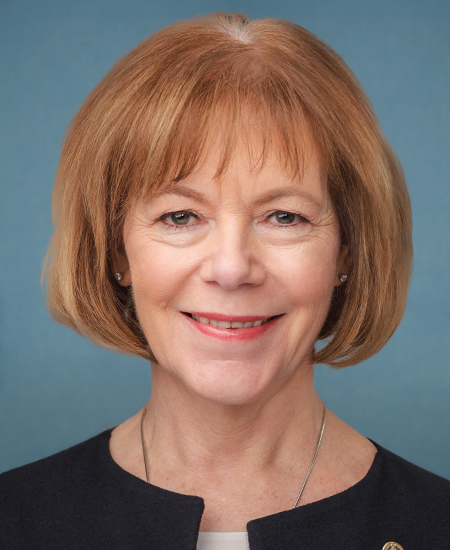
Tina Smith
Tina Smith Senate
D
Strong +
83% 77
Andrew Ogles
Andrew Ogles House · District 5
R
Strong +
83% 65
Aaron Bean
Aaron Bean House · District 4
R
Strong +
83% 69
Ben Cline
Ben Cline House · District 6
R
Strong +
83% 69
Eleanor Holmes Norton
Eleanor Holmes Norton House · District At-Large
D
Strong −
0% 26
Pablo José Hernández
Pablo José Hernández House · District At-Large
D
Strong −
7% 28
Analilia Mejia
Analilia Mejia House · District 11
D
Strong −
13% 45
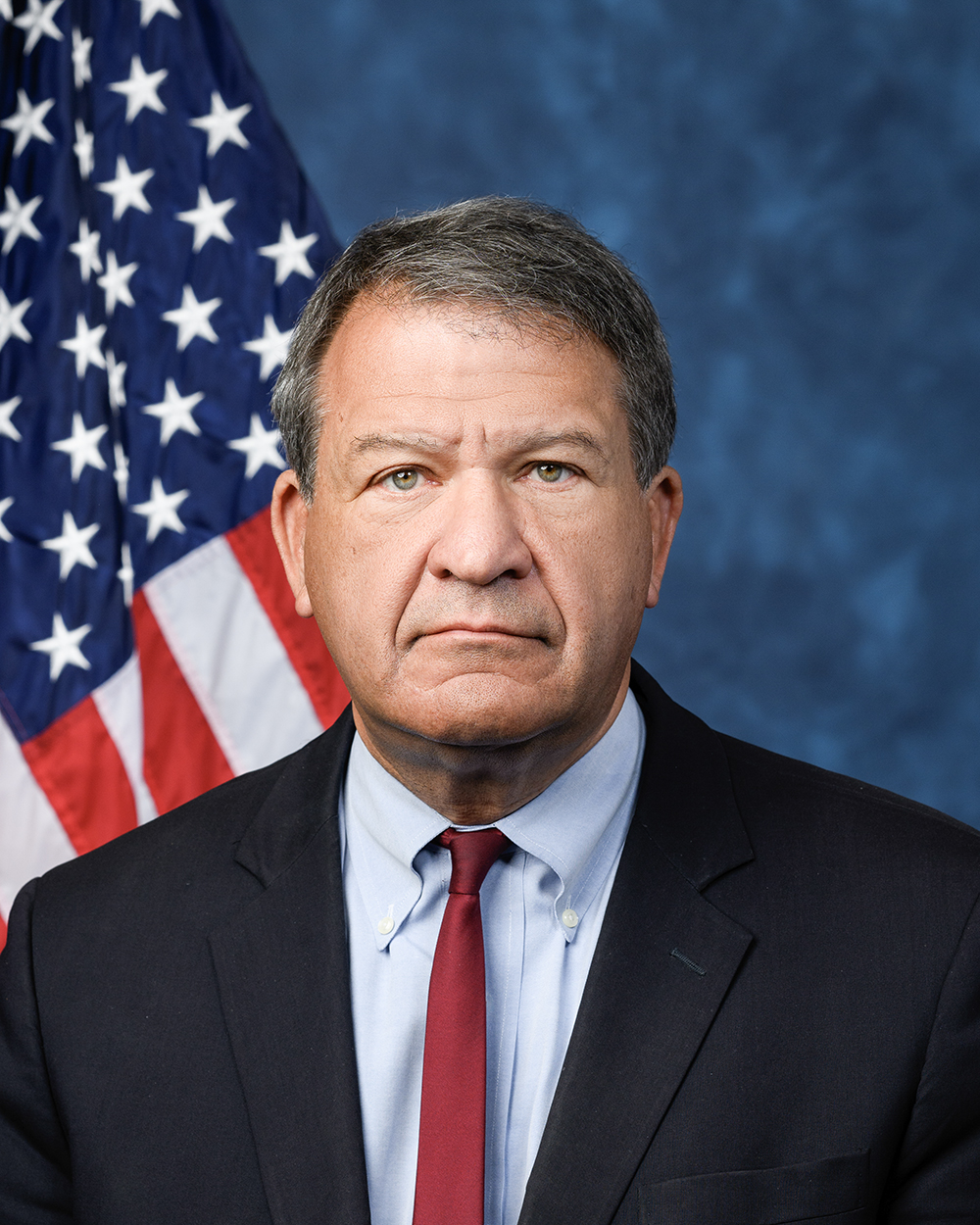
George Latimer
George Latimer House · District 16
D
Strong −
13% 67
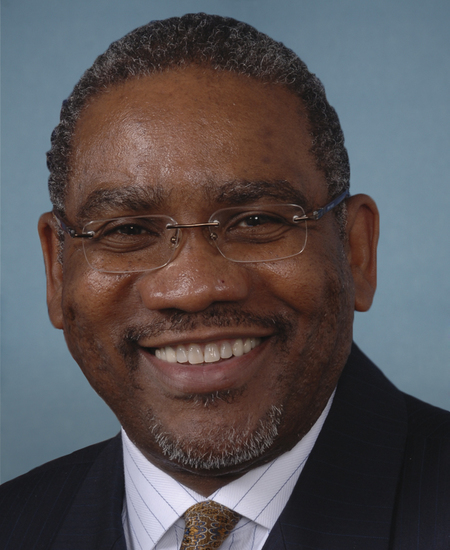
Gregory W. Meeks
Gregory W. Meeks House · District 5
D
Strong −
14% 66
Showing 1,511–1,520 of 2,101 bills

All budget & taxes bills

in committee · United States · House Jan 21, 2025

HR 570: To amend the Internal Revenue Code of 1986 to allow the child tax credit with respect to stillbirths.

This bill amends the tax code to allow taxpayers to claim the child tax credit for stillborn children carried for 20 weeks or more. It directly affects parents who experience stillbirths after 20 weeks of pregnancy by treating the unborn child as a "qualifying child" for tax credit purposes, as if the child had been born alive. Key provisions adjust existing tax rules to exclude the stillborn child from standard eligibility restrictions (like requiring a social security number) if the child would have qualified had it been born. The change applies to tax returns filed for years after the bill becomes law.
Sub-Topics Tax Credits
in committee · United States · Senate Jun 5, 2025

S 1968: Working Waterfronts Act of 2025

The Working Waterfronts Act of 2025 provides financial support to coastal communities and industries through multiple programs. It creates a tax credit for hydroelectric facilities that improve fish passage and water quality, offers Department of Agriculture loans and grants for fishing and mariculture businesses, and establishes grants to support rural seafood processing infrastructure. The bill also includes a working waterfronts preservation grant program to protect areas used by commercial fishing, mariculture, and boatbuilding industries, and creates a maritime workforce grant program to support training and education. These provisions directly affect commercial fishing businesses, seafood processors, coastal communities, and maritime workers.
in committee · United States · Senate May 8, 2025

S 1690: Medicare and Social Security Fair Share Act

This bill would adjust Social Security and Medicare tax provisions for high-income earners. It would raise the Social Security wage base to $400,000 (so income above this level would no longer be subject to Social Security tax) while adding a new 1.2% tax on wages exceeding $400,000 (or $500,000 for joint returns). It would similarly create a 1.2% tax on self-employment income above $400,000. Additionally, it would impose a 13.6% tax on investment income for individuals with modified adjusted gross income above $400,000. The revenue generated would be allocated to Social Security and Medicare trust funds, with 71.3% going to Old-Age and Survivors, 10.3% to Disability Insurance, and 28.7% to Hospital Insurance.
in committee · United States · Senate May 1, 2025

S 1565: Lowering Costs for Caregivers Act of 2025

This bill expands tax-advantaged health accounts to cover medical expenses for parents. It modifies federal tax rules for Health Savings Accounts (HSAs), Flexible Spending Accounts (FSAs), and Archer MSAs, allowing adult children to use these accounts to pay for their parents' medical care without triggering tax penalties. Specifically, it adds parents to the list of eligible family members under existing IRS definitions. The changes apply to expenses incurred after December 31, 2025, directly benefiting caregivers who pay for their aging parents' healthcare costs.
in committee · United States · Senate Apr 30, 2025

S 1532: A bill to amend the Internal Revenue Code of 1986 to modify the railroad track maintenance credit.

This bill increases the annual limit on the tax credit for qualified railroad track maintenance expenses (also referred to as the short line railroad tax credit) and expands eligibility for claiming the credit. Under current law, the tax credit is limited each tax year to $3,500 multiplied by the sum of the number of miles of railroad track owned or leased by the taxpayer (miles owned or leased) and the number of railroad track miles assigned to the taxpayer by a Class II or III railroad (miles assigned). This bill increases the annual limit to $6,100 multiplied by the sum of miles owned or leased and miles assigned. The $6,100 amount used in the calculation of the tax credit limit is adjusted for inflation for tax years beginning after 2025. The bill also expands eligibility for the tax credit to include gross expenses for maintaining railroad tracks owned or leased as of January 1, 2024. Under current law, the tax credit is limited to gross expenses for maintaining railroad tracks owned or leased as of January 1, 2015.
Sub-Topics Tax Credits Rail
in committee · United States · House Jan 16, 2025

HR 486: Young Americans Financial Literacy Act

HR 486, the Young Americans Financial Literacy Act, authorizes $27.5 million to $55 million annually through 2029 to fund competitive grants for centers of excellence focused on financial literacy education for individuals aged 8-24. These centers, established by eligible institutions like schools, nonprofits, or financial organizations, must develop research-based programs covering budgeting, debt management, student loan guidance, and avoiding pitfalls like predatory lending. The bill specifically requires programs to address at-risk populations, include evidence-based teaching methods, and serve groups such as high school graduates, college students, young families, and military personnel. It mandates annual reporting to Congress on grant recipients and the populations they serve, with funding ending in 2029.
in committee · United States · Senate Jan 14, 2025

S 88: No Budget, No Pay Act

This bill requires Congress to pass the annual budget resolution and all funding bills by October 1 each year. If Congress misses this deadline, members of Congress (excluding the Vice President) would not receive salary for the period of non-compliance, and this pay would not be retroactively issued. The Budget Chairs of each chamber would determine compliance and certify pay withholding. The law takes effect on September 29, 2027.
in committee · United States · Senate Jun 17, 2025

S 2094: Basis Shifting is a Rip-off Act

This bill targets tax avoidance tactics known as "basis shifting" in partnerships involving related parties. It requires partners to recognize gain when receiving property distributions from partnerships where related parties are involved, preventing them from artificially increasing the tax basis of partnership assets to reduce future taxable gains. The law defines "applicable partnerships" broadly (including any with related-party transactions) but excludes qualifying small businesses meeting gross receipts tests. Key provisions mandate that basis adjustments for distributed property must align with recognized gain, and increase penalties for understatements related to these transactions. It directly affects partnerships engaging in related-party distributions that previously allowed basis-shifting to defer or avoid taxes.
in committee · United States · Senate Apr 3, 2025

S 1276: American Innovation Act

The American Innovation Act (S 1276) authorizes multi-year funding for key federal science and technology agencies, including the National Science Foundation, Department of Energy's Office of Science, Department of Defense science programs, National Institute of Standards and Technology, and NASA's Science Mission Directorate. It sets specific annual funding levels from fiscal years 2026 through 2035, with automatic annual increases starting in 2036 based on the Consumer Price Index to adjust for inflation. The bill also exempts these appropriations from automatic budget cuts (sequestration) under the Balanced Budget Act. This funding directly affects the operations and research capabilities of these federal agencies.
Sub-Topics State Budget
in committee · United States · Senate Mar 27, 2025

S 1183: Maintaining and Enhancing Hydroelectricity and River Restoration Act of 2025

Maintaining and Enhancing Hydroelectricity and River Restoration Act of 2025 This bill establishes a new investment tax credit in the amount of 30% of the basis of any hydropower improvement property. The bill defines hydropower improvement property as property that adds or improves fish passage at a qualified dam; maintains or improves the quality of the water retained or released by a qualified dam; promotes downstream sediment transport and habitat maintenance; upgrades, repairs, or reconstructs a qualified dam to meet safety and security standards; improves public uses of, and access to, public waterways impacted by a qualified dam; removes an obsolete river obstruction; or places into service an approved remote dam. Further, written approval for hydropower improvement property must be obtained from the Federal Energy Regulatory Commission or state or local officials prior to January 1, 2035. The bill also allows an election to claim the investment tax credit for qualified progress expenses for some types of hydropower improvement property in advance of such property being placed into service. Any investment tax credit amount claimed for qualified progress expenses reduces the amount of the investment tax credit that may be claimed once the hydropower improvement property is placed into service.  The bill authorizes certain entities, including tax-exempt and governmental entities, to treat the investment tax credit for hydropower improvement property as a payment of tax and receive a refund of any overpayment (also known as elective pay).  Finally, the investment tax credit for hydropower improvement property may be transferred (i.e., sold).
Showing 1,511 to 1,520 of 2,101 bills