Issue · Budget & Taxes

Budget & Taxes

Every budget & taxes bill, vote, and legislator stance in United States, automatically classified by Maddy, our AI policy reader.

Total bills
2,411
119th Congress
Top supporter
Clay Fuller
87% support rate
Top opponent
Eleanor Holmes Norton
0% support rate
Ranked legislators
10
5 support · 5 oppose
Key legislators

Who's moving budget & taxes in United States

Legislators moving budget & taxes in United States
Legislator Party Stance Support rate Decisive votes
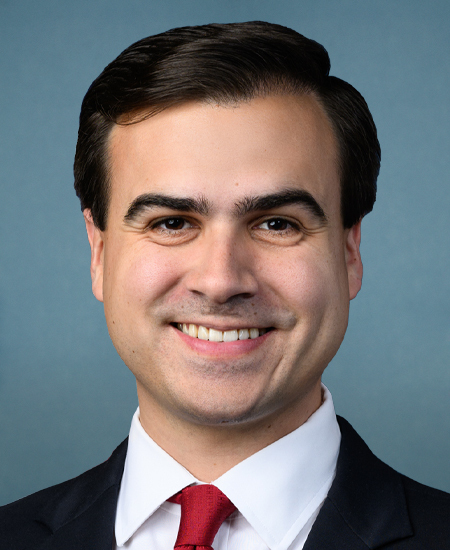
Clay Fuller
Clay Fuller House · District 14
R
Strong +
87% 46
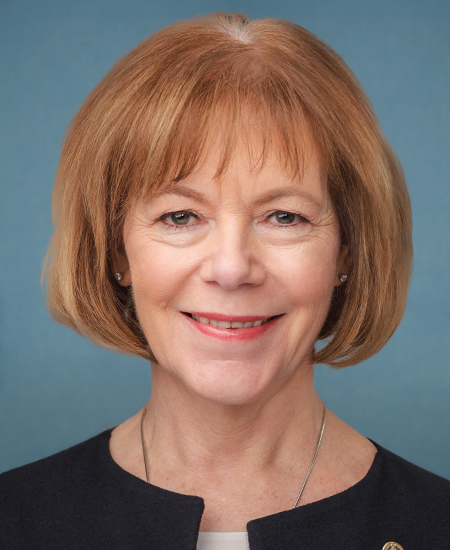
Tina Smith
Tina Smith Senate
D
Strong +
83% 77
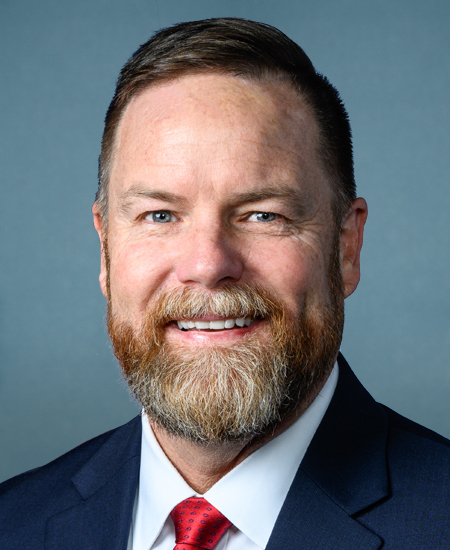
Andrew Ogles
Andrew Ogles House · District 5
R
Strong +
83% 65
Aaron Bean
Aaron Bean House · District 4
R
Strong +
83% 69
Ben Cline
Ben Cline House · District 6
R
Strong +
83% 69
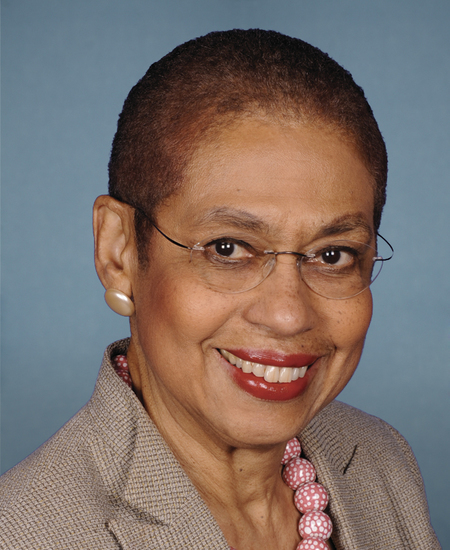
Eleanor Holmes Norton
Eleanor Holmes Norton House · District At-Large
D
Strong −
0% 26
Pablo José Hernández
Pablo José Hernández House · District At-Large
D
Strong −
7% 28
Analilia Mejia
Analilia Mejia House · District 11
D
Strong −
13% 45
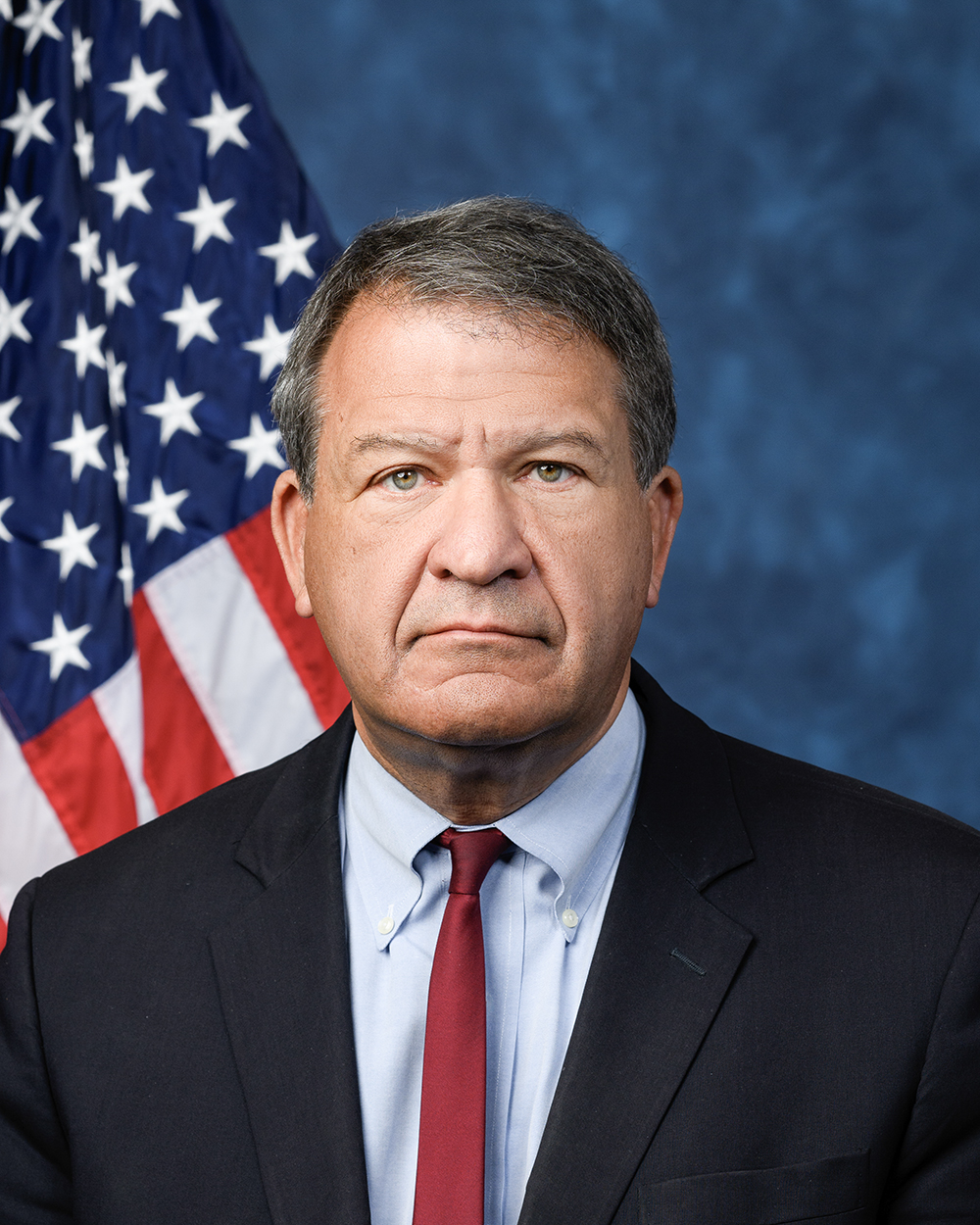
George Latimer
George Latimer House · District 16
D
Strong −
13% 67
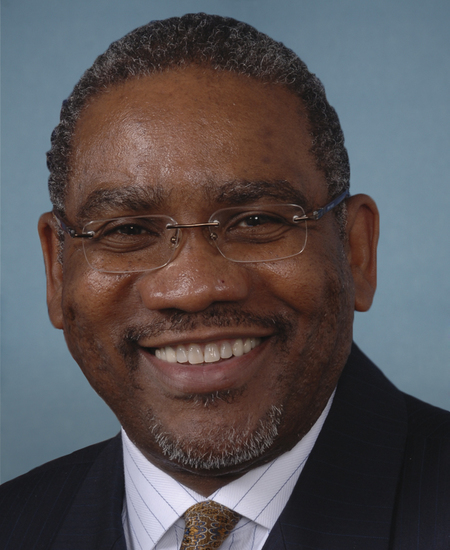
Gregory W. Meeks
Gregory W. Meeks House · District 5
D
Strong −
14% 66
Showing 1,491–1,500 of 2,411 bills

All budget & taxes bills

in committee · United States · House Oct 31, 2025

HR 5898: Lejeune Untaxed Compensation and Settlements Act of 2025

HR 5898, the Lejeune Untaxed Compensation and Settlements Act of 2025, ensures that compensation received under the Camp Lejeune Justice Act of 2022 is not subject to federal income tax. It directly affects individuals who filed lawsuits related to water contamination at Camp Lejeune, excluding their settlement amounts from taxable income. The bill amends the Internal Revenue Code to add a specific exclusion for these damages under Section 104(a). This change applies to settlements received after the bill’s enactment, providing tax relief for affected victims.
Sub-Topics Income Tax
in committee · United States · House Oct 28, 2025

HR 5849: USCP Act

HR 5849, the USCP Act, ensures Capitol Police officers continue receiving pay during government shutdowns. It directs funds from the Treasury to cover Capitol Police salaries and expenses if discretionary funding lapses after the bill's enactment. This directly affects U.S. Capitol Police employees, guaranteeing they are paid even when the federal government is partially closed. The bill provides a specific funding mechanism to prevent pay interruptions during shutdowns. It does not alter Capitol Police duties or create new requirements.
Sub-Topics Appropriations
in committee · United States · House Oct 24, 2025

HR 5822: Keep SNAP Funded Act of 2025

This bill ensures SNAP (food stamp) benefits continue uninterrupted during government funding gaps in fiscal year 2026. It directs the USDA to use existing Treasury funds to pay SNAP benefits if Congress fails to pass a full-year budget for the Department of Agriculture by September 30, 2025. The bill also covers retroactive payments for missed benefits starting September 30, 2025, through the bill's enactment date. Benefits funded this way stop once Congress enacts a full FY2026 budget for the USDA. It directly affects SNAP recipients who rely on these benefits during budget delays.
Sub-Topics Appropriations
in committee · United States · House Nov 20, 2025

HR 6235: End Child Poverty Act

The End Child Poverty Act (HR 6235) establishes a universal child assistance program providing monthly payments to children under 19 who are U.S. citizens, nationals, or qualified aliens residing in the U.S. Payments equal 1/12 of the annual poverty guideline difference between a two-person household and a single individual, adjusted annually using federal poverty guidelines. The Social Security Administration’s new Office of Universal Child Assistance will automatically identify eligible children via IRS data sharing (with an opt-out option) and issue payments starting in 2026, including reconciliation payments when updated poverty guidelines are published. The bill also terminates the Child Tax Credit and Earned Income Tax Credit after 2025, replacing them with new refundable tax credits for adult dependents and families.
Sub-Topics Income Tax Tax Credits Tags Children
in committee · United States · House Nov 13, 2025

HR 6023: Government Shutdown Efficiency Act

HR 6023, the Government Shutdown Efficiency Act, allows the President to sell federal real property during government shutdowns to pay salaries for certain exempt federal employees (including military personnel on active duty). Key provisions include: using sale proceeds to cover salaries for staff deemed essential for emergencies (like property sales), prohibiting back pay for these employees, and requiring any leftover funds to go to deficit reduction. The bill also explicitly bans selling federal property to specific countries (North Korea, China, Russia, Iran, or entities they control) and includes a non-serious provision permitting use of funds for purchasing Greenland. This bill directly affects federal employees who remain on duty during shutdowns and alters how the government manages property sales during funding gaps.
Sub-Topics Procurement
in committee · United States · House Nov 20, 2025

HR 6039: Commonsense Legislating Act

The Commonsense Legislating Act (HR 6039) makes several significant changes to federal programs. It extends the FAST Program through 2030, requires enhanced outreach to minority and Hispanic-serving institutions for small business grants, and expands the work opportunity tax credit to include military spouses. The bill establishes a Working Families Task Force to address challenges like affordability and childcare, and mandates annual mental health consultations for veterans with service-connected mental health disabilities. Additionally, it creates Native American tourism grant programs with $35 million in funding for 2026-2030 and establishes a Fentanyl Disruption Steering Group within the National Security Council.
Sub-Topics Tax Credits Mental Health Military Families Veteran Mental Health Tags Small Business Tribal Nations
in committee · United States · House Oct 31, 2025

HR 5893: GUARD Act

The GUARD Act (HR 5893) ensures uninterrupted Social Security Administration (SSA) operations during a government shutdown in fiscal year 2026. It appropriates necessary funds to cover SSA administrative expenses if Congress fails to pass full-year funding before the fiscal year begins. This guarantees the SSA continues processing retiree payments and responding to congressional inquiries without interruption. The bill directly affects SSA operations and retirees who rely on timely benefit disbursements. It does not change benefit amounts or eligibility but secures funding continuity for administrative functions.
Sub-Topics Appropriations
in committee · United States · House Dec 17, 2025

HR 6800: To amend the Internal Revenue Code of 1986 to terminate the tax-exempt status of terrorist supporting organizations.

This bill would strip tax-exempt status from organizations that provided material support to designated terrorist groups in the past three years. The IRS must first notify the organization and give it 90 days to prove it didn’t provide support or commit to stopping future support. Organizations failing to "cure" the issue would permanently lose tax-exempt status, though humanitarian aid approved by the government is excluded from the definition of "material support." The law includes procedures for correcting errors and resolving disputes through IRS Appeals or federal courts.
in committee · United States · House Nov 17, 2025

HR 6050: HEALTH Act

This bill extends the health insurance premium tax credit program for tax years after 2025, allowing individuals with household incomes above 400% of the federal poverty line to continue receiving subsidies. It modifies the calculation method for these credits to temporarily extend eligibility beyond the current threshold, with the extension date determined by the Secretary of the Treasury based on budget estimates. The bill also includes a separate provision rescinding unobligated funds for U.S. assistance to Argentina, though this is unrelated to healthcare. The changes directly affect millions of Americans who rely on federal subsidies to afford health insurance coverage through marketplaces.
Sub-Topics Tax Credits Insurance
in committee · United States · House Nov 10, 2025

HR 6010: To amend the Internal Revenue Code of 1986 to extend and modify the enhanced premium tax credit, and for other purposes.

This bill extends and modifies the premium tax credit (subsidy) for health insurance purchased through the marketplace, applying to coverage for 2026 and 2027. It raises the income threshold for full subsidy eligibility from 400% to 600% of the federal poverty level, meaning more low-to-moderate-income households (up to 600% of poverty) will pay lower monthly insurance costs. The bill also adds new penalties for agents or brokers who provide false information during enrollment, including civil fines up to $50,000 per person and criminal charges for intentional fraud. These changes directly affect individuals buying health insurance through marketplaces and the agents/brokers who assist them.
Sub-Topics Tax Credits Insurance
Showing 1,491 to 1,500 of 2,411 bills