

Issue · Budget & Taxes
Budget & Taxes
Every budget & taxes bill, vote, and legislator stance in United States, automatically classified by Maddy, our AI policy reader.
Total bills
2,411
119th Congress
Top supporter
Clay Fuller
87% support rate
Top opponent
Eleanor Holmes Norton
0% support rate
Ranked legislators
10
5 support · 5 oppose
Key legislators
Who's moving budget & taxes in United States
| Legislator | Party | Stance | Support rate | Decisive votes |
|---|---|---|---|---|

Clay Fuller
House · District 14
|
R |
Strong +
|
87% | 46 |
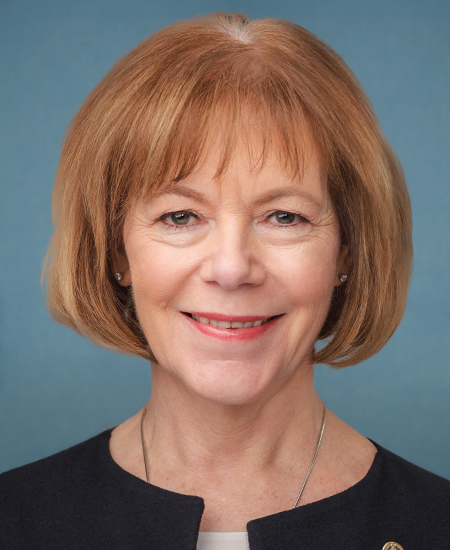
Tina Smith
Senate
|
D |
Strong +
|
83% | 77 |

Andrew Ogles
House · District 5
|
R |
Strong +
|
83% | 65 |

Aaron Bean
House · District 4
|
R |
Strong +
|
83% | 69 |
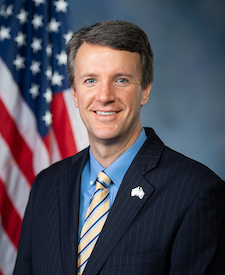
Ben Cline
House · District 6
|
R |
Strong +
|
83% | 69 |
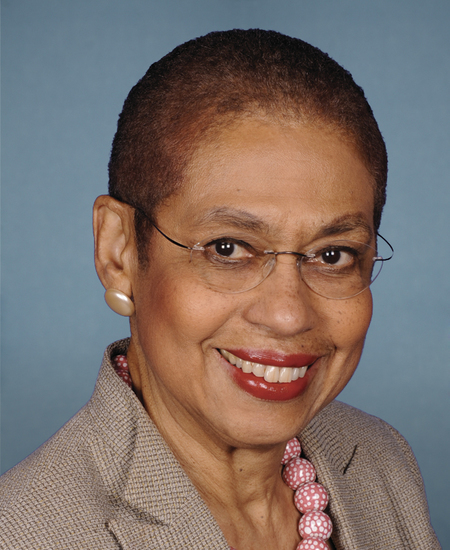
Eleanor Holmes Norton
House · District At-Large
|
D |
Strong −
|
0% | 26 |
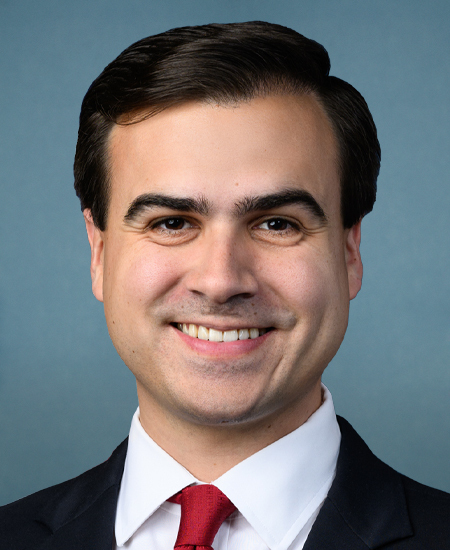
Pablo José Hernández
House · District At-Large
|
D |
Strong −
|
7% | 28 |

Analilia Mejia
House · District 11
|
D |
Strong −
|
13% | 45 |
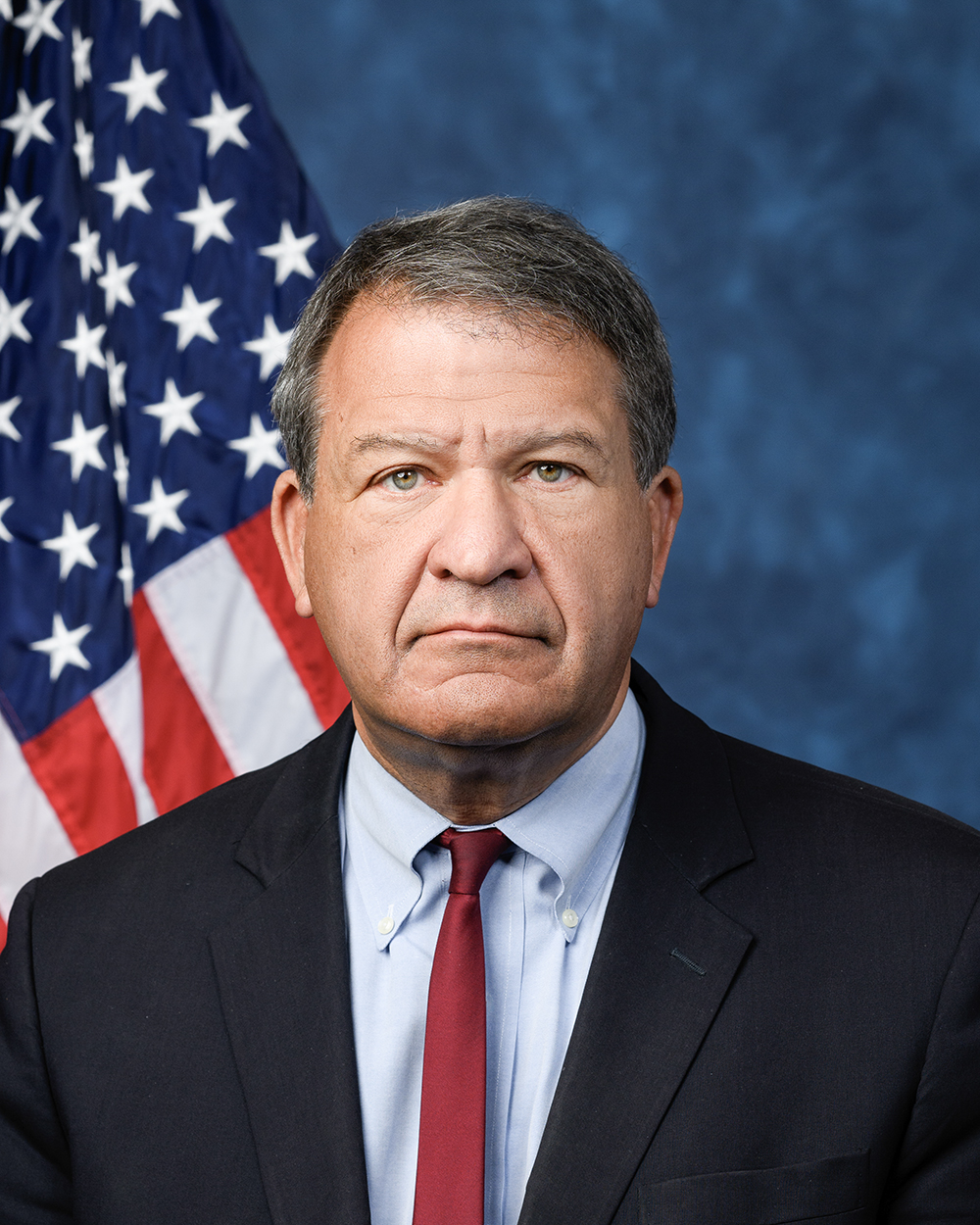
George Latimer
House · District 16
|
D |
Strong −
|
13% | 67 |
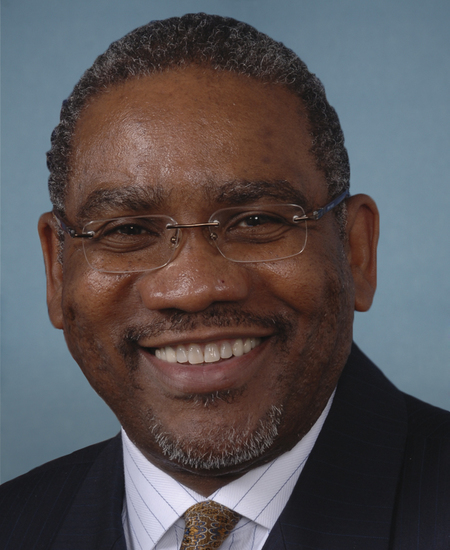
Gregory W. Meeks
House · District 5
|
D |
Strong −
|
14% | 66 |
Showing 1,451–1,460 of 2,411
bills
All budget & taxes bills
HR 6393: DSH in Tennessee Act
Topics
✓ Budget & TaxesSupports Budget & TaxesGuarantees federal hospital funding for low-income care, directly supporting essential public health spending under budget allocation.
✓ HealthcareSupports HealthcareRestores federal DSH funding for Tennessee hospitals serving low-income patients, ensuring consistent financial support for healthcare access and hospital stability.
Sub-Topics
Hospitals
HR 6103: LAB Personnel Act of 2025
Topics
✓ Budget & TaxesSupports Budget & TaxesProtects DEA forensic lab funding from budget cuts, ensuring no workforce reductions due to fiscal shifts
✓ Criminal JusticeSupports Criminal JusticeBill protects DEA forensic lab workforce from budget cuts, ensuring continued capacity for law enforcement investigations and court evidence processing, directly supporting criminal justice infrastructure.
HR 6515: To amend the Patient Protection and Affordable Care Act to prevent duplicate enrollments in Exchanges.
HR 6272: Early Education Savings Program Act
Topics
✓ Budget & TaxesSupports Budget & TaxesAmends tax code to expand 529 plan use for child care, providing tax relief for families saving for early education expenses.
✓ EducationSupports EducationAllows 529 plan funds for licensed child care under 5, expanding access to early education services and enhancing family financial flexibility for early childhood care.
HR 5865: Thalidomide Survivors Compensation Act of 2025
Topics
✓ Budget & TaxesSupports Budget & TaxesTax-exempt compensation provides direct tax relief to qualifying survivors, aligning with support indicators for tax relief to affected individuals.
✓ HealthcareSupports HealthcareCompensates victims of drug-induced birth defects, advancing patient rights and addressing historical healthcare harm through federal funding.
Sub-Topics
Healthcare Workforce
HR 5827: To advance bipartisan, common sense solutions.
Topics
✓ Budget & TaxesSupports Budget & TaxesImposes carbon tax funding infrastructure/climate trust fund, directly using tax revenue for public spending projects.
✓ EnergySupports EnergyImposes carbon tax on fossil fuels and funds climate infrastructure projects, directly reducing emissions and advancing clean energy transition.
✓ EnvironmentSupports EnvironmentImposes carbon tax to reduce emissions, funds climate adaptation projects via trust fund, aligns with environmental protection indicators
✓ TransportationSupports TransportationRevenue funds infrastructure projects via Rebuilding Infrastructure Trust Fund, directly supporting transportation infrastructure as per bill's summary.
HR 6827: All American Metal Act
Topics
✓ Budget & TaxesSupports Budget & TaxesExpands federal tax credit for recycled copper manufacturing, providing tax relief under advanced manufacturing incentives.
✓ EnvironmentSupports EnvironmentBill incentivizes recycled copper use (99.9% purity), promoting resource conservation and reducing mining impacts, aligning with environmental protection through waste reduction and sustainable material use.
Sub-Topics
Tax Credits
HR 6710: Fiscal Year 2025 Veterans Affairs Major Medical Facility Authorization Act
Topics
✓ Budget & TaxesSupports Budget & TaxesBill authorizes $1.76B funding for VA medical facility construction, directly increasing government spending on public infrastructure and essential veteran services.
✓ HealthcareSupports HealthcareAuthorizes $1.76B for VA medical facility expansion, directly increasing healthcare infrastructure funding for veterans' health services.
✓ VeteransSupports VeteransAuthorizes $1.76B for VA medical facility expansion in St. Louis, directly improving veterans' healthcare infrastructure and services.
HR 6474: To amend the Internal Revenue Code of 1986 to expand the meaning and eligibility of energy communities for purposes of the increased renewable electricity production and increased clean electricity investment credit rates.
Topics
✓ Budget & TaxesSupports Budget & TaxesExpands tax credits for renewable energy developers in rural areas via amended tax code, increasing fiscal incentives for clean energy investment.
✓ EnergySupports EnergyExpands tax credits for rural renewable projects by broadening 'energy communities' definition and removing restrictions on clean energy credits, directly advancing renewable energy funding.
✓ EnvironmentSupports EnvironmentExpands tax credits for renewable energy projects in rural areas, directly promoting clean energy adoption and increasing eligibility for environmental protection incentives.