Issue · Budget & Taxes

Budget & Taxes

Every budget & taxes bill, vote, and legislator stance in United States, automatically classified by Maddy, our AI policy reader.

Total bills
2,101
119th Congress
Top supporter
Clay Fuller
87% support rate
Top opponent
Eleanor Holmes Norton
0% support rate
Ranked legislators
10
5 support · 5 oppose
Key legislators

Who's moving budget & taxes in United States

Legislators moving budget & taxes in United States
Legislator Party Stance Support rate Decisive votes
Clay Fuller
Clay Fuller House · District 14
R
Strong +
87% 46
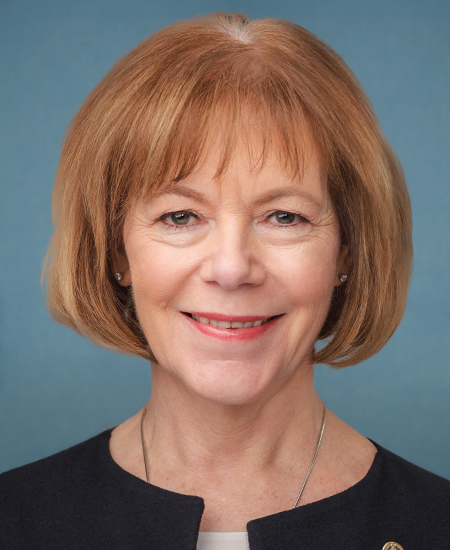
Tina Smith
Tina Smith Senate
D
Strong +
83% 77
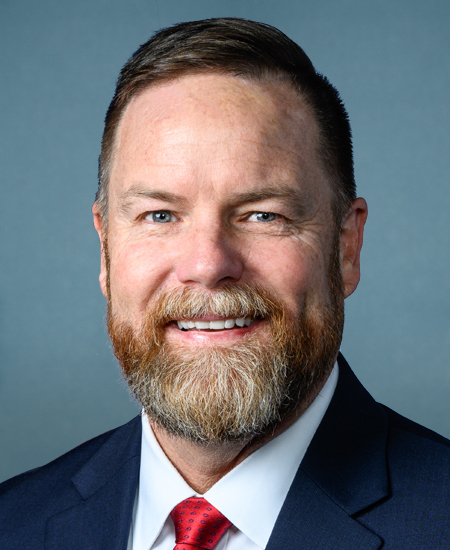
Andrew Ogles
Andrew Ogles House · District 5
R
Strong +
83% 65
Aaron Bean
Aaron Bean House · District 4
R
Strong +
83% 69
Ben Cline
Ben Cline House · District 6
R
Strong +
83% 69
Eleanor Holmes Norton
Eleanor Holmes Norton House · District At-Large
D
Strong −
0% 26
Pablo José Hernández
Pablo José Hernández House · District At-Large
D
Strong −
7% 28
Analilia Mejia
Analilia Mejia House · District 11
D
Strong −
13% 45
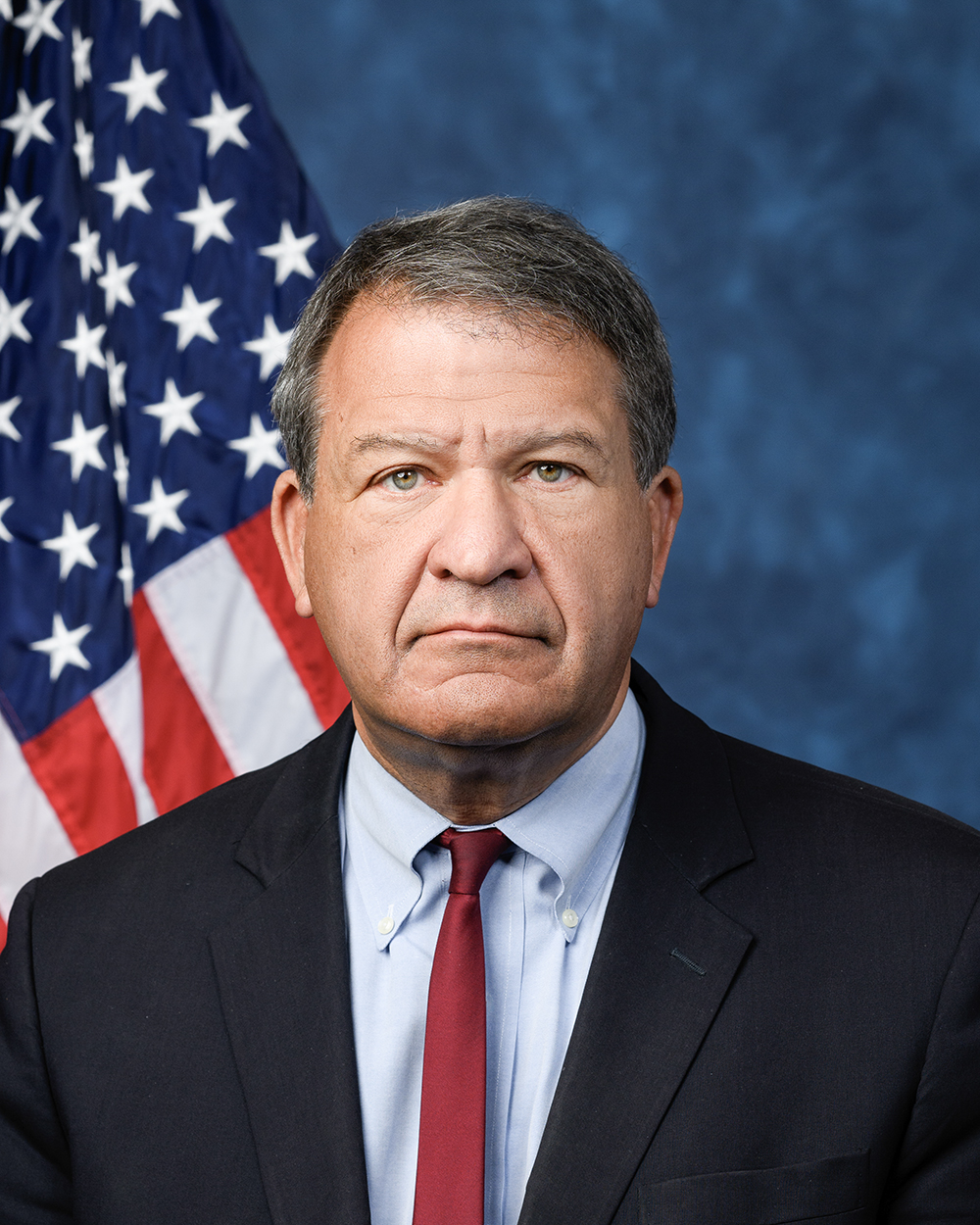
George Latimer
George Latimer House · District 16
D
Strong −
13% 67
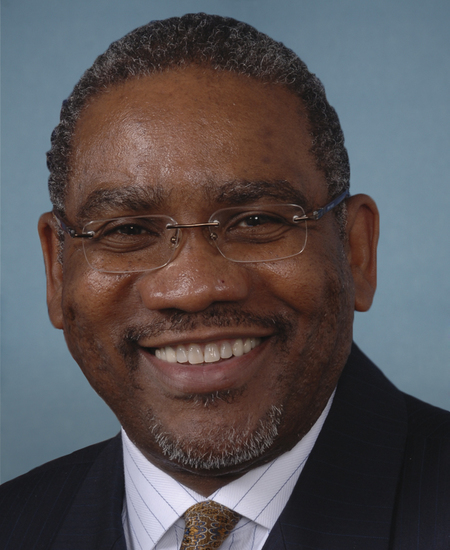
Gregory W. Meeks
Gregory W. Meeks House · District 5
D
Strong −
14% 66
Showing 1,431–1,440 of 2,101 bills

All budget & taxes bills

in committee · United States · House Feb 4, 2026

HR 7369: United States Capitol Police Reserve Fund Act of 2026

United States Capitol Police Reserve Fund Act of 2026 This bill establishes the United States Capitol Police Reserve Fund for the payment of employee salaries and necessary expenses of the U.S. Capitol Police (USCP) during a lapse in appropriations for the USCP. The bill also provides appropriations for the fund. The fund may only be used to make payments for employee salaries and necessary expenses of the USCP after the start, and before the end, of a lapse in appropriations with respect to the USCP. Under the bill, any amounts that remain in the fund and have not been used as of December 31, 2026, must be transferred to the Department of the Treasury and rescinded. The unused funds must be transferred by January 31, 2027.
in committee · United States · House Jan 30, 2026

HR 7282: FRAMER Act

HR 7282, the FRAMER Act, requires states to reimburse builders for the cost difference between their own energy efficiency standards and the Department of Housing and Urban Development’s (HUD) minimum standard for new homes built in Opportunity Zones. It directly affects residential builders in Opportunity Zones (designated tax-advantaged areas) by providing payments for exceeding HUD’s baseline energy requirements. The bill mandates that builders disclose to homebuyers the cost difference covered by the reimbursement and any price reduction tied to the payment. The program expires after 7 years, and the government must report annually on reimbursement amounts and cost differences across states and localities.
Sub-Topics Energy Efficiency
in committee · United States · House May 20, 2026

HR 7195: Timber Harvesters, Haulers, and Landowners Market Disruptions Relief Act

HR 7195 provides financial assistance to forest harvesting, hauling businesses, and qualifying landowners affected by specific market disruptions. It authorizes the Secretary of Agriculture to declare a market disruption (e.g., facility closures, trade barriers, or significant price drops) and then issue payments to eligible entities meeting strict revenue and operational criteria. Payments include an initial up to $20,000 and a second payment based on revenue loss compared to prior years, with potential annual follow-up payments for five years if disruptions persist. Funding comes directly from anti-dumping duties on Canadian softwood lumber imports, and funds must be used for operational costs or expanding market access within the forest product sector.
in committee · United States · House Dec 18, 2025

HR 6842: Disaster Survivors Tax Relief and Recovery Act

This bill provides tax relief to individuals affected by qualifying disasters. It allows taxpayers to use their previous year's earned income to calculate tax credits like the Earned Income Tax Credit if their 2025 income was reduced by a disaster. The bill temporarily removes limits on charitable contributions for disaster relief, permits penalty-free withdrawals up to $100,000 from retirement plans, and adjusts rules for claiming personal casualty losses related to disasters. These provisions apply to individuals whose principal homes were in designated disaster areas during specific periods. The bill aims to help disaster survivors recover financially by easing tax burdens related to their losses.
Sub-Topics Income Tax Tax Credits
passed · United States · House Jan 15, 2026

HR 7006: Financial Services and General Government and National Security, Department of State, and Related Programs Appropriations Act, 2026

# Summary of U.S. Department of State, Foreign Operations, and Related Programs Appropriations Bill This document is a comprehensive federal appropriations bill for the Department of State, foreign operations, and related programs for fiscal year 2026. It contains detailed provisions governing the allocation, use, and reporting requirements for foreign assistance funds. ## Key Provisions 1. **Funding Restrictions**: - Prohibits funding for abortions as a method of family planning or involuntary sterilization - Bans direct assistance to governments of Cuba, North Korea, or Iran - Prohibits assistance to countries that have experienced a military coup d'état - Restricts assistance to countries in default on U.S. loans - Prohibits funding for countries supporting international terrorism 2. **Notification Requirements**: - Mandates 15-day advance notification to Congress for program changes exceeding $1 million or 10% - Requires prior consultation for major program changes or reprogramming - Requires notification for assistance to specific countries including Afghanistan, Iran, Syria, and others 3. **Funding Allocation Rules**: - Specifies minimum funding levels for various programs - Limits deviations from designated amounts to 10% (up to 50% for national security emergencies) - Requires detailed reports on fund allocation at program, project, and activity levels 4. **Prohibited Expenditures**: - Bans first-class travel in contravention of federal regulations - Prohibits use of funds for tobacco promotion - Restricts use of funds for entertainment at recreational events - Requires computer network filters to block sexually explicit websites 5. **Reporting and Transparency**: - Requires posting of reports on public websites within 45 days - Mandates detailed beneficiary feedback collection for assistance programs - Requires impact evaluations of foreign assistance programs - Requires coordination of foreign assistance with Department of State programs 6. **Transfer Authorities**: - Allows limited transfers between appropriations accounts (up to 5%) - Requires prior consultation for significant transfers - Prohibits transfers to other departments without specific authorization This bill represents a comprehensive framework for U.S. foreign assistance, emphasizing accountability, transparency, national security considerations, and restrictions on certain types of funding. It contains numerous specific prohibitions and requirements aimed at ensuring U.S. foreign aid serves American interests while adhering to specific policy constraints.
Sub-Topics Appropriations
in committee · United States · House May 20, 2026

HR 6986: COLAs Don’t Count Act of 2026

This bill amends the Food and Nutrition Act to exclude specific cost-of-living adjustments (COLAs) from SNAP income calculations. It removes from consideration increases in Social Security, Railroad Retirement, or VA benefits that take effect after January 1st of a fiscal year. As a result, households receiving SNAP benefits would no longer see their allotments reduced due to these government-provided income increases. The change applies to income assessed for the entire fiscal year and takes effect October 1, 2027.
in committee · United States · House Dec 18, 2025

HR 6900: American Affordability Act of 2025

# Summary of Proposed Tax Code Amendment This document is a comprehensive proposal for tax code amendments, primarily focused on extending, modifying, and creating new tax credits related to clean energy, energy efficiency, and environmental initiatives. The key components include: ## Housing and Residential Credits - **First-Time Homebuyer Tax Credit**: A refundable credit for first-time homebuyers (Section 13001) - **Renter Tax Credit**: A refundable credit for renters paying more than 30% of their adjusted gross income in rent (Section 13002) ## Clean Energy Credits (Sections 21001-21007) - Extended clean energy production credit with a new phase-out date (2032 or when greenhouse gas emissions reach 25% of 2022 levels) - Extended clean electricity investment credit for wind and solar facilities - Restored credit for wind and solar leasing arrangements - Extended clean hydrogen production credit (construction date reverted to 2033) - Extended residential clean energy credit (termination date moved to 2034) - Reinstated special rate for sustainable aviation fuel (35 cents/ gallon for certain facilities) ## Energy Efficiency Credits (Sections 22001-22004) - Restored product identification number requirement for energy-efficient home improvements - Extended new energy efficient home credit (acquisition date moved to 2032) - Repealed termination of new energy efficient commercial buildings deduction - Restored cost recovery for energy property ## Electric Vehicle and Charging Infrastructure Credits (Sections 23001-23005) - Extended previously-owned vehicle credit (acquisition date moved to 2032) - Extended clean vehicle credit (placement in service date moved to 2032) - Extended commercial clean vehicles credit (termination date moved to 2032) - Extended alternative fuel vehicle refueling property credit (termination date moved to 2032) - Created a new credit for electric bicycles (30% of cost, up to $5,000 per bicycle) ## Clean Infrastructure and Resiliency Credits (Sections 24001-24007) - Created qualifying water reuse project credit (30% of qualified investment) - Created recycling property investment credit (30% of qualified investment with phase-out) - Excluded amounts received from State-based catastrophe loss mitigation programs from gross income - Expanded exclusion for certain emergency agricultural assistance - Created credit for disaster mitigation expenditures (30% of qualifying mitigation activities) - Created qualifying electric power transmission line credit (30% of qualified investment) - Created qualifying advanced battery project credit (30% of qualified investment with $3 billion cap) The proposed amendments generally extend existing credits through 2032-2037, with some credits having phase-out schedules and others having specific termination dates. The document also includes numerous conforming amendments to other sections of the tax code to accommodate these changes.
in committee · United States · House Mar 5, 2026

HR 7796: Economic Recovery for Nuclear-Affected Communities Act

This bill provides economic support to communities affected by stranded nuclear waste or decommissioned nuclear plants. It creates three main mechanisms: (1) a modified first-time homebuyer tax credit for residents in designated communities, (2) a $500,000 prize competition for innovative economic alternatives to nuclear sites, and (3) two grant programs - $15 per kilogram of stored nuclear waste or up to 80% of tax revenue losses (phased down over 8 years) for communities facing economic hardship from plant closures. The bill directly affects local governments in 15 states (including California, Illinois, and New York) with decommissioned plants or stored waste, as defined in the law. Funding authorization totals $110 million annually through 2036, with grants limited to one per community per year.
Sub-Topics Revenue Tax Credits
in committee · United States · Senate Jan 29, 2025

S 293: WALL Act of 2025

The WALL Act of 2025 appropriates $25 billion for constructing a physical barrier along the southern U.S. border. It implements new Social Security number requirements for tax credits like the child tax credit and earned income tax credit, with exceptions for individuals prohibited from working in the U.S. The bill also mandates E-Verify checks for eligibility for certain federal benefits, including housing assistance, and increases civil penalties for illegal entry and overstay. These provisions directly affect immigrants seeking tax benefits, housing assistance, and those who enter the country without authorization.
in committee · United States · Senate Mar 24, 2025

SRES 133: A resolution expressing support for the local public K-12 schools of the United States and condemning any actions that would defund public education or weaken or dismantle the Department of Education.

This Senate resolution expresses strong support for public K-12 schools and condemns any efforts to defund public education or dismantle the Department of Education. It highlights the federal government’s critical role in providing equitable funding - particularly for students in underserved communities, including those with disabilities, from low-income families, and in rural areas - and opposes diverting funds to private schools. As a non-binding resolution, it does not create new laws but formally states the Senate’s position on protecting public education funding and oversight.
Showing 1,431 to 1,440 of 2,101 bills