Issue · Budget & Taxes

Budget & Taxes

Every budget & taxes bill, vote, and legislator stance in United States, automatically classified by Maddy, our AI policy reader.

Total bills
2,411
119th Congress
Top supporter
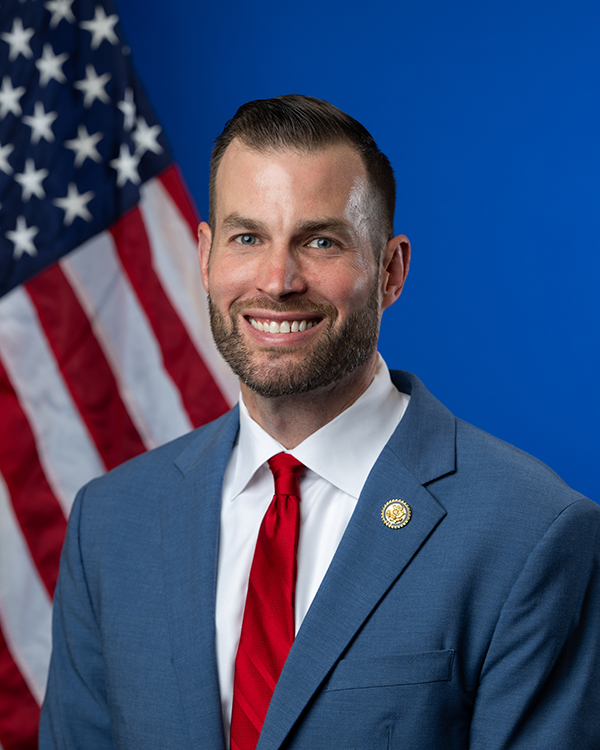
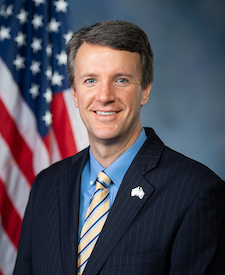
Clay Fuller
87% support rate
Top opponent
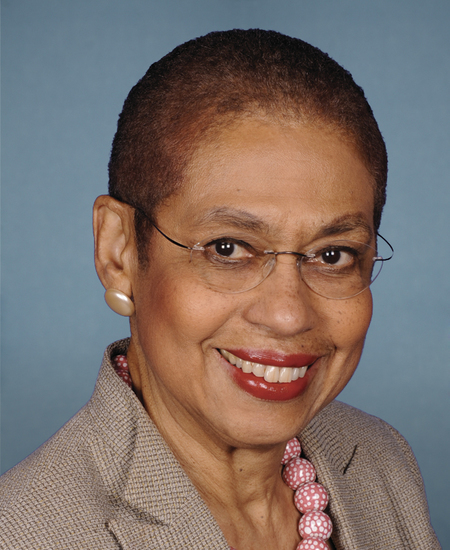
Eleanor Holmes Norton
0% support rate
Ranked legislators
10
5 support · 5 oppose
Key legislators

Who's moving budget & taxes in United States

Legislators moving budget & taxes in United States
Legislator Party Stance Support rate Decisive votes
Clay Fuller
Clay Fuller House · District 14
R
Strong +
87% 46
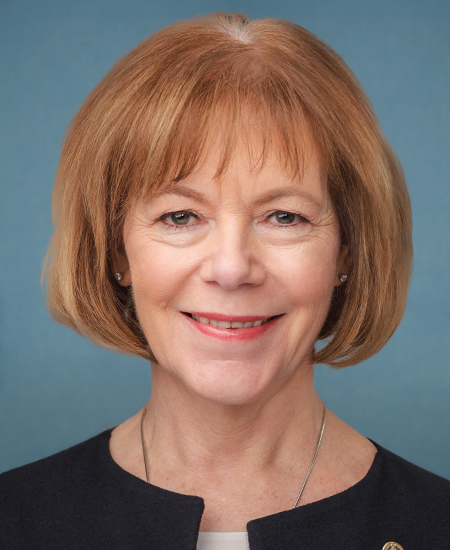
Tina Smith
Tina Smith Senate
D
Strong +
83% 77
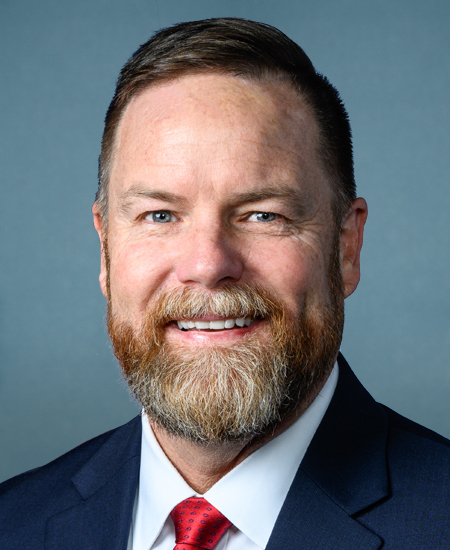
Andrew Ogles
Andrew Ogles House · District 5
R
Strong +
83% 65
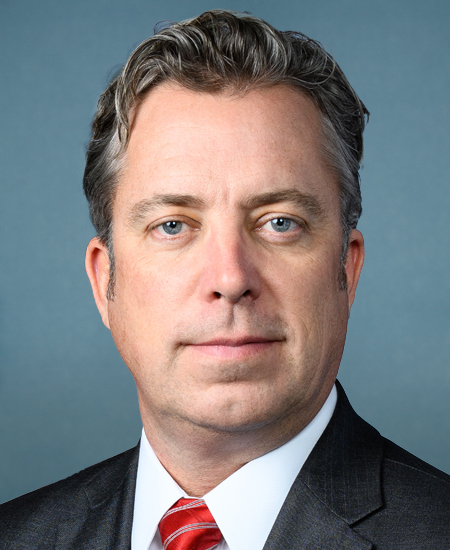
Aaron Bean
Aaron Bean House · District 4
R
Strong +
83% 69
Ben Cline
Ben Cline House · District 6
R
Strong +
83% 69
Eleanor Holmes Norton
Eleanor Holmes Norton House · District At-Large
D
Strong −
0% 26
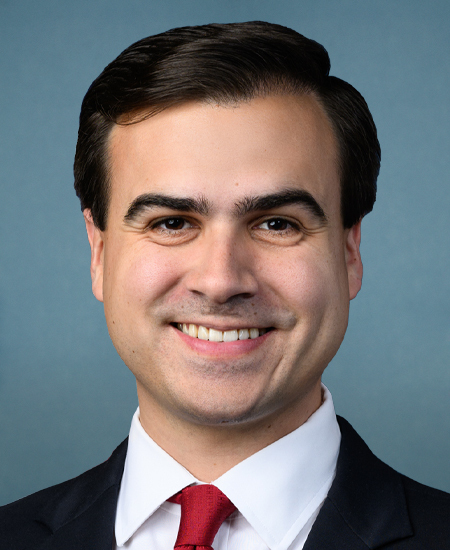
Pablo José Hernández
Pablo José Hernández House · District At-Large
D
Strong −
7% 28
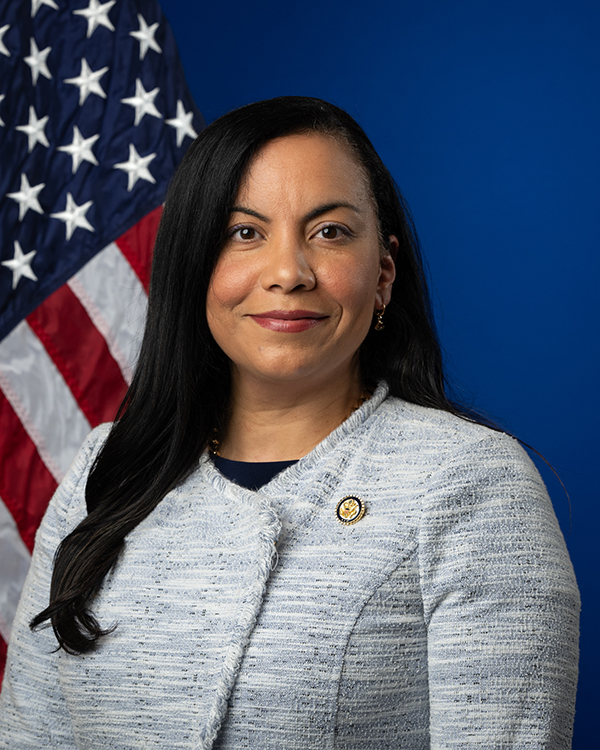
Analilia Mejia
Analilia Mejia House · District 11
D
Strong −
13% 45
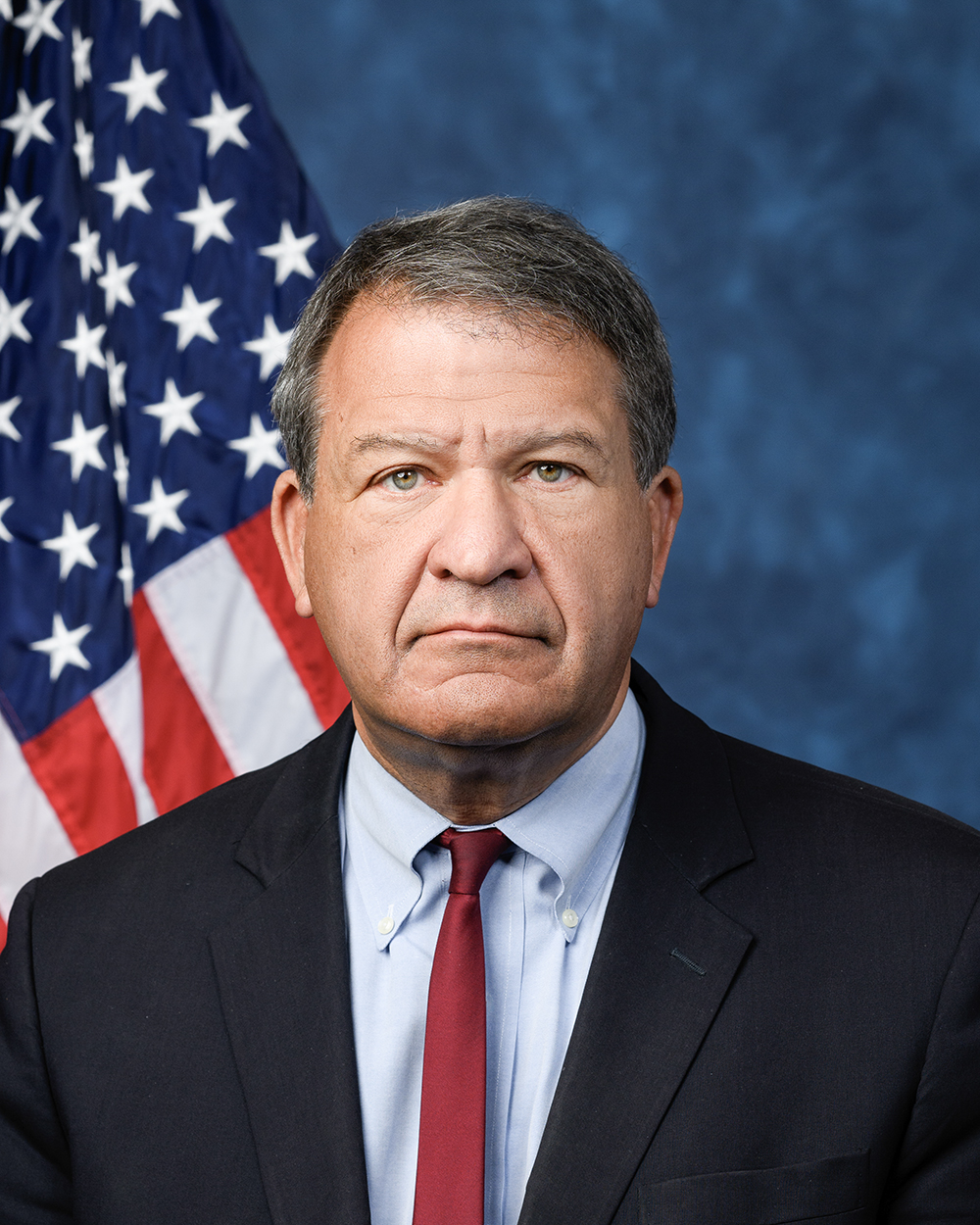
George Latimer
George Latimer House · District 16
D
Strong −
13% 67
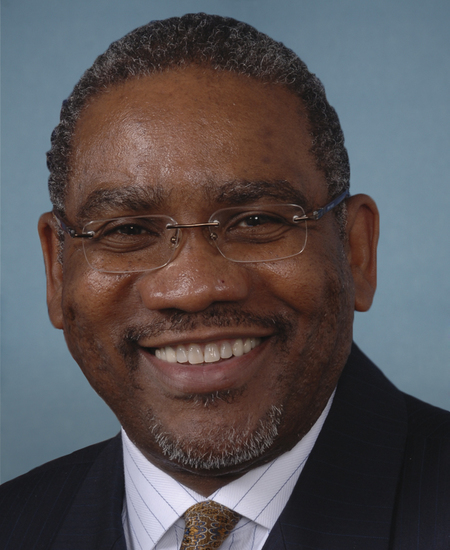
Gregory W. Meeks
Gregory W. Meeks House · District 5
D
Strong −
14% 66
Showing 1,341–1,350 of 2,411 bills

All budget & taxes bills

in committee · United States · House Sep 30, 2025

HR 5648: Disaster Relief Continuity Act of 2025

HR 5648, the Disaster Relief Continuity Act of 2025, ensures uninterrupted federal disaster relief funding during fiscal year 2026 if regular appropriations aren't finalized. It appropriates Treasury funds to continue FEMA operations under the Stafford Act, covering individual assistance, emergency response personnel costs, and ongoing recovery projects. The funding remains available until either regular appropriations are passed, a continuing resolution is enacted, or January 1, 2027, whichever comes first. Funds cannot be used for non-essential administrative work, new policies, or non-disaster-related activities.
Tags Emergency Management
in committee · United States · House Sep 30, 2025

HR 5624: No Funding for Lawless Jurisdictions Act

This bill withholds federal grant funding from states or local governments that implement specific policies. It prohibits funding for jurisdictions with laws that substantially limit cash bail for certain serious crimes (like violent offenses or public disorder) or allow felony convicts to be released without bail. It also blocks funding for cities classified as "urbanized areas" that reduced police budgets (unless due to a general budget shortfall). The policy directly affects local governments and states that adopt these specific approaches to criminal justice or law enforcement funding. The bill modifies two existing federal grant programs to enforce these eligibility rules.
in committee · United States · House Sep 11, 2025

HR 5296: BUILDS Act

The BUILDS Act establishes competitive federal grants to fund industry partnerships in infrastructure sectors like energy (including clean energy), construction, transportation, information technology, and utilities. It directly affects workers in these industries, particularly those facing employment barriers (such as individuals receiving food assistance or unemployment benefits), by requiring partnerships to develop paid on-the-job training programs, align education with industry needs, and provide support services like childcare and mentorship. Key mechanisms include $2.5 million grants for new partnerships (up to $1.5 million for renewals) to cover planning, business engagement, and 12-month support services for participants. The bill mandates partnerships to recruit diverse workers, address employment barriers through labor market analysis, and align training with nationally portable credentials. It authorizes $500 million annually for fiscal years 2026-2030 to implement these workforce development activities.
passed · United States · House Sep 16, 2025

HR 5100: To extend the SBIR and STTR programs, and for other purposes.

HR 5100 extends the Small Business Innovation Research (SBIR) and Small Business Technology Transfer (STTR) programs through fiscal year 2026, instead of ending on September 30, 2025. This bill directly affects small businesses and research institutions that rely on federal funding for research and development through these programs. The key mechanism is updating expiration dates across multiple program provisions in the Small Business Act to maintain funding authority and program operations for one additional year. The extension does not alter program eligibility, funding levels, or core requirements.
Tags Small Business
in committee · United States · House Aug 19, 2025

HR 5002: Protect Americans from Climate Disasters Act

This bill requires the National Oceanic and Atmospheric Administration (NOAA) to restore full staffing levels within 30 days of enactment, including reinstating employees terminated between January 20, 2025, and the bill's passage. It mandates the immediate reinstatement of specific NOAA programs, including the discontinued "Billion-Dollar Weather and Climate Disasters" product and two environmental databases tracking ocean currents and marine buoys. The bill allocates $6.756 billion in funding for NOAA's operations through fiscal year 2026 to support these staffing and program restorations. It directly affects NOAA employees, state/local emergency response efforts, and the public relying on NOAA's weather forecasting and disaster data for safety planning.
Sub-Topics Natural Disasters
in committee · United States · House Aug 1, 2025

HR 4853: Saving the Forest Service's Workforce Act

This bill prevents the Forest Service from initiating or implementing layoffs until after full-year funding for fiscal year 2026 is secured. It specifically stops reductions in force and involuntary separations for most Forest Service employees (including competitive service, excepted service, and senior executive roles), except for misconduct, poor performance, or delinquency. The moratorium applies to all personnel actions under the Secretary of Agriculture’s authority until FY2026 appropriations are enacted. This directly affects Forest Service workers and ensures their job stability during the budget process.
in committee · United States · House Jul 23, 2025

HR 4630: WAGER Act of 2025

This bill amends the Internal Revenue Code to change how gambling losses are deducted for tax purposes. It allows taxpayers to deduct gambling losses against all income (not just gambling winnings) in the same tax year, directly affecting individuals who itemize deductions and have losses exceeding their gambling winnings. The key provision removes a prior restriction that limited loss deductions to winnings, making the deduction more broadly applicable. The change applies to taxable years beginning after December 31, 2025.
in committee · United States · House Aug 1, 2025

HR 4849: Protecting Health Care and Lowering Costs Act of 2025

This bill adjusts health insurance subsidies by modifying the premium tax credit structure under the Internal Revenue Code. It replaces previous income thresholds with a sliding-scale formula, increasing subsidies for households earning between 150% and 400% of the federal poverty level - reducing their required premium payments as income rises within these tiers. The changes apply to tax years beginning after December 31, 2025, directly affecting middle-income individuals and families purchasing coverage through health insurance marketplaces. It also repeals specific provisions from a prior reconciliation law related to health care.
in committee · United States · House Jul 23, 2025

HR 4726: Educational Toy Tax Relief Act

HR 4726, the Educational Toy Tax Relief Act, removes tariffs on specific baby and children's products by prohibiting the President from imposing or maintaining import duties under the International Emergency Economic Powers Act. It directly affects importers and manufacturers of items like toys for children under three, tricycles/scooters, playpens, baby swings, and educational toys. The bill requires the immediate termination of existing tariffs on these items and invalidates any similar duties imposed under other authorities. This policy change eliminates import costs for these specific products, making them more affordable for consumers.
in committee · United States · House Jul 23, 2025

HR 4746: Baby Food Tax Relief Act

HR 4746, the Baby Food Tax Relief Act, removes tariffs on specific baby products by prohibiting the President from imposing or continuing duties on them under emergency powers. It directly affects parents and caregivers purchasing baby bottles, breast pumps, highchairs, booster seats, and baby formula, which were previously subject to tariffs. The bill requires the termination of existing tariffs on these items and invalidates any similar tariffs imposed under other authorities. This creates immediate tax relief for these essential baby care products without altering existing tax structures for other goods.
Sub-Topics Procurement
Showing 1,341 to 1,350 of 2,411 bills