Issue · Budget & Taxes

Budget & Taxes

Every budget & taxes bill, vote, and legislator stance in United States, automatically classified by Maddy, our AI policy reader.

Total bills
2,101
119th Congress
Top supporter
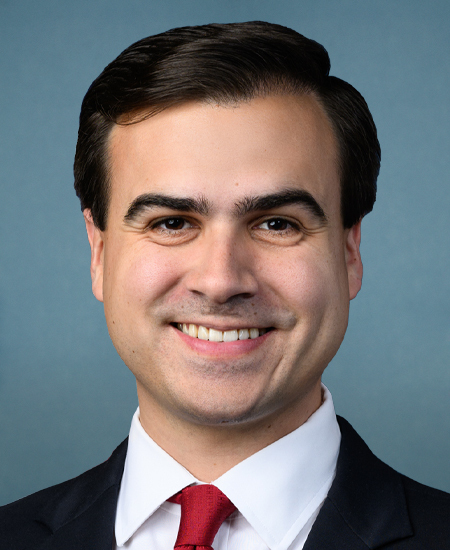
Clay Fuller
87% support rate
Top opponent
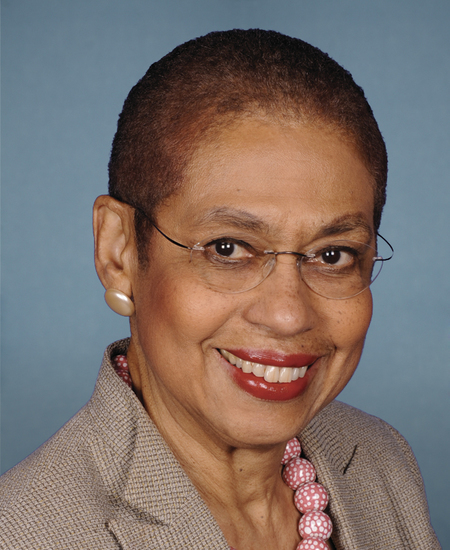
Eleanor Holmes Norton
0% support rate
Ranked legislators
10
5 support · 5 oppose
Key legislators

Who's moving budget & taxes in United States

Legislators moving budget & taxes in United States
Legislator Party Stance Support rate Decisive votes
Clay Fuller
Clay Fuller House · District 14
R
Strong +
87% 46
Tina Smith
Tina Smith Senate
D
Strong +
83% 77
Andrew Ogles
Andrew Ogles House · District 5
R
Strong +
83% 65
Aaron Bean
Aaron Bean House · District 4
R
Strong +
83% 69
Ben Cline
Ben Cline House · District 6
R
Strong +
83% 69
Eleanor Holmes Norton
Eleanor Holmes Norton House · District At-Large
D
Strong −
0% 26
Pablo José Hernández
Pablo José Hernández House · District At-Large
D
Strong −
7% 28
Analilia Mejia
Analilia Mejia House · District 11
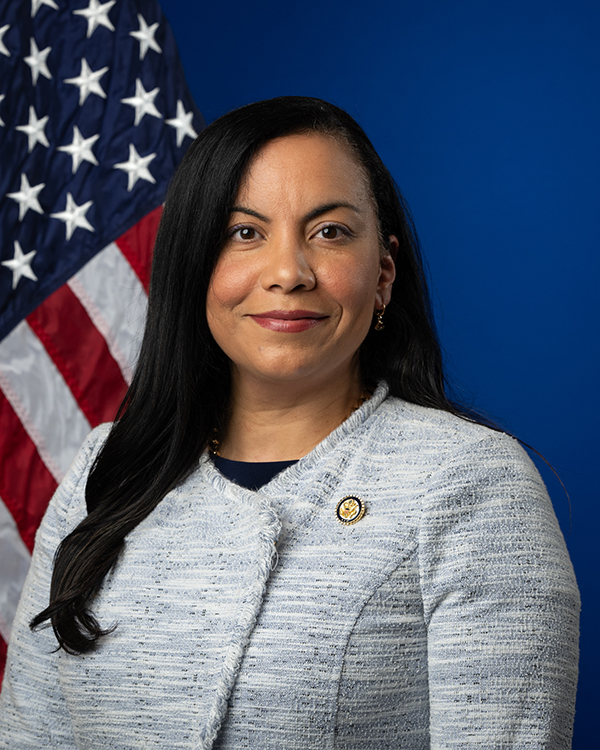
D
Strong −
13% 45
George Latimer
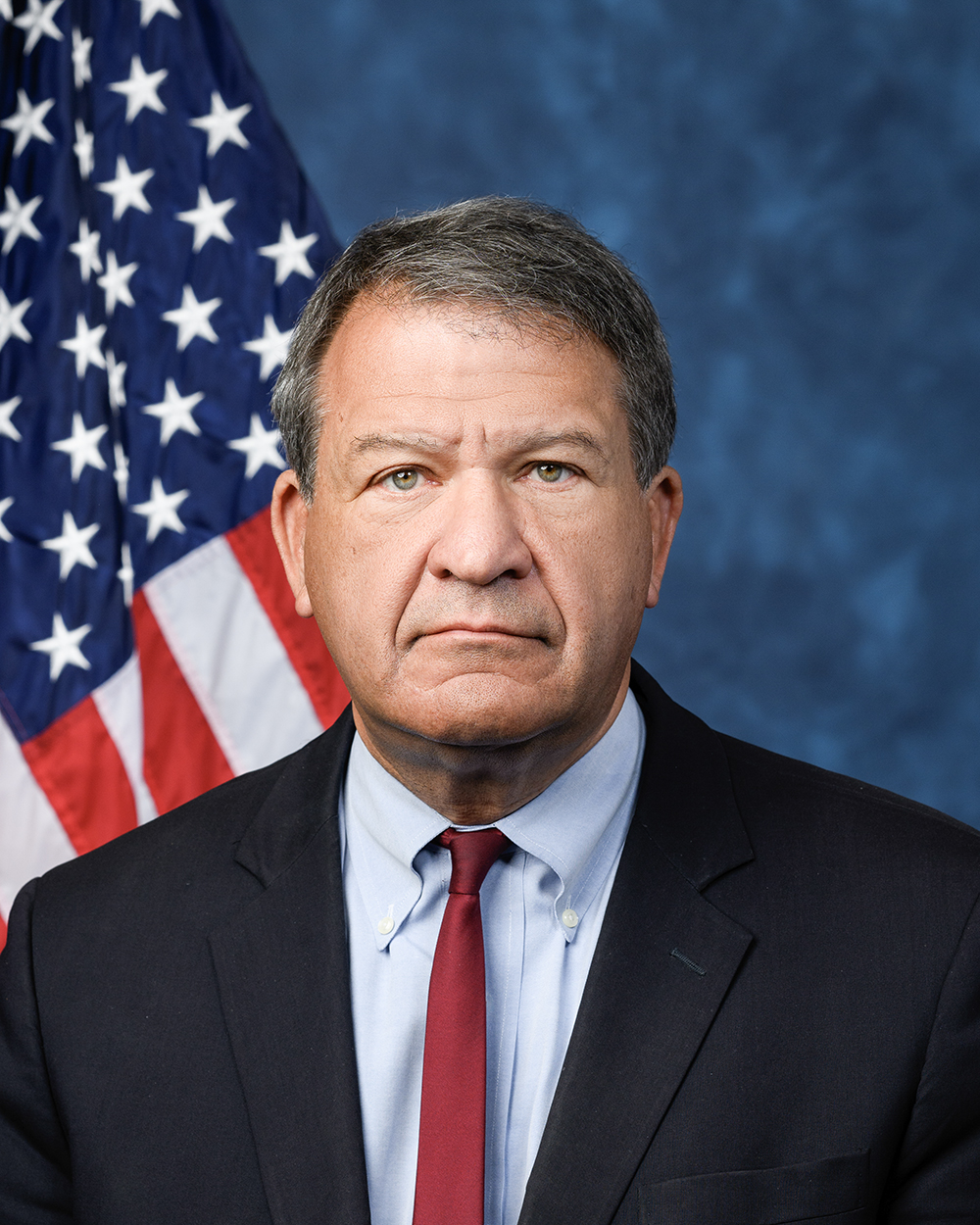
George Latimer House · District 16
D
Strong −
13% 67
Gregory W. Meeks
Gregory W. Meeks House · District 5
D
Strong −
14% 66
Showing 1,251–1,260 of 2,101 bills

All budget & taxes bills

in committee · United States · House Sep 23, 2025

HR 5552: Eliminate Shutdowns Act

HR 5552, the "Eliminate Shutdowns Act," would automatically continue federal funding for most government programs during a funding gap. If Congress fails to pass annual appropriations bills by the start of a fiscal year, the bill would automatically provide funding at the previous year's level for 14 days, extending in 14-day increments until a new funding bill is enacted. This applies to all federal programs except those specifically prohibited or covered by other laws, including maintaining current funding for entitlement programs like food assistance under the Food and Nutrition Act. The bill aims to prevent shutdowns by ensuring continuous operations without requiring new congressional action during the funding gap. It would take effect on September 30, 2025.
Sub-Topics Appropriations
in committee · United States · House Dec 15, 2025

HR 6725: Jobs, On-the-Job Earn-While-You-Learn Training, and Apprenticeships for Young African-Americans Act

This bill establishes a Diversity and Inclusion Administrator at the Department of Labor to increase African American participation in apprenticeships. It requires all new and renewing registered apprenticeship programs to submit plans boosting African American enrollment and creates competitive grants for programs targeting underserved communities in fields like construction, healthcare, and tech. The grants fund outreach, mentoring, and support services to help African American youth access and complete apprenticeships. The bill directly affects African American young people and apprenticeship programs nationwide, with $2 million authorized for fiscal year 2026.
in committee · United States · House Dec 11, 2025

HR 6669: No Taxation on PFAS Remediation Act

This bill excludes reimbursements received by individuals for cleaning up PFAS contamination from their taxable income under the federal tax code. It directly affects people who were paid back for remediation costs related to "forever chemicals" (PFAS) in their property. The key provision adds a new tax code section (139M) to ensure these specific reimbursements are not counted as income, reducing tax liability for affected individuals. The rule applies to reimbursements received in tax years starting after December 31, 2020.
in committee · United States · House Dec 3, 2025

HR 6396: Kid PROOF Act of 2025

This bill amends the SUPPORT for Patients and Communities Act to expand substance abuse and suicide prevention services for children, adolescents, and young adults (up to age 25). It requires eligible providers - like pediatric specialists, emergency departments, and children’s hospitals - to offer parents or guardians counseling on preventing overdose/suicide and provide supplies to reduce access to lethal means (e.g., safe storage containers). The bill allocates at least $2 million annually in grants to fund these prevention programs through eligible entities, with funding authorized for fiscal years 2026-2030. It directly affects young people at risk of substance misuse or self-harm and their caregivers.
in committee · United States · House Nov 10, 2025

HR 6016: Keep Healthcare Affordable Act

HR 6016, the Keep Healthcare Affordable Act, extends and expands federal subsidies for health insurance premiums purchased through the marketplace. It extends the enhanced premium tax credit program through 2029 (instead of 2025) and increases the income threshold for eligibility from 400% to 1,000% of the federal poverty level for certain taxpayers. This directly affects millions of people who buy health insurance through the marketplace and qualify for subsidies based on income. The bill modifies IRS Code sections 36B(b)(3)(A)(iii) and 36B(c)(1)(E) to implement these changes, applying to taxable years beginning after December 31, 2025.
Sub-Topics Tax Credits Insurance
in committee · United States · House Nov 7, 2025

HR 5974: Bureau of Prisons Pay Protection Act

HR 5974, the Bureau of Prisons Pay Protection Act, ensures federal prison staff continue receiving pay during government shutdowns. It directly affects Bureau of Prisons personnel at all federal correctional facilities, including both correctional officers and non-correctional employees like medical staff. The bill creates a specific funding mechanism by appropriating unspent Treasury funds to cover salaries during any lapse in discretionary appropriations. This guarantees that prison operations can continue without pay delays for staff when Congress fails to pass regular budget funding.
Sub-Topics Corrections
in committee · United States · House Dec 16, 2025

HR 6763: Shelter Act

HR 6763, the Shelter Act, creates a 25% tax credit for both individuals and businesses to offset qualified disaster mitigation expenditures on their primary residences or places of business. For individuals, the credit is capped at $3,750 annually (or $7,500 for joint returns) with a cumulative $15,000 limit per dwelling, while businesses receive a $5,000 annual limit. Qualified expenditures include roof reinforcement, flood barriers, fire-resistant materials, and other measures to protect against natural disasters like hurricanes, floods, and wildfires. The credit phases out for higher-income taxpayers and cannot be claimed for government-funded improvements, applying to expenses incurred after December 31, 2025.
Sub-Topics Tax Credits
in committee · United States · House Dec 4, 2025

HR 6458: Electronic Filing Improvement and Logistical Efficiency Act of 2025

HR 6458 requires the IRS to implement a fully automated electronic filing system for employment tax returns (like Form 941) within one year of enactment, starting with the adjusted quarterly return (Form 941-X). Employers who file all employment taxes electronically for the first time in a quarter receive a $1,000 tax credit, with an additional $1,000 available in the following year for continued electronic filing. Employers filing paper returns face a $250 user fee (effective two years after enactment), though exceptions apply for rural access issues, emergencies, or first-time filers. The bill directly affects businesses required to file employment tax returns, aiming to replace paper-based processes with electronic filing as the standard.
in committee · United States · House Nov 20, 2025

HR 6231: Improve and Enhance the Work Opportunity Tax Credit Act

HR 6231 extends and enhances the Work Opportunity Tax Credit (WOTC), a federal tax credit for employers hiring from specific target groups like veterans, SNAP recipients, and summer youth workers. The bill extends the program through 2030 (from 2025), increases the credit rate to 50% for certain wages (up from 40%), adds automatic inflation adjustments to the $6,000 wage cap, and expands eligibility to include military spouses and removes age limits for SNAP recipients. Key provisions also modify credit calculations for veterans, agricultural workers, and long-term assistance recipients, while requiring federal agencies to promote hiring from target groups in critical sectors like healthcare and construction. This bill directly affects employers who hire from these designated groups, making the tax credit more valuable and accessible.
in committee · United States · House Oct 29, 2025

HR 5846: Solid Waste Infrastructure for Recycling Grant Program Reauthorization Act

HR 5846 reauthorizes the Solid Waste Infrastructure for Recycling Grant Program by extending annual funding of $65 million for fiscal years 2027 through 2036. The bill directly affects local governments and communities by providing continued financial support for projects that improve recycling infrastructure, such as modernizing facilities or expanding collection systems. Key provisions include maintaining the $65 million annual funding level for a decade beyond the previous authorization period (2021-2025), ensuring stable resources for waste management upgrades. This concrete policy change allows communities to access federal grants for recycling infrastructure projects without interruption through 2036.
Showing 1,251 to 1,260 of 2,101 bills