

Issue · Budget & Taxes
Budget & Taxes
Every budget & taxes bill, vote, and legislator stance in United States, automatically classified by Maddy, our AI policy reader.
Total bills
2,101
119th Congress
Top supporter
Clay Fuller
87% support rate
Top opponent
Eleanor Holmes Norton
0% support rate
Ranked legislators
10
5 support · 5 oppose
Key legislators
Who's moving budget & taxes in United States
| Legislator | Party | Stance | Support rate | Decisive votes |
|---|---|---|---|---|

Clay Fuller
House · District 14
|
R |
Strong +
|
87% | 46 |

Tina Smith
Senate
|
D |
Strong +
|
83% | 77 |

Andrew Ogles
House · District 5
|
R |
Strong +
|
83% | 65 |

Aaron Bean
House · District 4
|
R |
Strong +
|
83% | 69 |
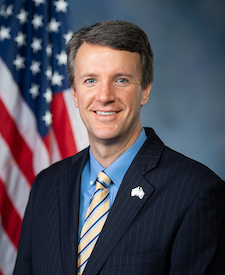
Ben Cline
House · District 6
|
R |
Strong +
|
83% | 69 |

Eleanor Holmes Norton
House · District At-Large
|
D |
Strong −
|
0% | 26 |
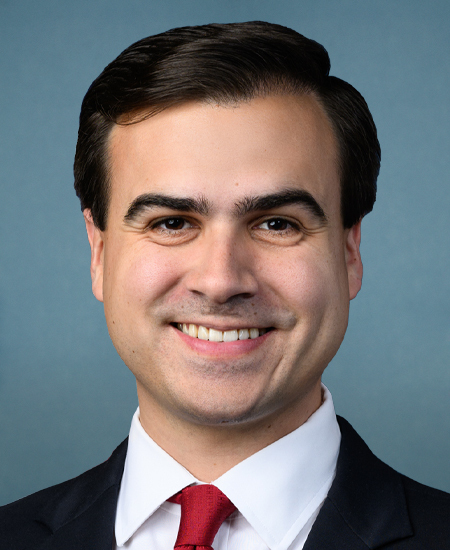
Pablo José Hernández
House · District At-Large
|
D |
Strong −
|
7% | 28 |

Analilia Mejia
House · District 11
|
D |
Strong −
|
13% | 45 |

George Latimer
House · District 16
|
D |
Strong −
|
13% | 67 |
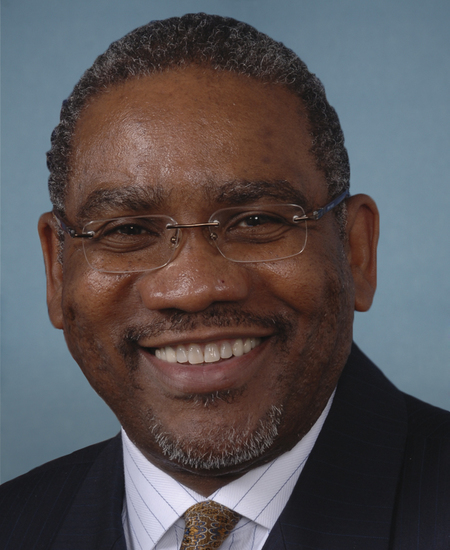
Gregory W. Meeks
House · District 5
|
D |
Strong −
|
14% | 66 |
Showing 1,231–1,240 of 2,101
bills
All budget & taxes bills
HR 5568: Funding Small Businesses During Shutdown Act
HR 5397: HEALING Mothers and Fathers Act
Topics
✓ Budget & TaxesSupports Budget & TaxesCreates refundable tax credit for pregnancy loss, providing tax relief and government-funded support, directly advancing tax policy under Budget & Taxes.
✓ HealthcareSupports HealthcareExpands FMLA leave for medical pregnancy loss, enabling job-protected time for healthcare access and recovery, aligning with healthcare access and patient rights indicators.
✓ Labor & EmploymentSupports Labor & EmploymentExpands FMLA to include pregnancy loss leave with job protection and tax credit - directly strengthens worker benefits under employment standards.
HR 5160: Stem Cell Therapeutic and Research Reauthorization Act of 2025
Topics
✓ Budget & TaxesSupports Budget & TaxesBill reauthorizes $31M for 2025 and $33M annually for 2027-2031 to fund stem cell research programs, directly supporting government spending on essential medical research.
✓ HealthcareSupports HealthcareReauthorizes $31M-$33M annually for stem cell research and cord blood programs, maintaining federal funding continuity for healthcare research initiatives.
HR 5742: BOPEN Act of 2025
Topics
✓ Budget & TaxesSupports Budget & TaxesEnsures continuous funding for BOP staff during appropriations gaps, promoting fiscal responsibility in government spending through Treasury reserves.
✓ Criminal JusticeSupports Criminal JusticeEnsures continuous BOP staff funding via Treasury reserves, directly supporting correctional system operations without defunding or reform language.
Sub-Topics
Appropriations
HR 5687: Keep the Heat On Act of 2025
Topics
✓ Budget & TaxesSupports Budget & TaxesPrevents defunding of home energy assistance by redirecting unused Treasury funds to maintain FY2025 payment rates during FY2026 shutdowns, protecting essential program funding.
✓ EnergySupports EnergyBill protects utility consumers by ensuring uninterrupted home energy assistance for low-income households during government shutdowns, aligning with 'protects utility consumers' indicator.
✓ HousingSupports HousingBill maintains home energy assistance for low-income households, a key component of housing affordability, preventing service interruptions during shutdowns.
Sub-Topics
Appropriations
HR 5450: Continuing Appropriations and Extensions and Other Matters Act, 2026
Topics
✓ Budget & TaxesSupports Budget & TaxesAllocates $8.2B for WIC, $30M for courthouse security, and $23M for judicial security, extending existing funding without cuts to essential programs.
✓ HealthcareSupports HealthcareAllocates $8.2B for WIC, extends Medicare/veterans' healthcare deadlines - maintains existing funding without cuts to key health programs.
HR 5439: Medically Tailored Home-Delivered Meals Program Pilot Act
Topics
✓ Budget & TaxesSupports Budget & TaxesBill creates federal funding for Medicare pilot program targeting high-risk patients, advancing essential healthcare spending through government appropriation.
✓ HealthcareSupports HealthcareCreates Medicare-funded pilot for medically tailored meals to reduce readmissions, expanding coverage for diet-impacted conditions like diabetes.
HR 5382: Health CARE Training Act
Topics
✓ Budget & TaxesSupports Budget & TaxesExcludes stipends from federal income tax, providing tax relief to healthcare trainees under grant programs
✓ HealthcareSupports HealthcareRequires training hours matching state standards and excludes stipends from income tax, directly funding healthcare workforce development.
Sub-Topics
Income Tax