Issue · Budget & Taxes

Budget & Taxes

Every budget & taxes bill, vote, and legislator stance in United States, automatically classified by Maddy, our AI policy reader.

Total bills
2,411
119th Congress
Top supporter
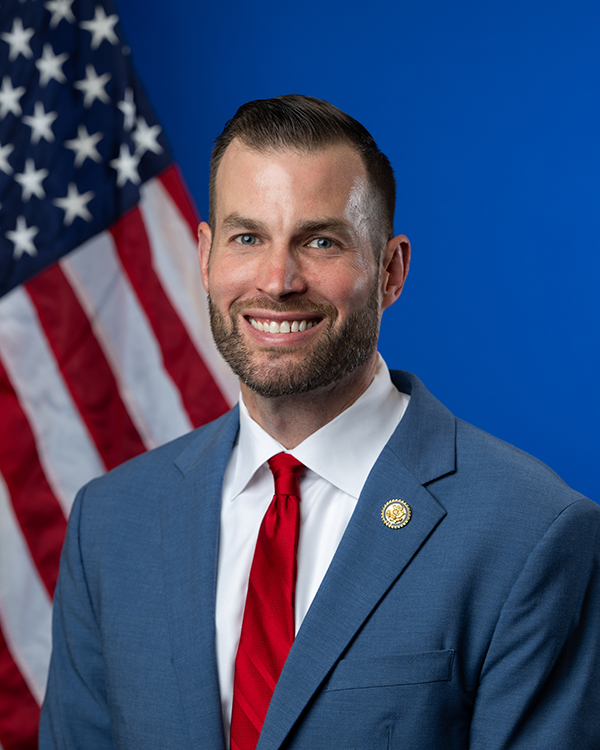
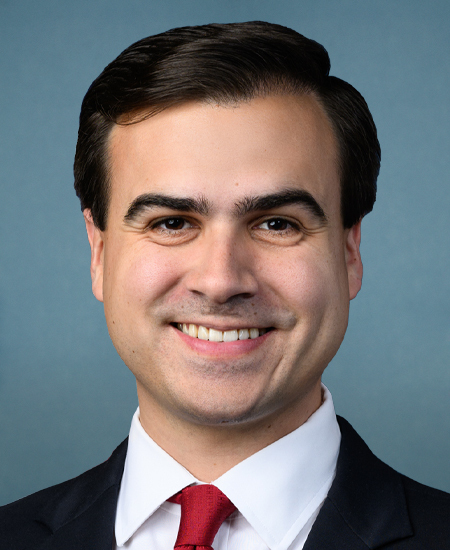
Clay Fuller
87% support rate
Top opponent
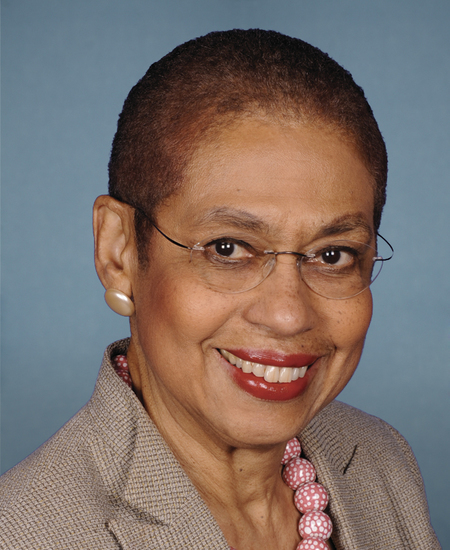
Eleanor Holmes Norton
0% support rate
Ranked legislators
10
5 support · 5 oppose
Key legislators

Who's moving budget & taxes in United States

Legislators moving budget & taxes in United States
Legislator Party Stance Support rate Decisive votes
Clay Fuller
Clay Fuller House · District 14
R
Strong +
87% 46
Tina Smith
Tina Smith Senate
D
Strong +
83% 77
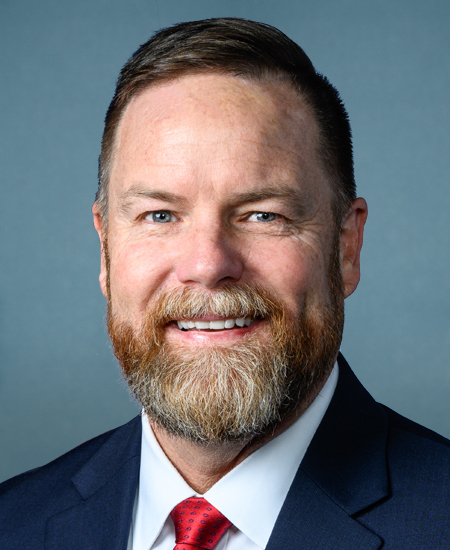
Andrew Ogles
Andrew Ogles House · District 5
R
Strong +
83% 65
Aaron Bean
Aaron Bean House · District 4
R
Strong +
83% 69
Ben Cline
Ben Cline House · District 6
R
Strong +
83% 69
Eleanor Holmes Norton
Eleanor Holmes Norton House · District At-Large
D
Strong −
0% 26
Pablo José Hernández
Pablo José Hernández House · District At-Large
D
Strong −
7% 28
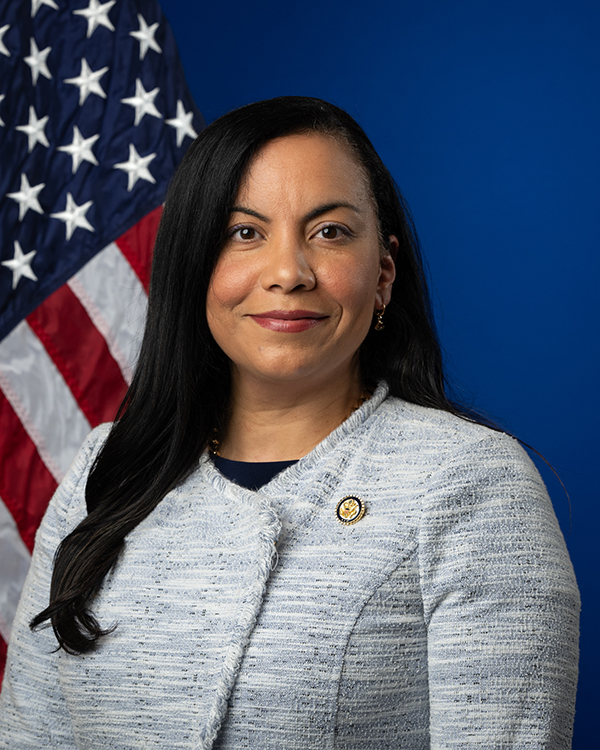
Analilia Mejia
Analilia Mejia House · District 11
D
Strong −
13% 45
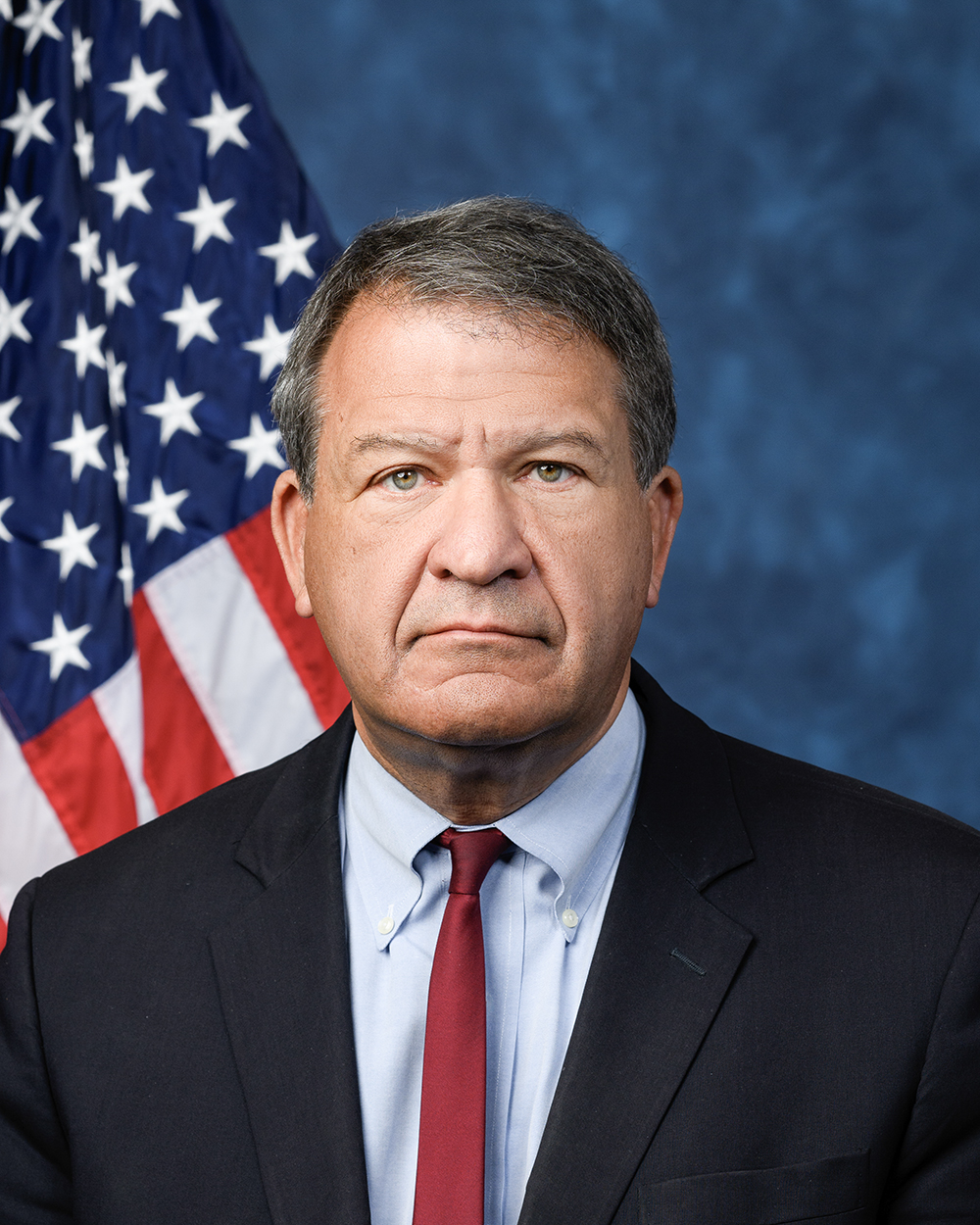
George Latimer
George Latimer House · District 16
D
Strong −
13% 67
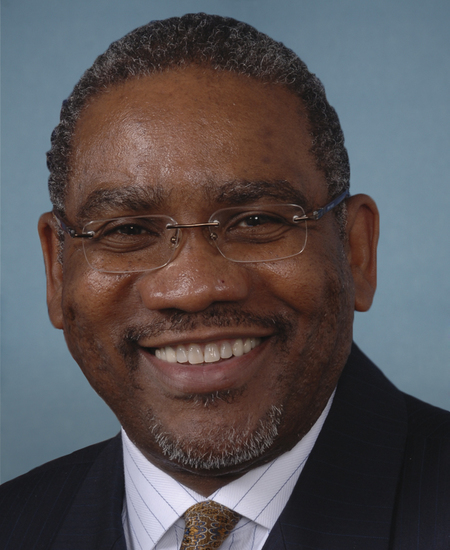
Gregory W. Meeks
Gregory W. Meeks House · District 5
D
Strong −
14% 66
Showing 1,221–1,230 of 2,411 bills

All budget & taxes bills

in committee · United States · House May 1, 2025

HR 3131: Community Services Block Grant Improvement Act of 2025

Community Services Block Grant Improvement Act of 2025 This bill reauthorizes the Community Services Block Grant (CSBG) program through FY2032 and makes certain changes to the program and associated eligibility requirements. The CSBG program supports various antipoverty activities, primarily through formula-based allotments to states, tribes, and territories, the majority of which must be made available in grants to eligible local entities.  Specifically, the bill permanently sets the measure of eligibility for services, assistance, or resources provided directly to individuals or families under the program at 200% of the poverty line. (Under current law, the eligibility measure is temporarily set at 200% of the poverty line, an increase from the previous measure of 125% of the poverty line.) The bill also makes certain changes to the permitted uses of funding, including by allowing CSBG funds to be used to facilitate low-income individuals’ and communities’ access to high-speed broadband, digital literacy training, technical support, and other services. States may also use certain funds allocated for training and technical assistance to assist eligible entities in responding to statewide and regional conditions that create economic insecurity, including emergency conditions.   The bill also expands requirements for the plans that states must submit to the Department of Health and Human Services in order to receive CSBG funds (e.g., transparency assurances), and sets deadlines by which states must make funds available to eligible entities. Finally, the bill repeals a provision that allowed states to use CSBG funds to offset revenue losses associated with state charity tax credits.
in committee · United States · House Apr 29, 2025

HR 3058: Reclaim the Reins Act

HR 3058, the Reclaim the Reins Act, requires federal agencies to submit detailed reports for regulations that increase government revenue, including budget impacts, job effects, and cost analyses. It mandates that such rules cannot take effect without Congress approving them via a joint resolution within 60 days of receiving the report. The bill also creates annual reviews for existing rules, requiring agencies to designate 20% of current rules for review and setting a 5-year sunset for rules not approved by Congress. This directly affects federal agencies issuing revenue-increasing regulations and changes how Congress can block or approve these rules before implementation.
in committee · United States · House Apr 28, 2025

HR 3035: Restoring WIFIA Eligibility Act

HR 3035, the Restoring WIFIA Eligibility Act, changes how certain water infrastructure loans are counted in federal budget calculations. It ensures that projects funded through the WIFIA program (which provides financing for water infrastructure) are treated as direct loans or loan guarantees for budget purposes, rather than as subsidies, when repayment comes from non-Federal sources like user fees. This applies specifically to non-Federal entities (such as state or local water agencies) receiving WIFIA assistance. The bill does not alter who qualifies for WIFIA funding but clarifies its budgetary treatment under federal accounting rules. This change affects how the government tracks and reports these loans in its budget.
in committee · United States · House Apr 21, 2025

HR 2973: Coast Guard Combat-Injured Tax Fairness Act

HR 2973 amends the Combat-Injured Veterans Tax Fairness Act to ensure Coast Guard veterans with combat-related injuries receive tax refunds for improperly withheld severance payments, regardless of whether the Coast Guard operates under the Department of the Navy, Homeland Security, or Transportation. It updates the law to include the Secretary of Homeland Security and Secretary of Transportation as responsible officials for processing these refunds during periods when the Coast Guard is not part of the Navy. The bill requires these secretaries to identify and refund improperly withheld amounts within one year of enactment and to prevent future withholding errors immediately. This directly affects Coast Guard veterans injured in combat during service periods managed by Homeland Security or Transportation, not just those under the Navy.
in committee · United States · House Mar 27, 2025

HR 2447: New Collar Jobs Act of 2025

The New Collar Jobs Act of 2025 creates tax credits for employers who fund cybersecurity training for staff, covering up to $5,000 per employee annually. It also offers student loan forgiveness of up to $25,000 for cybersecurity workers employed in economically distressed areas for 36 consecutive months. The bill expands CyberCorps scholarships for cybersecurity education and increases funding for cybersecurity programs at colleges. These provisions directly affect employers, cybersecurity workers, and educational institutions seeking to address workforce shortages in critical security roles.
in committee · United States · House Mar 24, 2025

HR 2292: Economic Opportunity for Distressed Communities Act

This bill creates tax incentives for investors who put capital gains into "qualified distressed opportunity funds" that invest in designated distressed communities. It allows taxpayers to defer recognizing capital gains from property sales if they invest the proceeds in these funds within 180 days, with the deferred gains being recognized by 2033 or when the investment is sold. The bill establishes specific requirements for "distressed opportunity zones" (including brownfield sites and National Priorities List facilities) and for the funds themselves (requiring at least 90% of assets to be invested in qualifying property). It includes provisions that increase tax basis for investments held for 5, 7, or 10 years, with the most significant benefit coming after 10 years of holding. The policy aims to encourage long-term investment in economically distressed areas through specific tax treatment.
Sub-Topics Tax Incentives Tags Economic Development
in committee · United States · House May 13, 2025

HR 3338: MARKET CHOICE Act

HR 3338, the MARKET CHOICE Act, would impose a tax on greenhouse gas emissions from fossil fuels, industrial processes, and certain products, starting at $40 per metric ton of carbon dioxide equivalent in 2027 with annual increases based on inflation. The tax would be paid by owners or operators at specific points in the supply chain, with exemptions for carbon capture and certain product uses that reduce emissions. Revenue from the tax would fund infrastructure projects, climate adaptation initiatives, and worker retraining programs for displaced energy workers, while establishing a National Climate Commission to set emissions reduction goals.
Sub-Topics Climate Change
in committee · United States · House May 21, 2025

HR 3527: Real Education and Access for Healthy Youth Act of 2025

The Real Education and Access for Healthy Youth Act of 2025 would provide federal grants to support comprehensive sex education and sexual health services for young people aged 10-29. The bill establishes four grant programs: for K-12 schools and youth organizations, for colleges and universities, for educator training, and for sexual health services specifically targeting underserved youth. To qualify for funding, programs must be evidence-informed, medically accurate, inclusive of diverse gender identities and sexual orientations, culturally responsive, and trauma-informed. The bill appropriates $100 million annually for fiscal years 2026-2031, with specific funding allocations for each program type. It prohibits funding for programs that withhold health information, promote stereotypes, or fail to address the needs of specific groups like pregnant youth or survivors of violence.
in committee · United States · House May 20, 2025

HR 3506: Healthy Food Financing Initiative Reauthorization Act of 2025

HR 3506 reauthorizes annual funding for the Healthy Food Financing Initiative through fiscal year 2030, setting specific mandatory funding levels starting at $25 million for 2026 and increasing to $50 million annually after 2029. The bill directs the Commodity Credit Corporation to allocate these funds to support projects expanding access to healthy food in underserved communities. It directly affects low-income neighborhoods lacking grocery stores and local food businesses seeking financing for development or expansion. The legislation provides no new policy mechanisms beyond establishing these fixed annual funding amounts.
in committee · United States · House May 15, 2025

HR 3450: To amend the Internal Revenue Code of 1986 to provide for special rules allowing taxpayers to deduct qualified passenger vehicle loan interest paid or accrued during the taxable year on certain indebtedness, and for other purposes.

HR 3450 would allow taxpayers to deduct interest paid on certain car loans for tax years 2024 through 2028. This applies to loans for personal-use vehicles like cars, SUVs, motorcycles, or recreational vehicles (e.g., campers), but excludes commercial vehicles, leases, salvage-title vehicles, and fleet sales. The deduction is capped at $10,000 annually and phases out for higher-income taxpayers (starting at $100,000 for single filers or $200,000 for joint returns). Lenders must report such interest to the IRS and provide borrowers a statement if the interest received exceeds $600 in a year.
Showing 1,221 to 1,230 of 2,411 bills