Issue · Budget & Taxes

Budget & Taxes

Every budget & taxes bill, vote, and legislator stance in United States, automatically classified by Maddy, our AI policy reader.

Total bills
2,411
119th Congress
Top supporter
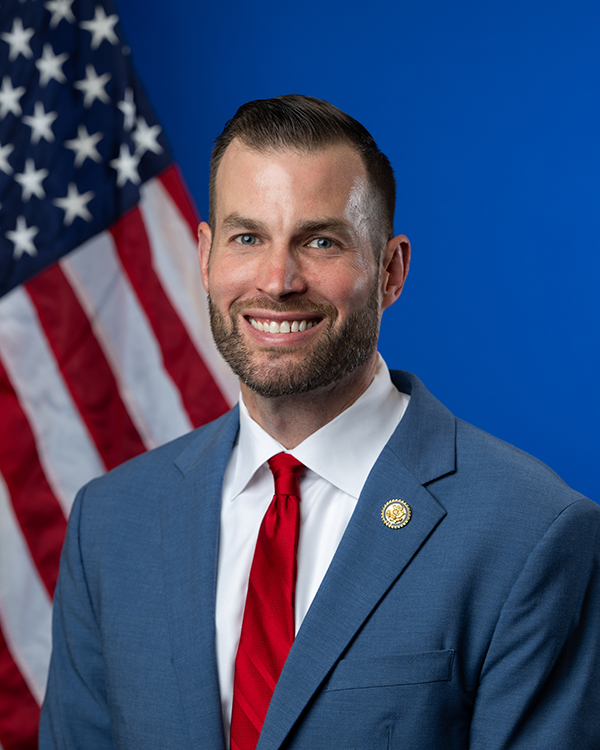
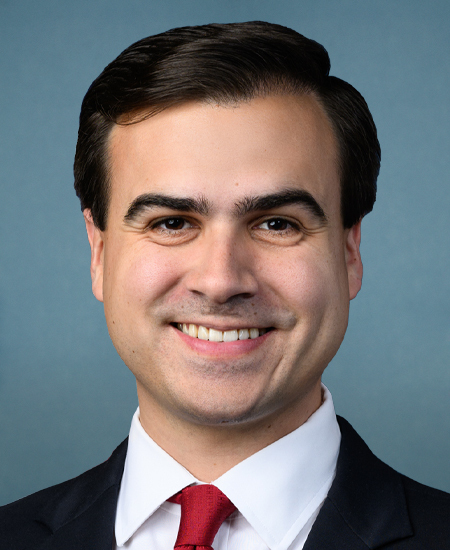
Clay Fuller
87% support rate
Top opponent
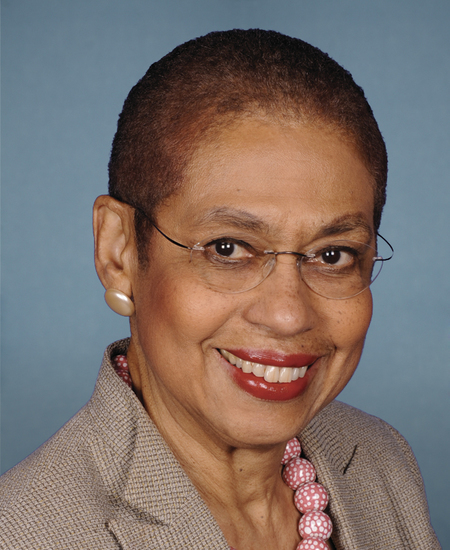
Eleanor Holmes Norton
0% support rate
Ranked legislators
10
5 support · 5 oppose
Key legislators

Who's moving budget & taxes in United States

Legislators moving budget & taxes in United States
Legislator Party Stance Support rate Decisive votes
Clay Fuller
Clay Fuller House · District 14
R
Strong +
87% 46
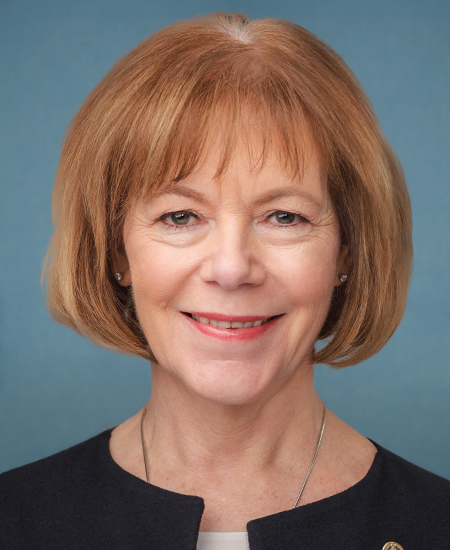
Tina Smith
Tina Smith Senate
D
Strong +
83% 77
Andrew Ogles
Andrew Ogles House · District 5
R
Strong +
83% 65
Aaron Bean
Aaron Bean House · District 4
R
Strong +
83% 69
Ben Cline
Ben Cline House · District 6
R
Strong +
83% 69
Eleanor Holmes Norton
Eleanor Holmes Norton House · District At-Large
D
Strong −
0% 26
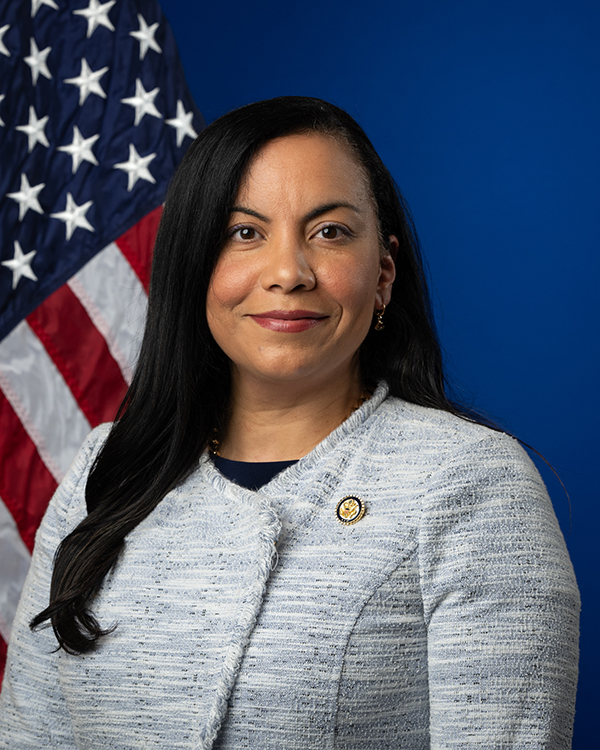
Pablo José Hernández
Pablo José Hernández House · District At-Large
D
Strong −
7% 28
Analilia Mejia
Analilia Mejia House · District 11
D
Strong −
13% 45
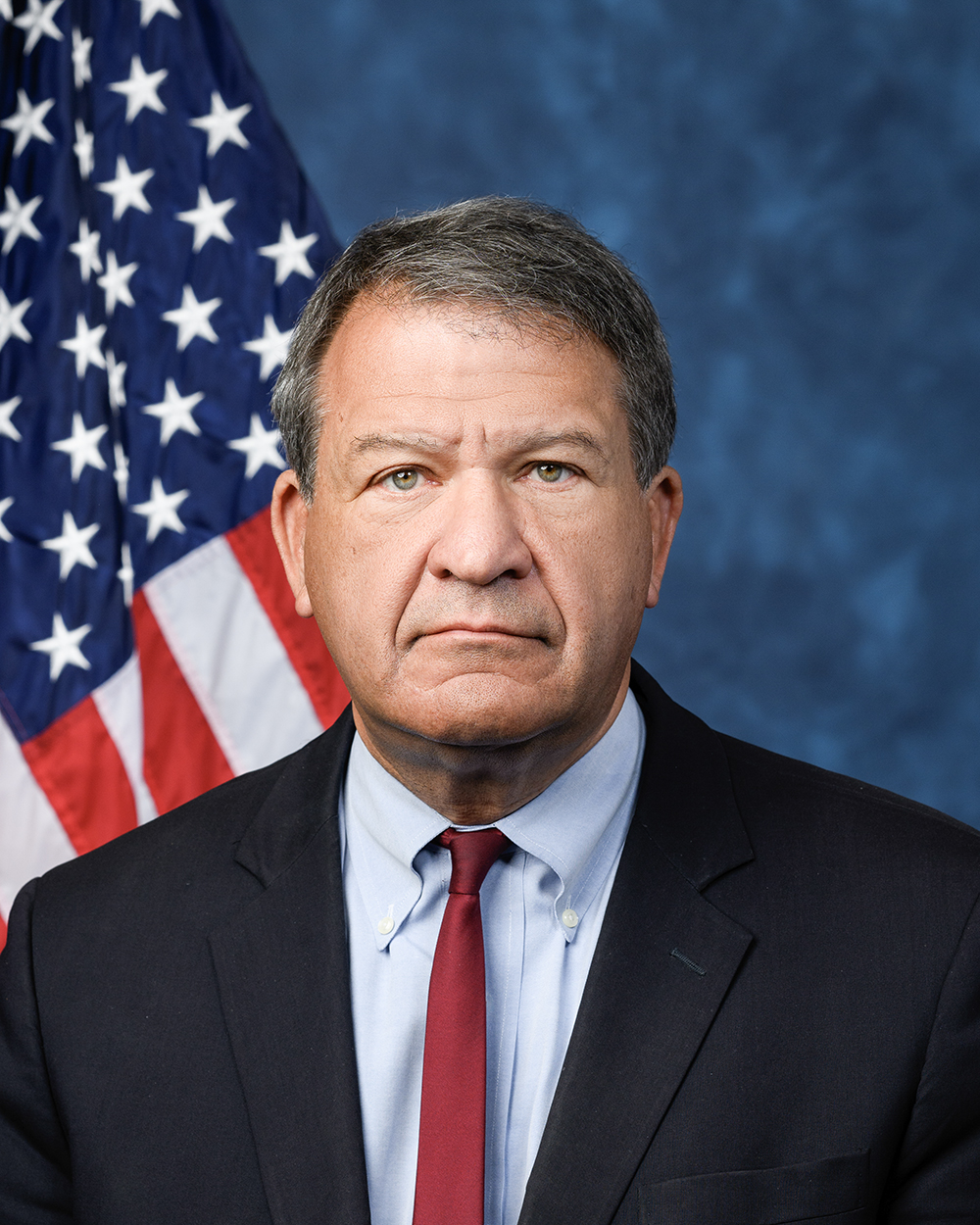
George Latimer
George Latimer House · District 16
D
Strong −
13% 67
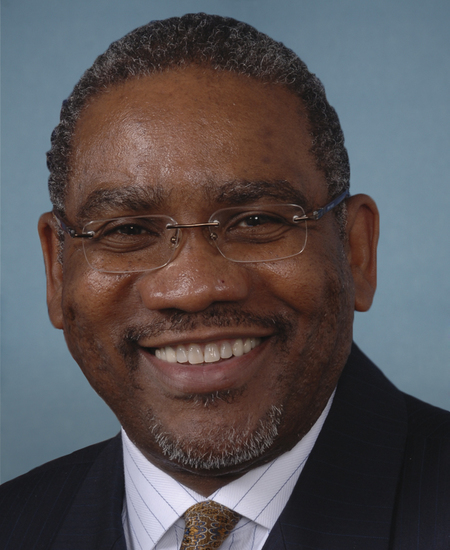
Gregory W. Meeks
Gregory W. Meeks House · District 5
D
Strong −
14% 66
Showing 1,201–1,210 of 2,411 bills

All budget & taxes bills

in committee · United States · House Apr 24, 2025

HR 3010: No Handouts for Drug Advertisements Act

HR 3010, the "No Handouts for Drug Advertisements Act," prohibits pharmaceutical companies from deducting the costs of direct-to-consumer advertising for prescription drugs from their federal taxable income. Specifically, it amends the Internal Revenue Code to disallow tax deductions for advertising expenses related to covered drugs (prescription drugs and certain compounded drugs) when targeted directly at the general public through TV, radio, digital platforms, or billboards. This policy change directly affects pharmaceutical companies that run such advertising campaigns, requiring them to pay taxes on the full cost of these promotions. The bill does not apply to ads in medical journals or other professional publications. It takes effect for expenses incurred after enactment.
in committee · United States · House Apr 10, 2025

HR 2875: Mobile Mammography Promotion Act of 2025

This bill provides tax relief for mobile mammography services by refunding federal excise taxes on fuel used in qualifying vehicles and exempting that fuel from retail taxation. Specifically, it requires the IRS to refund excise taxes paid on fuel used in highway vehicles exclusively designed for mobile mammography services, and it exempts such fuel from the retail excise tax under Section 4041. These changes directly benefit mobile mammography providers by reducing their operational costs for vehicle fuel. The provisions take effect upon the bill's enactment.
Sub-Topics Sales Tax
in committee · United States · House Apr 2, 2025

HR 2599: POWER Act of 2025

This bill creates a $500 non-refundable tax credit for homeowners who purchase emergency generators for their primary residence. It applies only to individuals whose homes were in areas affected by two or more federally declared major disasters (excluding public health emergencies) within the past five years, and who previously received individual disaster assistance. The credit phases out for higher-income households ($300,000 joint filer limit, $150,000 for others) and expires two years after the bill becomes law. The credit covers generator costs up to $500 per household, aiming to help disaster-prone communities prepare for power outages.
Sub-Topics Tax Credits
in committee · United States · House Apr 2, 2025

HR 2595: Building Child Care for a Better Future Act

The Building Child Care for a Better Future Act (HR 2595) increases federal child care funding to $20 billion for fiscal year 2026 with annual inflation-based increases, plus an additional $5 billion annually for targeted improvements in child care access and quality. It allocates specific portions of funds to Indian tribes (5%) and territories (4%), requiring states and tribes to identify areas with particular child care needs and develop plans to improve workforce, supply, quality, and access through activities like provider training, facility upgrades, and higher wages. The bill mandates regular reporting and evaluations to track how funds improve child care services for low-income families, children with disabilities, dual language learners, and those in rural or high-poverty areas. This legislation directly affects child care providers, low-income families seeking care, and tribal organizations by providing concrete funding mechanisms to address specific child care shortages.
Tags Children
in committee · United States · House Mar 26, 2025

HR 2369: PHIT Act of 2025

The PHIT Act of 2025 allows taxpayers to deduct certain fitness-related expenses as medical costs on their federal tax returns. It directly affects individuals and families who pay for qualifying physical activity programs, such as gym memberships, fitness classes, or approved equipment. Key provisions include setting annual limits ($1,000 per person or $2,000 for joint returns), defining eligible fitness facilities (excluding golf courses or private clubs), and specifying that equipment must be used exclusively for physical activity. The bill amends the Internal Revenue Code to treat these expenses as deductible medical costs, effective for taxable years after its enactment.
Sub-Topics Income Tax
in committee · United States · House May 8, 2025

HR 3285: Student Loan Marriage Penalty Elimination Act of 2025

This bill changes how married couples filing jointly can deduct student loan interest on their federal taxes. Currently, the deduction limit of $2,500 applies to the household as a whole. The bill would amend the tax code to apply the $2,500 limit separately to each spouse, meaning both partners could each deduct up to $2,500 in interest. This directly affects married couples with student loans who file jointly, providing them with a larger potential tax benefit. The change takes effect for taxable years beginning after December 31, 2024.
Sub-Topics Income Tax
in committee · United States · House May 8, 2025

HR 3289: Fiscal Commission Act

The Fiscal Commission Act establishes a 16-member commission to address the federal government's fiscal challenges, including reducing debt and deficit while aiming for a debt-to-GDP ratio of 100% by 2039. The commission must educate the public about fiscal issues, identify policy recommendations, and submit a detailed report with legislative language by November 2026 (with possible extension to April 2027). This report requires bipartisan approval, needing at least two Republican and two Democratic members for majority support. If approved, the recommended legislation would become an "implementing bill" considered under expedited procedures in both congressional chambers. The commission's work directly affects federal budget decisions and public awareness of fiscal policy, with hearings required to gather input from experts and government officials.
in committee · United States · House May 8, 2025

HR 3271: Medicare and Social Security Fair Share Act

This bill would increase the Social Security tax wage base to $400,000, meaning income above this threshold would no longer be subject to Social Security tax. It would also impose a new 1.2% tax on wages exceeding $400,000 (with $500,000 for joint returns and $250,000 for married filing separately), and modify the net investment income tax to include a 13.6% additional tax on income above these thresholds. The bill would direct 71.3% of these new taxes to the Old-Age and Survivors Insurance Trust Fund, 10.3% to the Disability Insurance Trust Fund, and 28.7% to the Hospital Insurance Trust Fund. These changes would apply to taxable years beginning after December 31, 2025.
Sub-Topics Income Tax
in committee · United States · House May 7, 2025

HR 3257: Bridge to Medicaid Act of 2025

HR 3257, the Bridge to Medicaid Act of 2025, would make healthcare more affordable for low-income Americans by reducing out-of-pocket costs for individuals with household incomes at or below 138% of the federal poverty level. The bill extends cost-sharing reductions through 2028, creates special enrollment periods for eligible low-income individuals, and provides additional benefits including non-emergency medical transportation services. It also temporarily expands premium tax credits for 2026-2028 and increases federal Medicaid funding for newly eligible individuals through 2029. The legislation aims to improve access to healthcare for millions of Americans who face financial barriers to coverage.
Sub-Topics Insurance Medicaid
in committee · United States · House Mar 31, 2025

HR 2509: COMPLETE Care Act

HR 2509, the COMPLETE Care Act, creates Medicare payment incentives for primary care providers who integrate specific behavioral health services into their practice. It directly affects Medicare providers offering services identified by HCPCS codes 99484, 99492, 99493, 99494, G2214, and G0323 (covering models like Collaborative Care and Primary Care Behavioral Health) during 2027-2029. The bill increases Medicare payments for these services to 125-175% of standard rates (phasing down from 175% in 2027 to 125% in 2029) and waives budget neutrality rules to fund these higher payments. Additionally, it requires the HHS Secretary to provide technical assistance to primary care practices adopting these models by 2026, with dedicated funding for 2025-2029.
Showing 1,201 to 1,210 of 2,411 bills