Issue · Budget & Taxes

Budget & Taxes

Every budget & taxes bill, vote, and legislator stance in United States, automatically classified by Maddy, our AI policy reader.

Total bills
2,411
119th Congress
Top supporter
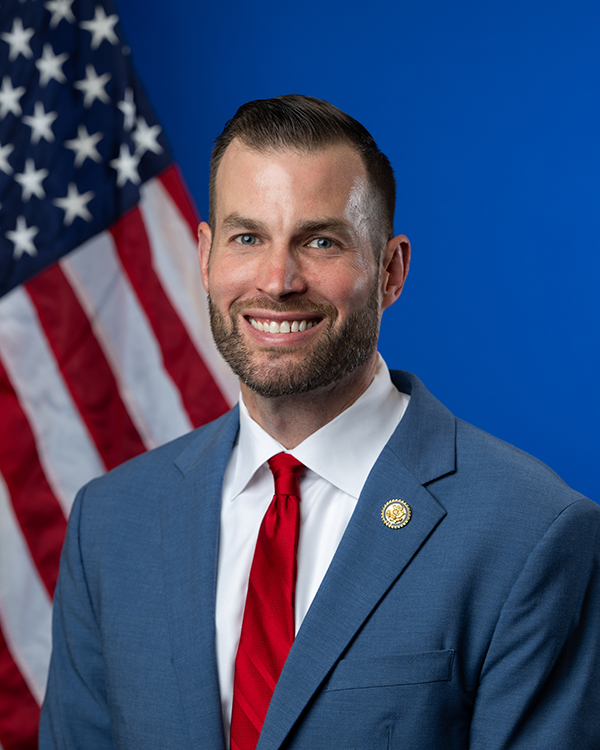
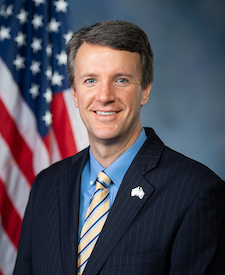
Clay Fuller
87% support rate
Top opponent
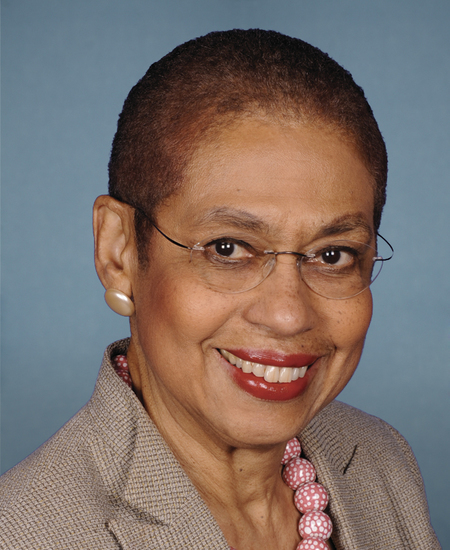
Eleanor Holmes Norton
0% support rate
Ranked legislators
10
5 support · 5 oppose
Key legislators

Who's moving budget & taxes in United States

Legislators moving budget & taxes in United States
Legislator Party Stance Support rate Decisive votes
Clay Fuller
Clay Fuller House · District 14
R
Strong +
87% 46
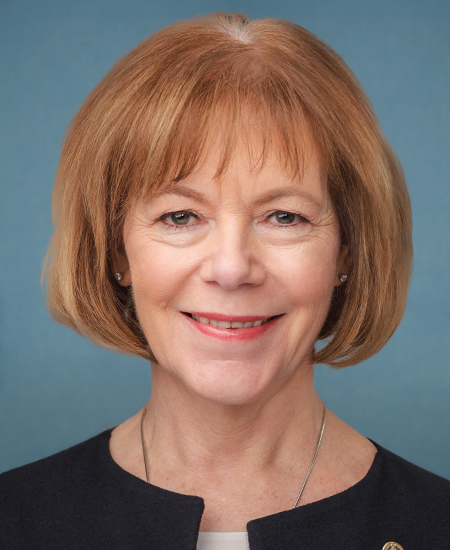
Tina Smith
Tina Smith Senate
D
Strong +
83% 77
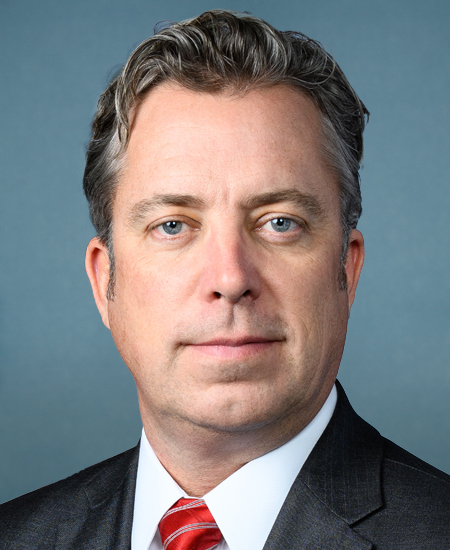
Andrew Ogles
Andrew Ogles House · District 5
R
Strong +
83% 65
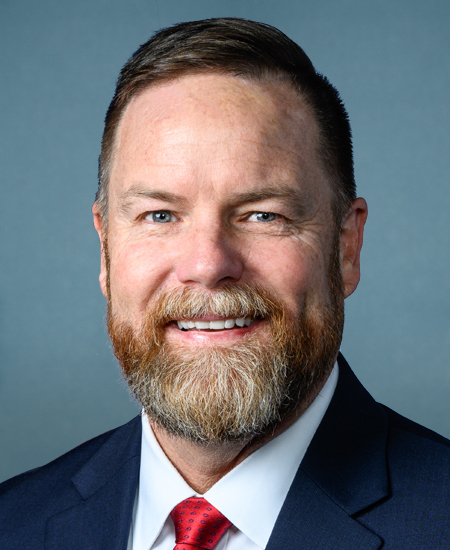
Aaron Bean
Aaron Bean House · District 4
R
Strong +
83% 69
Ben Cline
Ben Cline House · District 6
R
Strong +
83% 69
Eleanor Holmes Norton
Eleanor Holmes Norton House · District At-Large
D
Strong −
0% 26
Pablo José Hernández
Pablo José Hernández House · District At-Large
D
Strong −
7% 28
Analilia Mejia
Analilia Mejia House · District 11
D
Strong −
13% 45
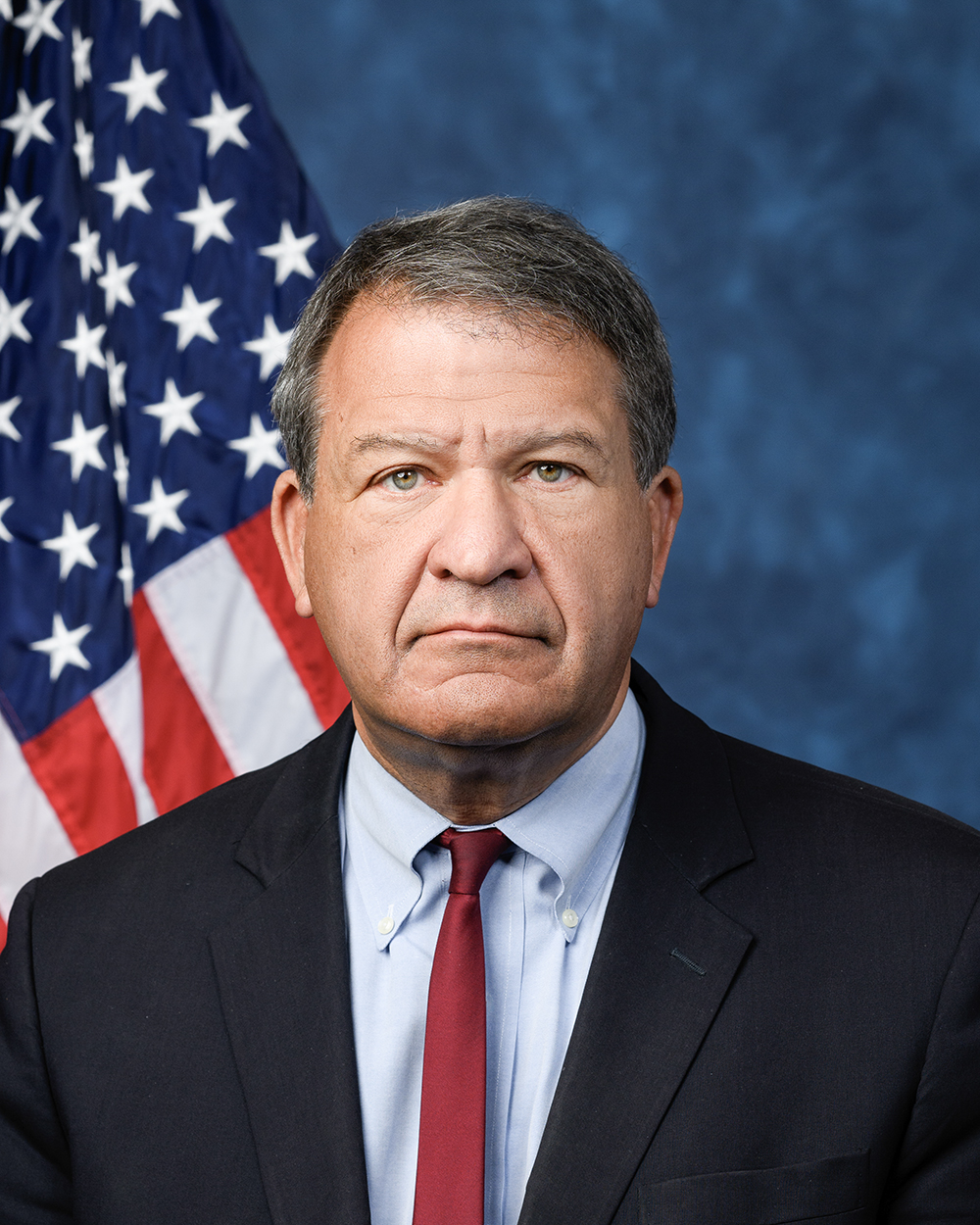
George Latimer
George Latimer House · District 16
D
Strong −
13% 67
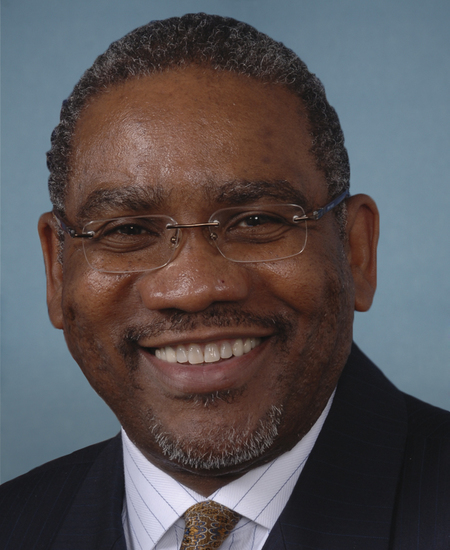
Gregory W. Meeks
Gregory W. Meeks House · District 5
D
Strong −
14% 66
Showing 1,031–1,040 of 2,411 bills

All budget & taxes bills

in committee · United States · House Mar 18, 2025

HR 2231: Motorsports Fairness and Permanency Act of 2025

This bill amends the tax code to permanently establish a 7-year depreciation period for motorsports entertainment complexes, replacing a temporary provision. It directly affects businesses operating these facilities by allowing them to deduct the cost of qualifying assets over seven years instead of a shorter period. The key change is removing a temporary rule (subparagraph D) from the tax code, making the longer recovery period permanent for these specific properties. The bill focuses solely on clarifying and extending this tax treatment without additional policy changes.
in committee · United States · House Mar 14, 2025

HR 2146: To amend the Internal Revenue Code of 1986 to provide refunds with respect to certain dyed fuels that are exempt from tax and with respect to which tax was previously paid.

HR 2146 creates a refund process for businesses that paid tax on certain dyed diesel fuel or kerosene later determined to be exempt from tax under the Internal Revenue Code. Specifically, it allows businesses to receive a refund equal to tax paid under Section 4081 for "eligible indelibly dyed" fuels that are exempt under Section 4082(a). The bill amends tax code provisions to treat these refunds like standard tax credits, requiring the IRS to process them without interest. This applies to fuel removed from terminals 180 days after the bill’s enactment. It directly affects fuel distributors and retailers who previously paid tax on exempt dyed fuels.
in committee · United States · House Mar 11, 2025

HR 2051: Coast Guard Sustained Funding Act of 2025

This bill ensures Coast Guard personnel and contractors continue receiving pay during Coast Guard-specific funding gaps. If the Coast Guard's annual appropriations bill isn't enacted before the fiscal year begins (without a continuing resolution), the bill automatically provides funds for military members (including reservists on active duty), civilian employees supporting operations, and qualifying contractors. It prevents furloughs for these groups during such gaps without requiring new legislation. The bill applies only to Coast Guard-specific funding lapses, not general government shutdowns.
Sub-Topics Appropriations
in committee · United States · House Feb 27, 2025

HR 1662: LEAP Act

The LEAP Act creates a new $1,500 annual tax credit for employers with registered apprenticeship programs, paid per apprentice employee who exceeds a threshold based on the employer's prior three-year average of such employees (calculated at 80% of that average). The credit applies for up to two years per employee and excludes most construction industry workers unless they completed a pre-apprenticeship program and their employer sponsors an apprenticeship. It also includes a separate provision requiring federal agencies to reduce printing costs by moving documents online, publishing cost transparency data for printed materials, and maintaining essential print access for vulnerable populations. The bill primarily affects employers in qualifying apprenticeship programs, with the tax credit designed to incentivize hiring and training apprentices.
in committee · United States · House Feb 7, 2025

HR 1126: East Palestine Health Impact Monitoring Act of 2025

This bill funds a long-term health study on the 2023 train derailment in East Palestine, Ohio, which released chemicals through venting and burning. It directs the Health Secretary to award grants to university consortia with community ties to study residents' health impacts over time. The study must report progress within two years and final results within a year of publication, with Congress receiving both updates. Funding is authorized for fiscal year 2026 through 2030 to support this research.
in committee · United States · House Mar 6, 2025

HR 1940: Tanning Tax Repeal Act of 2025

HR 1940, the Tanning Tax Repeal Act of 2025, removes a federal excise tax on indoor tanning services. It directly affects tanning salons and businesses providing these services by eliminating the tax they previously paid. The bill repeals Chapter 49 of the Internal Revenue Code, which imposed the tax, and the change takes effect for services provided after the bill becomes law. This is a straightforward tax repeal with no new requirements or funding mechanisms.
Sub-Topics Sales Tax
in committee · United States · House Feb 18, 2025

HR 1436: ENABLE Act

HR 1436, the ENABLE Act, makes permanent key tax provisions for ABLE accounts - tax-advantaged savings accounts for people with disabilities. It removes the 2026 expiration date for increased contribution limits to ABLE accounts and allows rollovers from 529 college savings plans into ABLE accounts without tax penalties. These changes directly affect individuals with disabilities who use ABLE accounts for qualified expenses like housing, education, and medical costs. The bill ensures these financial tools remain available long-term, streamlining access to savings without requiring new legislative action each year.
Tags People with Disabilities
in committee · United States · House Feb 28, 2025

HR 1383: Secure Rural Schools Reauthorization Act of 2025

HR 1383 extends the Secure Rural Schools program, which provides payments to counties and states with federal land (like national forests) to support local schools and services. It reauthorizes these payments through fiscal year 2026, adding specific rules to ensure counties don’t receive duplicate payments for 2024 and 2025. The bill also extends related authorities for special projects on federal land and county fund expenditures through 2028-2029. This directly affects rural communities adjacent to federal lands that rely on these payments for education and infrastructure.
Tags Rural Communities
in committee · United States · House Feb 10, 2025

HR 1179: Chiquita Canyon Tax Relief Act

This bill makes payments related to the Chiquita Canyon landfill event tax-free for affected residents. It allows individuals to exclude compensation received for property damage, relocation costs, or other losses (from May 2022 onward) from government agencies, Waste Connections, or their insurers from taxable income. The tax relief applies specifically to payments received on or after March 1, 2024, for the elevated temperature landfill event in Los Angeles County. It directly benefits residents who received such payments due to the 2022 landfill incident.
in committee · United States · House Mar 10, 2025

HR 1974: Further Additional Continuing Appropriations and Other Extensions Act, 2025

Further Additional Continuing Appropriations and Other Extensions Act, 2025 This bill provides continuing FY2025 appropriations for federal agencies through April 11, 2025. It also extends various expiring programs and authorities, including several public health programs. Specifically, the bill provides continuing FY2025 appropriations to federal agencies through the earlier of April 11, 2025, or the enactment of the applicable appropriations act. It is known as a continuing resolution (CR) and prevents a government shutdown that would otherwise occur if the FY2025 appropriations bills have not been enacted when the existing CR expires on March 14, 2025. The CR funds most programs and activities at the FY2024 levels with some exceptions that provide funding flexibility and additional appropriations for various programs. For example, the CR provides additional emergency funding for the Federal Emergency Management Agency's Disaster Relief Fund, permits the Navy to apportion funds at the rate necessary to fund the Columbia-class submarine program and cost increases for certain shipbuilding programs, and provides additional funding for the Office of Navajo and Hopi Relocation. In addition, the bill extends several expiring programs and authorities, including several public health, Medicare, and Medicaid authorities and programs; authorities related to the Commodity Futures Trading Commission whistleblower program; authorities for the Department of Homeland Security and the Department of Justice to take actions to mitigate a credible threat from an unmanned aircraft system; the special assessment on nonindigent persons or entities convicted of certain offenses involving sexual abuse or human trafficking; and the National Cybersecurity Protection System.
Showing 1,031 to 1,040 of 2,411 bills