Issue · Budget & Taxes

Budget & Taxes

Every budget & taxes bill, vote, and legislator stance in United States, automatically classified by Maddy, our AI policy reader.

Total bills
2,411
119th Congress
Top supporter
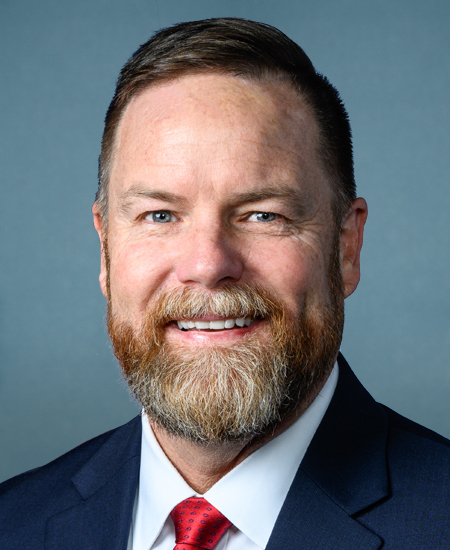
Clay Fuller
87% support rate
Top opponent
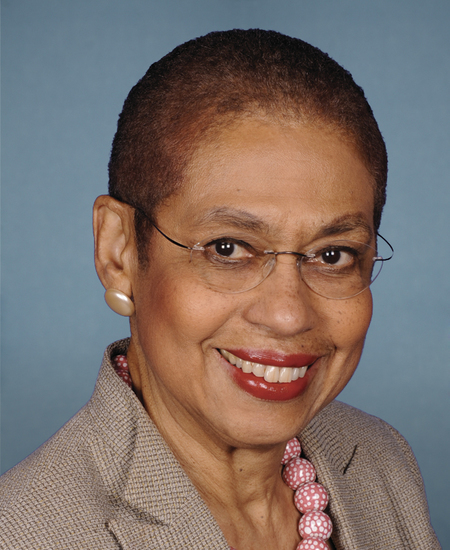
Eleanor Holmes Norton
0% support rate
Ranked legislators
10
5 support · 5 oppose
Key legislators

Who's moving budget & taxes in United States

Legislators moving budget & taxes in United States
Legislator Party Stance Support rate Decisive votes
Clay Fuller
Clay Fuller House · District 14
R
Strong +
87% 46
Tina Smith
Tina Smith Senate
D
Strong +
83% 77
Andrew Ogles
Andrew Ogles House · District 5
R
Strong +
83% 65
Aaron Bean
Aaron Bean House · District 4
R
Strong +
83% 69
Ben Cline
Ben Cline House · District 6
R
Strong +
83% 69
Eleanor Holmes Norton
Eleanor Holmes Norton House · District At-Large
D
Strong −
0% 26
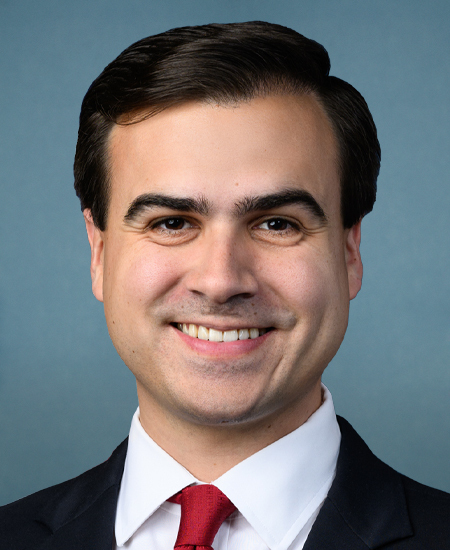
Pablo José Hernández
Pablo José Hernández House · District At-Large
D
Strong −
7% 28
Analilia Mejia
Analilia Mejia House · District 11
D
Strong −
13% 45
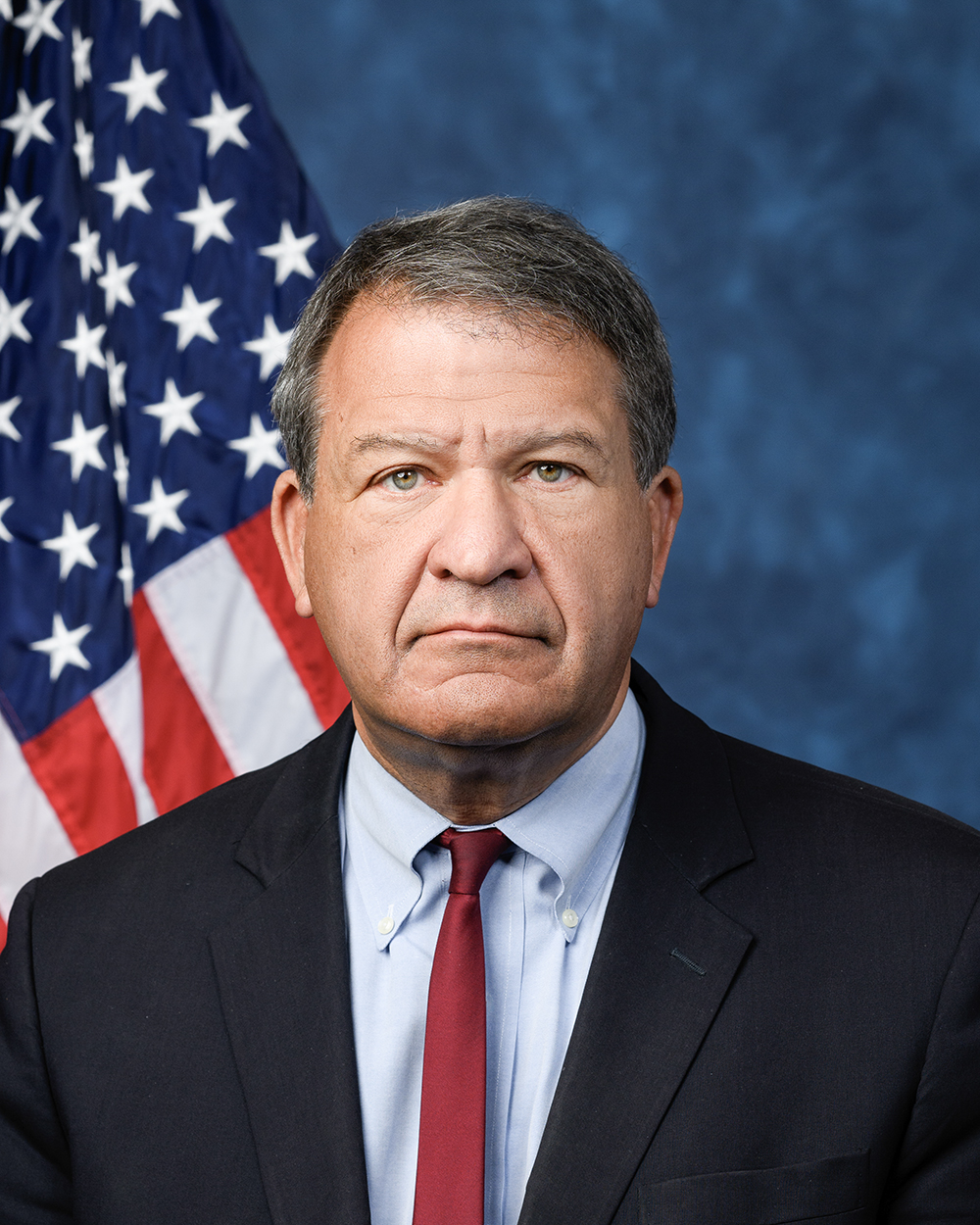
George Latimer
George Latimer House · District 16
D
Strong −
13% 67
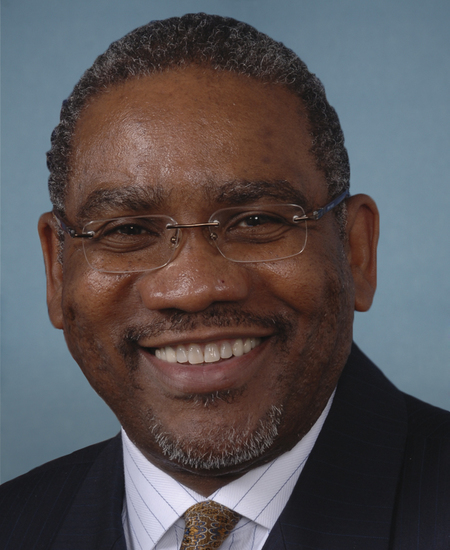
Gregory W. Meeks
Gregory W. Meeks House · District 5
D
Strong −
14% 66
Showing 1,001–1,010 of 2,411 bills

All budget & taxes bills

in committee · United States · House Mar 18, 2025

HR 2233: SLOT Act of 2025

The SLOT Act of 2025 raises the tax reporting threshold for slot machine winnings from $1,200 to $5,000 per play, meaning casinos no longer need to report winnings under this amount to the IRS. It directly affects slot machine players who win less than $5,000 in a single play and casino operators who previously filed tax forms for smaller wins. The threshold will automatically increase annually after 2026 based on inflation, rounded to the nearest $100. The change applies to winnings occurring after December 31, 2025.
in committee · United States · House Mar 11, 2025

HR 2082: WISH Act

The WISH Act would create a federal long-term care insurance program to help seniors cover costs of long-term care services. It would provide monthly benefits to seniors who have a serious disability lasting at least a year, have met coverage requirements (6 quarters of coverage in the base period starting in 2026), and have not exhausted their savings. Benefits would be calculated based on the median cost of personal assistance care and the individual's work history. The program would be funded through an initial $12 million appropriation for each of fiscal years 2026-2028, plus $50 million for public education. This would help seniors avoid exhausting their savings or becoming dependent on Medicaid for long-term care costs.
Sub-Topics Appropriations Long-Term Care Medicaid Tags Seniors
in committee · United States · House Mar 3, 2025

HR 1801: Employer Participation in Repayment Act

This bill permanently removes the expiration date for employer payments toward employee student loans under tax-exempt educational assistance programs. It amends the tax code to eliminate the previous deadline of January 1, 2026, making the tax exclusion for such payments permanent. The change directly affects employers offering student loan repayment benefits as part of their compensation packages, allowing them to continue providing this tax-advantaged benefit without future expiration. The key provision simply extends an existing tax exclusion indefinitely, with no new requirements or funding changes.
in committee · United States · House Feb 27, 2025

HR 1700: Social Security Expansion Act

The Social Security Expansion Act increases Social Security benefits for retirees and disabled workers by raising the first bend point percentage from 90% to 95% and adding an 18% increase for individuals eligible after 2025. It extends benefit eligibility for children who are full-time students until age 22 (from age 19 for most children) and establishes a new minimum benefit based on years worked, with higher percentages for longer work histories (ranging from 11.25% for 11 years to 125% for 30+ years). The bill also changes the cost-of-living adjustment to use the Consumer Price Index for Elderly Consumers and adds new taxes on income above $250,000 and investment gains, increasing the tax rate on investment gains from 3.8% to 16.2%. These changes will primarily affect retirees, disabled workers, children of beneficiaries, and high-income earners.
in committee · United States · House Mar 28, 2025

HR 1565: Voluntary Public Access Improvement Act of 2025

HR 1565, the Voluntary Public Access Improvement Act of 2025, directs $150 million in federal funds (from the Commodity Credit Corporation) to support public access to wetland conservation areas between fiscal years 2025 and 2029. Specifically, $3 million of this funding must be used to create voluntary agreements with states and tribal governments, encouraging public access to lands protected under wetland reserve easements. This bill directly affects landowners with these easements and state/tribal entities managing conservation programs. It provides a concrete funding mechanism to improve public access without mandating access or changing landowner obligations. The focus is on using existing federal resources to facilitate voluntary partnerships for recreation and education on conservation lands.
in committee · United States · House Mar 10, 2025

HR 1990: American Innovation and R&D Competitiveness Act of 2025

HR 1990, the American Innovation and R&D Competitiveness Act of 2025, amends tax rules for businesses to make research and development (R&D) costs more flexible. It allows companies to deduct R&D expenses immediately as business costs (instead of capitalizing them) or to spread these costs over a minimum 60-month period. The bill clarifies which R&D expenses qualify, excludes land improvements and mineral exploration costs, and ensures companies can claim R&D tax credits without conflict with expense treatment. This directly affects businesses that conduct R&D, changing how they account for these costs on tax returns starting for 2022 taxable years.
Sub-Topics Business Taxes
in committee · United States · House Mar 6, 2025

HR 1901: CHIPP Act

HR 1901, the CHIPP Act, makes Children's Health Insurance Program (CHIP) funding permanent for all future fiscal years, removing previous expiration dates that required annual congressional renewal. This directly affects low-income children and families who rely on CHIP coverage and the states that administer these programs. The key mechanism is amending federal law to require "such sums as are necessary" for CHIP funding starting in fiscal year 2029 and beyond. Other provisions adjust funding for related programs like pediatric quality measures and outreach, but the primary change is CHIP’s permanent funding structure.
Sub-Topics Children's Health Insurance Medicaid Tags Children
in committee · United States · House Mar 5, 2025

HR 1882: Saving Gig Economy Taxpayers Act

This bill modifies tax reporting rules for gig economy platforms (like Uber or DoorDash) by reinstating a pre-American Rescue Plan threshold. It requires third-party payment platforms to report income to the IRS only if a gig worker earns over $20,000 in a year or completes more than 200 transactions. This directly affects low-earning gig workers who would no longer receive tax forms for smaller earnings. The change simplifies reporting for platforms and reduces administrative burden on workers with minimal income from these platforms.
Sub-Topics Gig Economy
in committee · United States · House Feb 25, 2025

HR 1582: Volunteer Driver Tax Appreciation Act of 2025

HR 1582, the Volunteer Driver Tax Appreciation Act of 2025, increases the mileage reimbursement rate for volunteers driving for qualifying organizations. It amends IRS Code section 170 to set a minimum rate of 14 cents per mile for volunteer driving, with the Secretary of the Treasury allowed to set a higher rate for transportation of persons or property on behalf of tax-exempt organizations (like charities or religious groups). This directly affects volunteers who drive for these organizations, allowing them to deduct higher mileage costs on their taxes. The change applies to taxable years beginning after December 31, 2024.
in committee · United States · House Feb 24, 2025

HR 1533: PIIA Reform Act

The PIIA Reform Act establishes a new "Overpayment Czar" within the Office of Federal Financial Management to identify, prevent, and mitigate improper payments across federal programs. It requires federal agencies to develop plans reducing improper payments (defined as payments made in error) exceeding $100 million in the first three years of operation for new programs, and mandates states receiving funds for programs like Medicaid, TANF, and food assistance to use specific payment integrity tools. Agencies failing to comply face budget cuts of 5-10% for persistent noncompliance, while states failing to use required tools must repay overpayments to the Treasury. The bill targets payment integrity in high-risk federal programs, focusing on concrete reporting and enforcement mechanisms without advocating for outcomes.
Showing 1,001 to 1,010 of 2,411 bills