Issue · Budget & Taxes

Budget & Taxes (Appropriations)

Every budget & taxes bill, vote, and legislator stance in United States, automatically classified by Maddy, our AI policy reader.

Total bills
134
119th Congress
Top supporter
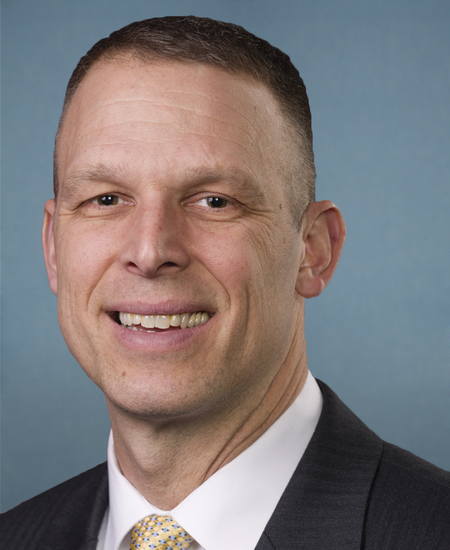
Scott Perry
90% support rate
Top opponent
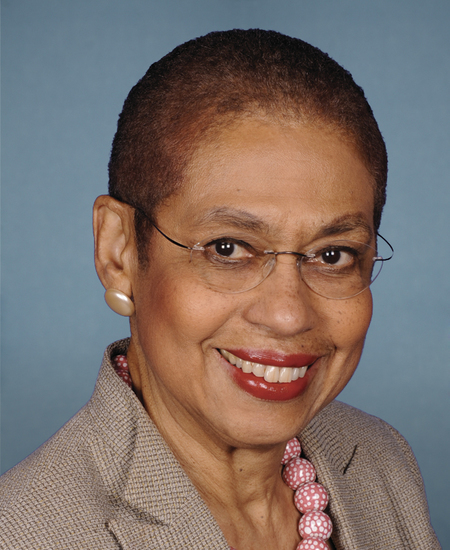
Eleanor Holmes Norton
0% support rate
Ranked legislators
10
5 support · 5 oppose
Key legislators

Who's moving appropriations in United States

Legislators moving appropriations in United States
Legislator Party Stance Support rate Votes
Scott Perry
Scott Perry House · District 10
R
Strong +
90% 40
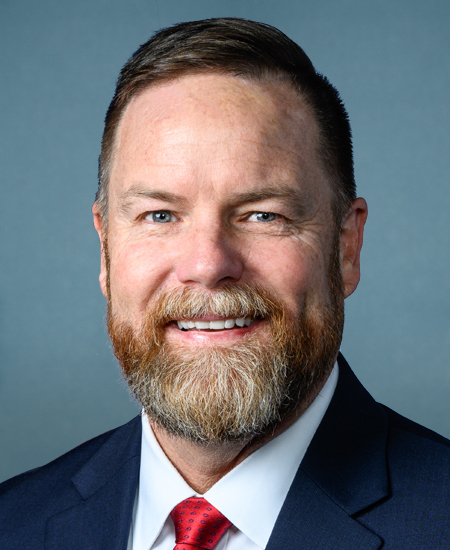
Aaron Bean
Aaron Bean House · District 4
R
Strong +
89% 46
Ben Cline
Ben Cline House · District 6
R
Strong +
89% 46
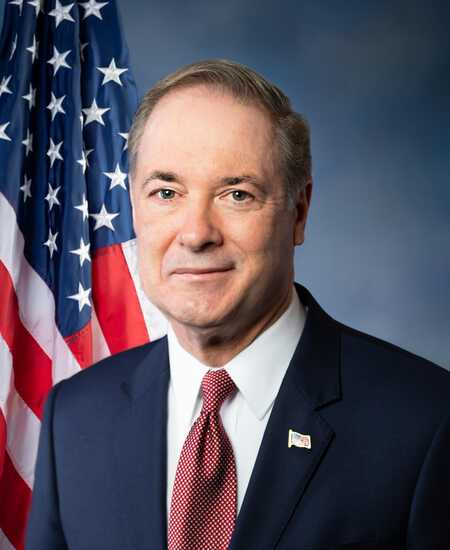
Diana Harshbarger
Diana Harshbarger House · District 1
R
Strong +
89% 46
John Joyce
John Joyce House · District 13
R
Strong +
89% 46
Eleanor Holmes Norton
Eleanor Holmes Norton House · District At-Large
D
Strong −
0% 26
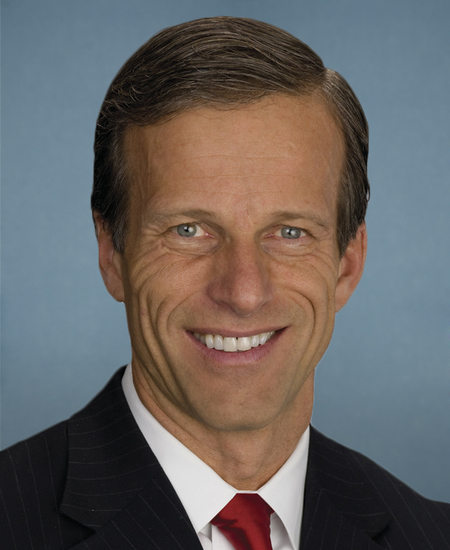
John Thune
John Thune Senate
R
Strong −
0% 10
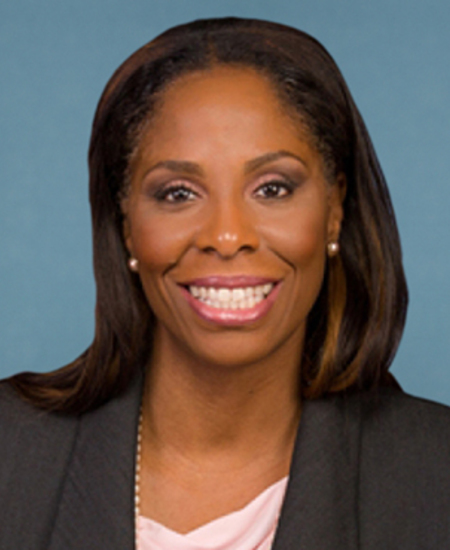
Stacey E. Plaskett
Stacey E. Plaskett House · District At-Large
D
Strong −
0% 4
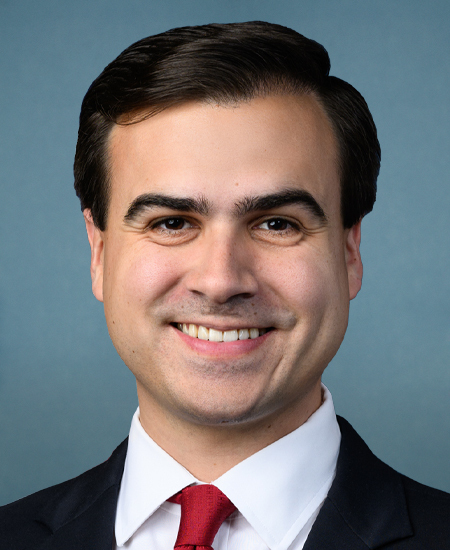
Pablo José Hernández
Pablo José Hernández House · District At-Large
D
Strong −
7% 28
Raja Krishnamoorthi
Raja Krishnamoorthi House · District 8
D
Strong −
9% 45
Showing 91–100 of 134 bills

All budget & taxes bills

in committee · United States · Senate Feb 5, 2025

S 420: Dairy Business Innovation Act of 2025

This bill increases funding for dairy business innovation programs from $20 million to $36 million annually under the existing Agriculture Improvement Act of 2018. It directly affects dairy businesses that apply for grants through the established program to support innovation in production, processing, or marketing. The key mechanism is a simple budget amendment to Section 12513(i), raising the annual appropriation by $16 million without creating new requirements or eligibility rules.
Sub-Topics Appropriations
in committee · United States · Senate Mar 4, 2025

S 300: DLARA

This bill, the Disaster Loan Accountability and Reform Act (DLARA), requires the Small Business Administration (SBA) to improve transparency and oversight of disaster loans. Key provisions include mandating monthly reports on loan funding status (e.g., notifying Congress when unobligated funds drop below 10% of the latest appropriation), requiring detailed budget explanations for disaster loan costs, and prohibiting loan forgiveness without congressional authorization. It also restricts the SBA from issuing rules that increase program costs and mandates reviews by the GAO and SBA Inspector General into recent loan program changes and funding shortfalls. The bill directly affects SBA operations and reporting to Congress, focusing on accountability rather than altering loan eligibility or benefits for borrowers.
Sub-Topics Appropriations
in committee · United States · Senate Jan 14, 2025

S 88: No Budget, No Pay Act

This bill requires Congress to pass the annual budget resolution and all funding bills by October 1 each year. If Congress misses this deadline, members of Congress (excluding the Vice President) would not receive salary for the period of non-compliance, and this pay would not be retroactively issued. The Budget Chairs of each chamber would determine compliance and certify pay withholding. The law takes effect on September 29, 2027.
in committee · United States · Senate Mar 26, 2025

S 1160: LEDGER Act

The LEDGER Act (S 1160) requires the Treasury Department to create a system tracking every federal government disbursement within 180 days of enactment. It mandates that all departments, agencies, and offices across the executive, legislative, and judicial branches report spending details, including the availability period of each funding source. This affects all federal entities that receive or spend government funds by requiring granular tracking of where money comes from and how it’s used. The law aims to improve transparency in federal spending by making expenditure data systematically accessible.
in committee · United States · House Nov 7, 2025

HR 5950: Keep SNAP and WIC Funded Act of 2025

This bill ensures continuous funding for SNAP (food assistance) and WIC (nutrition program for mothers/children) during government funding gaps. It authorizes emergency Treasury funds to cover SNAP/WIC benefits and reimburse states for costs if Congress fails to pass regular appropriations for the Department of Agriculture by September 30, 2025. The funding covers missed payments retroactively from September 30, 2025, through the bill’s enactment date, and continues until either regular appropriations pass or September 30, 2026. It directly affects low-income households relying on these programs and state agencies administering them during funding lapses.
Sub-Topics Appropriations
died · United States · Senate Oct 9, 2025

S 2882: Continuing Appropriations and Extensions and Other Matters Act, 2026

This bill provides continuing appropriations for federal government operations through October 31, 2025, ensuring that agencies can maintain essential services without interruption. It authorizes funding for departments including Defense, Health and Human Services, Veterans Affairs, and Transportation, while extending specific programs like community health centers, Medicare services, and veterans' benefits. Key provisions include maintaining funding levels for existing programs, extending deadlines for various health and human services initiatives through October 2025, and providing specific amounts for programs like the WIC food assistance program. The bill also includes numerous extensions for programs that would otherwise expire, such as the National Health Service Corps and certain Medicare payment adjustments. This continuing resolution prevents government shutdowns by providing temporary funding until a full fiscal year 2026 appropriations bill can be enacted.
in committee · United States · Senate Jul 10, 2025

S 2257: Legislative Branch Appropriations Act, 2026

This bill provides funding for the U.S. Legislative Branch for fiscal year 2026, appropriating over $3 billion in total to support operations across Congress. It allocates specific amounts for Senate leadership offices, committee operations, Capitol Police, Library of Congress, Government Accountability Office, and other legislative branch entities. The bill includes provisions on how funds may be used, such as prohibiting purchases of telecommunications equipment from Huawei or ZTE, requiring plastic waste reduction in food services, and restricting cost-of-living adjustments for Members of Congress. It also establishes specific spending limits and availability periods for different funding categories. This legislation is primarily a funding measure that ensures the continued operation of Congress and its supporting agencies for the 2026 fiscal year.
in committee · United States · House Jan 3, 2025

HJRES 11: .Proposing a balanced budget amendment to the Constitution requiring that each agency and department's funding is justified.

HJRES 11 proposes a constitutional amendment requiring the federal government to maintain a balanced budget by ensuring annual spending does not exceed revenue, with specific spending limits tied to gross domestic product (GDP). It mandates that every federal agency and department must justify each line item in its budget request, including how funding supports its mission and its impact on GDP, and provide a reduced funding alternative for critical functions. The amendment includes exceptions for declared wars, military conflicts, or major natural disasters, requiring a two-thirds congressional vote for waivers. This would directly affect all federal agencies by imposing new budget justification requirements and spending caps, though it remains a proposed amendment awaiting state ratification.
in committee · United States · Senate Jul 21, 2026

S 3524: American Battlefield Protection Program Amendments Act of 2025

This bill reauthorizes and modifies the American Battlefield Protection Program through 2035, extending funding deadlines and increasing grant percentages for battlefield preservation. It raises the maximum federal share for battlefield acquisition, interpretation, and restoration grants from 50% to 75% and sets a $2 million annual appropriation for these programs. The bill also mandates new studies to identify, assess, and propose preservation options for sites tied to the French and Indian War (1754-1763) and Mexican-American War (1846-1848), requiring consultation with states, tribes, and preservation groups. The studies must be completed within two years and reported to Congress, focusing on site significance, threats, and potential preservation strategies.
Sub-Topics Appropriations
in committee · United States · House May 15, 2025

HR 3454: Protecting Our Constitution and Communities Act

This bill clarifies that the President has no constitutional authority to withhold funds Congress has appropriated. It creates new legal mechanisms allowing private citizens and state/local governments to sue the federal government for impoundments of appropriated funds. The bill strengthens the Comptroller General's oversight role by requiring executive branch cooperation in investigations of potential violations. Federal employees who knowingly violate these provisions would face personal liability and lose immunity protections. The legislation aims to reinforce Congress's constitutional authority over the budget process.
Showing 91 to 100 of 134 bills
Previous 1 9 10 11 14 Next