

Maddy summaryThe Farmers and Ranchers Relief Act of 2026 aims to simplify the permitting process for landowners by changing how federal rules regarding the discharge of dredged or fill material are interpreted. Specifically, the bill directs regulators to broadly allow discharges that do not harm fish or wildlife while strictly limiting the ability to revoke permits later. By amending the Clean Water Act, the legislation seeks to reduce the number of required permits for agricultural and ranching activities involving earth-moving or water management. These changes are intended to provide more flexibility for farmers and ranchers without altering the underlying environmental protections of the law.
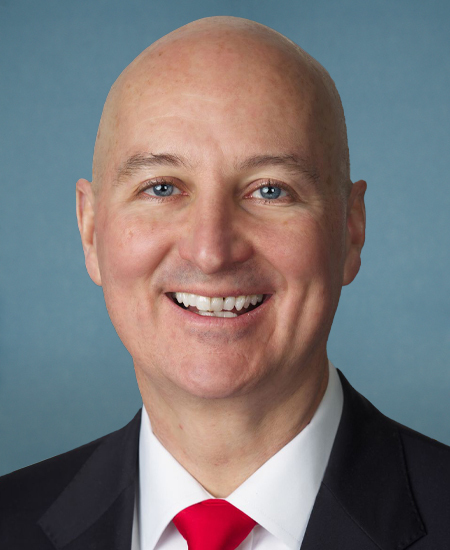
Sen. Pete Ricketts
Sponsored bills
Maddy summaryLulu’s Law (S 1003) requires the Federal Communications Commission (FCC) to issue a rule within 180 days of enactment allowing wireless emergency alerts for shark attacks. This change would add shark attacks to the list of events covered by the existing wireless alert system, which currently includes threats like severe weather and Amber Alerts. The bill directly affects coastal communities, beachgoers, and local emergency management agencies in areas with shark activity. The policy is a technical update to the alert system's scope, not a new program or mandate for sending alerts.
Maddy summaryThis Senate resolution commemorates the fourth anniversary of the 2022 Supreme Court decision in Dobbs v. Jackson Women's Health Organization, which overturned the previous federal right to abortion. The document expresses the Senate's support for state authority to regulate abortion and acknowledges the work of pregnancy centers that assist expectant mothers. It formally declares the Senate's commitment to protecting unborn life and supporting families, while noting the ongoing policy challenges related to abortion access. As a symbolic measure, the bill does not create new laws or alter existing regulations but serves to record the Senate's stance on the issue.
Maddy summaryThe Artemis II Congressional Gold Medal Act authorizes the presentation of gold medals to the four crew members of the Artemis II Mission to recognize their historic contributions to space exploration. This legislation directs the U.S. Treasury to strike these medals, which must depict the mission's crew, and allows the mint to sell duplicate bronze versions to cover production costs. The bill highlights the mission's significance as the first crewed flight beyond low Earth orbit since 1972 and notes the diverse achievements of the astronauts, including the first woman and first person of color to travel around the Moon. By designating these awards as national medals, the act formally honors the crew's role in advancing human spaceflight capabilities.
Maddy summaryThis bill restricts how nonmilitary foreign assistance funds can be used by prohibiting organizations from supporting abortion, gender ideology, or discriminatory equity ideology outside the United States. It requires recipients of these funds to agree not to provide or promote these specific activities, mandates that U.S. organizations keep their foreign aid programs physically and financially separate from such work, and allows the Secretary of State to require foreign governments to place funds in segregated accounts to prevent misuse. The legislation defines prohibited concepts narrowly, such as defining sex strictly by biological classification and limiting exceptions for abortion to cases where a woman's life is in immediate danger. While the rules apply to foreign and international organizations receiving U.S. aid, U.S.-based nonprofits are exempt from the ban on providing these services domestically but must still ensure their foreign-funded projects do not engage in them.
Maddy summaryThe Bank-Fintech Partnership Enhancement Act directs federal banking regulators to study how collaborations between traditional banks and financial technology companies affect the industry. This research will examine impacts on competition, innovation, consumer safety, and the speed at which new financial products reach the market. The bill requires the Federal Reserve, the Office of the Comptroller of the Currency, and the FDIC to complete a report on banks within one year, while the National Credit Union Administration must do the same for credit unions. Ultimately, the legislation aims to identify potential legal or regulatory changes that could encourage more effective partnerships between these financial sectors.
Maddy summaryThe SNAP Staffing Flexibility Act of 2026 allows state agencies managing the Supplemental Nutrition Assistance Program to hire external contractors to help process applications when they face surges in demand or staffing shortages. These contractors can be used during specific situations such as health emergencies, seasonal workforce cycles, or natural disasters, provided they do not replace existing state employees or have financial ties to food retailers. The bill includes safeguards to prevent delays in benefit approvals and requires state agencies to notify the Department of Agriculture about their hiring decisions and submit annual reports on their efforts to handle increased application volumes.
Maddy summaryThe CHIP IN for Veterans Act of 2026 permanently extends a program allowing the Department of Veterans Affairs to accept donated facilities and improvements for its buildings. This legislation also authorizes the department to accept donations for construction services, minor construction projects, and nonrecurring maintenance work related to existing or new facilities. To qualify, donations must align with identified capital needs and come from eligible entities, while donors must sign formal agreements that ensure compliance with laws and codes without increasing federal project costs. The bill streamlines requirements for these contributions by simplifying agreements for services and targeted contributions that do not involve transferring real property ownership. Additionally, the department will separately track these donations in its annual reports to maintain transparency.
Maddy summaryThe Foreign-Trade Zone Export Enhancement Act of 2026 aims to support U.S. manufacturing and job creation by allowing specific goods to enter foreign-trade zones without paying import duties. This change applies to items classified under a specific tariff heading that are manufactured or altered within these zones and then exported directly to countries in the USMCA trade agreement. To put this into effect, U.S. Customs and Border Protection must issue new regulations within 90 days of the bill becoming law.
Maddy summaryThe Stopping Harmful and Outrageous Torts Act expands legal protections for firearm manufacturers and sellers by immediately dismissing any lawsuits currently pending against them that allege harm caused by the criminal or unlawful misuse of their products. The bill defines these protected cases as those where the injury resulted from a third party's illegal actions rather than a defect in the product itself, while explicitly excluding claims involving negligent entrustment, specific federal violations, or design defects. To enforce these protections, the law allows defendants to remove such cases from state courts to federal court and grants them the right to appeal dismissal orders immediately. Additionally, the legislation preempts state and local laws that attempt to hold these companies liable for product misuse and provides for attorney's fees for defendants who successfully assert their immunity.