

Newborn Screening Saves Lives Reauthorization Act of 2021 This bill reauthorizes through FY2026 and revises several programs and activities relating to newborn screening for certain conditions and genetic, endocrine, and metabolic diseases. Among its changes, the bill reauthorizes and makes mandatory the Hunter Kelly Research Program at the National Institutes of Health, and national surveillance activities conducted by the Centers for Disease Control and Prevention. The bill also aligns statutory requirements for research on non-identified newborn blood spots with federal regulations governing research on human subjects. These blood spots are collected as part of newborn screening programs, and some states make them available for biomedical and public health research. Under current regulations, research on non-identified bio-specimens such as blood spots is not considered to be research on human subjects, to which additional protections apply.
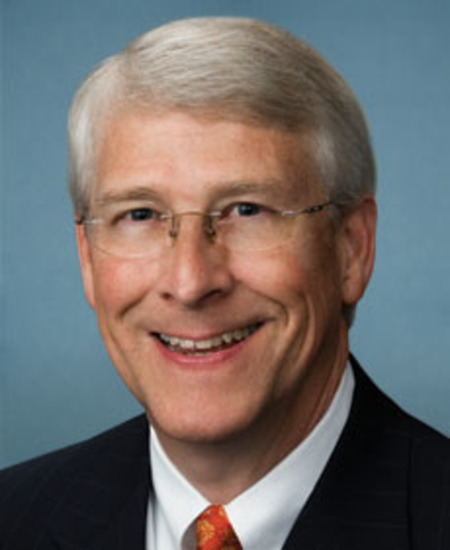
Sen. Roger F. Wicker
Sponsored bills
Democracy Dies in Darkness Act This bill requires foreign agents to prominently disclose their foreign principal as the source of any paid inserts placed by them in certain U.S.-based publications (e.g., magazines, journals, and news publications). The bill also establishes requirements to make a foreign agent's disclosure of a foreign principal's involvement in certain informational materials more prominent.
State Veterans Homes Relief Act of 2021 This bill appropriates $500 million to the Department of Veterans Affairs (VA) to fund projects on the grant program priority list for construction of state homes that are approved by the VA prior to the enactment of this bill. A state home is a home established by a state for veterans who are disabled by age, disease, or otherwise and incapable of earning a living because of such disability. The term also includes a home that furnishes nursing home care for veterans.
PPP Access for Rural Hospitals Act This bill includes within the Paycheck Protection Program, established to support small businesses in response to COVID-19 (i.e., coronavirus disease 2019), certain rural hospitals or hospitals serving low-income patients that are designated as critical care hospitals.
Smarter Pretrial Detention for Drug Charges Act of 2021 This bill removes the presumption of pretrial detention for an individual who is charged with a federal drug offense for which the maximum term of imprisonment is 10 years or more.
This resolution recognizes Black History Month as an opportunity to reflect on U.S. history and to commemorate the contributions of African Americans. It calls for the United States to (1) honor the contribution of pioneers who helped to ensure its legacy; and (2) move forward as a nation "indivisible, with liberty and justice for all."
Dignity for Aborted Children Act This bill sets out requirements for the disposition of human fetal tissue from an abortion. Specifically, it requires abortion providers to obtain a patient's informed consent for one of two specified methods of disposition. First, patients may choose to retain possession of the tissue. A patient may choose to transfer the tissue to an entity that provides interment or cremation services. Second, the patient may elect to release the tissue to the provider. Providers must ensure any tissue released to them is interred or cremated within seven days of the procedure in a manner consistent with state law regarding the disposal of human remains. Abortion providers must report annually about these requirements and other specified information. The bill provides civil or criminal penalties for violations of disposal, informed consent, and reporting requirements.
Protection of Women and Girls in Sports Act of 2021 This bill makes it a violation of federal law for a recipient of federal funds who operates, sponsors, or facilitates athletic programs or activities to permit a person whose sex is male to participate in an athletic program or activity that is designated for women or girls. The bill specifies that sex shall be recognized based solely on a person's reproductive biology and genetics at birth.
Working Families Flexibility Act of 2021 This bill revises requirements for the receipt of compensatory time off for private sector employees. Specifically, the bill authorizes private employers to provide compensatory time off to their employees at a rate of one and one-half hours for each hour of employment for which overtime compensation otherwise is required; employees may accrue a maximum of 160 hours of compensatory time. Employers are prohibited from interfering with an employee's right to or not request compensatory time off in lieu of payment of overtime compensation or from requiring an employee to use such compensatory time, and must give their employees 30-days notice before discontinuing a compensatory time policy. Employers are liable to employees for damages from violations of these requirements.
Assuring that Robust, Thorough, and Informed Congressional Leadership is Exercised Over National Emergencies Act or the ARTICLE ONE Act This bill terminates a declaration of national emergency made by the President after 30 days unless Congress votes to extend the declaration. (Currently, Congress can cancel an emergency declaration only by passing a resolution that can withstand a presidential veto.) The bill establishes procedures for congressional review of declarations of national emergencies. The President shall (1) transmit specified information to Congress with any proclamation declaring or renewing a national emergency, including a description of the circumstances necessitating the declaration or renewal of a national emergency declaration and its estimated duration; and (2) report periodically on the status of the emergency.