

Maddy summaryHRES 866 is a non-binding House resolution condemning the systematic persecution of Christians in Nigeria by groups like Boko Haram and Fulani militants, and criticizing Nigeria's government for failing to protect Christian communities or acknowledge the violence. It calls on the U.S. government to support President Trump in using diplomatic, economic, and security tools to pressure Nigeria to end impunity for attacks, protect Christians, return displaced persons, and repeal blasphemy laws. The resolution specifically demands action against religiously motivated violence, including the release of those imprisoned for their faith, and urges coordination with international partners for humanitarian aid. It does not create new laws but expresses congressional support for U.S. policy actions targeting Nigeria's religious freedom violations.
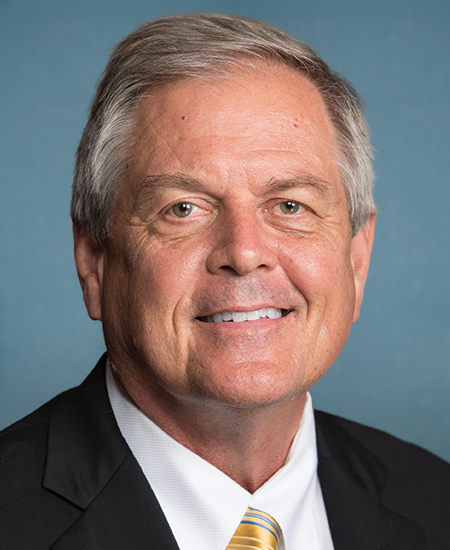
Rep. Ralph Norman
Sponsored bills
Maddy summaryThis bill ensures that critical firearm-related government operations continue during federal shutdowns. It designates background checks (via the FBI's National Instant Criminal Background Check System), Bureau of Alcohol, Tobacco, Firearms and Explosives enforcement, and firearm export licensing (handled by Commerce and State Departments) as essential services that must remain operational. These functions would be treated as "excepted" under federal law, meaning their employees would continue working even if other government services halt. The bill affects how background checks and firearm export licenses are processed during shutdowns but does not change gun ownership laws or eligibility.
Maddy summaryThis resolution proposes impeaching Judge Deborah Boardman of the U.S. District Court for the District of Maryland, alleging she violated judicial standards by sentencing Nicholas John Roske - a man who attempted to assassinate Supreme Court Justice Brett Kavanaugh - to eight years (instead of the 30-year recommendation) - based on Roske’s transgender identity. The resolution claims Judge Boardman’s decision, which cited Roske as a "transgender woman" in sentencing, undermined the law and impartiality required of federal judges. It argues this conduct constitutes "high crimes and misdemeanors" by violating the constitutional standard for judicial "good behavior." The resolution is now referred to the House Judiciary Committee for further review.
Maddy summaryThis bill would deny visas and immigration benefits to individuals who adhere to Sharia law, directly affecting immigrants and visa applicants. It allows officials to revoke existing immigration benefits, deport people found adhering to Sharia, and penalize false statements about Sharia adherence. Decisions under this law would be final and unreviewable by courts. The policy changes immigration eligibility based solely on adherence to Sharia law, with no judicial oversight.
Maddy summaryThis bill amends the National Instant Criminal Background Check System (NICS) process to strengthen due process for individuals denied firearm purchases. It requires courts to hold hearings on challenges within 30 days, places the burden on the government to prove ineligibility by "clear and convincing evidence," and mandates courts to award attorney fees to successful challengers. The bill also requires the FBI to submit annual reports to Congress detailing NICS challenge volumes, reversal rates, and processing times. These provisions directly affect people wrongly flagged in the NICS database who seek to correct their records. The law focuses on procedural fairness, not altering firearm eligibility criteria.
Maddy summaryThis bill would require all states to recognize valid concealed carry permits issued by other states, allowing permit holders to carry concealed handguns (excluding machine guns) in any state that either issues such permits or doesn't prohibit concealed carry. It directly affects law-abiding gun owners with valid permits from their home state, ensuring they can carry in states with similar permit systems or no prohibitions. Key provisions include treating valid permit documents as proof of legal carry (reducing officer stops), shifting the burden of proof to prosecutors if challenged, and allowing civil lawsuits for violations with attorney's fee awards. The bill does not override state laws restricting firearms on private property or government land, nor does it affect federal gun restrictions like those in section 922(q).
Maddy summaryH.J.Res. 128 proposes a constitutional amendment to withhold salaries from members of Congress during government shutdowns. A government shutdown is defined as a period when federal agencies lack funding due to Congress failing to pass an appropriations bill or continuing resolution. The amendment would require Congress to pass implementing legislation to enforce this pay suspension. This policy would directly affect all current House and Senate members by stopping their regular salaries during any shutdown period.
Maddy summaryThis bill withholds federal grant funding from states or local governments that implement specific policies. It prohibits funding for jurisdictions with laws that substantially limit cash bail for certain serious crimes (like violent offenses or public disorder) or allow felony convicts to be released without bail. It also blocks funding for cities classified as "urbanized areas" that reduced police budgets (unless due to a general budget shortfall). The policy directly affects local governments and states that adopt these specific approaches to criminal justice or law enforcement funding. The bill modifies two existing federal grant programs to enforce these eligibility rules.
Maddy summaryHR 5596, the FARMS Act, freezes the current wage rate for H-2B visa workers for two years after enactment. It directly affects H-2B nonimmigrant workers and their employers by preventing increases to the required wage rate during this period. The bill allows the Secretary of Labor to retain the existing wage rate if they determine a valid calculation method for the new rate is unavailable. This provides temporary stability to employers hiring H-2B workers without requiring immediate changes to wage payments.
Maddy summaryH.J.Res. 127 proposes a constitutional amendment to establish parental rights regarding children's upbringing, education, and care as a fundamental right. It would guarantee parents the right to choose private, religious, or home schooling instead of public school, or make reasonable choices within public schools for their children. The amendment would require the government to demonstrate a "highest order" interest to limit these rights, and explicitly prohibits denying these rights based on disability. This proposal, if ratified by 38 states, would amend the U.S. Constitution but is not yet law.