

Maddy summaryHCONRES 49 is a non-binding resolution expressing Congress's view that future U.S. trade agreements should include provisions for reasonable access and collaboration with partner nations to aid in locating and recovering U.S. military personnel still missing from past conflicts. It directly affects countries negotiating new trade deals with the U.S., requiring them to facilitate search and recovery efforts for service members unaccounted for since wars like Vietnam, WWII, and the Korean War. The key mechanism is mandating that trade agreements incorporate these recovery access provisions as a standard requirement. This resolution does not create new legal obligations but urges future trade negotiations to prioritize this humanitarian effort.
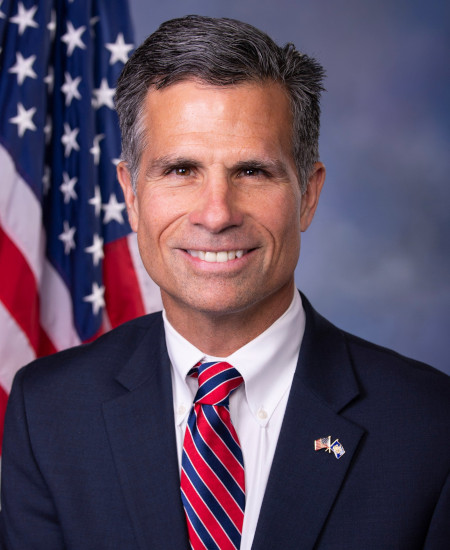
Rep. Daniel Meuser
Sponsored bills
Maddy summaryHRES 719 is a House resolution honoring Charles "Charlie" James Kirk, the founder of Turning Point USA who was assassinated on September 10, 2025. The resolution condemns his assassination and all political violence, extends condolences to his family, and calls on Americans to reject violence while promoting civil discourse. It specifically recognizes Kirk's legacy as a defender of constitutional principles and his role in inspiring youth through free speech and faith-based civic engagement. As a commemorative resolution, it does not enact policy changes but formally expresses the House's stance on honoring his life and legacy.
Maddy summaryHR 5520, the Portal for Appraisal Licensing Act of 2025, creates a central online portal for appraisers and appraisal management companies (AMCs) to submit and renew licenses, certifications, and registrations. The portal will connect state licensing agencies, handle background checks through the FBI, process fees, and store education records, while allowing states to maintain final authority over licensing decisions. It requires appraisers and AMCs to use the portal for applications, background checks, and payments, with states retaining control over their own licensing standards. The bill also establishes an advisory committee and allows user fees to cover portal costs, ensuring no additional burden on states.
Maddy summaryThis bill creates a pathway to permanent residency for certain college graduates who entered the U.S. as children under specific nonimmigrant visa categories (excluding H-1B, L-1, etc.). To qualify, applicants must have been lawfully present for 10 years total (including 8 years as a dependent child), graduated from a U.S. college, and not be inadmissible. It also changes how "child status" is determined for immigration purposes - using specific dates instead of age to prevent "age-outs" for dependents of long-term visa holders - and preserves priority dates for family members. These changes apply to individuals who entered the U.S. before age 21 and maintained lawful status under qualifying visas.
Maddy summaryThis bill reauthorizes federal funding for diabetes programs targeting Type 1 diabetes. It extends annual funding of $160 million for fiscal years 2026 through 2030, continuing existing support for research, treatment, and prevention initiatives. The funds remain available until expended, directly supporting programs serving people with Type 1 diabetes and the organizations delivering these services. The bill makes no changes to program eligibility or structure, only extending current funding levels.
Maddy summaryThis bill ensures Medicare coverage for new medical devices designated as "breakthrough devices" during a 4-year period after FDA approval. To qualify, devices must meet specific criteria, including FDA priority review, clinical data from Medicare beneficiaries, and a safety review showing benefits outweigh risks. Medicare must finalize coverage decisions within 6 months of manufacturer applications and before the 4-year period ends. The law appropriates $10 million annually (2025-2030) for Medicare to administer this process.
Maddy summaryHR 5401, the Pay Our Troops Act of 2026, ensures military personnel, civilian Defense workers, and supporting contractors receive pay during government funding gaps in fiscal year 2026. It appropriates emergency funds for active-duty service members, reserves, and their supporting personnel (including Coast Guard staff under DHS) if regular appropriations aren't enacted by the end of the fiscal year. The bill provides necessary pay and allowances during any period when full-year funding is unavailable, covering both active service and support roles. Funding expires when regular appropriations are passed, a funding resolution is enacted, or January 1, 2027, whichever comes first. This is a procedural measure to prevent pay delays for military and support staff during fiscal year 2026 funding lapses.
Maddy summaryHR 5100 extends the Small Business Innovation Research (SBIR) and Small Business Technology Transfer (STTR) programs through fiscal year 2026, instead of ending on September 30, 2025. This bill directly affects small businesses and research institutions that rely on federal funding for research and development through these programs. The key mechanism is updating expiration dates across multiple program provisions in the Small Business Act to maintain funding authority and program operations for one additional year. The extension does not alter program eligibility, funding levels, or core requirements.
Maddy summaryThis bill requires pension plan administrators to locate and notify beneficiaries of unclaimed retirement funds ($50 or more) before transferring them to state unclaimed property programs. Administrators must first attempt to update contact information through databases and send a clear notice explaining the transfer process, unless no updated contact can be found. It establishes a national clearinghouse for states to manage these transfers and mandates regular reports to the Labor Secretary about unclaimed funds, including beneficiary details. The law protects administrators from liability if they follow these procedures, ensuring forgotten retirement savings can be recovered by rightful owners through state programs.
Maddy summaryHRES 695 is a commemorative resolution honoring Charlie Kirk, a conservative speaker and Turning Point USA leader, following his assassination on September 10, 2025, in Orem, Utah. The resolution condemns the attack, offers condolences to his family, and recognizes first responders. It reaffirms the First Amendment right to peaceful assembly and emphasizes that violence cannot silence democratic participation. This non-binding resolution does not create new laws or policies but serves as a symbolic tribute to Kirk's memory and the principles of democratic engagement.