Violence Against Women Extension Act of 2021 This bill reauthorizes for FY2022 various programs and activities authorized by the Violence Against Women Act of 1994 and subsequent legislation and administered by the Office on Violence Against Women within the Department of Justice.
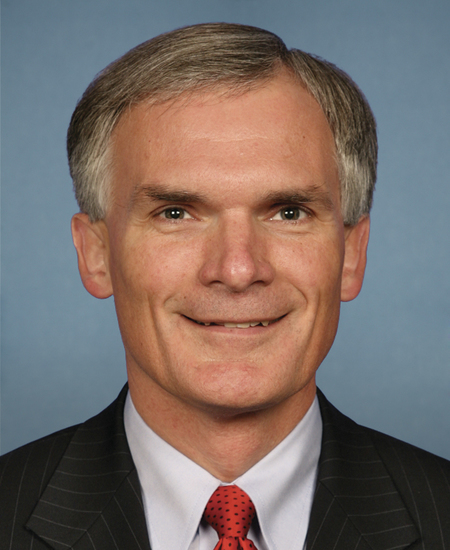
Rep. Robert E. Latta
Sponsored bills
Lawful Interstate Transportation of Firearms Act This bill revises criminal provisions related to the interstate transportation of firearms and ammunition. An individual may transport a firearm between two places (e.g., states) where it is legal to possess, carry, or transport the firearm. During transport, the firearm must be unloaded and secured or securely stored. Additionally, an individual may transport ammunition, or a detachable magazine or feeding device, between two places where it is legal to possess, carry, or transport the ammunition, magazine, or feeding device. During transport, the ammunition, magazine, or feeding device must not be loaded into a firearm and must be securely stored. The term transport includes staying in temporary lodging; stopping for food, fuel, vehicle maintenance, an emergency, or medical treatment; or any other activity incidental to the transport. The bill prohibits the arrest or detention of an individual for a state or local firearm or ammunition violation unless there is probable cause to believe the individual failed to comply with the provisions of this bill, and there is probable cause to believe the individual committed another crime.

Stop Forced Organ Harvesting Act of 2021 This bill establishes specified measures to combat forced organ harvesting and the international trafficking in persons for the purpose of removing their organs. These measures include (1) establishing property-blocking and visa-blocking sanctions, (2) prohibiting exports of certain surgery devices to entities that are identified as being responsible for forced organ harvesting or related human trafficking, and (3) requiring the Department of State to report on these practices.
Combatting COVID Unemployment Fraud Act of 2021 This bill requires additional documentation for individuals seeking pandemic unemployment assistance, requires state unemployment agencies to use designated fraud prevention tools, and otherwise addresses pandemic-related unemployment benefits.
This bill eliminates federal pandemic unemployment compensation on May 31, 2021. Under current law, this supplementary compensation is available to claimants in participating states until September 6, 2021.
This resolution designates National Pregnancy Center Week.
Combatting Racist Training in the Military Act of 2021 This bill prohibits the Armed Forces and academic institutions of the Department of Defense from promoting specified anti-American and racist theories (e.g., that any race is inherently superior or inferior to any other race). Specifically, the bill prohibits including anti-American and racist theories or materials in curricula, reading lists, seminars, workshops, trainings, or other educational or professional settings in a manner that could appear as sponsorship, approval, or endorsement; contracting with, hiring, or otherwise engaging speakers, consultants, diversity trainers, and other persons for the purpose of advocating anti-American and racist theories; compelling members of the Armed Forces to affirm or profess belief in anti-American and racist theories; and segregating members of the Armed Forces by race in any setting, including educational and training sessions.
Get Americans Back To Work Act This bill makes an individual ineligible for federal pandemic unemployment compensation (FPUC) after June 30, 2021. It also reduces the amount of FPUC to $150.00 for weeks of unemployment ending after May 31, 2021, and ending on or before June 30, 2021. Under current law, an individual is eligible for FPUC for weeks of employment ending on or before September 6, 2021 in the amount of $300.
No Taxpayer Funding for the U.N. Population Fund This bill prohibits the use of funds to provide contributions directly or indirectly to the United Nations Population Fund (UNFPA). The UNFPA is a United Nations agency that supports access to sexual and reproductive health services, including voluntary family planning, maternal health care, and sexuality education.
Informed Consent Act This bill establishes new federal criminal offenses related to the performance of abortions and sterilization procedures. First, the bill prohibits knowingly performing an abortion or sterilization procedure without obtaining informed consent. It provides exceptions, including for an abortion or sterilization procedure that is necessary to save a mother whose life is endangered by a physical (but not psychological or emotional) disorder, illness, or condition. An individual who performs a prohibited abortion or sterilization procedure is subject to criminal penalties—a fine, a prison term of up to 10 years, or both. Second, the bill requires federal employees and contractors, as well as employees and contractors of certain federally funded entities, who know about a prohibited abortion or sterilization procedure to report it as soon as possible. An individual who knows about a prohibited abortion or sterilization procedure but fails to report it is subject to a fine, a prison term of up to three years, or both.