

Maddy summaryHR 7391, the Community Health Center Drug Pricing Protection Act, requires that Federally Qualified Health Centers (FQHCs) pay the discounted 340B ceiling price for covered drugs **at the time of purchase**, not later through rebates or adjustments. This directly affects FQHCs, which rely on 340B discounts to provide affordable care to low-income patients. The bill amends the Public Health Service Act to prohibit manufacturers from entering agreements where FQHCs initially pay more than the ceiling price, with later reimbursement. It takes effect immediately upon enactment for all new drug purchases and applies to existing agreements starting then.
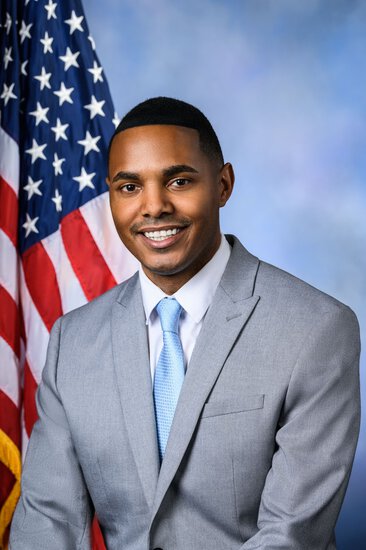
Rep. Ritchie Torres
Sponsored bills
This bill designates the facility of the United States Postal Service located at 15422 NY 104 in Martville, New York, as the "Sergeant Staret J. Engleston Memorial Post Office Building".
Maddy summaryHR 7347, the *Stop Inhumane Conditions in ICE Detention Act of 2026*, requires all facilities detaining noncitizens under U.S. immigration law - including contracted facilities - to implement real-time health reporting systems for medical, dental, and mental health conditions. It mandates anonymous, multilingual complaint systems for detainees with anti-retaliation protections, annual DHS audits of health conditions (including gender-specific care), and full-time health liaisons at each facility. The bill triggers contract reviews for facilities with three verified health complaints and requires quarterly public reports on conditions and complaints to Congress. These provisions directly affect ICE detention facilities, detainees, and DHS oversight processes, focusing on transparency and accountability in health care.
Maddy summaryHR 7345 directs the Congressional Budget Office (CBO) to study the long-term economic effects of immigration policies implemented beginning January 20, 2025. The CBO must assess impacts across specific sectors (like healthcare, agriculture, STEM fields), public safety concerns, demographic shifts, small business effects, and tax revenue at federal, state, and local levels. Federal agencies - including Homeland Security, the Bureau of Labor Statistics, and the IRS - must provide requested data to support this study. The report must be completed within 180 days of the bill’s enactment or by the end of the current congressional session, whichever comes first. This is a procedural study bill, not a policy change.
Maddy summaryHR 7346, the Drain ICE Act of 2026, repeals specific funding provisions (sections 90003 and 100052) from the "One Big Beautiful Bill Act" and cancels all unspent funds allocated under those sections. This bill directly affects ICE’s detention budget by removing existing financial authority for detention operations. It does not change immigration enforcement practices or directly impact individuals; it solely modifies budgetary allocations. The bill focuses on eliminating funding mechanisms, not on policy changes for migrants or enforcement. (Procedural bill; summary limited to 2 sentences as specified.)
Maddy summaryHR 7335 establishes comprehensive humanitarian standards for individuals held in U.S. Immigration and Customs Enforcement (ICE) and U.S. Customs and Border Protection (CBP) custody. The bill requires facilities to provide immediate health screenings within 12 hours (6 hours for high-risk individuals like children, pregnant people, or those with medical conditions), ensure access to adequate water, sanitation, food (with 2,000+ calories daily for adults), and age-appropriate shelter. It mandates specific facility standards including separate housing for males and females, accessible accommodations for people with disabilities, daily outdoor access for those detained over 48 hours, and proper medical equipment and personnel on-site. The bill also requires regular inspections, staff training on humanitarian protocols, and public reporting of sexual abuse complaints. These standards directly affect all individuals detained by ICE or CBP, with special protections for vulnerable groups like children, pregnant people, and those with medical needs.
Maddy summaryHR 5658, the Child Care for Every Community Act, establishes a federal framework to create universal, high-quality child care and early learning programs available to all young children not yet required to attend school. The bill requires that covered children (children below compulsory school age) be entitled to participate in these programs, with no fees for low-income families and sliding-scale fees for others based on family income. Key provisions include requiring full-working-day, full-calendar-year care; setting national quality standards for staff qualifications and facilities; mandating comprehensive services including health, nutrition, and family support; and requiring coordination with schools to support children's transitions to kindergarten. The bill directly affects families seeking child care, child care providers, and local communities that would administer these programs through designated "prime sponsors."
Maddy summaryThis bill prevents the Coast Guard Commandant from issuing any guidance that would allow more hate symbols or flags than the current 2025 policy memo ("Coast Guard Policy and Lawful Order Prohibiting Divisive or Hate Symbols and Flags"). It directly requires all Coast Guard rules on this issue to remain as strict as the existing memo (COMDTINST 12750.4), prohibiting any relaxation of the current standards. The key mechanism is a direct prohibition on issuing "less restrictive" guidance, locking in the current enforcement approach. This policy change affects how the Coast Guard enforces restrictions on hate symbols within its operations, maintaining the existing rule without allowing future easing.
Maddy summaryHJRES 144 is a congressional disapproval resolution targeting a specific rule issued by the Department of Veterans Affairs (VA) on December 31, 2025, which addressed "Reproductive Health Services" (90 Fed. Reg. 61310). This resolution directs Congress to disapprove the VA rule under Chapter 8 of Title 5, U.S. Code, meaning the rule would have no legal effect if passed. The bill directly affects the VA's implementation of reproductive health services for veterans, as it seeks to nullify the agency's existing policy. This is a procedural measure, not a substantive policy change, aimed solely at blocking the VA's rule through congressional action.
Maddy summaryHR 7238 establishes a Commission to investigate historical discrimination against LGBTQ+ service members in the military, including policies that led to discharges and denied benefits. The Commission will gather testimonies from affected veterans and servicemembers, study impacts on mental health, benefits access, and force readiness, and recommend remedies like record corrections and compensation. This bill directly affects LGBTQ+ veterans and current service members who faced discharge or denial of care due to their sexual orientation or gender identity. The Commission must submit a final report to Congress within one year, outlining findings and proposed actions.