

Maddy summaryHR 782 prohibits state officials from interfering with abortion services provided across state lines. It specifically blocks states from restricting: (1) out-of-state patients traveling for legal abortions, (2) providers offering such services, (3) assistance for travel or care, or (4) the interstate shipment of FDA-approved abortion drugs. The bill allows the federal Attorney General or affected individuals to sue violators for injunctions, damages, and attorney fees. It directly affects patients seeking care in other states, healthcare providers, transportation services, and pharmacies handling FDA-approved abortion medications. The law focuses on preventing state laws from blocking access to legally permitted abortion services.
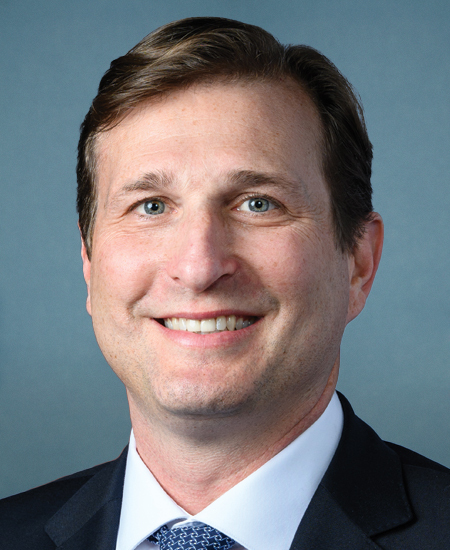
Rep. Daniel S. Goldman
Sponsored bills
Maddy summaryHR 767 modifies the FDA's safety program for mifepristone (a medication used in medication abortion) to improve access. It requires the FDA to remove in-person dispensing rules, allow prescriptions via telehealth, and permit certified pharmacies to mail the medication directly to patients. This bill directly affects patients seeking medication abortion and healthcare providers who prescribe or dispense mifepristone. The changes apply specifically to mifepristone's safety program under federal law, ensuring broader access through existing pharmacy channels.
Maddy summaryThis bill mandates the federal government to develop a comprehensive strategy specifically targeting drug trafficking routes through the Caribbean into the United States, including ports of entry, maritime corridors, and air routes. The strategy must define agency roles, detail required resources, and ensure legitimate trade and travel are not hindered. It specifically requires plans to reduce drug-related violent crime in Puerto Rico and the U.S. Virgin Islands, along with recommendations for additional federal assistance or authorities needed by local law enforcement. The bill creates a procedural requirement for this planning document but does not allocate new funding or change existing laws.
Maddy summaryHR 927, the Supreme Court Ethics Act, establishes new ethics rules and oversight for Supreme Court justices. It requires the Judicial Conference to create a binding code of conduct within one year and mandates the appointment of an Ethics Investigations Counsel to receive public complaints, investigate potential violations, and issue annual public reports. The bill also requires justices to publicly disclose their reasons for recusing themselves or denying recusal motions in cases. These provisions directly affect Supreme Court justices by creating a formal process for handling ethics concerns and increasing transparency around their conduct.
Maddy summaryThe Child Care for Every Community Act establishes a federal program to provide universal, high-quality child care and early learning services for all young children not yet required to attend school. It provides 90% federal funding for most programs (100% for migrant/seasonal farmworkers and Native American children) with a sliding fee scale based on family income (maximum 7% of income). The bill requires states, tribes, and localities to develop comprehensive plans ensuring services are accessible, culturally appropriate, and meet national quality standards. It specifically focuses on serving low-income children, children with disabilities, dual language learners, homeless children, and children in foster care. The program emphasizes coordination with schools and other community services to support children's development and school readiness.
Maddy summaryHR 926 would require the Supreme Court to establish a code of conduct for justices within 180 days of enactment, along with procedures for handling ethics complaints against them. The bill mandates minimum disclosure standards for gifts, income, and reimbursements received by justices and their law clerks, and requires justices to recuse themselves when they or their family received gifts from parties in a case. It would also require parties and amici curiae to disclose gifts given to justices and lobbying contacts related to justices' nominations, and establish a judicial investigation panel to review complaints against justices. The legislation aims to increase transparency in Supreme Court ethics processes and provide clearer recusal standards for justices.
Maddy summaryThis bill makes significant changes to US corporate tax rules to prevent tax avoidance through foreign operations. It requires corporations to calculate foreign income tax liabilities country-by-country, limits interest deductions for large international financial reporting groups, and modifies rules for "inverted corporations" (where US companies move tax residence abroad). The bill also creates new rules treating foreign corporations managed primarily in the US as domestic corporations for tax purposes. These changes aim to close tax loopholes related to outsourcing and foreign tax planning.
Maddy summaryHR 969 (GAAME Act of 2023) requires public schools receiving federal funding under the Elementary and Secondary Education Act to provide structured, standards-aligned arts and music education. It mandates that schools offer sequential arts education (defined as dance, media arts, theater, and visual arts) taught by state-certified arts educators, and sequential music education taught by state-certified music educators. The bill also directs targeted funding for schools to support certified educators, professional development, supplies, instruments, and other resources needed for these programs. This directly affects all public elementary and secondary schools participating in federal education programs, aiming to ensure consistent access to arts and music instruction.
Maddy summaryHR 866, the Equal COLA Act, changes how cost-of-living adjustments (COLAs) are calculated for federal retirees under the Federal Employees Retirement System (FERS). It requires that each year's COLA be based on the exact percent change in the price index from the previous year's base quarter, rounded to the nearest 0.1%, effective December 1. This applies to all FERS annuities starting before, on, or after the bill's enactment date, ensuring a standardized calculation method for retirees' annual adjustments.
This resolution condemns Iranian state-sponsored terrorist attacks against U.S. citizens and officials and Iranian dissidents. The resolution also expresses support for the people of Iran who are legitimately defending their rights for freedom against repression and condemns the killing of Iranian protesters by the Iranian regime.