

Maddy summaryHR 400 prohibits U.S. taxpayer funding for the United Nations Human Rights Council. It requires the Secretary of State to withhold from annual U.S. UN budget contributions any amount allocated to the Human Rights Council, and bans voluntary U.S. contributions to the Council. Funds withheld under this law are canceled immediately and do not count as unpaid dues to the UN. The bill specifically targets the Human Rights Council, leaving other UN activities unaffected.
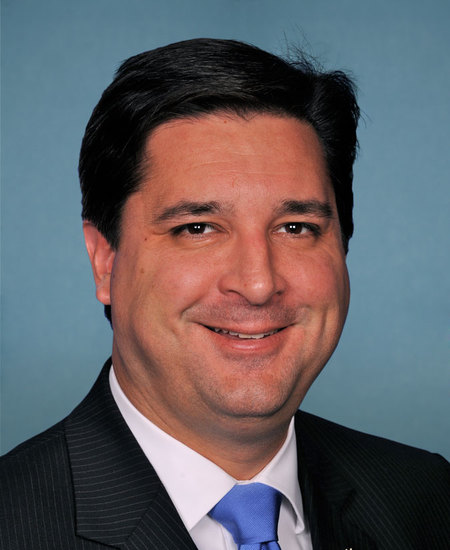
Rep. David Rouzer
Sponsored bills
Maddy summaryThis bill requires Amtrak to publicly disclose executive compensation details on its website. It directly affects Amtrak's executive leadership team, including the CEO, president, and other senior officers. The key provision mandates that Amtrak report annual base pay, bonus compensation, and the specific criteria used to calculate those bonuses. This change aims to increase transparency around executive pay decisions by making the information readily available to the public.
Maddy summaryHCONRES 3 is a symbolic congressional resolution expressing support for the Geneva Consensus Declaration, an international agreement signed by 39 countries that affirms women’s health, family protection, and opposes international abortion rights. It urges the U.S. to rejoin the declaration, which emphasizes that no country has an obligation to fund or facilitate abortion and that families are foundational to society. The resolution does not create new laws but reaffirms existing U.S. policies prohibiting federal funding for abortions or coercive family planning abroad. It directly affects U.S. foreign policy direction but has no binding effect on government actions.
Maddy summaryThis bill prohibits federal education funding to any school district that blocks voluntary, constitutionally allowed prayer in public schools. It directly affects state and local education agencies receiving Department of Education funds by requiring them to permit students or staff to engage in voluntary prayer without interference. The key mechanism is a funding condition: schools must not deny or prevent such prayer, and no one can be forced to participate or dictate prayer content. The law focuses on protecting existing legal rights to pray voluntarily, not creating new prayer requirements. (3 sentences)
Maddy summaryHR 371, the "No Hires for the Delinquent IRS Act," prohibits the IRS from making new job offers until the Treasury Secretary publicly certifies that no current IRS employee owes a seriously delinquent tax debt (unpaid tax debt with a lien filed against it). This affects the IRS's hiring process by requiring this certification before any new employee is hired. The bill excludes debts being paid under an agreement, in active collection, or with specific relief options, ensuring the rule doesn't block employees with legitimate payment plans.
Maddy summaryHR 369, the States’ Education Reclamation Act of 2025, would abolish the U.S. Department of Education and transfer its programs - including job training, special education, and federal student loans - to other federal departments like Labor, Health and Human Services, and the Treasury. It would provide annual federal grants to states for K-12 and higher education, requiring states to use the funds to add to, not replace, their existing education budgets. States must conduct annual audits of fund usage, submit reports to the federal government, and face penalties for misuse, while maintaining compliance with federal anti-discrimination laws. The bill shifts federal education oversight to states, ending direct federal management of education programs.
Maddy summaryThe Natural Disaster Recovery Program Act of 2025 establishes a new Natural Disaster Recovery Reserve Fund to address unmet needs after major disasters, primarily affecting states and tribal governments. It requires the President to assess unmet recovery needs within 90 days of a disaster declaration, including damage data and gaps in existing assistance. The bill allows states to use funds for home repair, economic recovery, and other unmet needs with limits on administrative costs (13% for state programs, 5% for household assistance), and mandates regular reporting on fund usage. It also includes provisions for technical assistance to help grantees manage funds effectively and comply with federal requirements.
Maddy summaryHR 272, the Protecting Life and Taxpayers Act of 2025, prohibits federal funding (directly or indirectly) to any organization that performs or funds abortions, requiring certification from all recipients. This applies to entities receiving federal funds, including contractors and subsidiaries, with limited exceptions for pregnancies resulting from rape or incest, or when a physician certifies a life-threatening condition. The bill directly affects healthcare providers, clinics, and organizations that rely on federal grants or contracts. It changes existing funding rules by banning federal money from supporting abortion services, except in the specified medical or criminal exceptions.
Maddy summaryThis bill blocks federal funding for Planned Parenthood Federation of America and its clinics for one year unless they certify they won't perform abortions. Exceptions apply for pregnancies resulting from rape or incest, or when a woman's life is in danger due to a medical condition. The bill redirects the redirected funds to community health centers and other providers serving women's health needs, authorizing $235 million for this purpose. It explicitly states this will not reduce overall federal funding for women's health services. The policy change directly affects Planned Parenthood clinics receiving federal funds, requiring them to certify abortion restrictions or lose funding.
Maddy summaryHR 274, the Sunset Chevron Act, requires the Government Accountability Office (GAO) to compile a list of federal court decisions that upheld agency rules using Chevron deference (a judicial practice deferring to agency interpretations of laws) and are still in effect. The bill mandates that the GAO publish this list within 180 days of enactment, organizing it by agency and assigning each rule a sunset date. The most recent rule from each agency expires 30 days after the list's publication, with earlier rules expiring 30 days after the prior rule’s sunset date. This creates an automatic expiration process for specific agency rules upheld under Chevron deference, directly affecting federal agencies whose rules are included in the GAO's list.