

Maddy summaryThis bill requires all new passenger vehicles manufactured for sale in the U.S. to include AM radio as standard equipment (not an optional add-on) by 2027-2028, depending on manufacturer size. It mandates that AM radio receivers must be easily accessible to drivers and allows compliance through digital AM broadcast technology. During a transition period, manufacturers must clearly label vehicles without AM radio but cannot charge extra for this feature. The bill also mandates a GAO study on AM radio's role in emergency alerts and includes a 10-year sunset provision for the rule. It preempts state laws regarding AM radio access in vehicles.
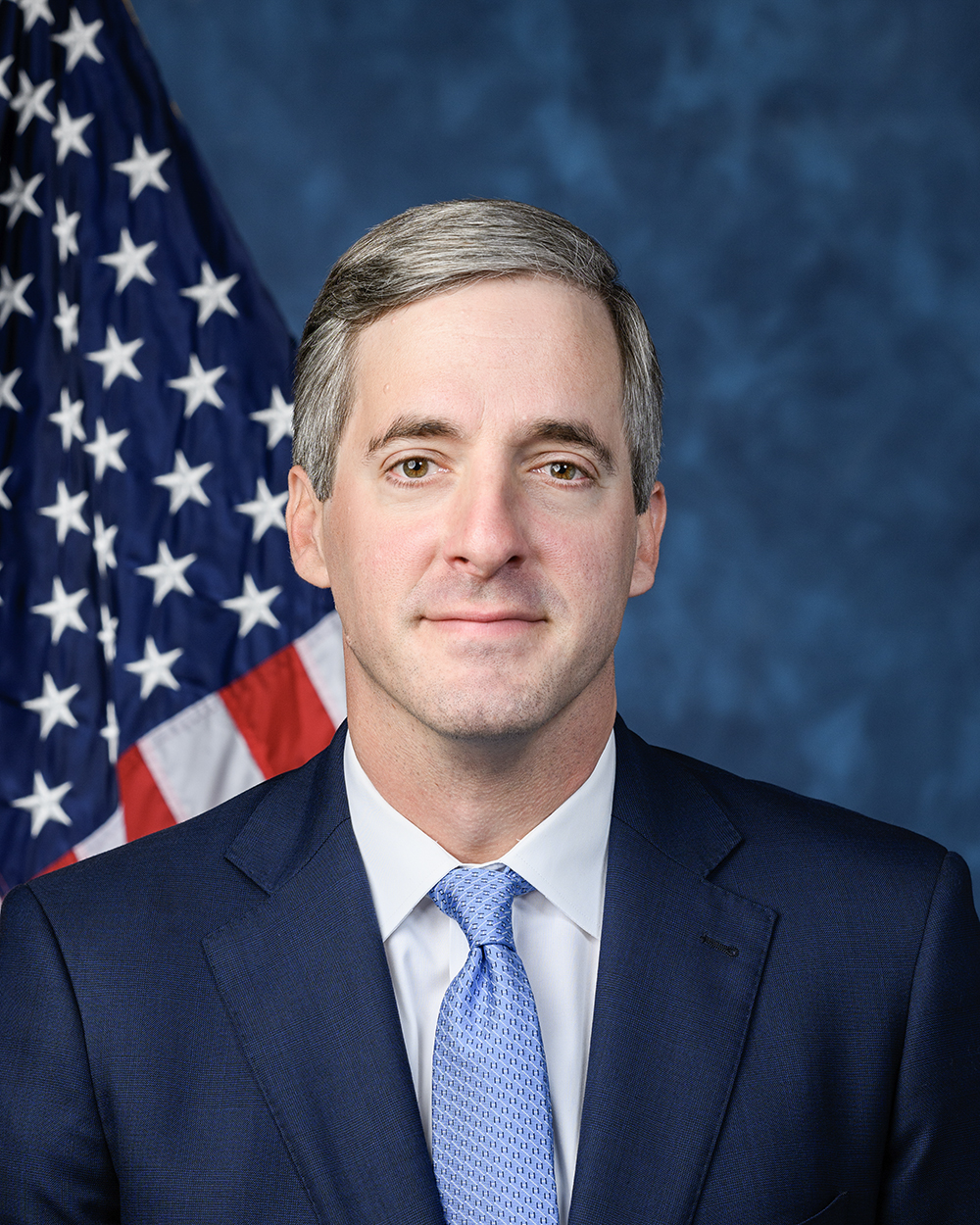
Rep. Brad Knott
Sponsored bills
Maddy summaryThe Black Vulture Relief Act authorizes livestock producers and their employees to remove or kill black vultures (Coragyps atratus) that are causing or likely to cause harm to livestock, bypassing standard protections under the Migratory Bird Treaty Act. It prohibits using poison for this purpose and requires annual reports to the U.S. Fish and Wildlife Service about such actions, using a simplified form. The law specifically targets vultures threatening livestock as defined in existing federal agriculture law, with reporting deadlines starting after a form is developed by the Fish and Wildlife Service.
Maddy summaryThis bill adds Medicare coverage for multi-cancer early detection screening tests (blood or biological tests analyzing cell-free DNA) starting January 1, 2028. It directly affects Medicare beneficiaries aged 68 and older (starting in 2028, with the age limit increasing by 1 year annually), requiring tests to be FDA-cleared and deemed reasonable/necessary by the Secretary for early cancer detection across multiple organ sites. Payment will initially match current stool DNA test rates before 2031, then shift to a lower rate or new payment system after 2031, with limits preventing more than one test per year. The bill explicitly states it does not alter coverage for existing cancer screenings like breast, colorectal, or prostate cancer tests.
Maddy summaryThis bill would require all states to recognize valid concealed carry permits issued by other states, allowing permit holders to carry concealed handguns (excluding machine guns) in any state that either issues such permits or doesn't prohibit concealed carry. It directly affects law-abiding gun owners with valid permits from their home state, ensuring they can carry in states with similar permit systems or no prohibitions. Key provisions include treating valid permit documents as proof of legal carry (reducing officer stops), shifting the burden of proof to prosecutors if challenged, and allowing civil lawsuits for violations with attorney's fee awards. The bill does not override state laws restricting firearms on private property or government land, nor does it affect federal gun restrictions like those in section 922(q).
Maddy summaryHRES 719 is a House resolution honoring Charles "Charlie" James Kirk, the founder of Turning Point USA who was assassinated on September 10, 2025. The resolution condemns his assassination and all political violence, extends condolences to his family, and calls on Americans to reject violence while promoting civil discourse. It specifically recognizes Kirk's legacy as a defender of constitutional principles and his role in inspiring youth through free speech and faith-based civic engagement. As a commemorative resolution, it does not enact policy changes but formally expresses the House's stance on honoring his life and legacy.
Maddy summaryHRES 711 is a non-binding House resolution honoring victims of Hurricane Helene and expressing support for affected communities in western North Carolina, specifically North Carolina’s 11th Congressional District, one year after the hurricane struck on September 27, 2024. It formally recognizes the storm’s devastation - including loss of life, displaced families, and damaged infrastructure - while extending condolences to victims’ families and gratitude to first responders and recovery efforts. The resolution affirms the House’s commitment to supporting ongoing recovery and encourages federal agencies to collaborate with Congress on rebuilding. As a symbolic gesture with no new policy or funding, it focuses solely on commemoration and solidarity.
Maddy summaryHR 3486, the Stop Illegal Entry Act of 2025, increases penalties for certain immigration violations under the Immigration and Nationality Act. It raises the mandatory prison term for unlawful entry (Section 275) from 2 to 5 years and adds new provisions for aliens who commit crimes after entry. For reentry after removal (Section 276), it increases the base penalty to up to 10 years imprisonment, with enhanced penalties of up to 15 years for those with prior drug or violent crime convictions, and mandatory minimums of 10 years or more for those with prior aggravated felonies, multiple removals, or prior convictions for serious crimes. The bill directly affects noncitizens who enter the U.S. illegally or reenter after being removed, with penalties applying to specific categories of prior criminal conduct.
Maddy summaryThis symbolic resolution (HRES 700) condemns the assassination of Charlie Kirk, a conservative campus advocate and founder of Turning Point USA, who was killed on September 10, 2025, at Utah Valley University. It expresses the House's deepest condolences to Kirk’s family, including his wife and children, and honors his work promoting civil discourse among college students. The resolution does not create new laws or policies but serves as a formal expression of the House’s stance on the incident. It directly affects no individuals or groups through legislative action, as it is purely a ceremonial statement.
Maddy summaryThe RESULTS Act (HR 5269) changes how Medicare calculates payment rates for clinical diagnostic laboratory tests. It requires Medicare to collect data on private payor rates for widely available non-Advanced Diagnostic Laboratory Tests (non-ADLTs) from a qualifying independent claims data entity (a national nonprofit organization meeting specific criteria) rather than relying on data reported directly by laboratories. For tests where data is unavailable, the bill establishes default payment rates based on previous years' rates adjusted for inflation. The law also requires Medicare to publicly explain payment rates with supporting data, affecting Medicare beneficiaries, clinical laboratories, and private payors that provide services covered by Medicare.
Maddy summaryThe Mental Health in Aviation Act of 2025 requires the Federal Aviation Administration (FAA) to update regulations within two years to encourage pilots and air traffic controllers to seek mental health care and disclose conditions without fear of losing medical clearance. It mandates annual reviews to improve the medical clearance process for mental health conditions - such as approving additional safe medications, enhancing examiner training, and reducing backlogs - and allocates $13.74 million yearly (2026-2029) to hire more aviation medical examiners. The bill also directs the FAA to implement recommendations from a mental health rulemaking committee and fund a public campaign to reduce stigma around mental health care in aviation. These provisions aim to support aviation workers' well-being while streamlining safety-related medical evaluations.