

Maddy summaryThe SBA Artificial Intelligence Utilization Act of 2026 requires the Small Business Administration to submit annual reports detailing its use of artificial intelligence and machine learning. These reports must cover the benefits and risks of this technology, including how it impacts operations, and outline strategies to maintain human oversight in important decisions. Additionally, the bill mandates that the SBA Administrator provide a briefing to congressional committees within 30 days of submitting each report. This legislation directly affects the SBA by establishing a formal process for evaluating and managing the adoption of AI tools within the agency.
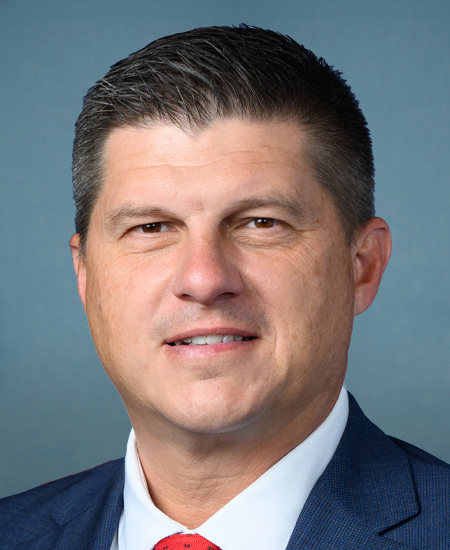
Rep. Brad Finstad
Sponsored bills
Maddy summaryThis bill amends the existing Northern Border Security Review Act to update deadlines and requirements for border security assessments. It requires the Department of Homeland Security Secretary to submit a northern border threat analysis by September 2, 2026, and every two years after, with strategy updates due 90 days after each analysis. The bill also mandates classified briefings to congressional committees 30 days after each threat analysis and directs the development of performance measures for Air and Marine Operations within six months of enactment. These changes directly affect the DHS Secretary, congressional committees, and U.S. Customs and Border Protection's operations along the northern border.
Maddy summaryThe Worst of the Worst Act requires the Department of Homeland Security to create a public database within 180 days of enactment. This database will list released criminal aliens who are subject to mandatory detention, including their photos, names, physical descriptions, release dates, and locations. The system will allow the public to search for individuals by name or release jurisdiction to track their whereabouts.
Repealing Big Brother Overreach Act This bill repeals the Corporate Transparency Act. The act requires existing companies and newly created companies to report beneficial ownership information to the Department of the Treasury’s Financial Crimes Enforcement Network for purposes of addressing the financing of terrorism and money laundering.
Maddy summaryHR 2675, the Protecting Our Courts from Foreign Manipulation Act of 2025, requires parties and their lawyers in federal civil cases to disclose any foreign funding tied to case outcomes. It mandates written disclosure of foreign funders' identities (including country of origin) and certification about funding sources, while banning foreign states or sovereign wealth funds from funding litigation. The law also requires annual reports to Congress detailing foreign-funded cases, including amounts and jurisdictions. This directly affects parties using foreign-funded litigation, courts handling such cases, and foreign entities seeking to influence U.S. courts through financial support.
Maddy summaryThe Build American Efficiency Act allows the Department of Housing and Urban Development to accept a specific industry standard, known as the Make It American Process Standard, as valid proof that construction materials meet domestic content requirements. This change directly affects recipients of federal housing funds by providing an additional, recognized method to certify that their projects comply with Buy America rules. The bill does not force anyone to use this new standard, nor does it ban the use of other existing certification methods, but it does give the Secretary of Housing and Urban Development the option to accept similar standards if they offer a clear way to verify domestic content.
Maddy summaryThis bill requires states to report annually to the federal government on waste, fraud, and abuse detected in home and community-based services funded by Medicaid. Starting in 2026, state agencies must submit details on any such issues they find, along with descriptions of the steps they have taken to prevent them. The law directly affects state Medicaid programs that provide care in community settings rather than institutions. By mandating these reports, the legislation aims to increase transparency and accountability in how these services are managed.
Maddy summaryHR 5437, the *Protection of Lawful Commerce in Stone Slab Products Act*, prohibits lawsuits against manufacturers and sellers of stone slab products (like countertops) for injuries caused by silica dust exposure during third-party fabrication (e.g., cutting or grinding by fabricators). It directly affects stone slab manufacturers and sellers by shielding them from civil liability when injuries result from fabricators violating workplace safety laws. The bill’s key provision bans such lawsuits in federal or state courts and requires dismissal of pending cases. It aims to protect this industry, which employs thousands, from claims they cannot control, emphasizing that safety regulations apply to fabricators - not the original sellers.
Maddy summaryThis bill creates new grounds for deporting non-citizens who are members of or associated with criminal gangs. It defines a "criminal gang" as a group of five or more people whose primary purpose is committing serious crimes like drug offenses, violence, trafficking, or weapons violations. The Secretary of Homeland Security can designate groups as criminal gangs after consultation with the Attorney General, and these designations make gang members ineligible for asylum, temporary protected status, parole, and other immigration benefits. The bill also establishes procedures for reviewing and revoking these designations, with limited judicial review options.
Maddy summaryThis bill, known as the State Emissions Authority Act of 2026, modifies the Clean Air Act to reduce federal mandates on vehicle inspection and maintenance programs. It primarily affects state governments by removing requirements for them to maintain specific inspection schedules and by limiting the federal government's ability to credit states for emissions reductions achieved through these programs. Additionally, the legislation adjusts rules regarding how states must report their environmental plans and clarifies compliance standards for federal vehicles and installations. By striking several existing sections of the law, the bill effectively shifts more authority over vehicle inspection policies from the federal level to the states.